Math Work For 7th Graders
Finding effective math work for 7th graders can be a challenge. Teachers often seek resources that not only engage students but also track their progress effectively. This guide will help you choose, download, and utilize various printable resources tailored specifically for 7th-grade math. From worksheets to planners, each resource is designed to support your teaching efforts and enhance student learning.
Understanding the Curriculum Needs
Before diving into available resources, it’s essential to understand the curriculum expectations for 7th-grade math. At this level, students typically encounter key concepts such as:
- Ratios and Proportions
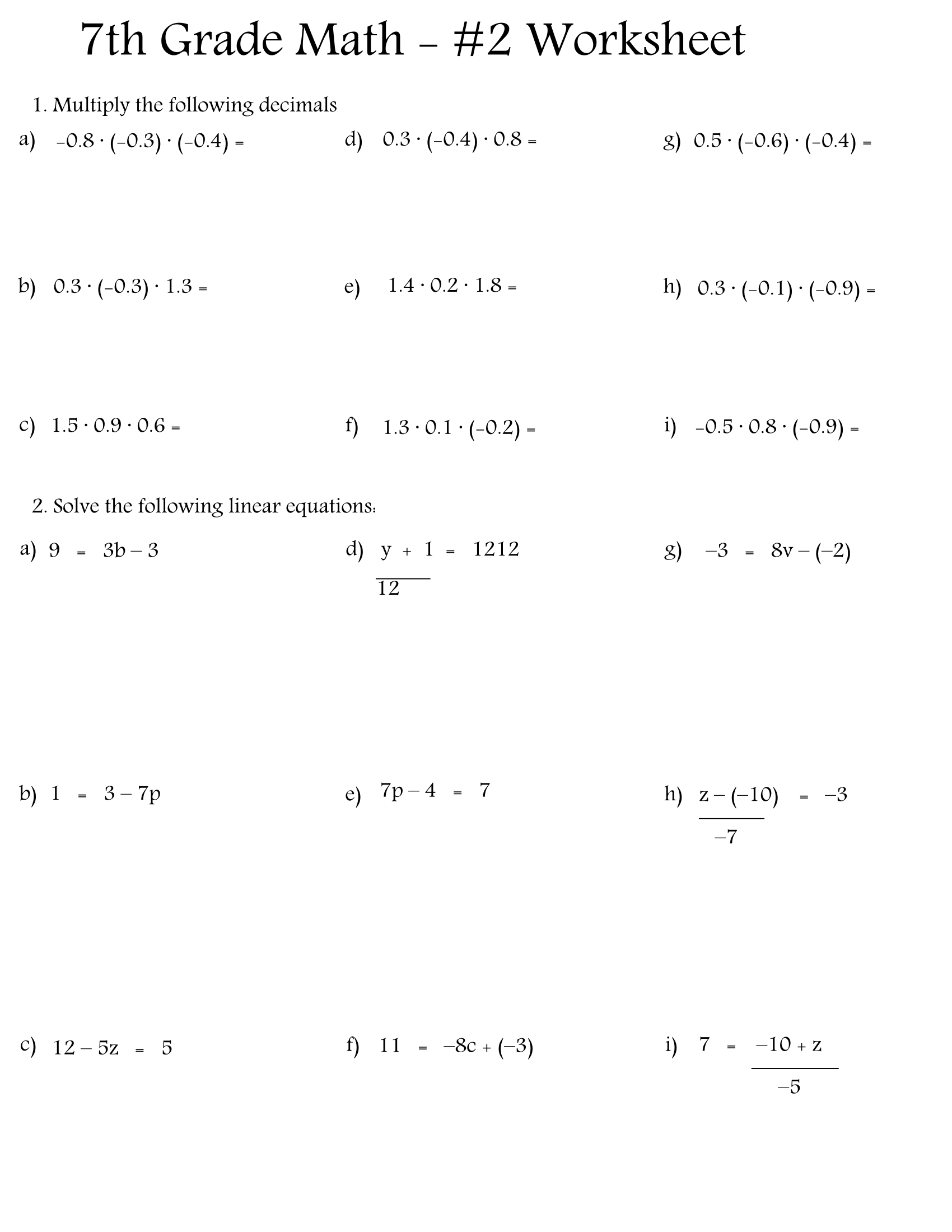
- Expressions and Equations
- Geometry and Measurement
- Statistics and Probability
Knowing these topics helps you pinpoint the exact type of math work your students need. By aligning resources with these curriculum areas, you ensure that your students are not only engaged but also mastering the necessary skills.
Choosing the Right Resources
When searching for math work for 7th graders, consider the following types of resources:
Printable Worksheets
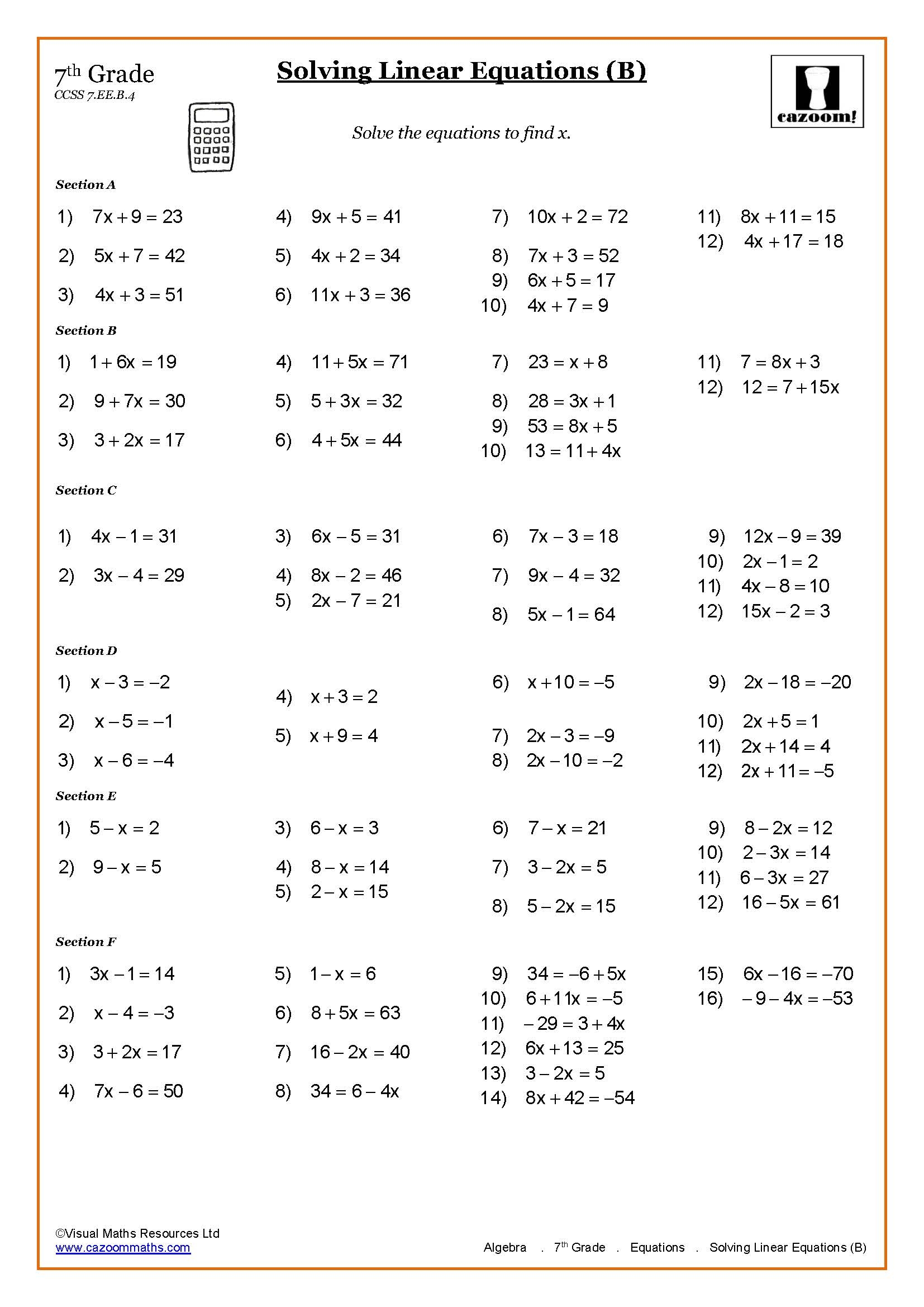
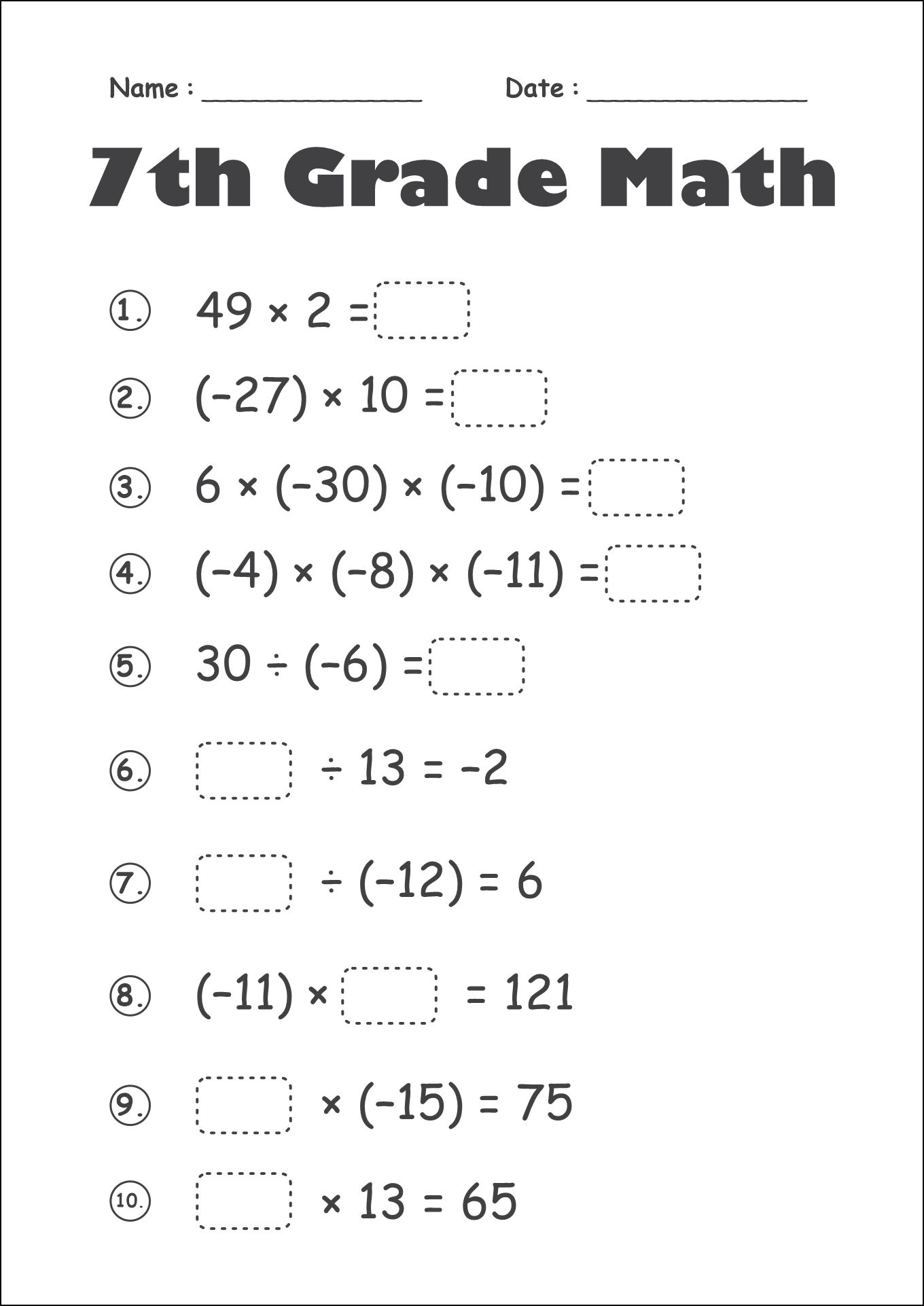
Worksheets are one of the most effective tools for reinforcing concepts. Look for printable worksheets that cover a range of topics. Here’s what to keep in mind:
- Variety: Choose worksheets that include multiple formats, such as multiple-choice, fill-in-the-blank, and word problems.
- Difficulty Levels: Ensure you have a mix of easy, medium, and challenging problems to cater to all student skill levels.
- Answer Keys: Resources with answer keys can save time and help you provide immediate feedback.
Planners and Trackers
Using planners can help students organize their study schedules and track their progress. Consider these features:
- Monthly and Weekly Layouts: A planner should allow students to break down their study sessions by day.
- Goal Setting Sections: Include areas where students can set specific math goals and reflect on their progress.
- Checklists: These can help students stay on top of assignments and test preparations.
Interactive Resources
Incorporating interactive elements can significantly enhance engagement. Look for:
- Coloring Pages: These can be themed around math concepts and provide a fun break while reinforcing learning.
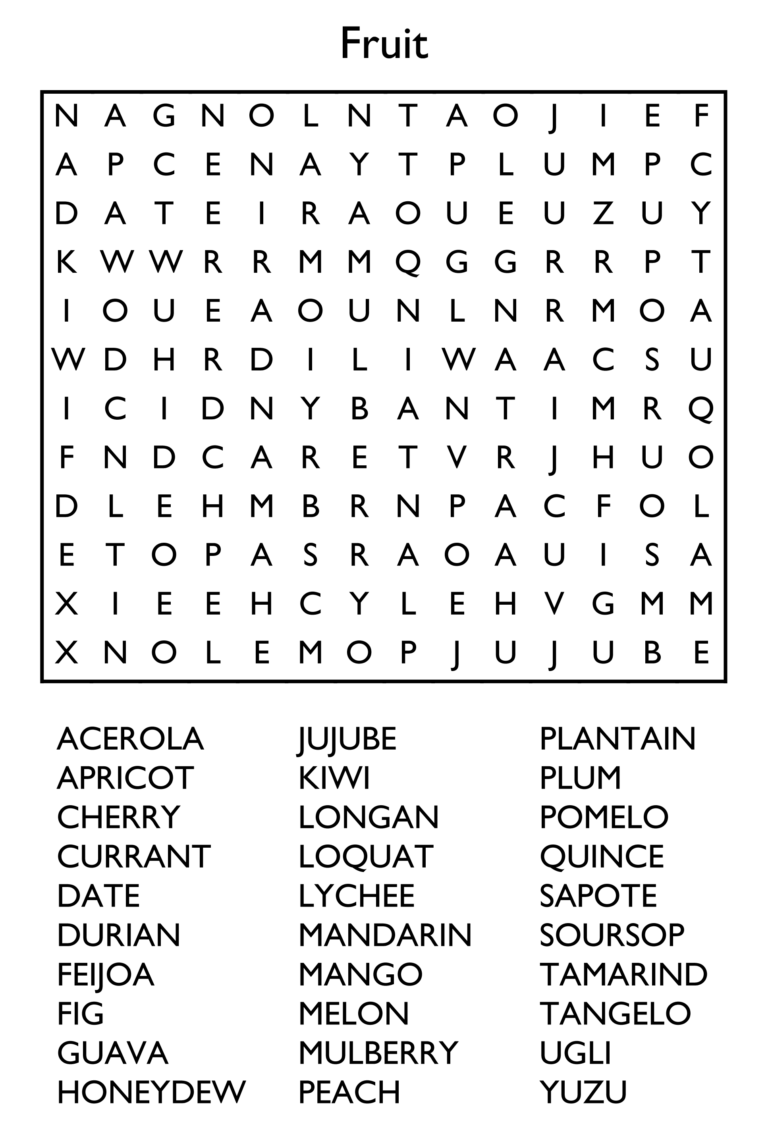
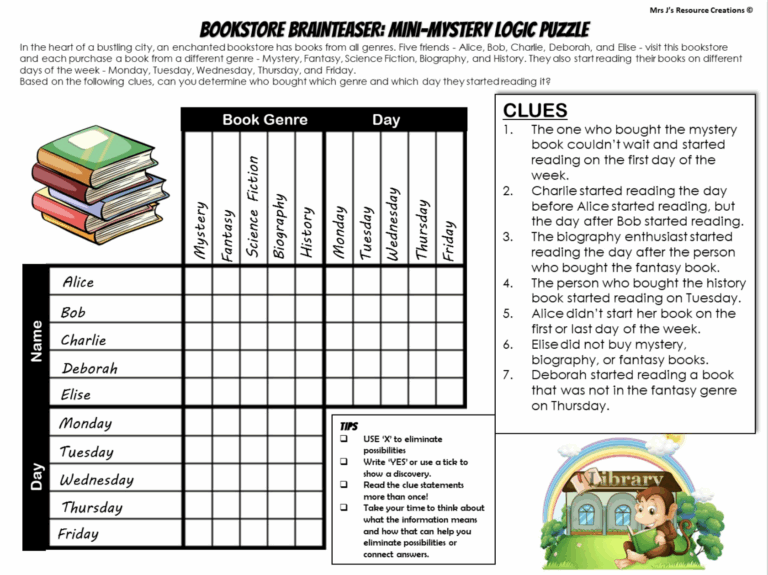
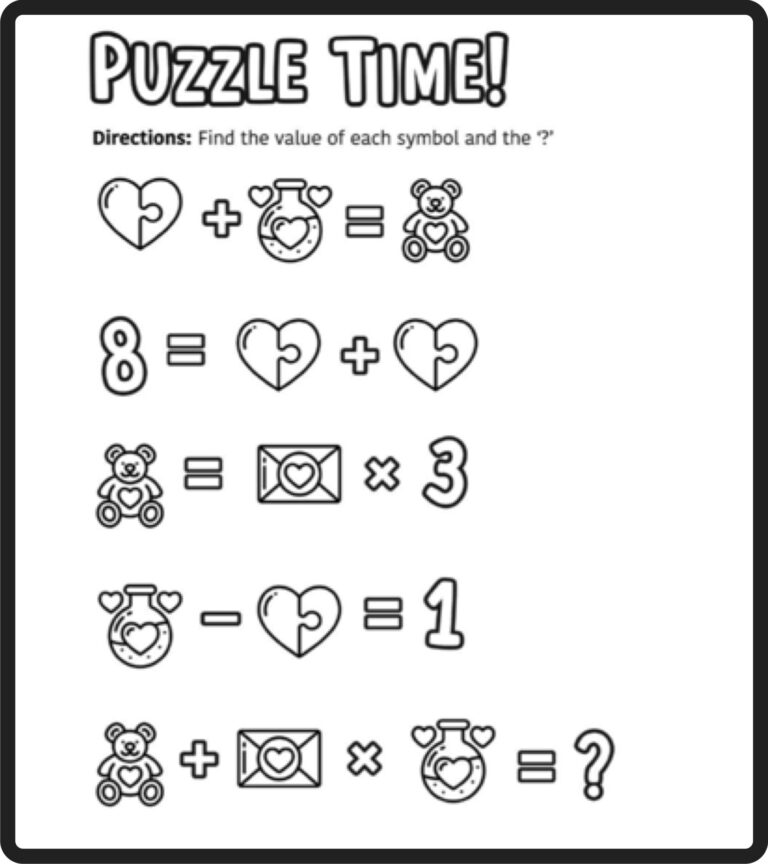
- Games and Puzzles: Resources that include math games can make learning enjoyable and interactive.
Downloading and Printing Resources
Once you’ve selected the resources, downloading and printing them correctly is crucial for optimal use. Here are some practical tips:
- Check File Formats: PDF files are typically the best choice for printing, as they maintain formatting across different devices.
- Print Settings: For worksheets, use portrait layout, as this is most compatible with standard paper sizes, such as 8.5 x 11 inches.
- Quality Paper: If you plan to laminate or reuse worksheets, consider printing on cardstock for durability.
Setting Up for Classroom Use
With your materials ready, the next step is organizing them for effective classroom use. Here’s how to set up:
Organizing Worksheets
Create a dedicated space for worksheets, either digitally or physically:
- Digital Folders: Use cloud storage systems to organize resources by topic. This allows for easy access during lessons.
- Physical Binders: For printed materials, use binders to keep worksheets sorted by subject or topic.
Integrating Planners Into Daily Routines
Encourage students to use planners consistently:
- Daily Check-ins: Start each class with a quick review of planners, allowing students to share their goals and progress.
- Incorporate Reflection: At the end of each week, dedicate time for students to reflect on what they’ve learned and adjust their goals as needed.
Tracking Student Progress
To ensure that your students are mastering the material, it’s essential to track their progress effectively. Here’s how:
Regular Assessments
Conduct regular quizzes or tests based on the worksheets:
- Formative Assessments: Use informal assessments to gauge understanding, such as quick exit tickets or in-class activities.
- Summative Assessments: At the end of each unit, have a more formal assessment to evaluate overall comprehension.
Feedback Loops
Create a system for providing feedback:
- Quick Grading: Use answer keys to grade worksheets efficiently, providing students with timely feedback.
- One-on-One Meetings: Schedule brief check-ins with students to discuss their progress and areas for improvement.
Encouraging Growth Mindset
Encouraging a growth mindset is essential in math education. Remind students that mistakes are part of the learning process. Here are some strategies to foster this mindset:
- Celebrate Effort: Recognize students for their effort, not just their results. This builds resilience and encourages them to tackle challenging problems.
- Use Positive Language: Frame challenges as opportunities to learn, helping students to feel less intimidated by difficult math concepts.
By utilizing these strategies and resources, you can create a supportive math learning environment for 7th graders. Remember, the goal is to engage students and track their progress effectively.
For immediate action, download a set of printable worksheets today and start integrating them into your lesson plans. This simple step can make a significant difference in your students’ learning journey.