Label Parts Of Body Worksheet
Understanding the anatomy of the human body is essential for young learners, and the Label Parts Of Body Worksheet serves as an excellent tool to facilitate this learning. This printable resource allows children to visually identify and label various body parts, enhancing both their vocabulary and comprehension of anatomy. With a straightforward layout, this worksheet is designed for children in early elementary grades, typically from kindergarten through second grade.
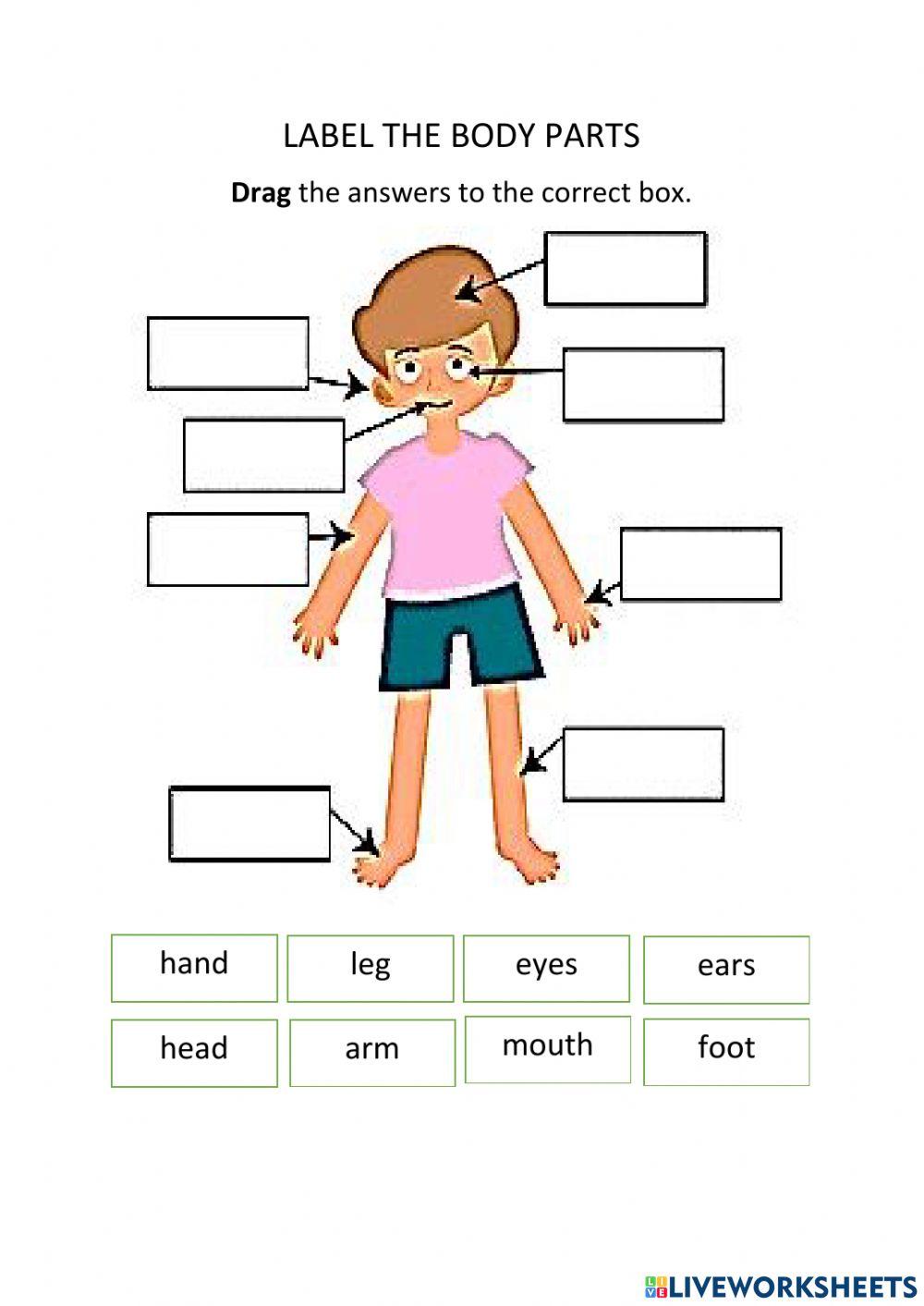
Worksheet Layout and Design
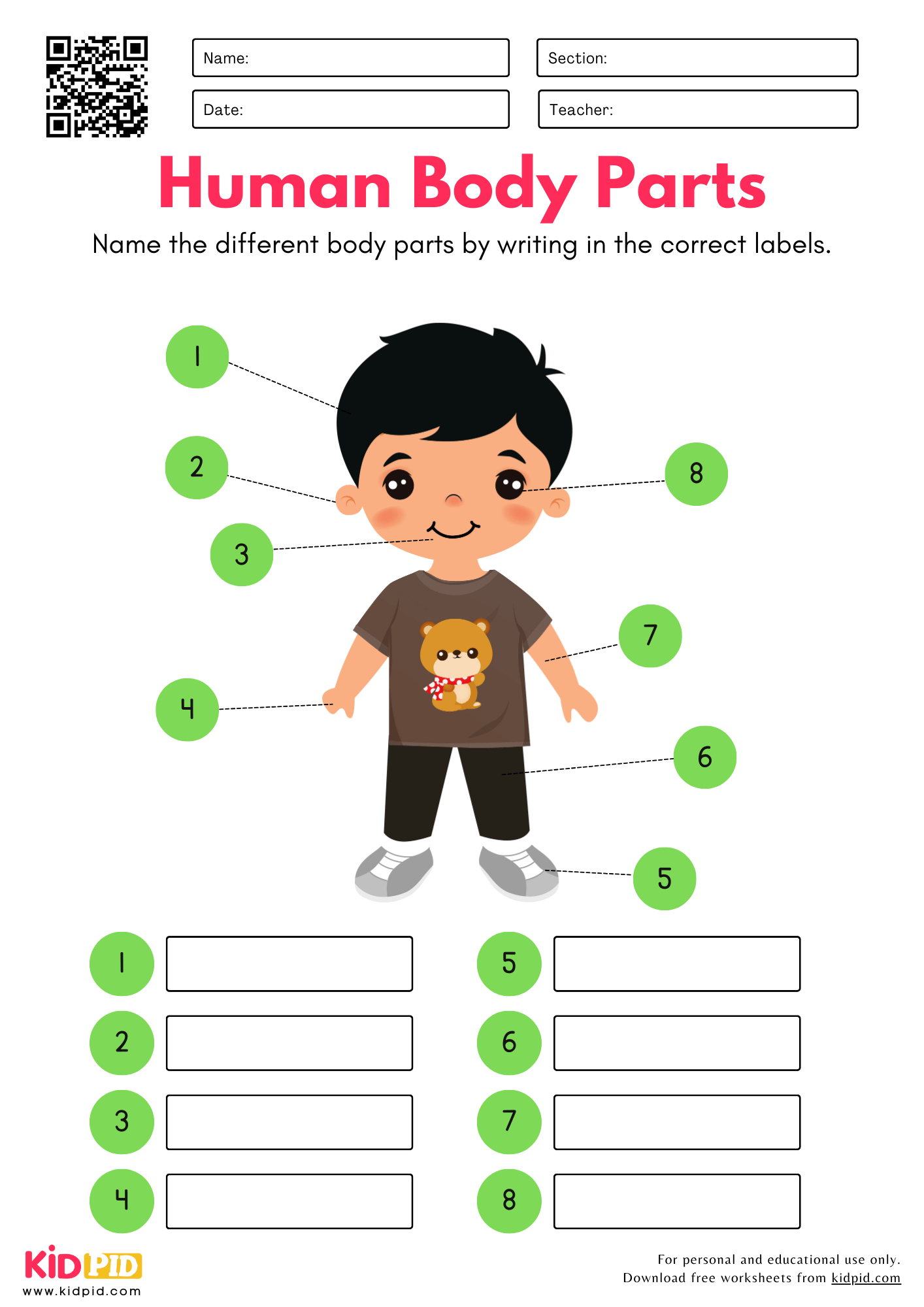
The Label Parts Of Body Worksheet is thoughtfully designed, featuring an illustration of the human body. This visual aid is crucial for helping students associate written terms with physical locations on their bodies. The image is typically large enough to allow for clear labeling while not overwhelming young learners.
The worksheet generally includes the following sections:
- Central Illustration: A simple, clear image of the human body, often in a cartoon style to make it appealing to children.
- Labeling Areas: Each part of the body is numbered, corresponding to a list of terms at the bottom of the page. This format encourages students to match the numbers with the correct body part names.
- Space for Answers: Ample space is provided next to each number for students to write in the correct labels, promoting writing practice alongside learning.
By focusing on these design elements, educators can foster an engaging environment where students can explore and understand the human body.
Effective Teaching Strategies
To maximize the effectiveness of the Label Parts Of Body Worksheet, consider integrating it into a broader lesson plan. Here are a few strategies to enhance the learning experience:
- Interactive Discussions: Before handing out the worksheet, engage your students in a discussion about body parts. Ask questions like, “What do you think is the most important part of our body?” or “Can anyone tell me what their favorite sport is and which body parts they use most?” This primes their thinking about the worksheet content.
- Group Activities: Pair students up and let them work together to fill out the worksheet. Working in pairs encourages collaboration and allows students to learn from each other. You may also consider a classroom competition to see which pair can correctly label the most parts in a set amount of time.
- Follow-Up Activities: After completing the worksheet, extend the learning with follow-up activities. For instance, have students draw their own bodies and label them, or create a poster illustrating the body’s functions. These activities can solidify their understanding and make learning more tactile.
Incorporating Repetition for Mastery
One of the key aspects of using the Label Parts Of Body Worksheet effectively is incorporating repeated practice. Rather than having students complete the worksheet in one sitting, spread the activity over several days. This could look like:
- Day 1: Introduce the worksheet and go over the major body parts.
- Day 2: Review the worksheet together, focusing on parts they struggled with.
- Day 3: Let students complete the worksheet independently or in pairs.
- Day 4: Conduct a review session where students can share their answers and discuss any confusion.
This staggered approach not only reinforces memory retention but also helps students feel more confident in their knowledge.
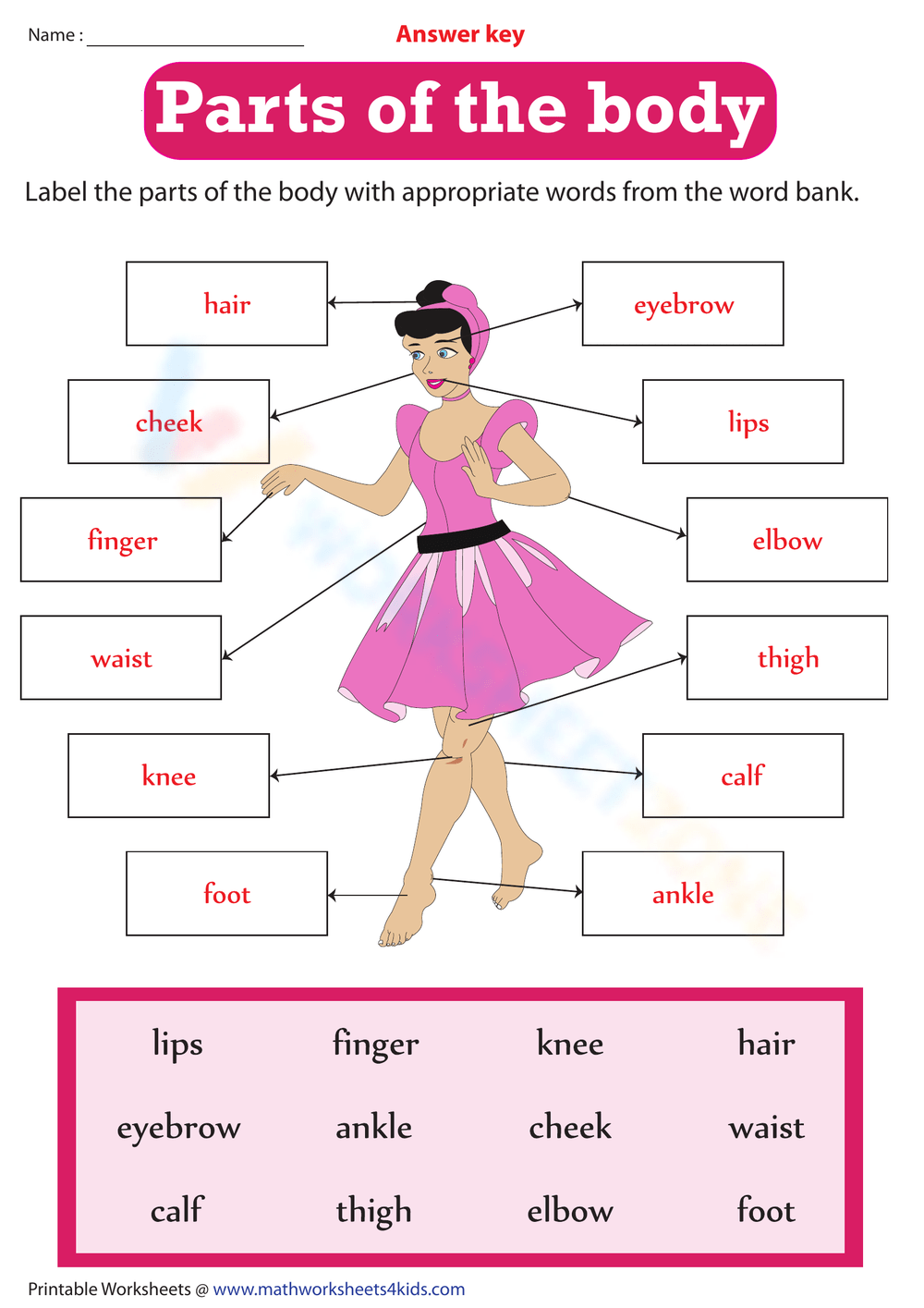
Adapting the Worksheet for Different Learning Levels
While the Label Parts Of Body Worksheet is primarily aimed at early elementary students, it can also be adapted for varied learning levels. Here are some ideas to tailor the worksheet for different age groups and abilities:
- For Younger Students: Simplify the worksheet by reducing the number of body parts to label. Focus on the most recognizable parts, such as head, arms, and legs. Using a color-coded system can also help younger children associate colors with specific parts.
- For Older Students: Introduce more complex terms such as “carpal” for wrist or “patella” for knee. Challenge them to not only label but also describe the function of each part. This can be incorporated into a science lesson about human biology.
- Visual Learners: For students who learn best with visuals, provide additional resources such as videos or diagrams that illustrate body parts in action. You might also consider using 3D models if available.
- Kinesthetic Learners: Encourage movement by having students label their own bodies. For example, call out a body part, and they can touch it or perform an action that involves that part, reinforcing their learning through physical activity.
Using the Label Parts Of Body Worksheet in conjunction with these strategies and adaptations can create a rich, engaging learning experience for all students.
By understanding the layout and effective usage of the Label Parts Of Body Worksheet, educators can facilitate a comprehensive learning experience that not only teaches children about anatomy but also fosters essential skills such as teamwork, discussion, and critical thinking. Remember, the goal is to make learning fun and interactive, ensuring that students not only memorize the terms but also understand their relevance in everyday life.