Tracing Letters Of The Alphabet For Preschoolers
In a cozy preschool classroom, a young teacher named Sarah watches as her students eagerly gather around a colorful table. Each child is excitedly reaching for the stack of worksheets she prepared for them. Today’s focus is on tracing letters of the alphabet for preschoolers. This engaging activity is essential for developing fine motor skills and letter recognition, setting the foundation for reading and writing.
Tracing letters of the alphabet for preschoolers not only helps with letter formation but also builds confidence in young learners. Here, I’ll provide practical guidance on how to implement tracing activities effectively, ensuring children can practice independently and enjoyably.
The Importance of Tracing Letters
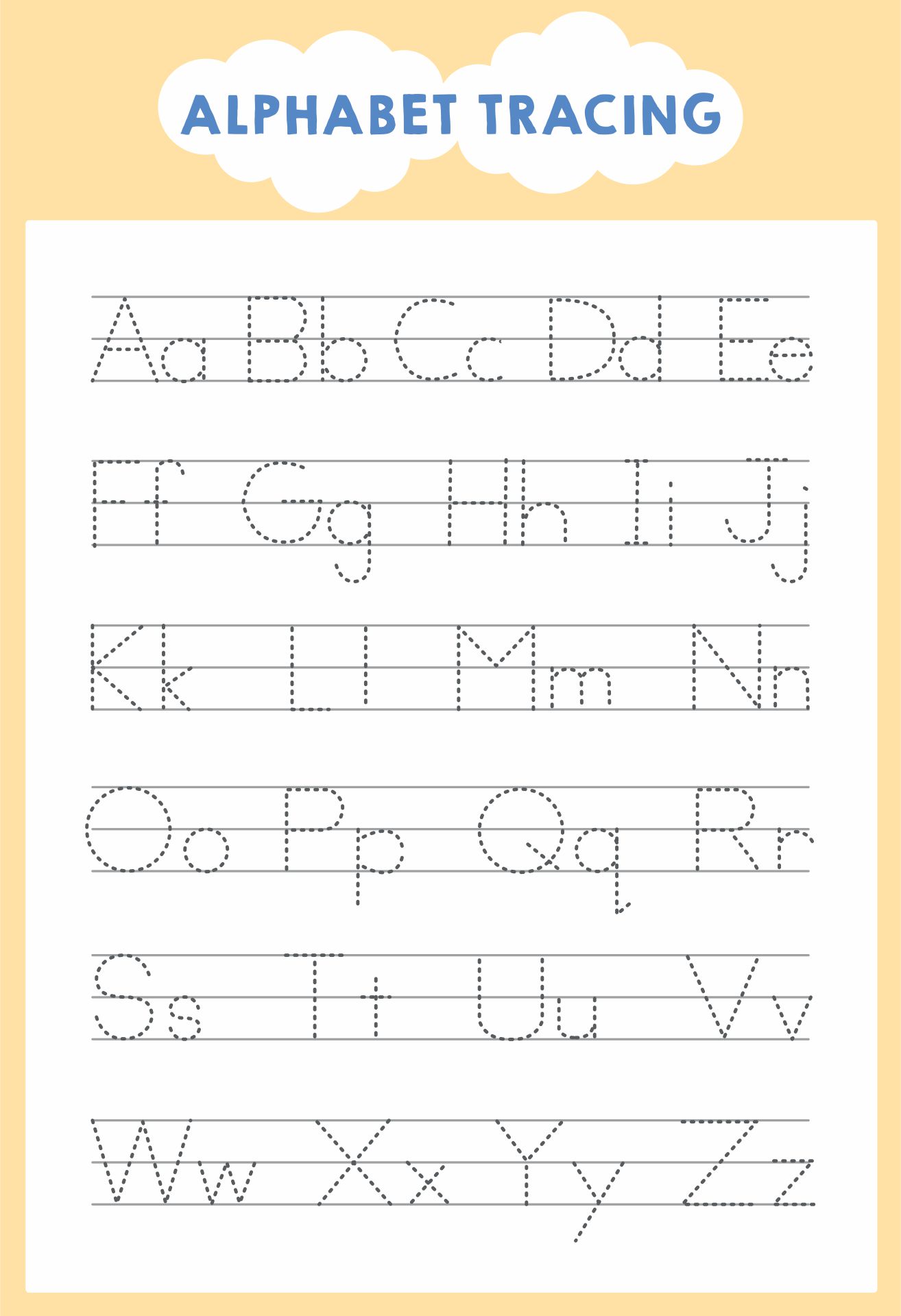
Tracing letters is a valuable exercise for preschoolers. It helps them learn the shapes and strokes of each letter, promoting muscle memory. As they trace, children begin to understand how letters are formed, which aids in their writing skills. This activity is particularly beneficial for developing fine motor skills, which are crucial for tasks like holding a pencil or crayon.
Additionally, tracing letters can enhance cognitive skills. As children engage with the alphabet, they start to recognize letters and their corresponding sounds, creating a solid foundation for literacy. This dual focus on motor and cognitive development makes tracing a well-rounded educational activity.
Setting Up Tracing Activities
Creating a tracing activity can be simple and fun. Here’s how to set up a successful tracing session in a classroom or home environment:
- Materials Needed:
- Printable tracing worksheets featuring letters of the alphabet.
- Pencils or crayons for tracing.
- A flat surface, like a table, for comfortable writing.
- Optional: Laminated sheets for repeated use and dry-erase markers.
- Choosing the Right Worksheets:
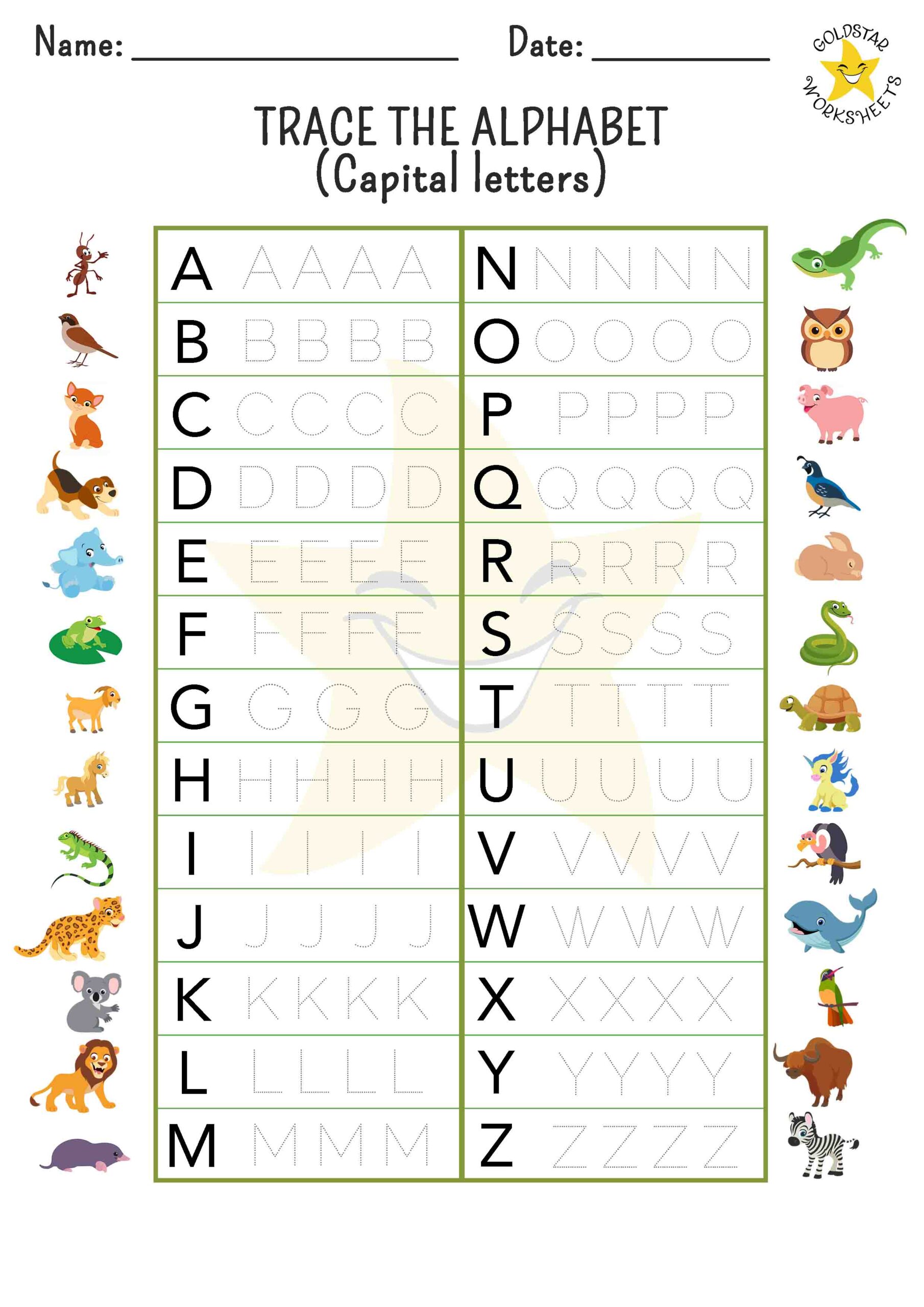
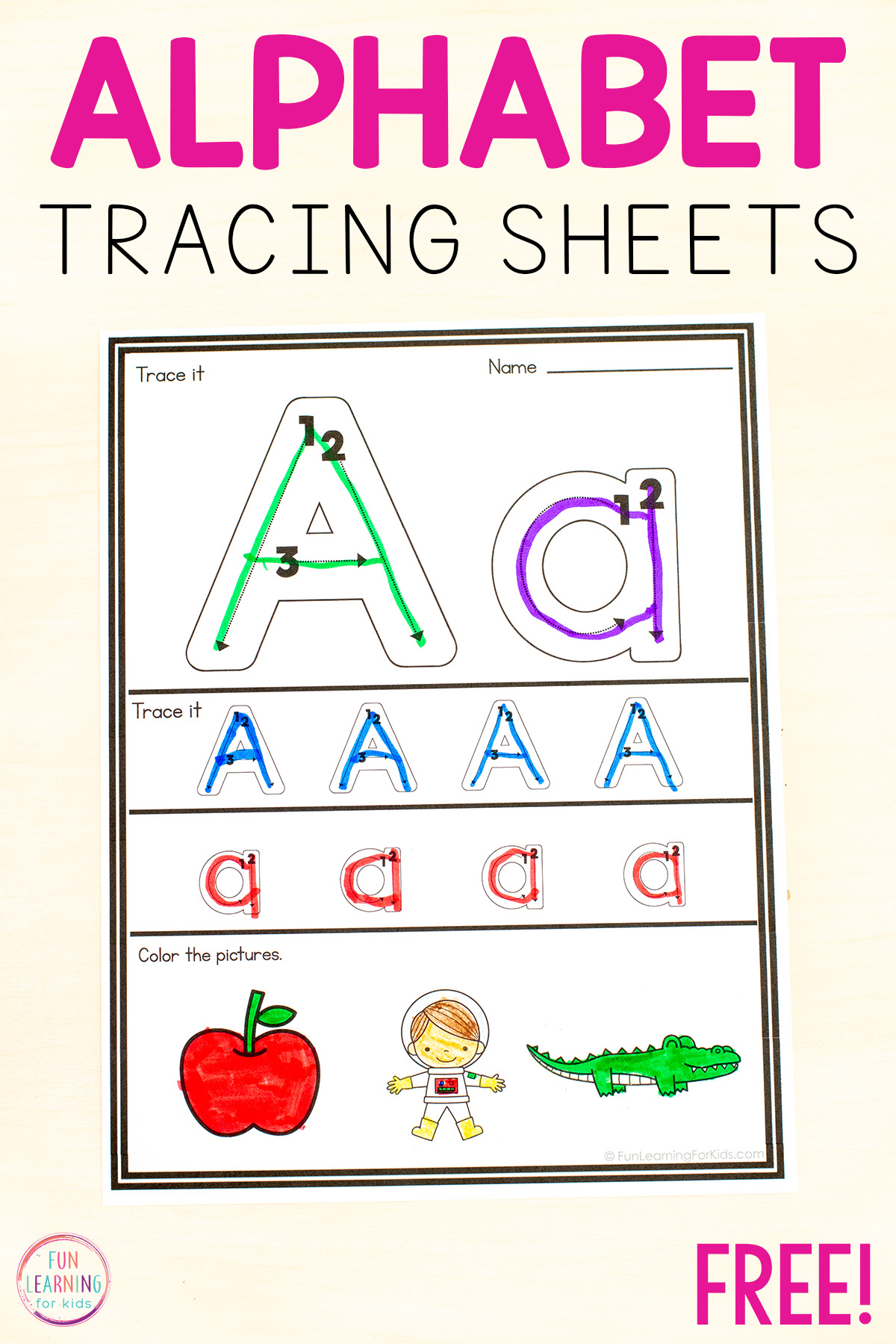
Select worksheets that are designed specifically for tracing letters. Look for resources that provide clear, bold letters with dotted outlines for children to follow. Many printable resources online offer various styles, so you can choose ones that match your students’ needs and interests.
- Creating a Comfortable Environment:
Ensure that the tracing area is well-lit and free from distractions. A comfortable chair and table height can make a significant difference in how effectively children can focus on their work.
Independent Tracing Practice
One of the goals of tracing activities is to encourage independent practice. Here are some strategies to foster self-sufficiency among preschoolers:
- Clear Instructions: Clearly explain how to trace the letters. Use simple language and demonstrate on a worksheet first. For example, show how to start at the top of the letter and follow the lines.
- Visual Aids: Use visual aids to remind children of the correct letter formation. You can display a poster of the alphabet in the classroom or have a reference sheet nearby.
- Encourage Self-Correction: Teach children to look back at their work after tracing each letter. Encourage them to check if they followed the lines correctly. This practice promotes self-assessment and critical thinking.
- Provide Positive Reinforcement: Celebrate their efforts! Praise their work and encourage them to keep practicing. This helps build their confidence and motivation to learn.
Incorporating Tracing Into Daily Activities
To make tracing letters a regular part of your preschool curriculum, consider integrating it into daily activities. Here are some ideas:
- Alphabet Games: Turn tracing into a game. For instance, you can create a scavenger hunt where children find objects that start with specific letters and trace those letters afterward.
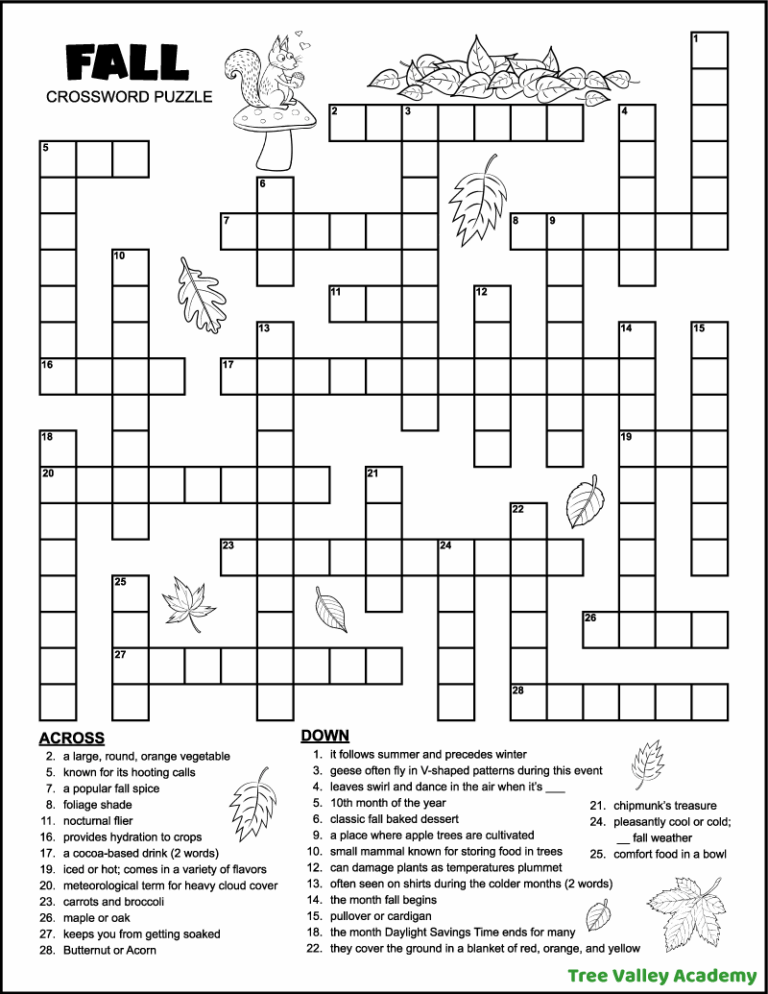
- Themed Tracing Worksheets: Use seasonal or thematic worksheets to keep the activity fresh and engaging. For example, during Halloween, provide worksheets with pumpkin-shaped letters or during spring, flowers with letters.
- Combine with Storytime: After reading a book, have children trace letters that correspond to characters or themes from the story. This connection reinforces learning through context.
Resources for Tracing Letters
There are many free printable resources available online that cater to tracing letters of the alphabet for preschoolers. Here are a few places to consider:
- Educational Websites: Many educational sites offer free printable worksheets specifically designed for letter tracing. Look for resources that allow easy downloading and printing.
- Craft Blogs: Some crafting blogs focus on children’s education and provide unique tracing worksheets. These may include fun designs that engage kids beyond standard letters.
- Teacher Resource Pages: Websites designed for teachers often have extensive libraries of printable resources, including tracing worksheets. These resources can be sorted by grade level or subject.
Making Tracing Fun
To keep preschoolers engaged, try to incorporate fun elements into tracing activities. Here are some ideas:
- Colorful Worksheets: Use bright colors and appealing graphics on worksheets. Children are more likely to engage with materials that visually stimulate them.
- Interactive Tracing Boards: Create interactive boards where children can trace letters using finger paint or sand. This multisensory experience can enhance their learning.
- Reward Systems: Consider implementing a sticker chart where children earn stickers for completing tracing worksheets. This system can motivate them to practice consistently.
By utilizing these strategies and resources, you can make tracing letters of the alphabet for preschoolers a fun and effective learning experience. Remember, the goal is to foster independence and confidence in young learners, setting them up for success in their educational journey.
For immediate action, try downloading a set of tracing worksheets today and set up a tracing corner in your classroom or home. You’ll be amazed at how quickly kids pick up letter formation while having fun!