Free Find A Word Games
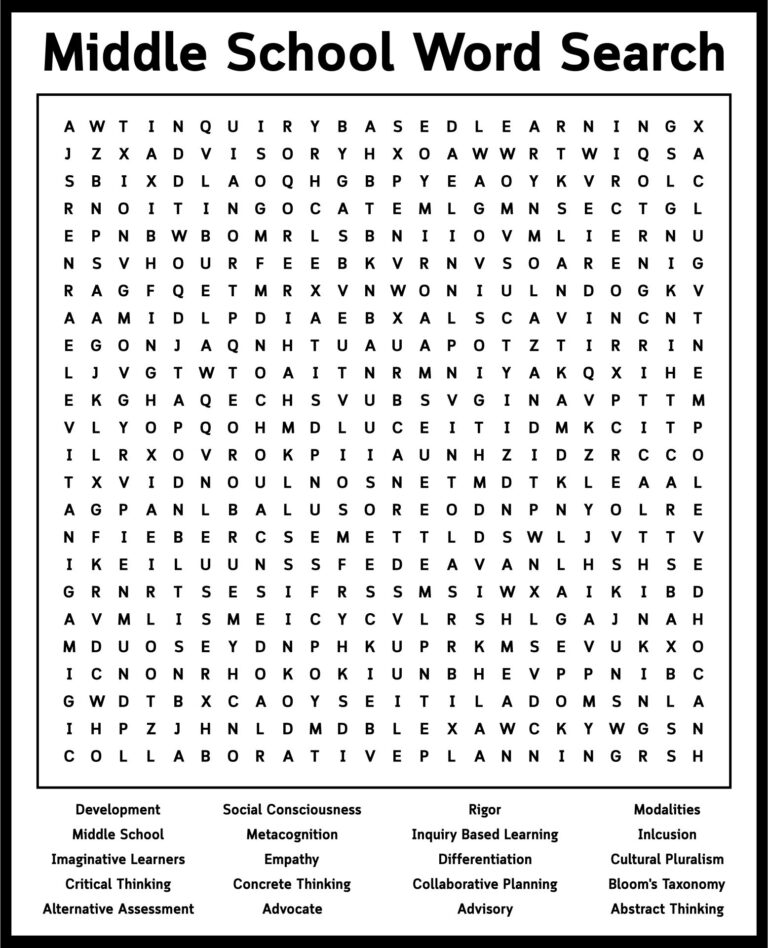
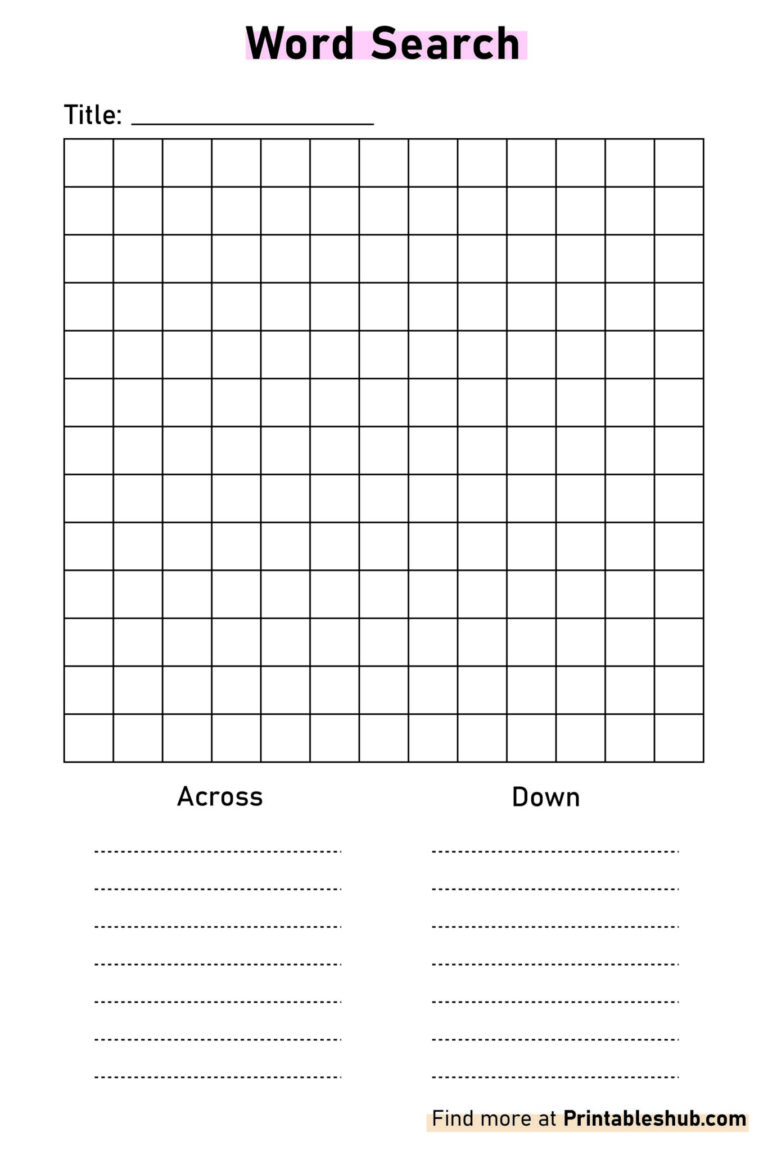
Finding engaging activities to enhance vocabulary skills can be a challenge, but Free Find A Word Games offer a fun and effective solution. These printable word search puzzles not only entertain students but also help them build their language skills. Typically formatted in 8.5 x 11 inches, they are easy to print and perfect for classroom use. Here’s how you can effectively incorporate these resources into your teaching strategy.
Understanding Free Find A Word Games
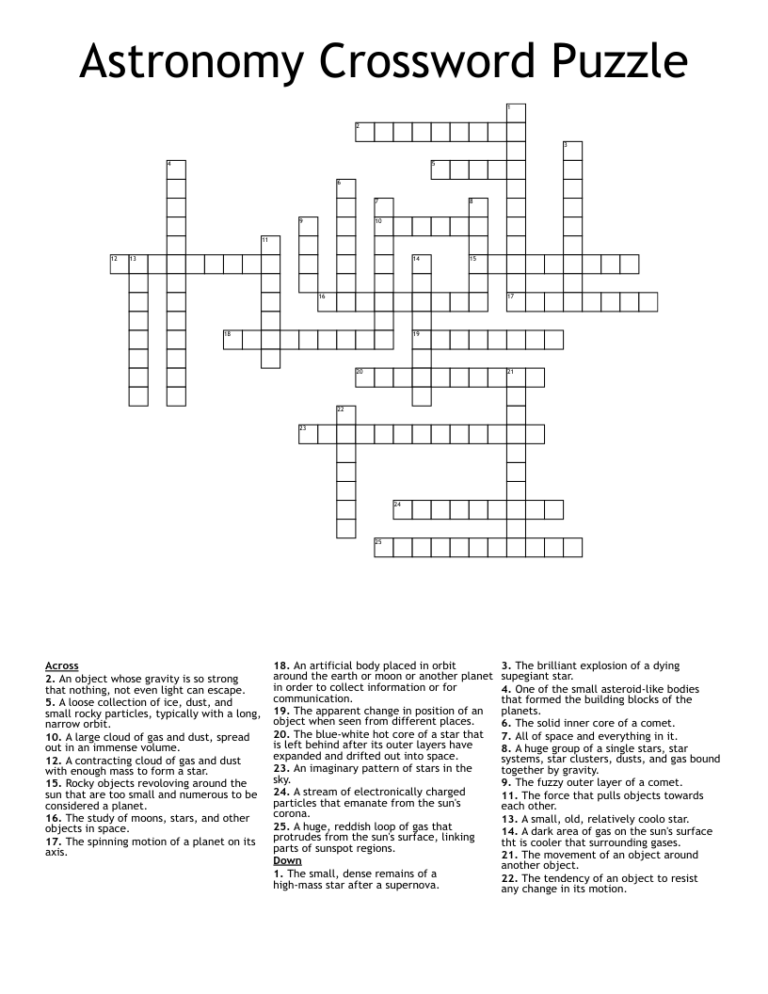
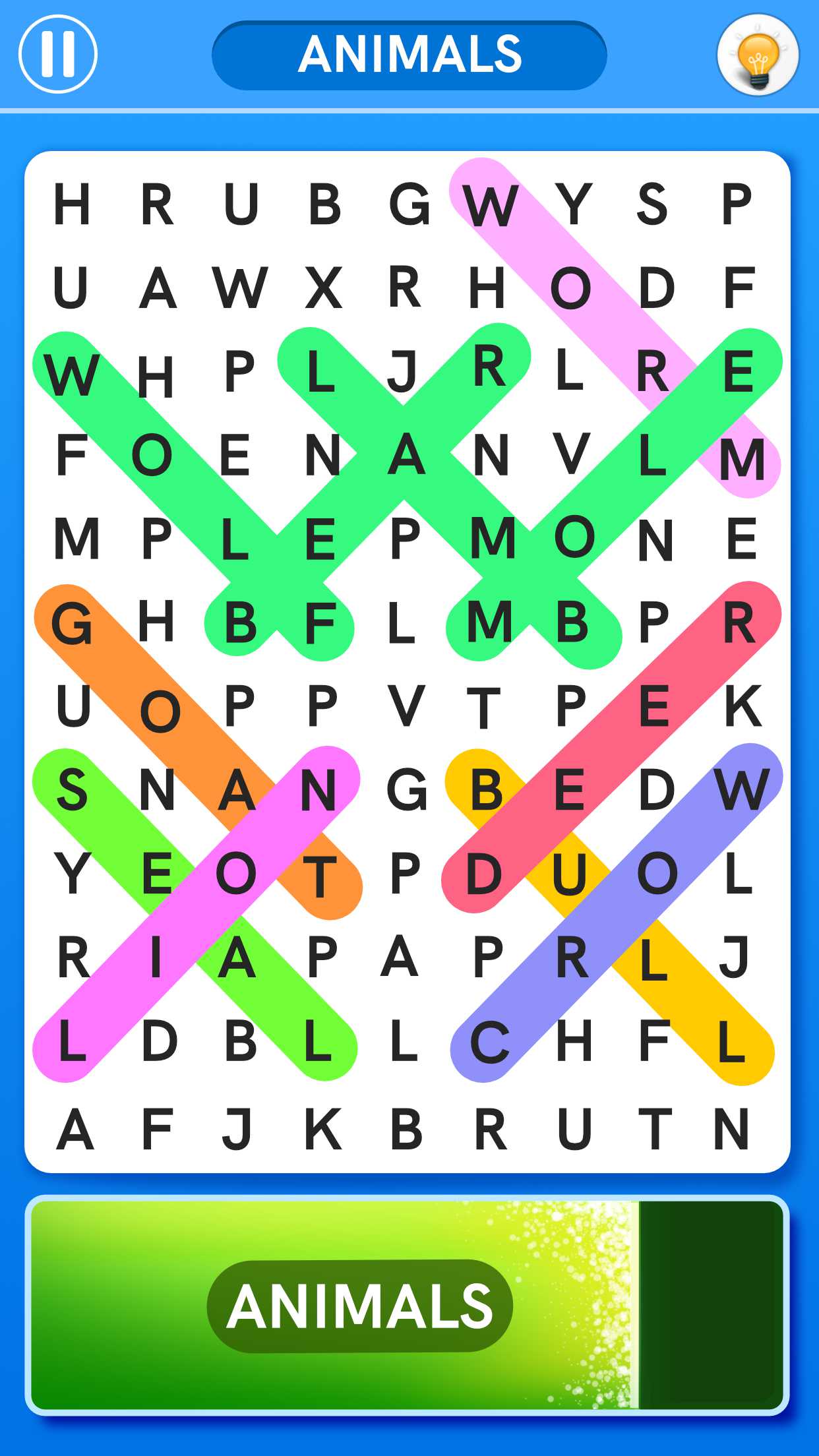
Free Find A Word Games are designed to challenge students to locate hidden words within a grid filled with letters. The words can be arranged in various orientations—horizontally, vertically, or diagonally—and may even be backward, adding to the fun. These games can be tailored to different themes or vocabulary sets, making them versatile for various subjects, including language arts, science, and social studies.
You’ll find that these games not only reinforce vocabulary but also improve spelling and concentration. By focusing on specific word lists, you can align the games with your current curriculum topics, making them a relevant and timely resource.
How to Use Free Find A Word Games in the Classroom
Integrating Into Lesson Plans
One effective way to use Free Find A Word Games is to integrate them into your lesson plans. For instance, after introducing a new vocabulary set, provide students with a word search that includes these terms. This reinforces their learning while allowing them to engage with the material in a relaxed setting.
You can also use these games as a warm-up or cool-down activity. Starting or ending a lesson with a word search can help students transition into or out of the learning mindset. Additionally, consider using them for early finishers or as part of a homework assignment.
Differentiating for Diverse Learners
Every classroom is filled with students who have different learning styles and abilities. Free Find A Word Games can be easily modified to accommodate diverse learners. For younger students or those who need extra support, you might choose simpler puzzles with fewer words. Conversely, for advanced learners, you can create more complex puzzles with a larger word list.
Encouraging collaboration is another way to differentiate instruction. Pairing students to work on a word search together can foster teamwork and peer learning. Students can discuss the words as they find them, which can deepen their understanding of the vocabulary.
Designing Your Own Free Find A Word Games
Creating personalized Free Find A Word Games can be a rewarding experience. There are several online tools available that allow you to design custom puzzles based on specific word lists. This option is particularly useful if you want to include terms from recent lessons or focus on specific themes.
When designing your puzzles, consider the following:
- Word List: Select words that are relevant to your lesson or theme. Aim for a balance of familiar and challenging terms.
- Grid Size: Choose an appropriate size for your students. Larger grids can be more challenging and are suitable for older students.
- Layout: Portrait orientation usually works best for printing. Ensure that the layout is clear and easy to read.
Once designed, you can print the puzzles directly from your computer, ensuring immediate availability for your class.
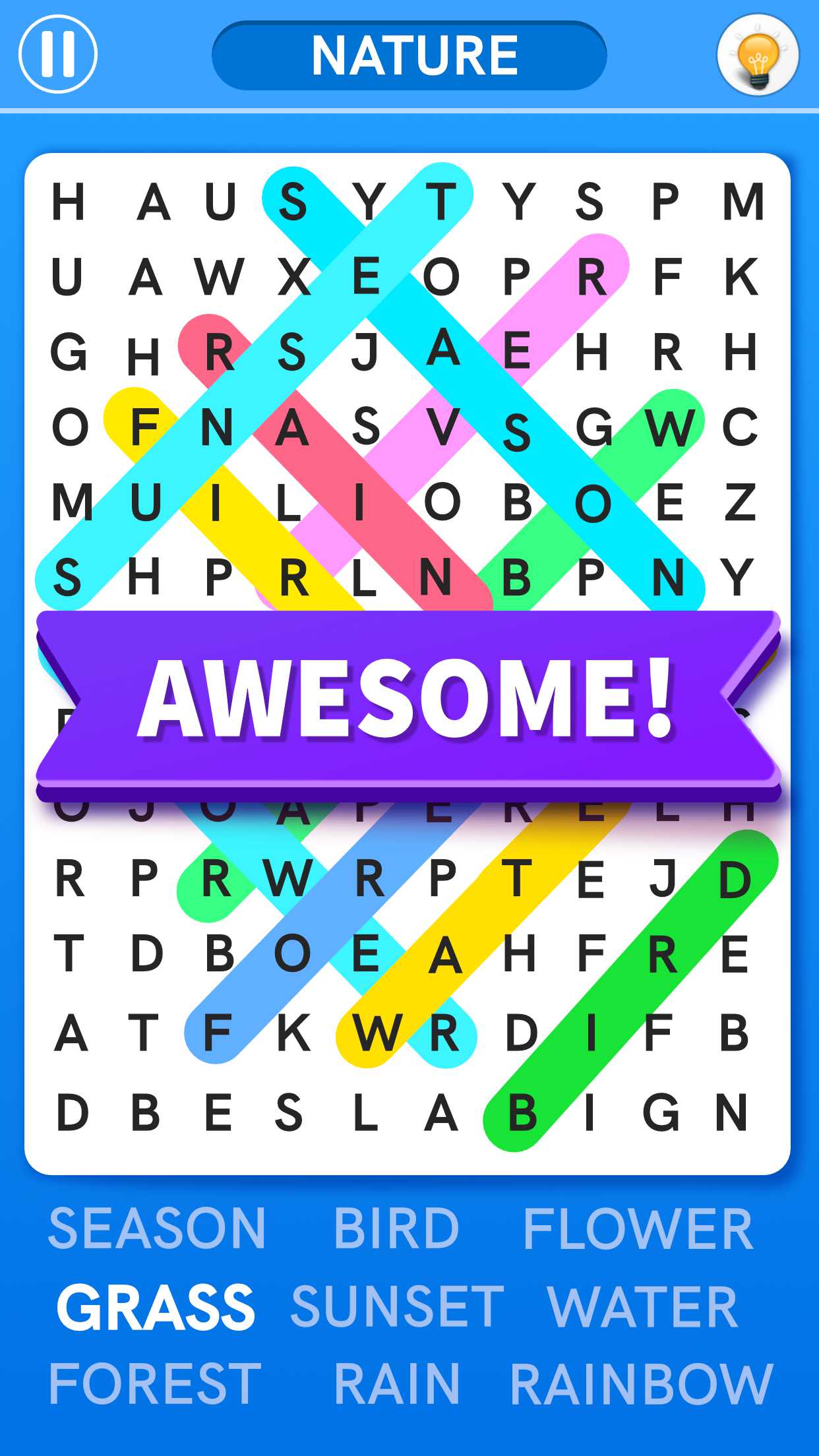
Enhancing Engagement With Free Find A Word Games
Incorporating Technology
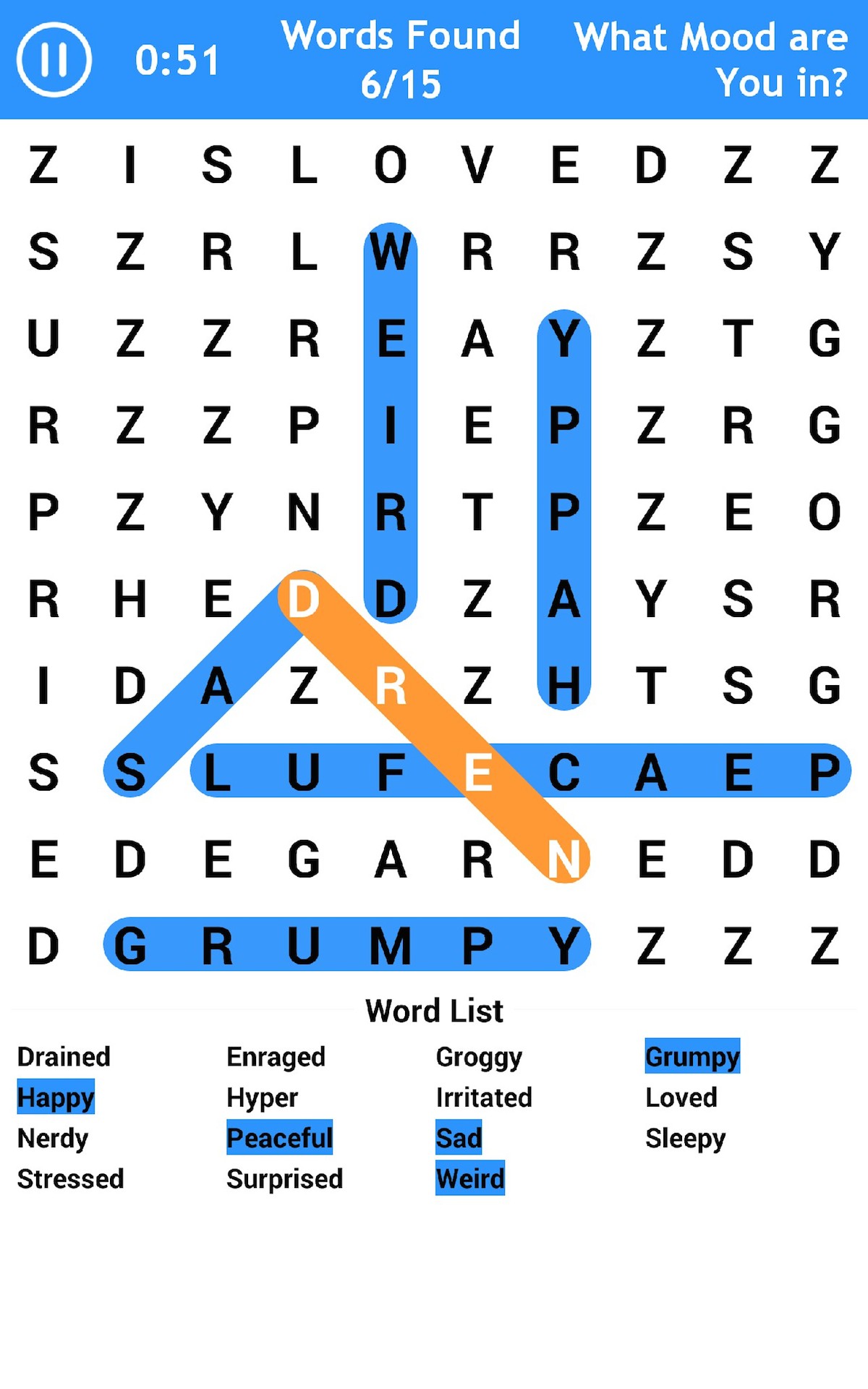
While traditional paper puzzles are effective, you can also consider digital versions of Free Find A Word Games. There are several apps and websites that offer interactive word searches. These can be particularly engaging for students who enjoy technology. You can use these digital puzzles as a supplement to the printed versions, allowing students to choose their preferred format.
Assessment and Tracking Progress
Using Free Find A Word Games can also serve as a way to assess your students’ vocabulary progress. After completing a puzzle, you can discuss the words found and their meanings. This can lead to valuable conversations about language usage and help you identify areas where students may need additional support.
Consider keeping a record of which puzzles each student completes and their performance. This tracking can help you gauge overall class proficiency and tailor future lessons to address any gaps in knowledge.