Reading Questions For 4th Graders
When looking to enhance comprehension skills in your classroom, effective reading questions can make all the difference. Reading Questions For 4th Graders not only help assess understanding but also prompt deeper thinking about the text. By incorporating these questions into your lesson plans, you can foster a more interactive and engaging reading environment. Here’s how to effectively use these questions in your classroom.
Understanding the Importance of Reading Questions
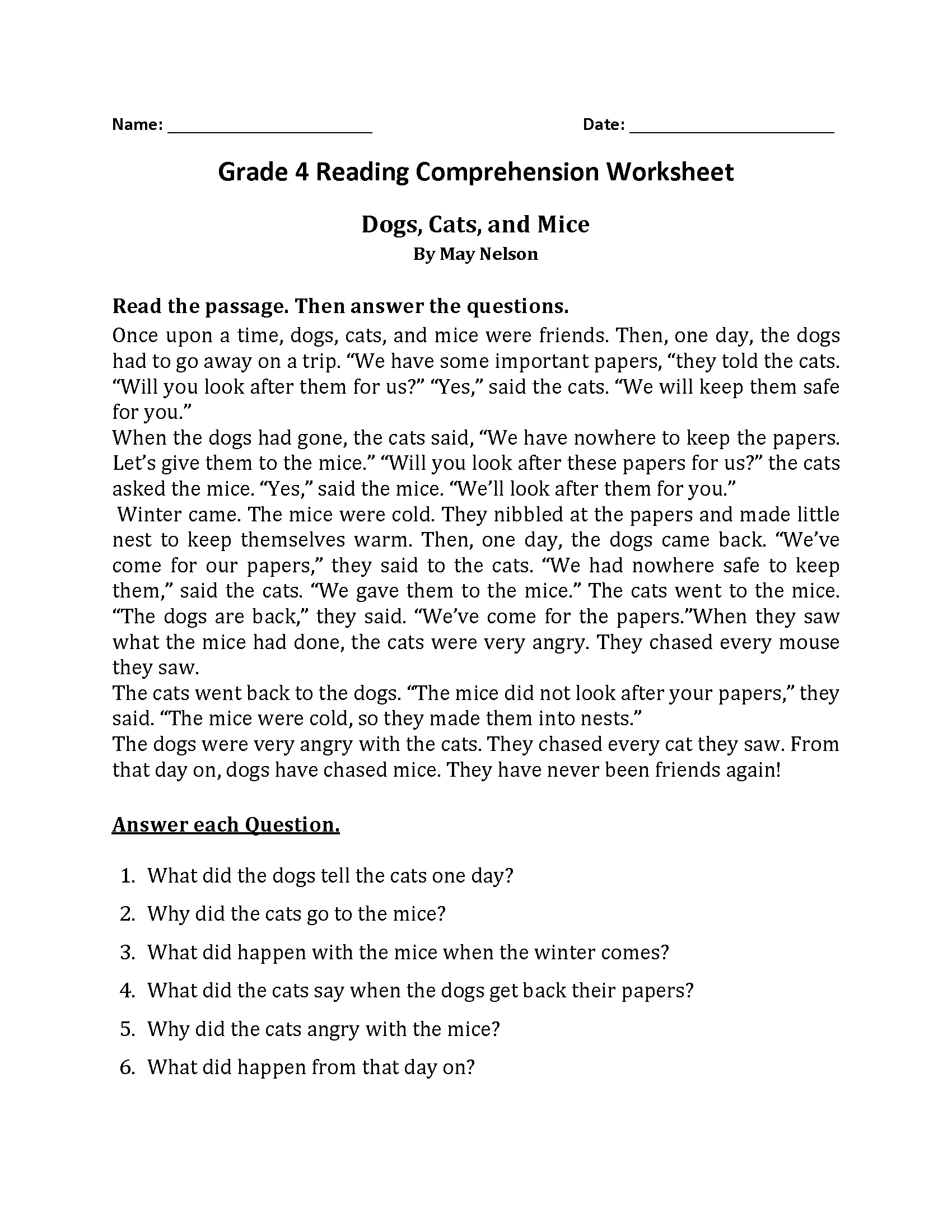
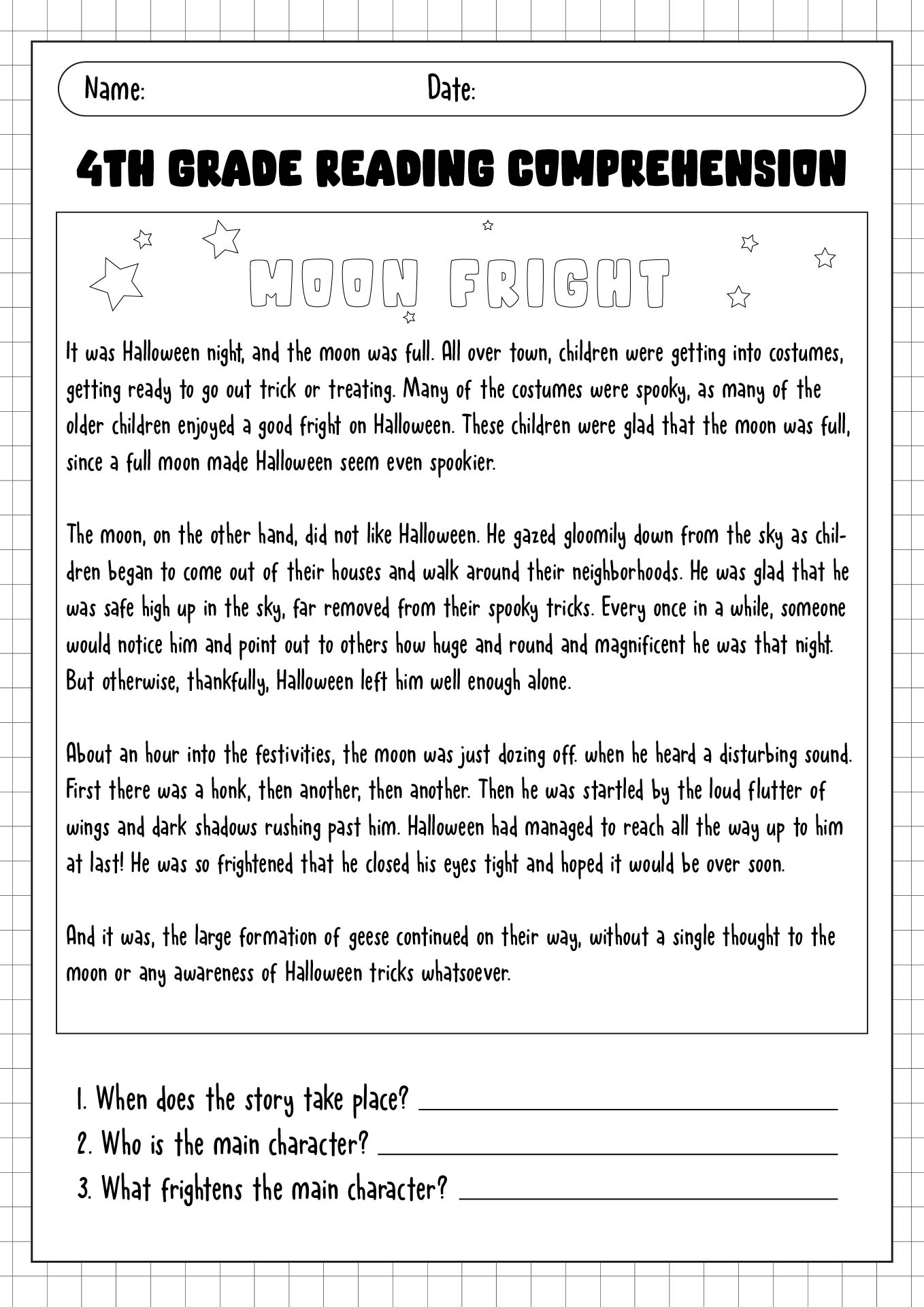
Reading questions are essential tools for teachers. They guide students to think critically about the material they are reading. For 4th graders, comprehension skills are still developing, and tailored questions can help bridge gaps in understanding. These questions encourage students to make connections between the text and their own experiences, enhancing their overall learning.
Using reading questions effectively can also help you identify areas where students may need additional support. When you see patterns in their responses, you can adjust your teaching strategies accordingly. This proactive approach not only benefits your students but also enriches your teaching practice.
Types of Reading Questions
There are various types of reading questions you can use to engage 4th graders. Here are some categories to consider:
- Literal Questions: These questions focus on the facts and details of the text. For example, “What is the main character’s name?” or “Where did the story take place?” These questions help students recall specific information.
- Inferential Questions: These require students to make inferences based on the text. Questions like “Why do you think the character felt sad?” or “What might happen next?” encourage deeper thinking.
- Evaluative Questions: These ask students to form opinions or make judgments about the text. For instance, “Do you agree with the character’s decision? Why or why not?” This type of questioning fosters critical thinking.
- Creative Questions: These questions allow students to express their creativity. For example, “If you could change the ending of the story, how would you do it?” Such questions can spark imagination and personal connections to the text.
Choosing the Right Questions
When selecting reading questions for your 4th graders, consider their reading level and the complexity of the text. You want your questions to be challenging yet accessible. A good practice is to start with literal questions to ensure comprehension, then gradually introduce inferential and evaluative questions as students gain confidence.
You can also tailor questions to specific texts. For instance, if you’re reading a story about a journey, you might ask, “What challenges did the character face along the way?” This not only checks for understanding but also connects students to the story’s themes.
Downloading Printable Reading Questions
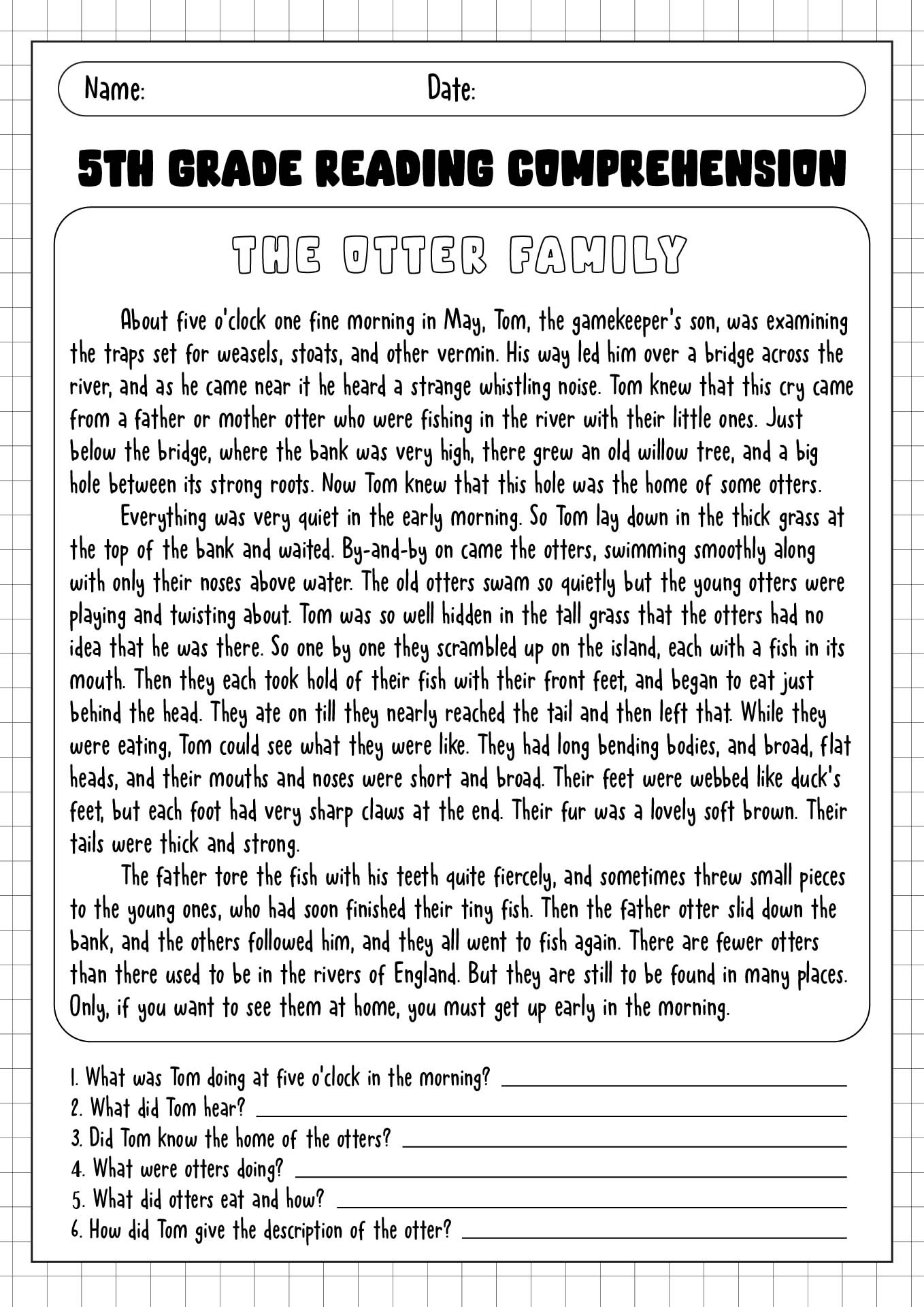
One of the best ways to facilitate the use of reading questions is to have them readily available in a printable format. Many resources offer downloadable reading question templates specifically designed for 4th graders. These templates often include a variety of questions categorized by type, making it easy to choose the right ones for your lesson.
When downloading these resources, look for formats that are easy to print, such as PDF files. This ensures that you won’t run into formatting issues when printing. Here are a few tips for printing:
- Use standard paper sizes: Most printable resources are designed for letter-sized paper (8.5 x 11 inches), which works well with most printers.
- Check your printer settings: Make sure your printer is set to print in portrait orientation, as this is the most common layout for worksheets.
- Consider cardstock for durability: If you plan to reuse the questions, printing on cardstock can help them withstand wear and tear.
Implementing Questions in the Classroom
Once you have your reading questions printed, it’s time to implement them in your classroom. Here’s a step-by-step approach to using them effectively:
- Introduce the Text: Before diving into questions, give students some background information about the text they’ll be reading. This sets the stage for what they will encounter.
- Read Aloud: Consider reading the text aloud to the class. This can help students who may struggle with reading fluency or comprehension.
- Facilitate Discussion: After reading, use your prepared questions to facilitate a discussion. Encourage students to share their thoughts and responses. This not only promotes engagement but also helps students learn from one another.
- Group Activities: Break students into small groups and assign each group a different set of questions. After they discuss, each group can present their answers to the class. This encourages collaboration and critical thinking.
- Reflection: After the discussion, have students write a short reflection on what they learned. This can reinforce comprehension and allow them to process their thoughts.
Enhancing Comprehension Beyond Questions
While reading questions are a powerful tool, consider integrating other activities to reinforce comprehension. Here are a few ideas:
- Graphic Organizers: Use graphic organizers to help students visualize the story elements, such as character traits, settings, and plot points. This can aid in understanding and retention.
- Vocabulary Building: Introduce key vocabulary words from the text before reading. This ensures students understand essential terms and can engage more deeply with the content.
- Creative Projects: Encourage students to create a project based on the text, such as a diorama or a character diary. This taps into different learning styles and keeps students motivated.
- Cross-Curricular Connections: Link reading material to subjects like science or social studies. For instance, if a story involves animals, you might incorporate a lesson on animal habitats.
By utilizing these strategies, you not only make reading more enjoyable but also help your students develop a lifelong love for literature.
In summary, effective Reading Questions For 4th Graders can significantly enhance students’ comprehension skills. By understanding the types of questions, selecting appropriate ones, and implementing them thoughtfully in your classroom, you create an engaging and enriching learning environment. Don’t forget to explore downloadable resources that can simplify your preparation process and allow for immediate use in your lessons.