Writing Assignments For 4th Graders
Writing assignments for 4th graders can be a powerful tool in developing their writing skills while also sparking their creativity. These assignments can range from simple prompts to more structured projects, allowing students to express their thoughts and ideas in various formats. When you have the right resources at your fingertips, you can easily track their progress and ensure they are meeting educational goals.
Types of Writing Assignments
Understanding the different types of writing assignments available can help you choose the best fit for your students. Here are some options you might consider:
- Creative Writing Prompts: These assignments encourage students to use their imagination. For example, a prompt like “What would happen if animals could talk?” can lead to fun and engaging stories.
- Descriptive Writing: Assignments that ask students to describe a favorite place or person can help them focus on using vivid language and sensory details.
- Persuasive Writing: Teaching students how to build an argument is essential. Assignments where they write a letter to a school principal about a change they want to see can be both relevant and motivational.
- Narrative Writing: Encouraging students to write about a personal experience helps them connect with their writing on a deeper level. This could be a memorable family vacation or a challenging situation they overcame.
- Research-Based Writing: Assignments that require students to research a topic and present their findings can help develop their analytical skills. For instance, writing a report on a historical figure can align with social studies lessons.
Each of these assignment types serves a different purpose and can be adapted to fit your classroom’s needs.
Structuring the Assignments
When it comes to structuring writing assignments for 4th graders, clarity is key. Here are some elements to consider:
- Clear Instructions: Ensure that students understand what is expected of them. Use simple language and break down complex tasks into manageable steps.
- Formatting Guidelines: Specify how you want the assignments presented. Should they be handwritten or typed? What font size is appropriate? This helps students focus on content rather than formatting issues.
- Word Count: Providing a word count can help students gauge the length of their writing. For 4th graders, assignments might range from 100 to 300 words, depending on the type.
- Submission Criteria: Clearly outline how and when assignments should be submitted. This might include deadlines and whether they should be turned in physically or electronically.
By providing a structured approach, you can minimize confusion and help students feel more confident in their writing abilities.
Tracking Progress
Tracking student progress in writing is essential for understanding their development and areas needing improvement. Here are some effective methods to consider:
- Rubrics: Develop clear rubrics that outline the criteria for grading. This can include aspects like creativity, organization, grammar, and adherence to the assignment prompt. Sharing the rubric with students beforehand can guide their writing.
- Writing Journals: Encourage students to keep a writing journal where they can regularly practice writing. This allows you to monitor their progress over time and see how their writing evolves.
- Peer Review: Incorporating peer review sessions can provide students with different perspectives on their work. They can exchange feedback and learn from each other’s writing styles.
- One-on-One Conferences: Schedule individual meetings with students to discuss their writing. This personalized attention can help identify specific challenges and celebrate their achievements.
These tracking methods help create a supportive environment where students feel motivated to improve.
Engaging Resources for Writing Assignments
Having the right resources can enhance the writing experience for both you and your students. Here are some printable resources that can make a significant difference:
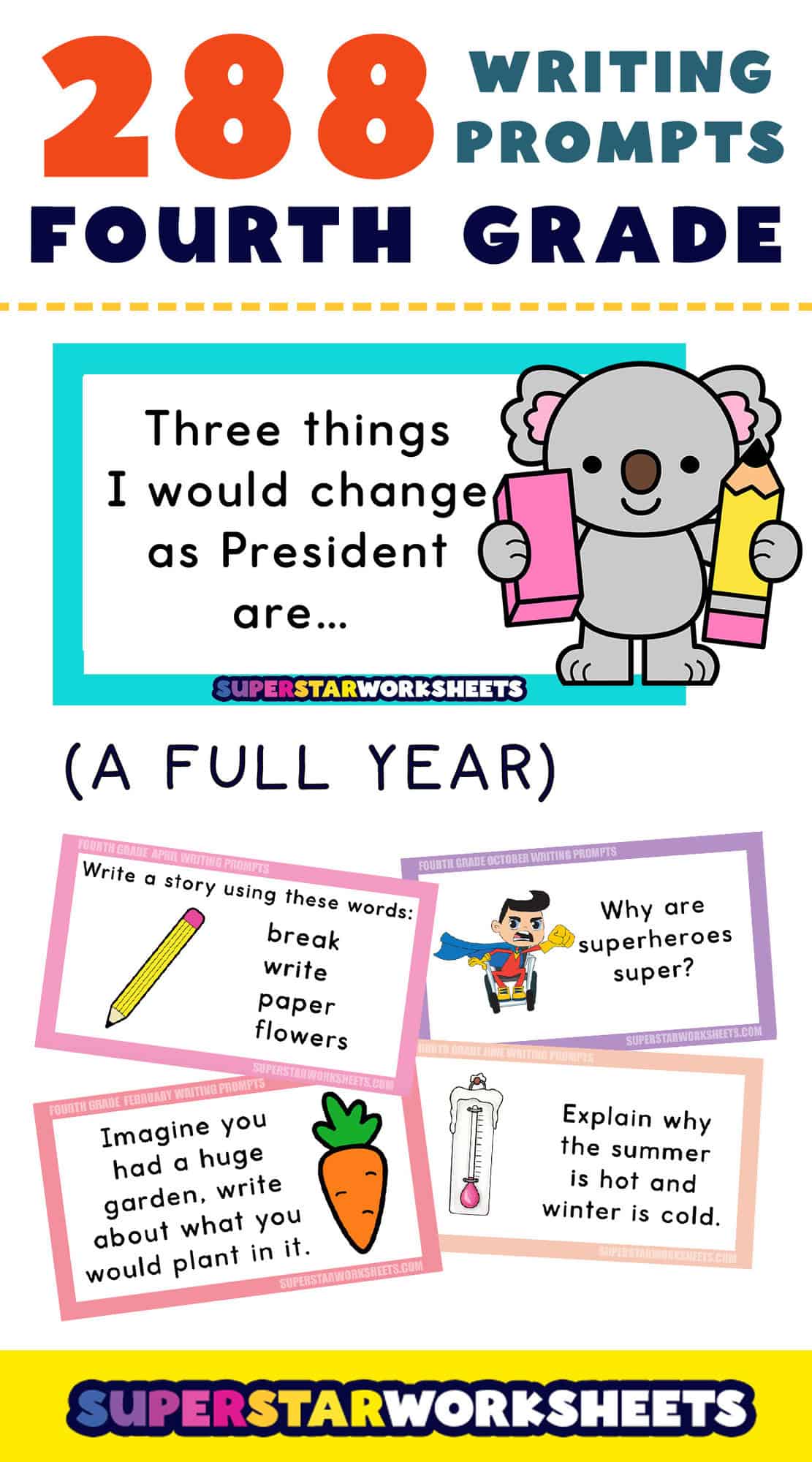
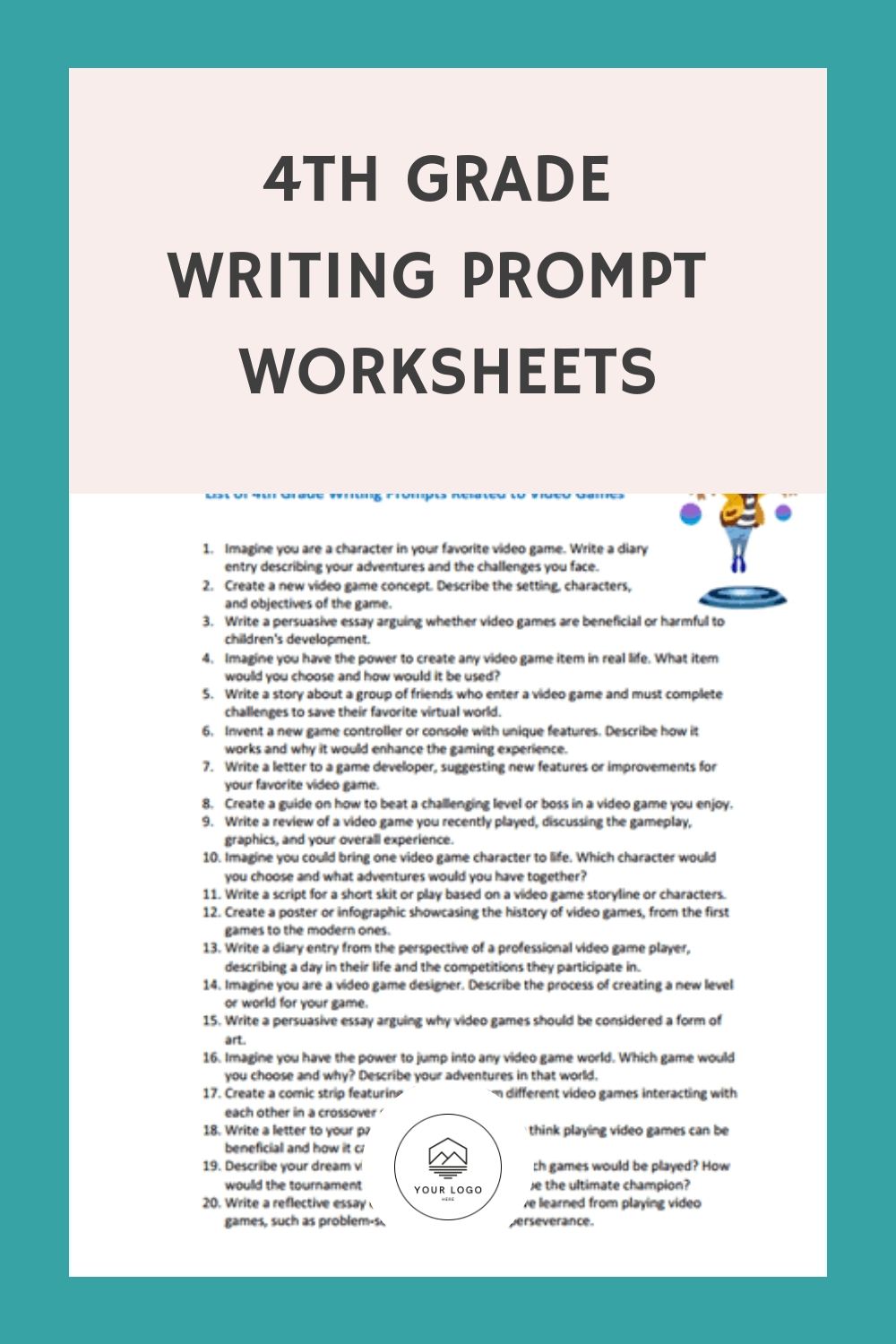
- Printable Writing Prompts: A collection of prompts that students can choose from can ignite their creativity. Look for templates that are visually appealing and age-appropriate.
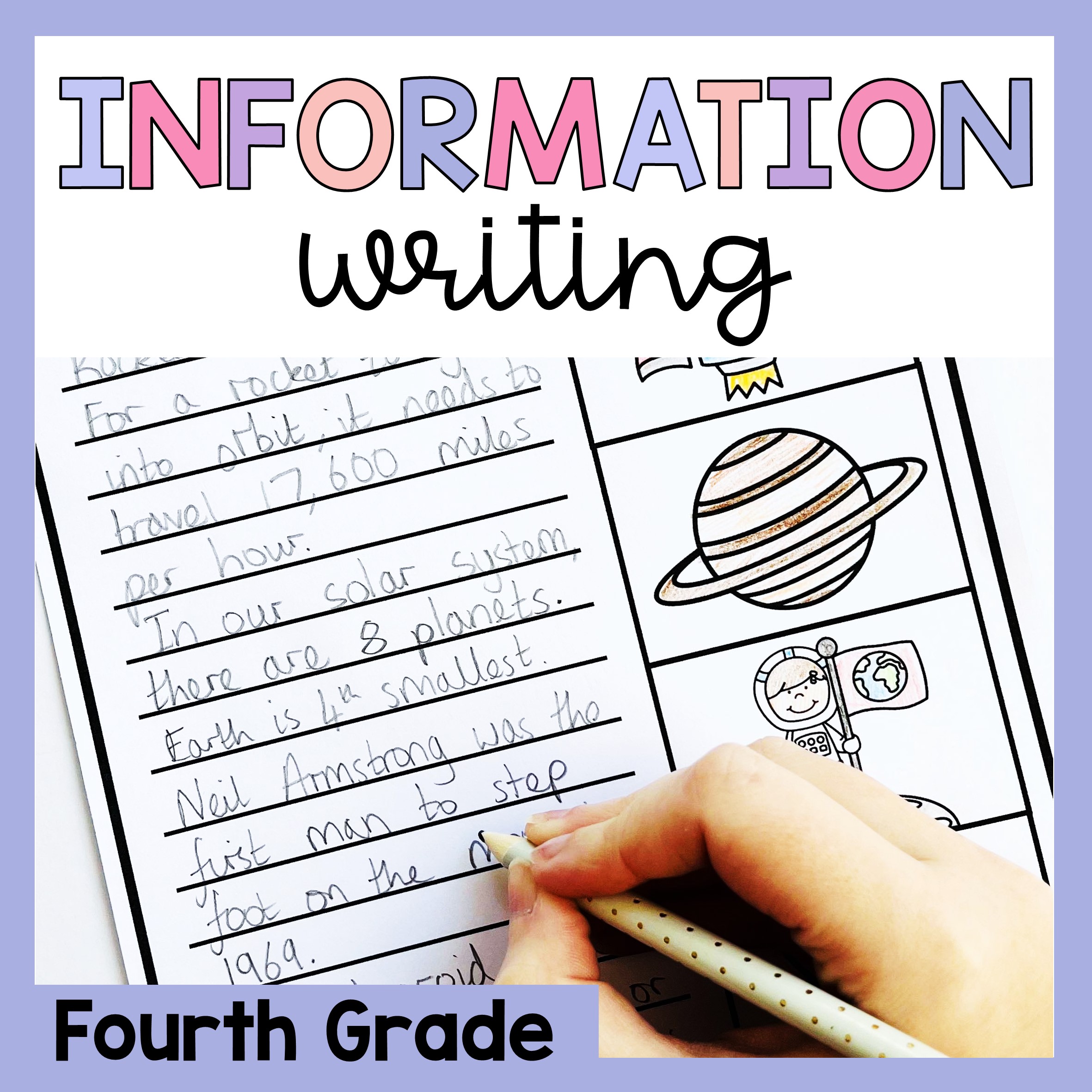
- Writing Worksheets: Worksheets that guide students through the writing process, such as brainstorming, drafting, and revising, can be invaluable. They often include space for outlining and drafting, making it easier for students to organize their thoughts.
- Graphic Organizers: These tools help students visualize their ideas and structure their writing. For instance, a story map can assist in planning a narrative piece.
- Checklists: Providing a writing checklist can help students remember to include essential elements in their writing, such as a clear beginning, middle, and end.
Having these resources readily available can make your lesson planning smoother and more effective.
Tips for Successful Implementation
To ensure your writing assignments for 4th graders are both engaging and educational, consider these practical tips:
- Incorporate Technology: If possible, allow students to use word processing software for their assignments. This can help them become more comfortable with digital writing tools. You might also explore online platforms where students can publish their work.
- Connect to Other Subjects: Integrating writing assignments with other subjects can make them more relevant. For example, a science project could culminate in a report or a persuasive letter advocating for environmental protection.
- Celebrate Writing: Create opportunities for students to share their work with peers or parents. This could be through a classroom newsletter, a bulletin board display, or a writing showcase event.
- Be Flexible: Remember that students have different writing abilities and interests. Allow for flexibility in assignments, and be open to adjusting them based on student feedback.
Using these tips can help create a dynamic writing environment that fosters growth and enthusiasm.
By focusing on structured, engaging writing assignments for 4th graders, you can enhance their writing skills and encourage a love for storytelling. The right resources and tracking methods will not only support their learning journey but also make your teaching experience more fulfilling. One specific detail to keep in mind is that using colorful and engaging templates for prompts can significantly increase student interest and participation in writing activities.