Look Up A Dictionary For Words
When you need to look up a dictionary for words, having the right resources and methods can make all the difference. A well-organized dictionary resource helps students expand their vocabulary effectively. Whether you’re teaching elementary students or high schoolers, understanding how to utilize dictionaries can enhance their learning experience. In this guide, you’ll find step-by-step instructions on how to integrate dictionary use in your teaching practice.
Choosing the Right Dictionary Format
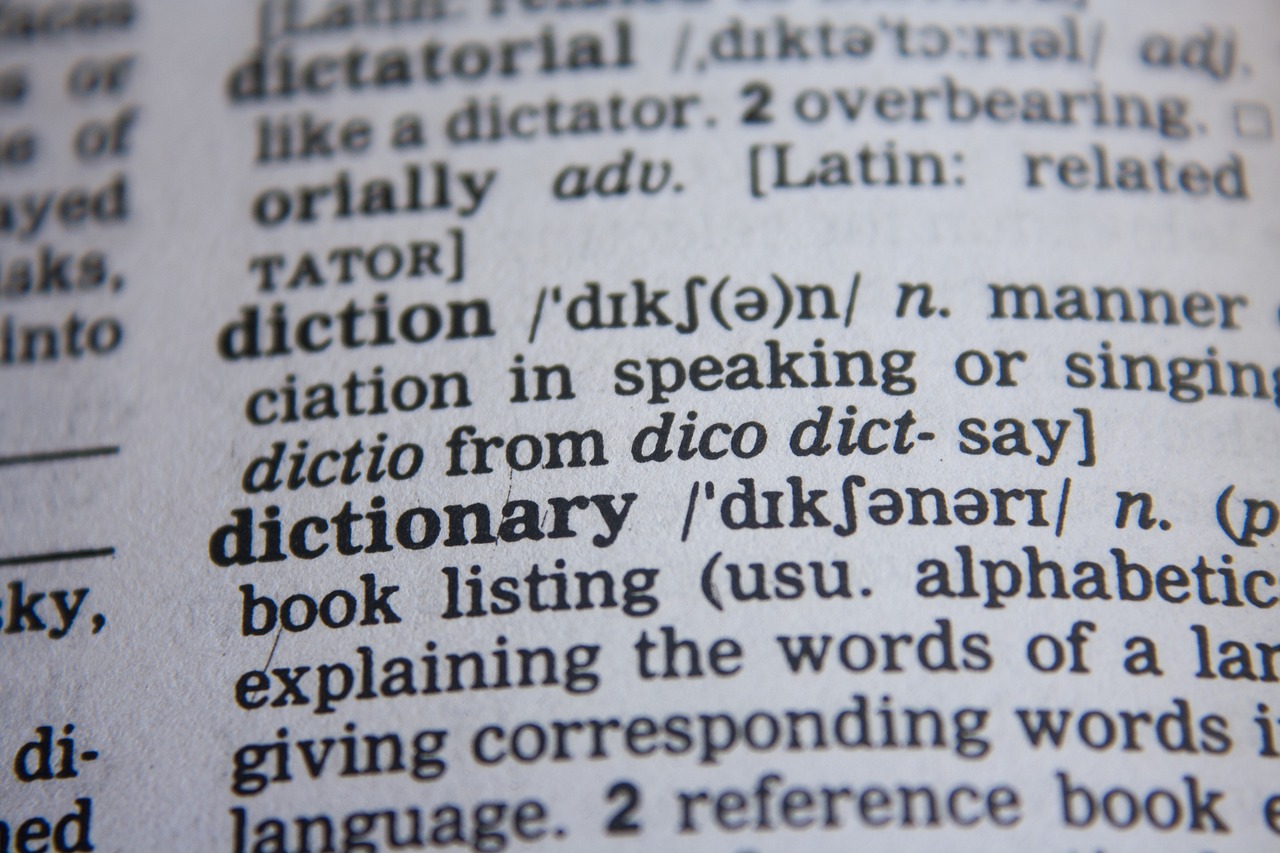
The first step in looking up words effectively is selecting the right dictionary format. There are various options available, including:
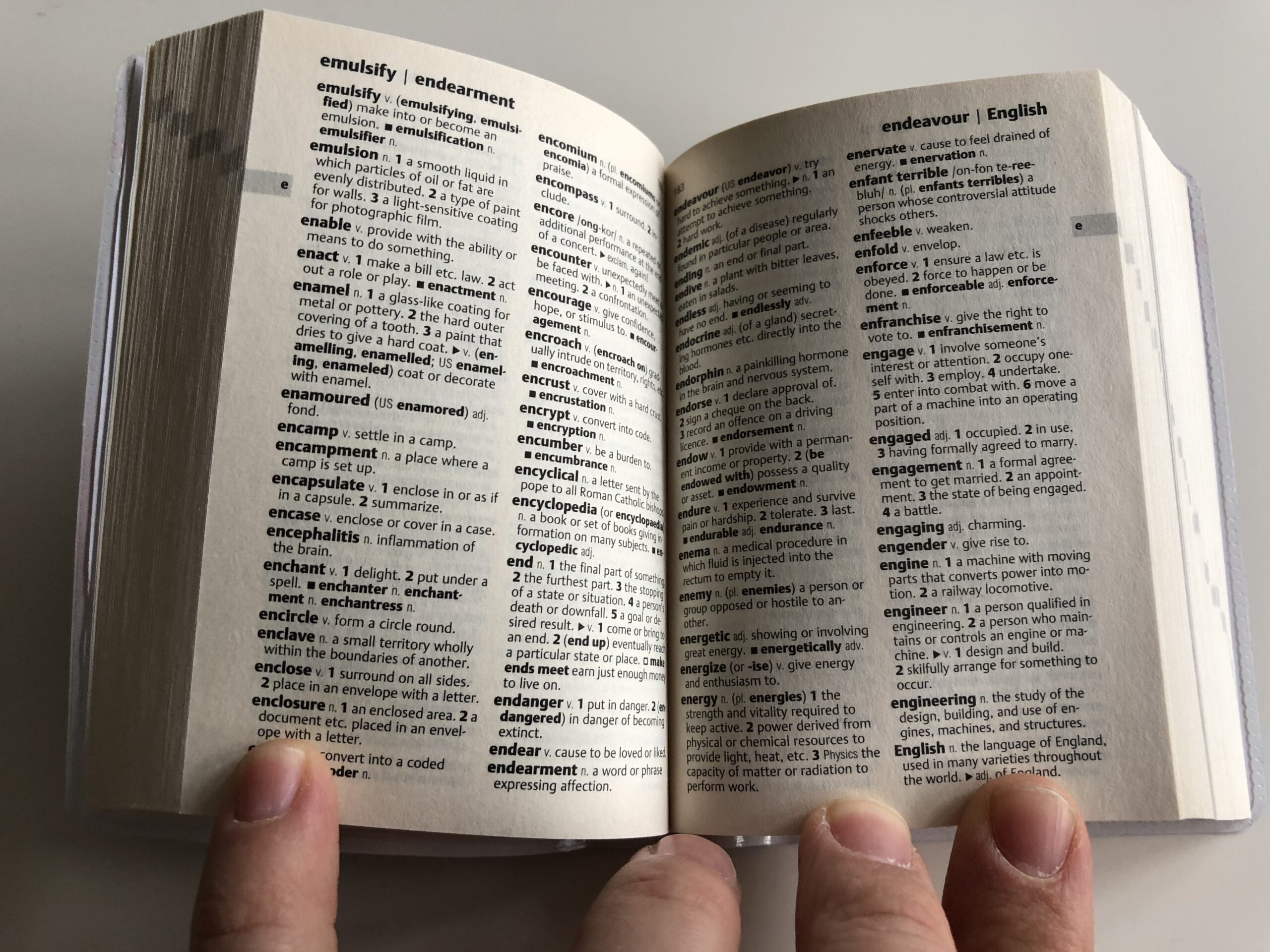
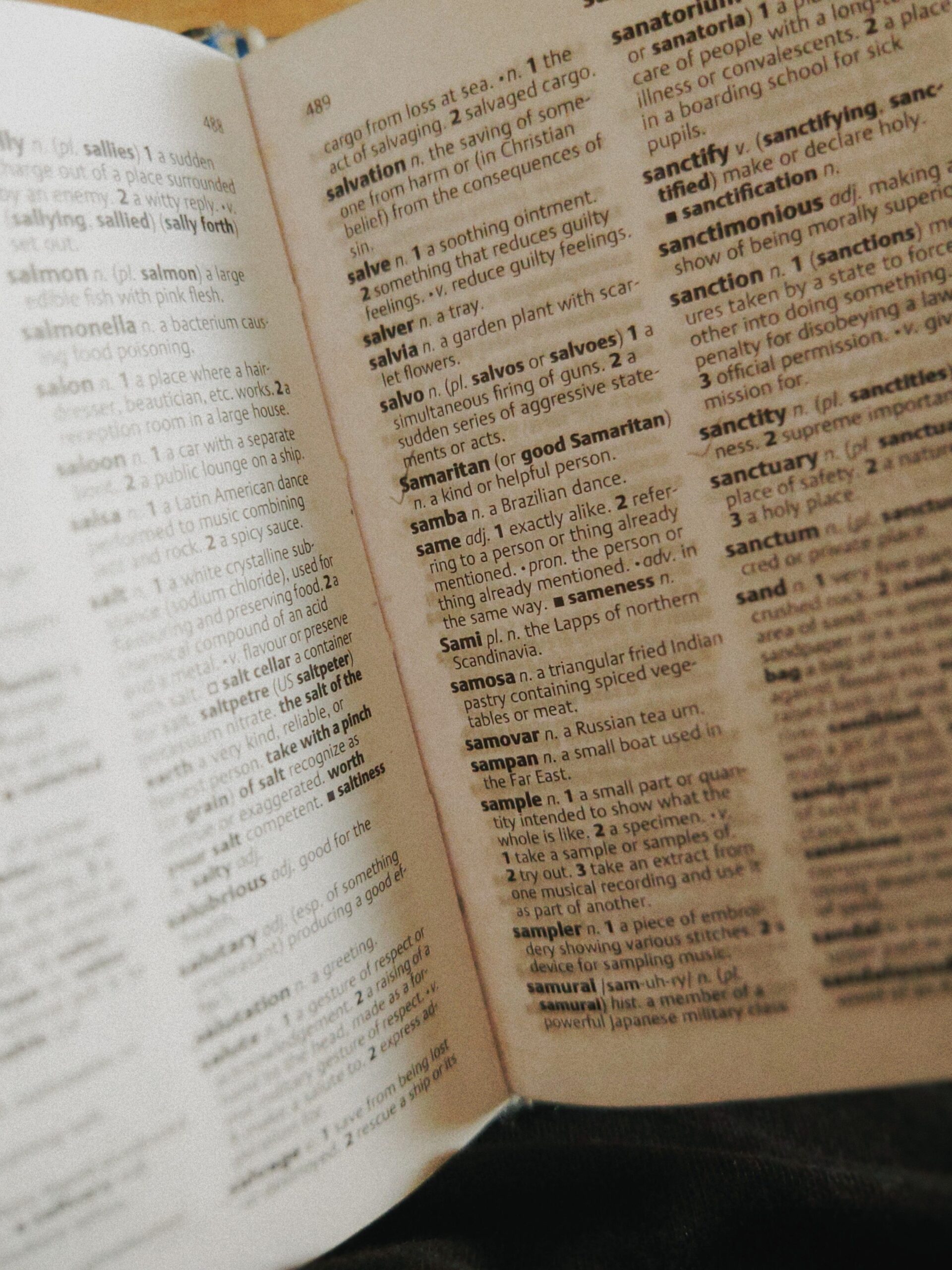
- Print Dictionaries: These are traditional and can be beneficial for tactile learners. They often contain more detailed explanations and illustrations.
- Online Dictionaries: Websites like Merriam-Webster and Oxford offer quick access to definitions, synonyms, and antonyms. They are especially useful for students who are already tech-savvy.
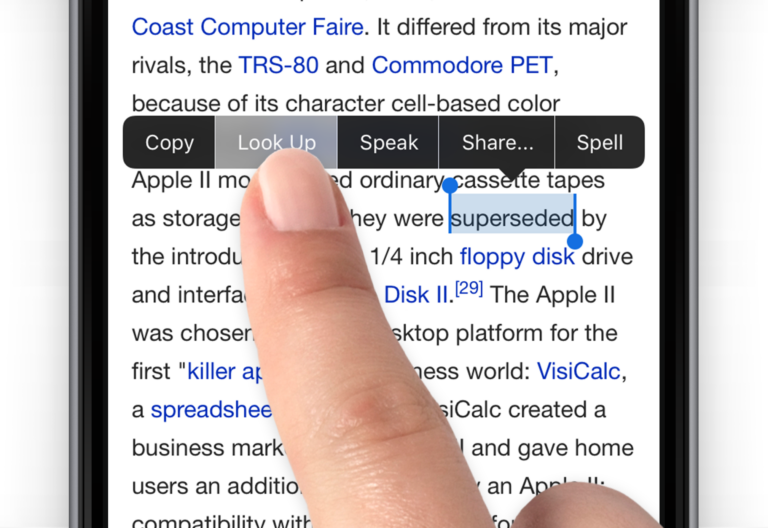
- Dictionary Apps: Mobile apps provide convenience and portability, allowing students to look up words on-the-go. Many apps even include audio pronunciations.
Choosing the right format depends on your students’ needs and the context in which they will be using the dictionary. For younger students, print dictionaries may be more engaging, while older students might prefer the convenience of online resources.
Downloading and Printing Dictionary Resources
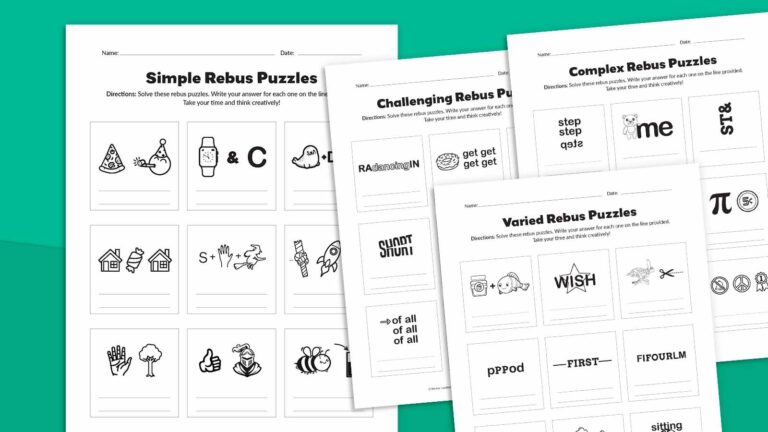
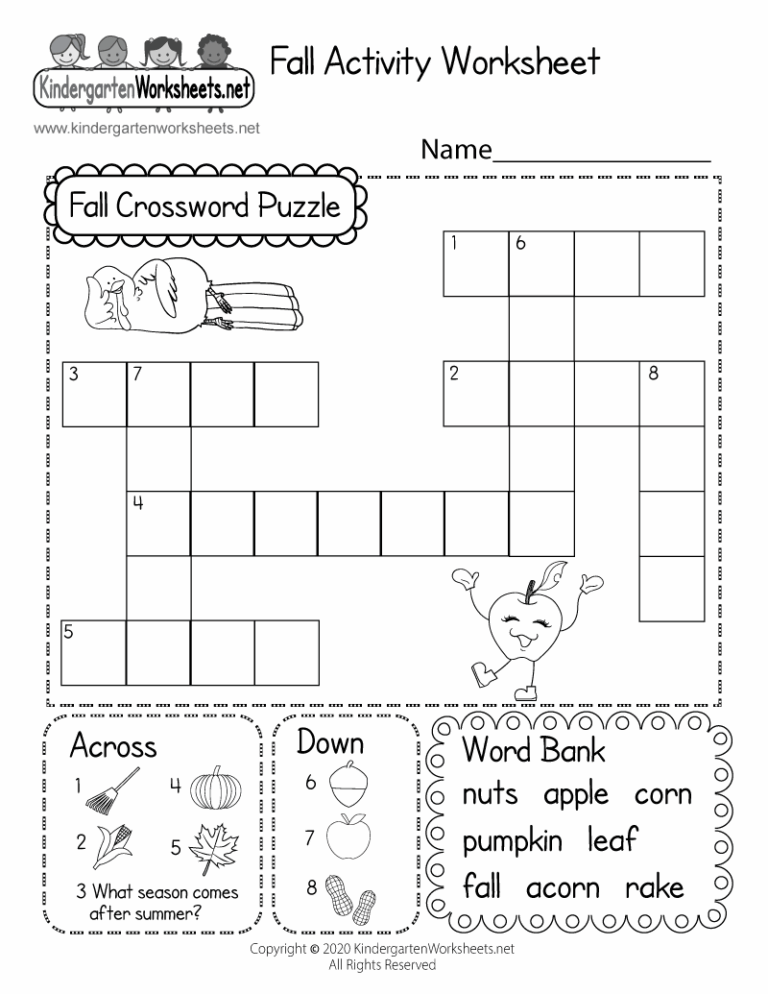
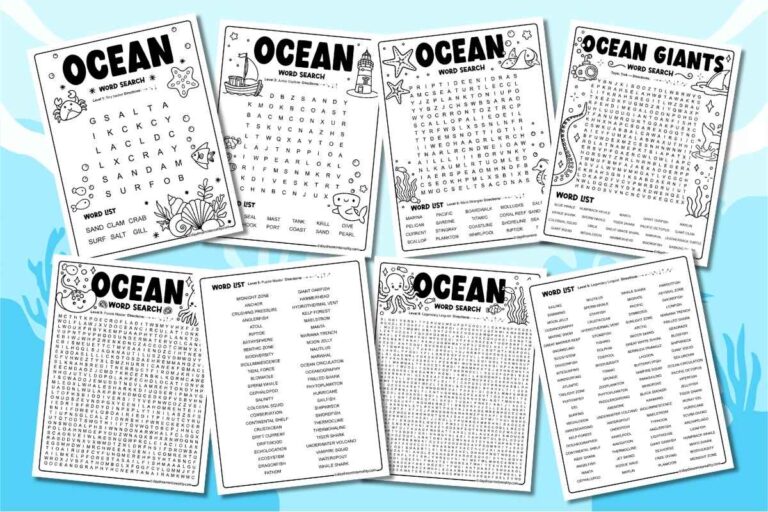
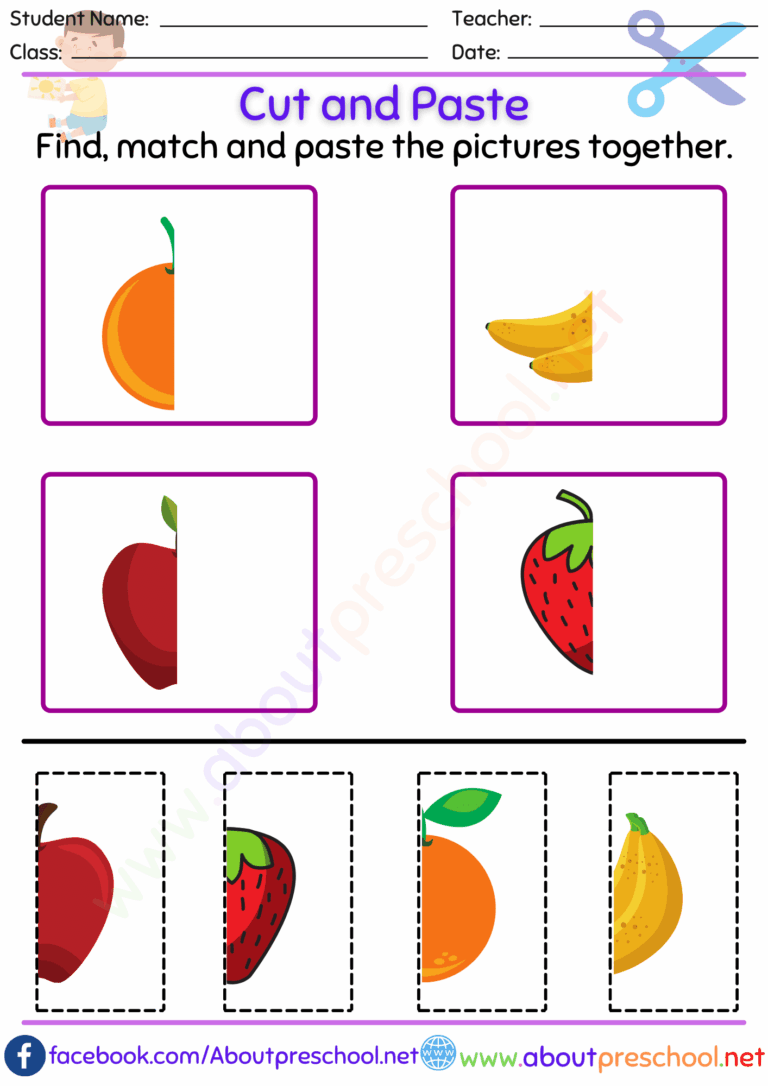
Once you’ve selected the appropriate dictionary format, the next step is to download and print any supplemental resources you may need. Many educational websites offer printable dictionary worksheets and guides to help students learn how to use a dictionary effectively. Here’s how to get started:
- Search for Printable Resources: Use terms like “printable dictionary worksheets” or “dictionary skills activities” to find relevant resources. Websites that specialize in educational materials often have a variety of options.
- Choose a Resource: Look for resources that are suitable for your grade level. For example, worksheets designed for younger students might focus on simpler words and definitions, while those for older students might include exercises on synonyms and antonyms.
- Download the Files: Most resources will be available in PDF format, which is ideal for printing without any formatting issues. Make sure to check the file size and content before downloading.
- Print the Worksheets: Use standard letter-sized paper (8.5 x 11 inches) for most worksheets. If a resource is intended for multiple uses, consider printing on cardstock for durability.
By having these resources printed and readily available, you’ll make it easier for students to practice their dictionary skills.
Setting Up Dictionary Exercises
With your resources in hand, it’s time to integrate dictionary exercises into your lesson plans. Here are a few practical ideas to get you started:
Vocabulary Building Activities
- Word of the Day: Choose a word each day for students to look up in their dictionaries. They can write the definition, use it in a sentence, and share it with the class.
- Synonym and Antonym Hunt: Have students find synonyms and antonyms for a list of words. This helps them understand word relationships and enhances their vocabulary.
- Dictionary Scavenger Hunt: Create a list of words for students to find in their dictionaries. This can include words of varying difficulty to accommodate different skill levels.
Group Work
Encourage collaborative learning by forming small groups where students can work together to look up words. This promotes discussion and allows students to help each other understand the usage and meaning of words.
Encouraging Independent Dictionary Use
As students become more comfortable using dictionaries, encourage them to use these tools independently. Here are some strategies:
- Assign Homework: Give students tasks where they must look up definitions or find words in their dictionaries. This reinforces the habit of using dictionaries outside the classroom.
- Create a Dictionary Reference Guide: Help students compile a personal reference guide with words they frequently look up. This can serve as a quick reference tool and promote further exploration of vocabulary.
- Incorporate Technology: For older students, encourage the use of online dictionaries and apps as part of their daily routine. Show them how to find reliable sources, and discuss the benefits and limitations of different formats.
Assessing Dictionary Skills
To ensure students are effectively using dictionaries, consider assessing their skills through practical exercises. Here are some assessment ideas:
- Quizzes: Create quizzes that require students to define words using their dictionaries. This helps reinforce their understanding of how to extract information from this resource.
- Written Assignments: Assign essays or reports that require students to use specific vocabulary words they’ve looked up. This not only assesses their dictionary skills but also their ability to integrate new vocabulary into their writing.
- Peer Reviews: Encourage students to exchange their work and provide feedback on word usage. This peer review process can help them see how others use dictionaries effectively.
By focusing on these practical steps, you can empower your students to look up a dictionary for words confidently. Teaching effective dictionary skills not only improves vocabulary but also fosters independent learning.
Using dictionaries is an essential skill for students, and with the right resources and methods, you can help them master this tool. Remember, the goal is to make dictionary use an integral part of their learning experience, one that they can rely on throughout their education. One specific tip to keep in mind: always encourage students to check multiple definitions if they encounter a word with multiple meanings, as context can dramatically change its use.