Preschool Cut And Paste Activities
Preschool Cut And Paste Activities are an excellent way to engage young learners in a hands-on manner while developing essential fine motor skills. These activities not only encourage creativity but also help children understand spatial relationships and improve their hand-eye coordination. In this article, we’ll explore various types of cut and paste activities, their benefits, and how to effectively implement them in your preschool classroom.
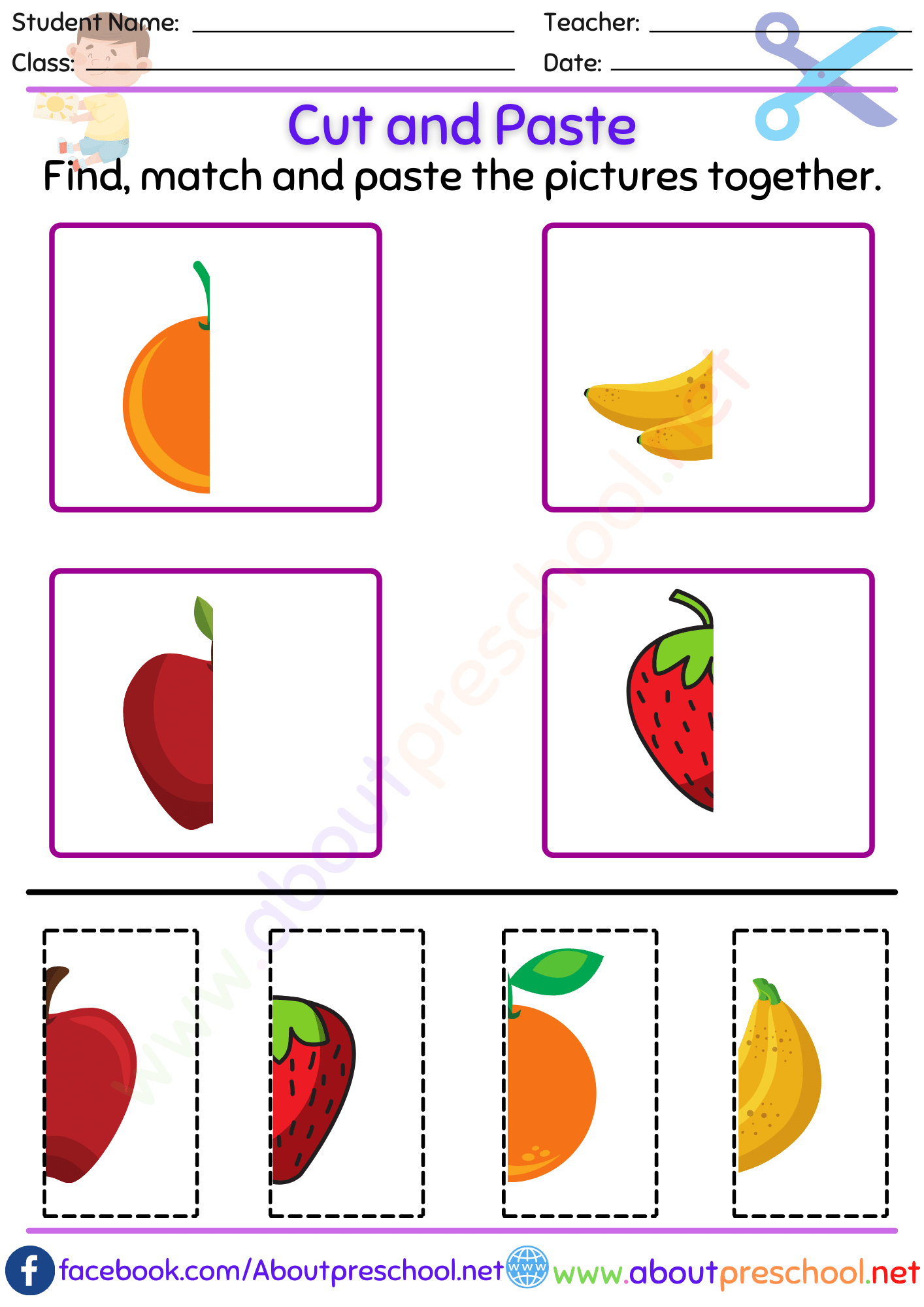
Understanding the Benefits of Cut and Paste Activities
Cut and paste activities serve multiple educational purposes. They are particularly beneficial for preschool-aged children, as they:
- Enhance Fine Motor Skills: The act of cutting with scissors and gluing pieces helps strengthen the small muscles in the hands and fingers, crucial for tasks like writing and drawing later on.
- Foster Creativity: These activities allow children to express their creativity by choosing how to arrange and decorate their projects.
- Promote Cognitive Development: As children decide what shapes to cut out and where to place them, they engage in problem-solving and critical thinking.
By incorporating Preschool Cut And Paste Activities into your lesson plans, you can create a dynamic learning environment that caters to various developmental needs.
Types of Preschool Cut and Paste Activities
There are numerous types of cut and paste activities that you can easily implement in your preschool curriculum. Here are a few popular options:
Themed Collages
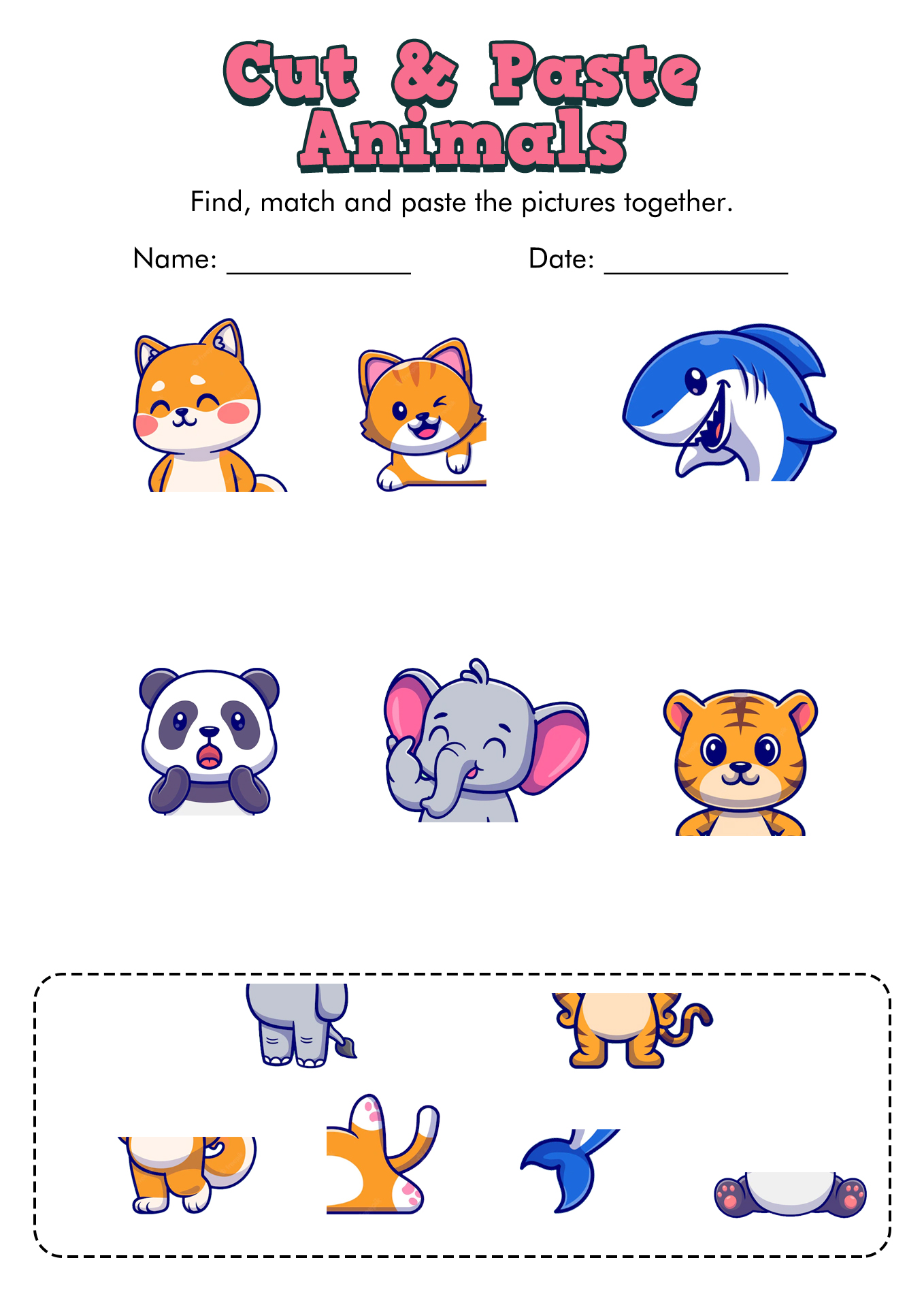
Themed collages are a fantastic way to incorporate various subjects into one activity. You can create collages based on themes like seasons, animals, or even specific stories. For example, if you’re focusing on a farm theme, provide children with pictures of farm animals, barns, and crops to cut out and arrange on their paper.
Shape Sorting
Shape sorting activities involve providing children with different shapes to cut out and then paste onto a designated space based on their categories. For instance, you might have a section for circles, squares, and triangles. This helps children identify and differentiate between shapes while practicing their cutting and gluing skills.
Story Sequencing
In story sequencing activities, children can cut out images that represent different parts of a story and then paste them in the correct order. This not only reinforces comprehension skills but also encourages them to think critically about plot development. You can use familiar stories or create your own simple narratives for this activity.
Seasonal Crafts
Seasonal crafts can be tailored to fit holidays or changes in weather. For instance, during autumn, children can cut out leaves and pumpkins to create a festive collage. These activities help to connect the children’s learning with the world around them and make learning relevant.
Preparing for Cut and Paste Activities
Preparation is key to ensuring that your cut and paste activities run smoothly. Here are some practical tips:
- Gather Materials: Ensure you have plenty of materials on hand, including kid-safe scissors, glue sticks, colored paper, and pre-printed templates. If you’re using templates, consider offering them in PDF format for easy printing.
- Set Up a Clean Workspace: Create a designated area for the activity where children can easily access supplies without distractions. A clean, organized space helps maintain focus and minimizes mess.
- Demonstrate Techniques: Before starting the activity, demonstrate how to safely use scissors and apply glue. This not only teaches proper techniques but also builds confidence among the learners.
Tips for Implementing Cut and Paste Activities
When it comes to executing cut and paste activities, there are several strategies that can enhance the experience for both you and the children:
- Start with Simple Shapes: Begin with basic shapes for younger children to master the cutting technique before introducing more complex designs.
- Encourage Independent Choices: Allow children to decide how they want to arrange their cut pieces. This fosters independence and self-expression.
- Incorporate Movement: To keep children engaged, consider incorporating movement breaks between cutting and pasting. For example, you can have them hop to their next station or do a quick stretching exercise.
- Display Finished Projects: Create a gallery wall to showcase the children’s work. This not only boosts their confidence but also encourages them to take pride in their creations.
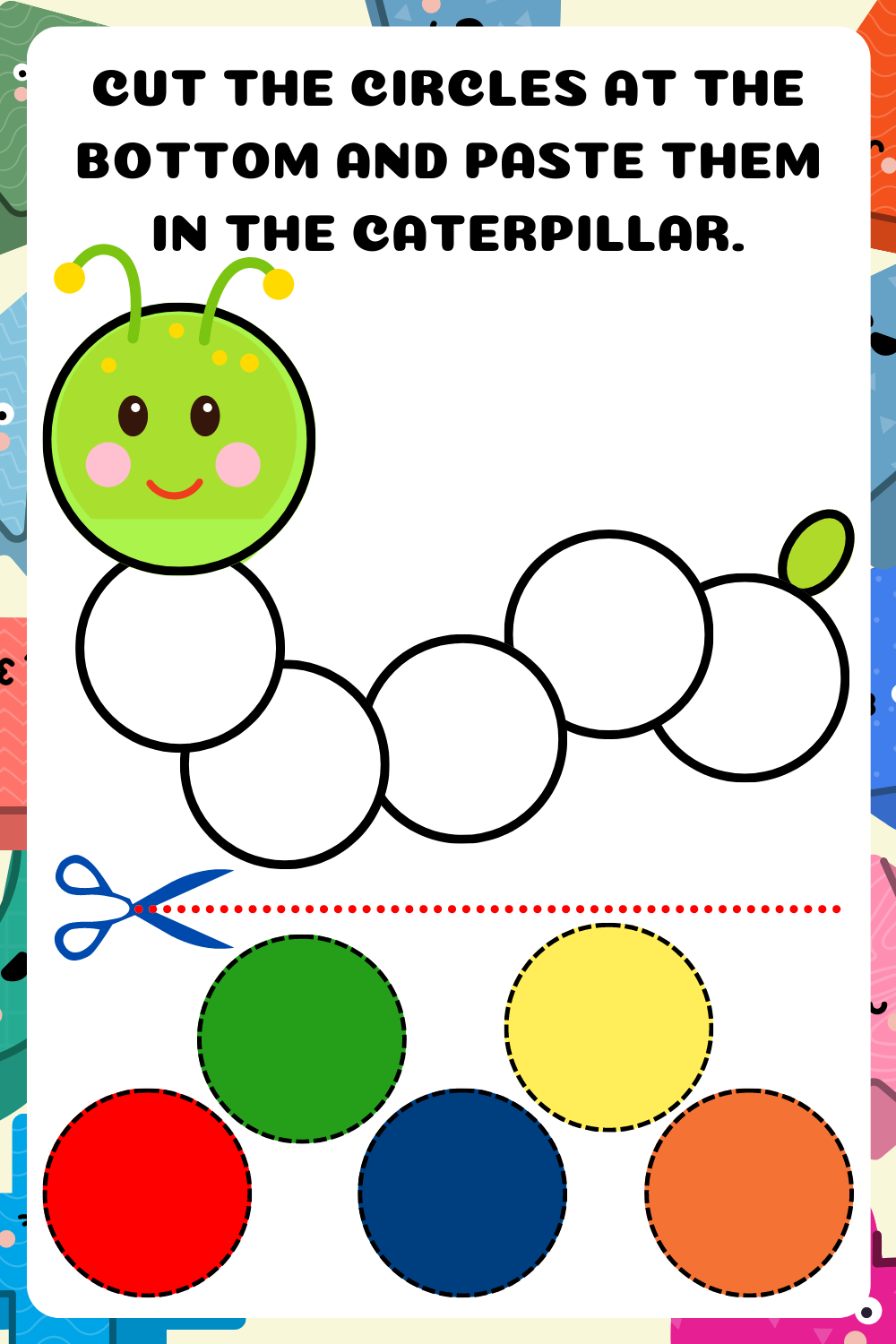
Resources for Downloading Preschool Cut and Paste Activities
To make your life easier, there are many online resources where you can find printable templates and worksheets for cut and paste activities. Look for websites that specialize in educational materials for preschool teachers. These sites often provide free or low-cost downloadable resources that can be printed at home or at school.
When downloading these resources, consider the following:
- Check File Formats: Most printable resources are available in PDF format, which preserves layout and design when printed. This format also typically avoids reformatting issues that image files might have.
- Select Age-Appropriate Materials: Ensure that the activities match the developmental level of your students. Look for templates specifically designed for preschoolers to ensure engagement and appropriate challenge.
- Print Options: Use portrait layout for standard printing, and consider cardstock if you plan to laminate the activities for durability. This is particularly useful for activities that will be reused.
By utilizing these tips and resources, you can effectively incorporate Preschool Cut And Paste Activities into your teaching repertoire. These activities not only promote fine motor skills but also provide a fun, creative way for children to learn and explore. Start by downloading a few templates today and watch your classroom come alive with creativity and engagement!