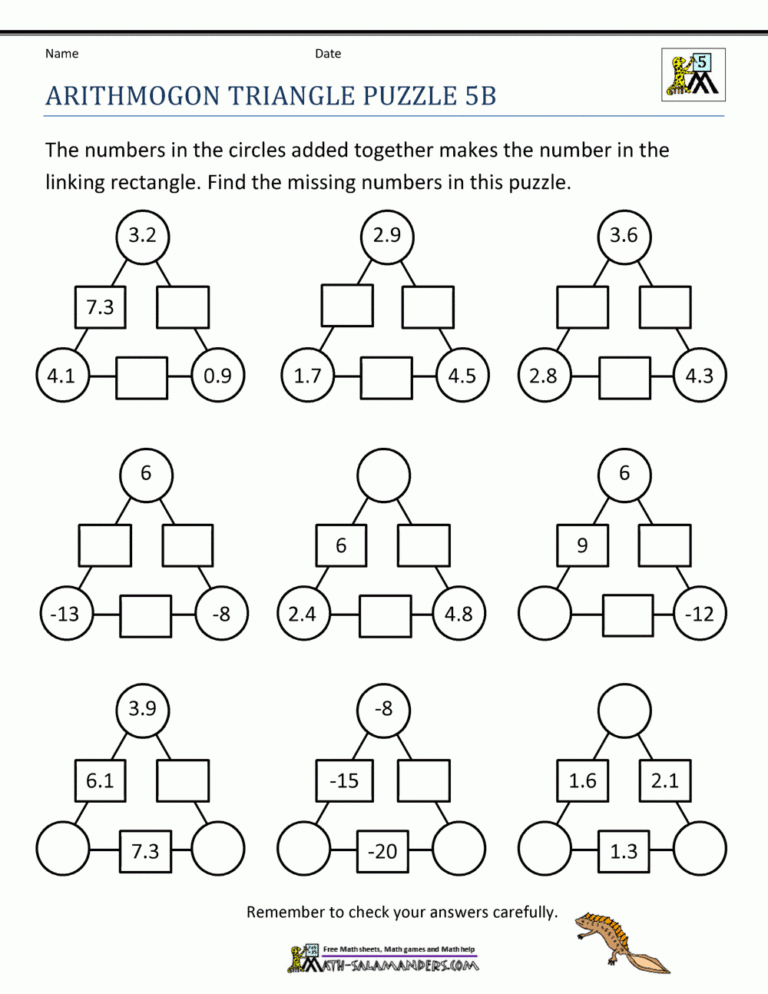
Get First Place Brain Puzzle
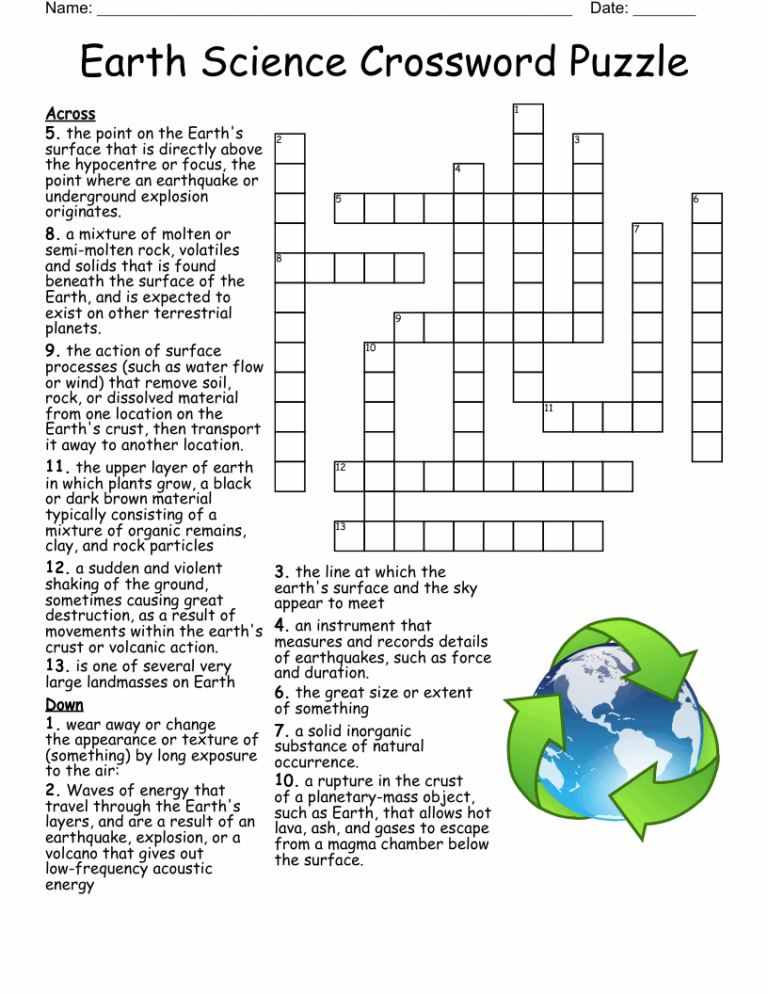
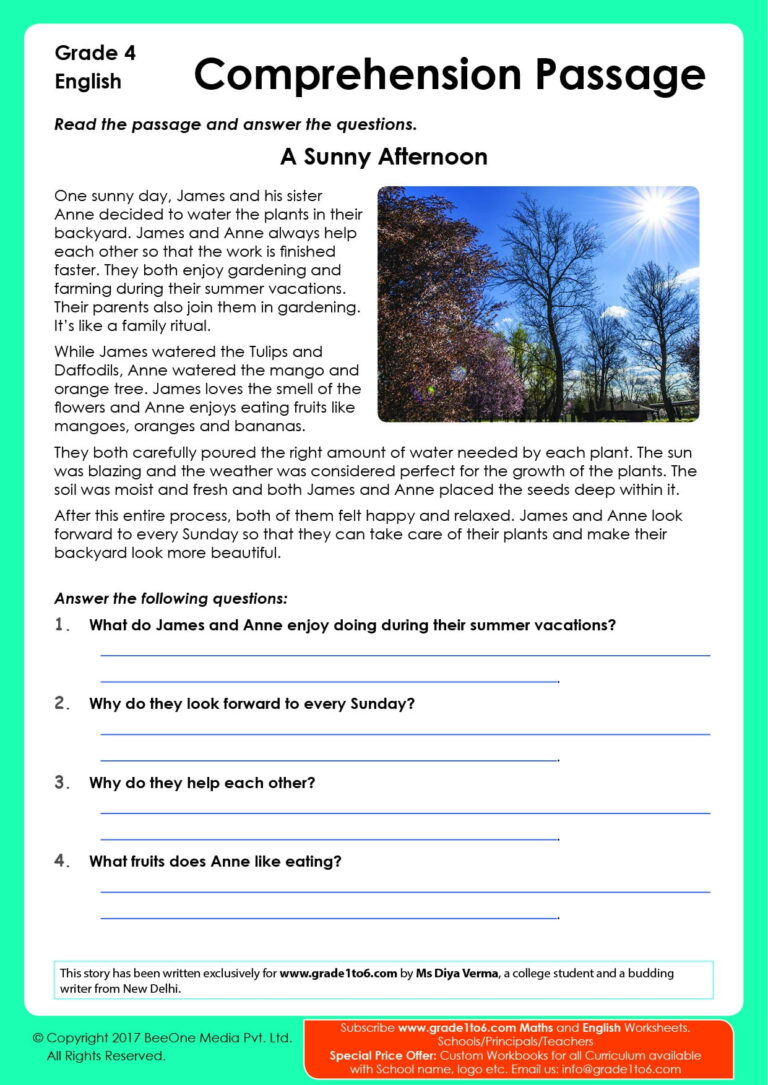
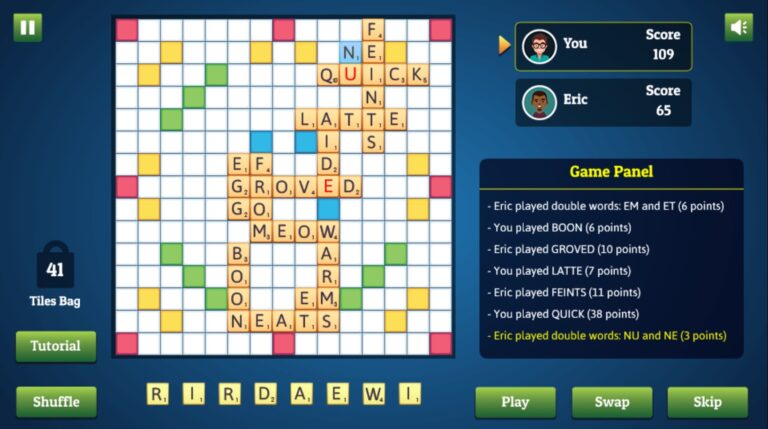
Engaging students with puzzles can enhance their critical thinking and problem-solving skills while making learning fun. The Get First Place Brain Puzzle is an excellent resource for teachers looking to challenge their students with brain teasers that stimulate cognitive development. This printable puzzle is not only easy to access but also versatile enough to be used in various educational settings. Here’s how to effectively utilize this brain puzzle in your classroom.
Understanding the Get First Place Brain Puzzle Format

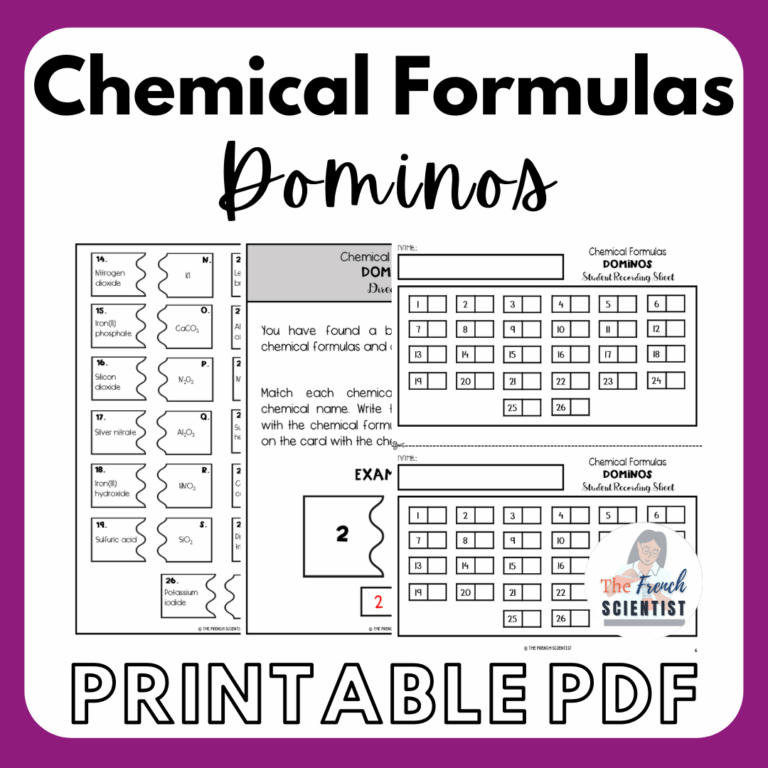
Before diving into the preparation and usage of the Get First Place Brain Puzzle, it’s essential to understand what makes it unique. This puzzle typically comes in a PDF format, making it easy to download and print. The format allows for multiple uses, whether for individual tasks or group activities.
The puzzle usually features a series of questions or tasks that require students to think critically and apply their knowledge across different subjects. Depending on its design, it may cater to various grade levels, making it adaptable for different learning environments.
How to Download and Print the Puzzle
Getting started with the Get First Place Brain Puzzle is straightforward. Follow these steps to ensure a smooth download and print experience:
- Download the Puzzle: Visit the website hosting the Get First Place Brain Puzzle. Look for the download button, typically labeled as “Download Now” or “Get Your Puzzle Here.” Click it to save the file to your device.
- Open the File: Navigate to your downloads folder and open the PDF file. Ensure you have a PDF reader installed on your device; Adobe Reader is a popular option.
- Print Settings: Set your printer to the correct paper size—most puzzles are designed for standard letter size (8.5 x 11 inches). If you’re using color, check that your printer has enough ink. For durability, consider printing on cardstock, especially if the puzzle will be used multiple times.
- Print: Click on the print option, and make sure to preview the layout to avoid any cropping issues. For best results, use the portrait orientation.
Setting Up for Use in the Classroom
Once you have printed the Get First Place Brain Puzzle, it’s time to set up for your class activities. Here’s how to prepare:
- Gather Materials: In addition to the printed puzzles, you’ll need writing utensils—pencils or pens. If you’re planning to laminate the puzzles for repeated use, have a laminator and laminating sheets ready.
- Explain the Instructions: Before handing out the puzzles, explain the rules clearly to your students. Discuss the objectives and the skills they will be practicing. This could include logic, reasoning, or subject-specific knowledge.
- Create a Comfortable Environment: Ensure that the seating arrangement allows students to focus and collaborate if they are working in groups. Encourage them to discuss their thought processes and solutions with one another.
Variations for Different Learning Levels
One of the best features of the Get First Place Brain Puzzle is its adaptability. Here are some ways to modify the puzzle for different learning levels:
- Simplifying the Tasks: For younger students or those struggling with complex instructions, simplify the language used in the puzzle. You can also reduce the number of questions to focus on quality rather than quantity.
- Increasing Difficulty: For advanced learners, consider adding time limits or additional challenges. You might include bonus questions that require deeper analytical thinking or limit the resources they can use to find answers.
- Team Competitions: Turn the puzzle activity into a friendly competition. Divide the class into teams and track their progress. This not only fosters teamwork but also adds an element of excitement to the activity.
Reusing the Get First Place Brain Puzzle
To maximize the effectiveness of the Get First Place Brain Puzzle, consider these strategies for reuse:
- Lamination: If you print the puzzles on cardstock, laminating them allows for dry-erase markers to be used. This way, students can write on the puzzles directly and erase their answers for future use.
- Digital Access: If your students have access to tablets or computers, consider sharing the PDF digitally. This way, they can work on the puzzle directly on their devices, reducing paper waste.
- Homework Assignments: The puzzle can also serve as an engaging homework assignment. By sending it home, you allow students to practice independently while involving their parents in the learning process.