Reading Comprehension For 4th Graders
For educators looking to enhance literacy skills among their students, focusing on reading comprehension for 4th graders is crucial. This age marks a transition where students shift from learning to read to reading to learn. To support this developmental stage, utilizing structured resources like worksheets, planners, and templates can make a significant difference in student engagement and understanding.
Understanding the Importance of Reading Comprehension
Reading comprehension is not just about decoding words; it’s about understanding and interacting with text. For 4th graders, this means grasping main ideas, identifying supporting details, and making inferences. As teachers, you want to cultivate a classroom environment where students feel confident in their reading abilities.
Resources designed specifically for this grade level often include various formats, such as multiple-choice questions, open-ended responses, and graphic organizers. Incorporating different types of questions helps cater to diverse learning styles, ensuring that all students can engage with the material effectively.
Effective Printable Resources for 4th Grade Reading Comprehension
When it comes to selecting printable resources, you have a wealth of options at your disposal. Here are some key types of resources you might consider:
Worksheets

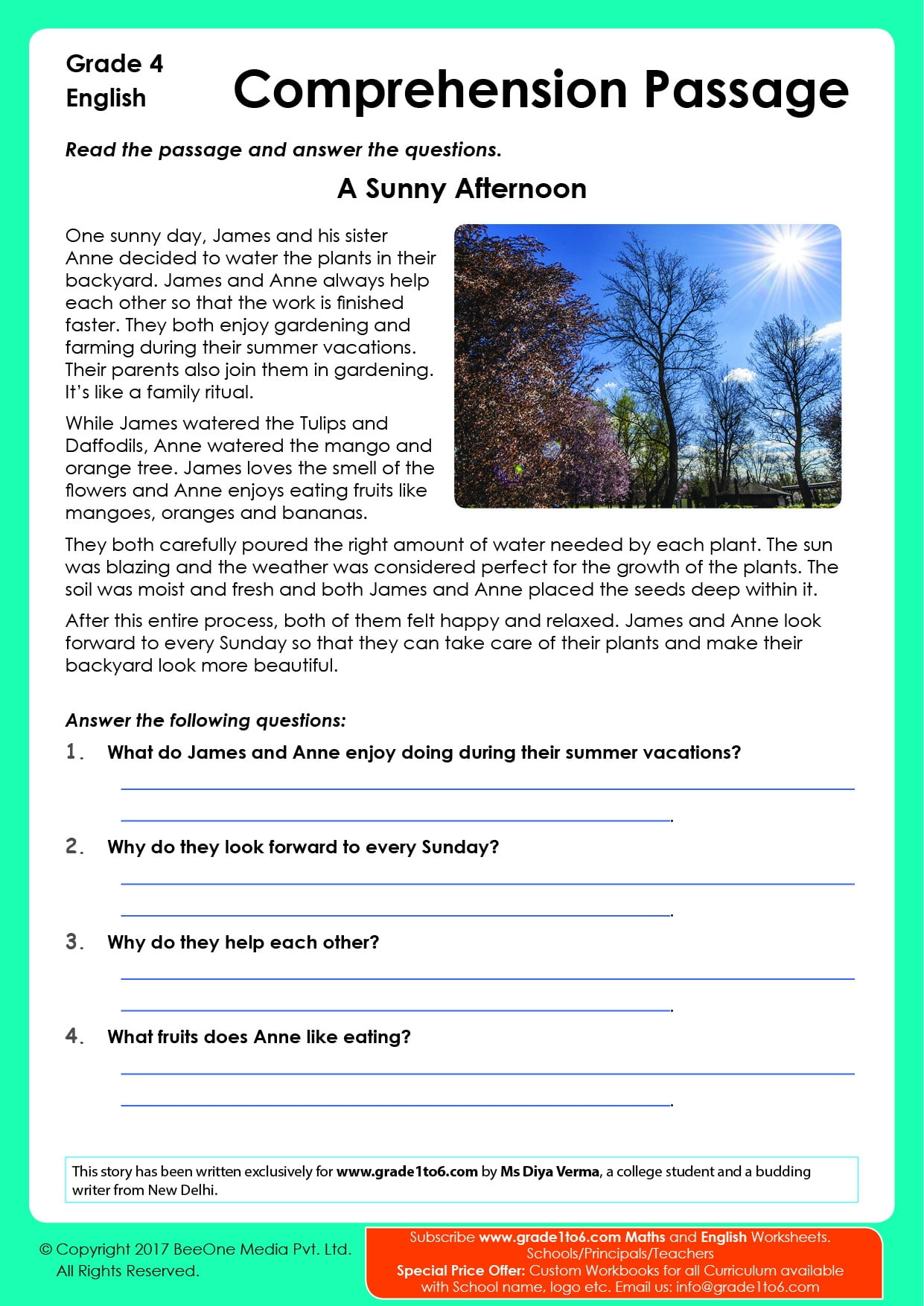
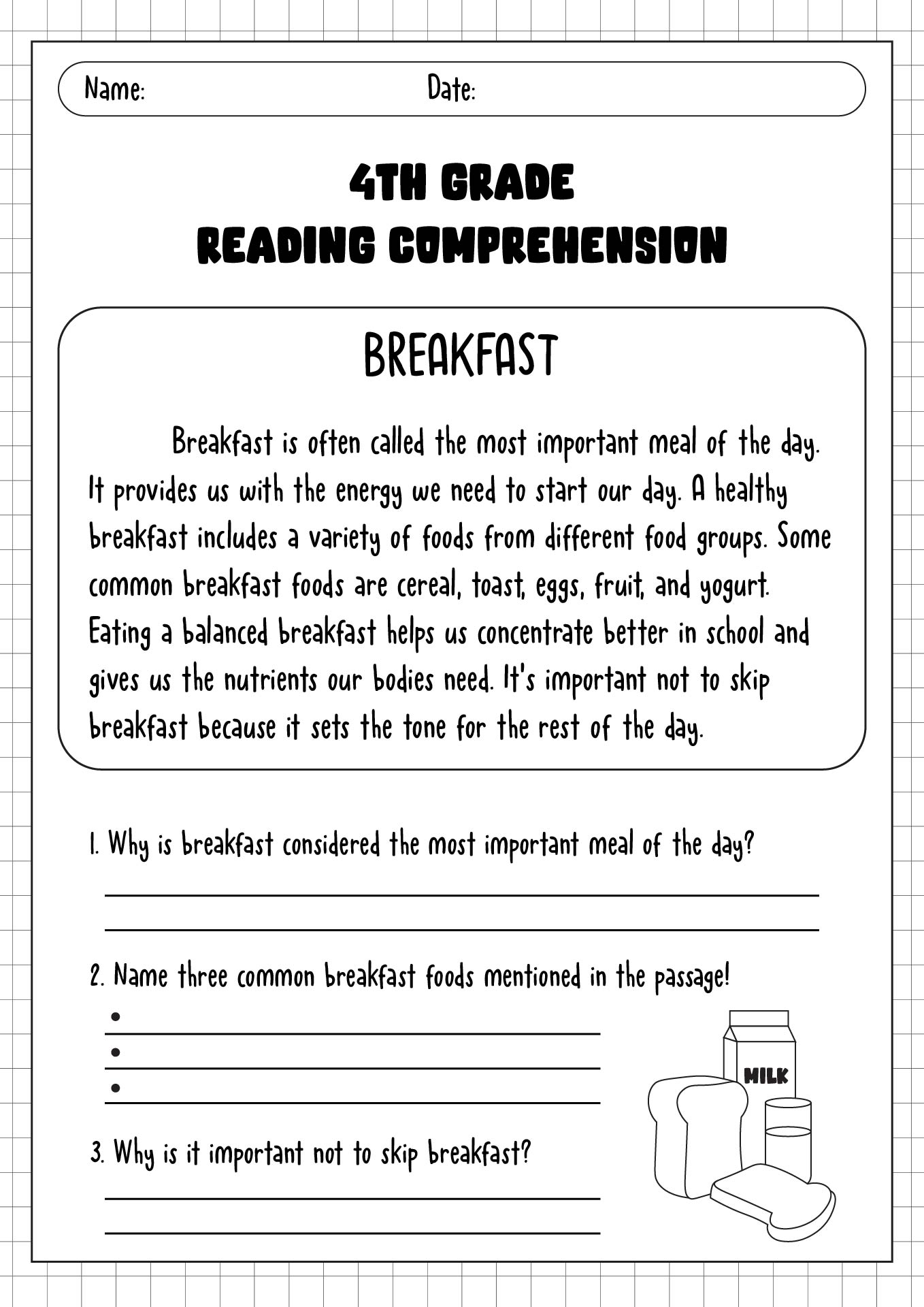
Worksheets focused on reading comprehension often provide short passages followed by questions that test comprehension skills. Look for worksheets that include:
- Variety of Genres: Choose passages from fiction, non-fiction, poetry, and informational texts to expose students to different writing styles.
- Gradual Difficulty: Start with simpler texts and gradually increase complexity, so students build confidence before tackling more challenging material.
- Answer Keys: Ensure that the worksheets come with answer keys, making it easier for you to assess student understanding quickly.
Graphic Organizers
Graphic organizers are excellent tools for helping students visualize the relationships between ideas. For reading comprehension, consider:
- Story Maps: These help students identify elements such as characters, setting, conflict, and resolution in a narrative.
- Venn Diagrams: Useful for comparing and contrasting two texts or characters, aiding deeper analysis.
- Main Idea and Details Charts: These assist students in summarizing texts by identifying the main idea and supporting details.
Planners and Tracking Sheets
Integrating planners and tracking sheets into your curriculum can help students take ownership of their learning. These resources can include:
- Weekly Reading Logs: Encourage students to log their reading activities, fostering accountability and reflection on their comprehension.
- Goal Setting Sheets: Help students set specific reading goals, whether it’s improving fluency or understanding a particular genre.
Incorporating Activities to Enhance Engagement
While worksheets and organizers are essential, activities that promote engagement can significantly enhance comprehension. Here are some ideas:
Reading Circles
Implementing reading circles in your classroom allows students to collaborate and discuss texts. By assigning roles (e.g., summarizer, questioner, connector), you encourage deeper understanding and critical thinking.
Interactive Read-Alouds
Conducting interactive read-aloud sessions where you model comprehension strategies can significantly benefit 4th graders. Encourage students to ask questions and make predictions as you read. This not only makes the experience enjoyable but also reinforces comprehension skills.
Book Clubs
Organizing book clubs where students read and discuss selected books can foster a love for reading. Encourage students to choose books that interest them, allowing for personal connection and investment in the material.
Choosing the Right Format for Resources
When selecting printable resources, consider the format that best suits your classroom needs. Here are some practical considerations:
- PDF vs. Image Files: PDFs maintain formatting better across different devices and are less likely to suffer from reformatting issues when printed.
- Paper Size: Standard letter size (8.5” x 11”) is typically the easiest to print and distribute. If you plan to create booklets, consider using half-letter size (5.5” x 8.5”).
- Durability: For worksheets that will be reused, consider printing on cardstock or laminating them. This approach extends their life and allows for dry-erase markers to be used.
Assessing Comprehension Progress
Monitoring student progress is vital in determining the effectiveness of your reading comprehension strategies. Here are a couple of assessment methods:
Quizzes
Regular quizzes based on the worksheets and readings can provide immediate feedback on student understanding. Tailor these quizzes to include various question types, such as true/false, multiple-choice, and short answers.
Student Reflections
Encouraging students to reflect on their reading experiences can provide insights into their comprehension skills. Consider asking them to write brief reflections after completing a reading assignment, focusing on what they learned and any questions they still have.