Free Printable Traceable Alphabet Letters
Teaching children the alphabet is a foundational skill in early education, and using Free Printable Traceable Alphabet Letters can significantly enhance this learning process. These resources provide an engaging way for young learners to practice their letter formation, which is crucial for developing writing skills and literacy. This guide will explore how to effectively use these printables in various educational settings, whether in the classroom or at home.
Understanding the Basics of Traceable Alphabet Letters
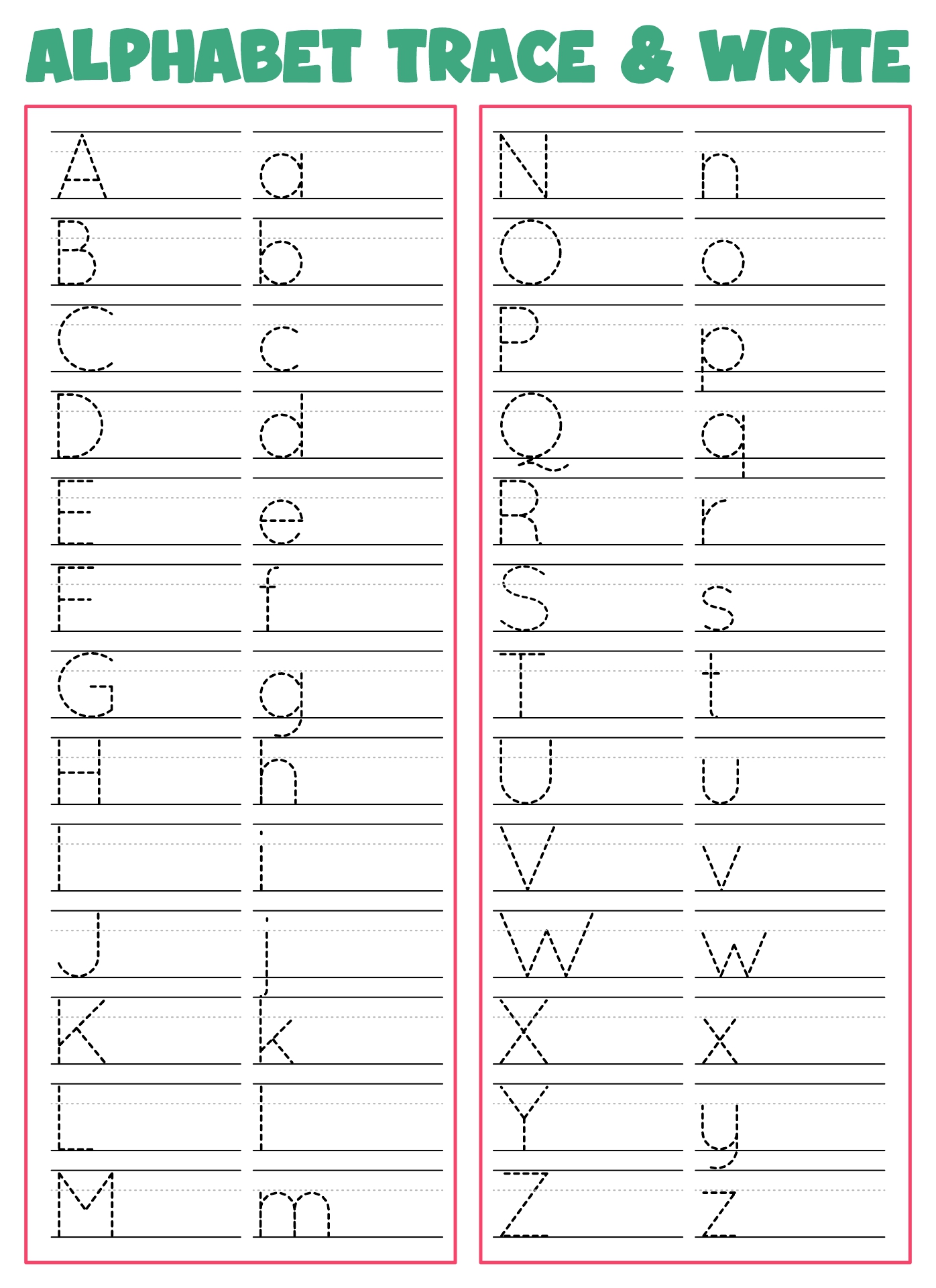
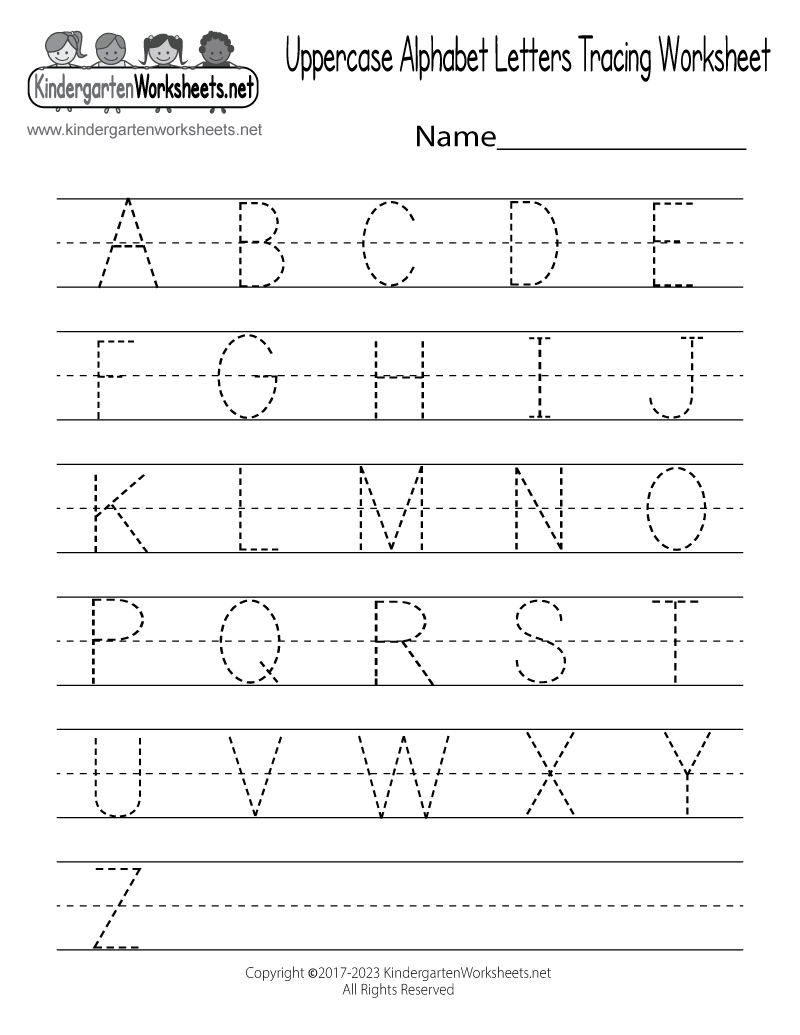
Traceable alphabet letters are designed to help children learn proper letter formation through guided practice. These printables usually feature dotted outlines of each letter, allowing students to trace over them with pencils or crayons. This hands-on approach reinforces muscle memory and helps children understand the shapes and strokes required to form each letter.
Age and Skill Level
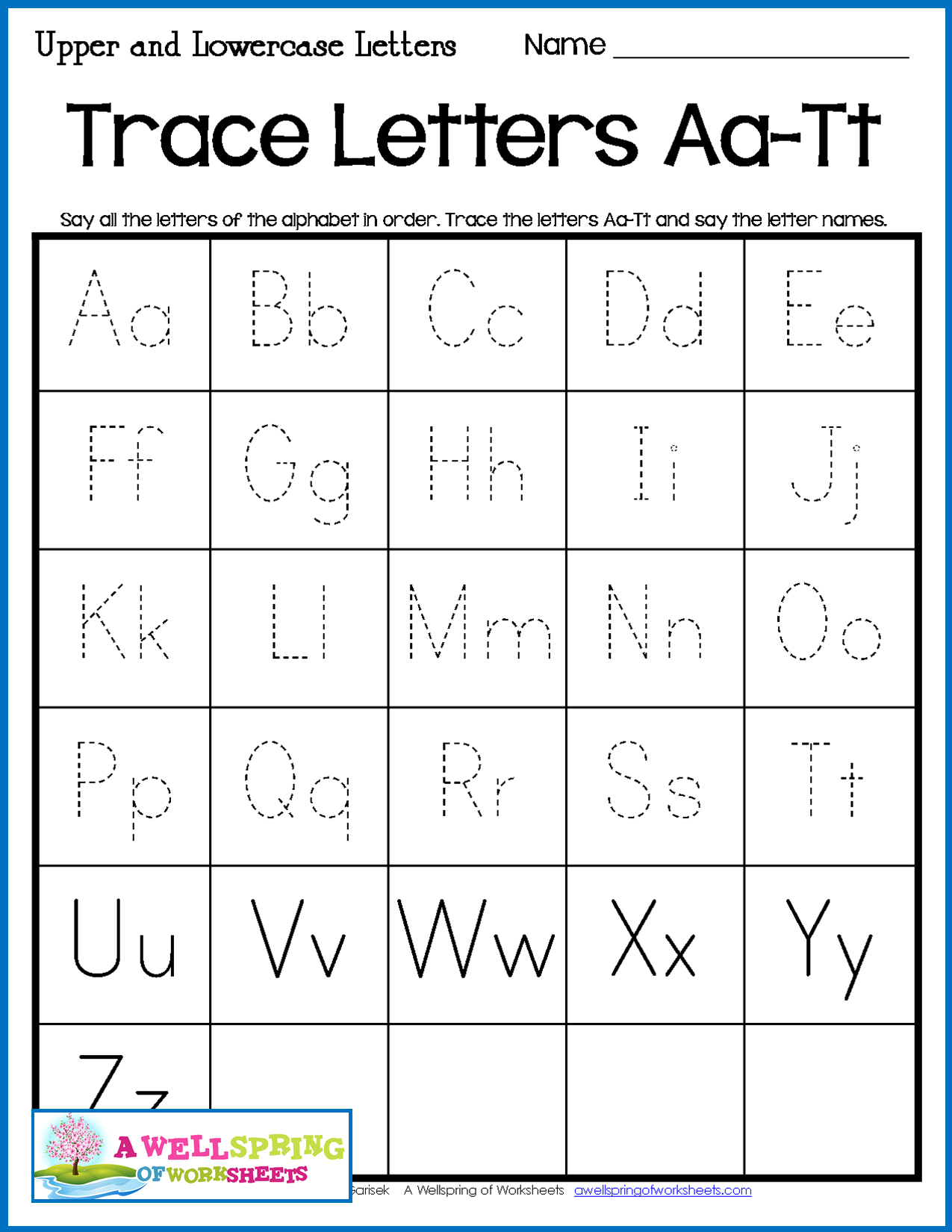
These resources are typically aimed at preschool and kindergarten-aged children, generally between 3 to 6 years old. However, they can also be useful for older children who may need additional practice with their handwriting. Teachers and parents should assess the individual needs of the child to determine the best use of these resources.
How to Access and Use Free Printable Traceable Alphabet Letters
Finding and utilizing Free Printable Traceable Alphabet Letters is straightforward. Many educational websites offer these resources for free. Here’s how you can make the most out of them:
- Search for Quality Resources: Look for trusted educational websites or platforms that specialize in printable resources for teachers and parents. Make sure the site is reputable to ensure the quality of the materials.
- Download the Printables: Once you find a suitable resource, download the traceable alphabet letters in PDF format. PDFs tend to maintain their formatting better than images when printed, which is critical for clarity in tracing.
- Choose the Right Paper: Use standard letter-size paper (8.5″ x 11″) for printing. If you want the worksheets to last longer, consider printing on cardstock. This material holds up better, especially if you plan to laminate the sheets for repeated use.
Printer Settings
When printing, set your printer to the highest quality setting to ensure the letters are clear and easy to trace. If your printer has a portrait mode, that generally works best for these worksheets.
Engaging Activities With Traceable Alphabet Letters
To maximize the effectiveness of the Free Printable Traceable Alphabet Letters, incorporate various activities that make learning fun and interactive:
- Tracing with Different Materials: Encourage children to use different tools for tracing, such as colored pencils, markers, or even finger tracing in sand or on textured surfaces. This variation keeps the activity interesting and caters to different learning styles.
- Incorporate Phonics: As children trace each letter, pair it with phonetic sounds or words that begin with that letter. For example, while tracing the letter “A,” discuss the sound it makes and words like “apple” or “ant.” This reinforces letter recognition and sound association.
- Create a Letter Book: Compile the traced letters into a booklet. As children complete each letter, they can add pictures or stickers that correspond to each letter, creating a personalized alphabet book that they can refer to later.
Adapting Use for Different Learning Environments
The versatility of Free Printable Traceable Alphabet Letters allows them to be used in various settings, such as classrooms, homeschooling, or even during downtime at home. Here are some tips for adapting these resources:
Classroom Use
In a classroom setting, you can use these printables for small group activities or individual practice. Consider creating a letter of the week theme, where students focus on a specific letter and participate in related activities, such as crafts or storytelling that incorporates words starting with that letter.
Homeschooling
For homeschooling, these worksheets can be part of a structured curriculum or used as supplemental material. Parents can introduce the letters alongside other subjects, integrating them into daily activities, such as labeling items around the house with their corresponding letters.
Home Practice
At home, parents can encourage children to practice tracing letters during quiet time or as part of a daily routine. Setting up a tracing station with the printables, writing tools, and perhaps some fun decorations can create an inviting space for learning.