Aquatic Biomes Domino Puzzle Worksheet Answer Key
When it comes to teaching children about aquatic biomes, making the learning process enjoyable is essential. The Aquatic Biomes Domino Puzzle Worksheet Answer Key serves as a perfect tool to help kids understand various aquatic ecosystems while having fun. This resource not only enhances their knowledge but also keeps them engaged through an interactive puzzle format.
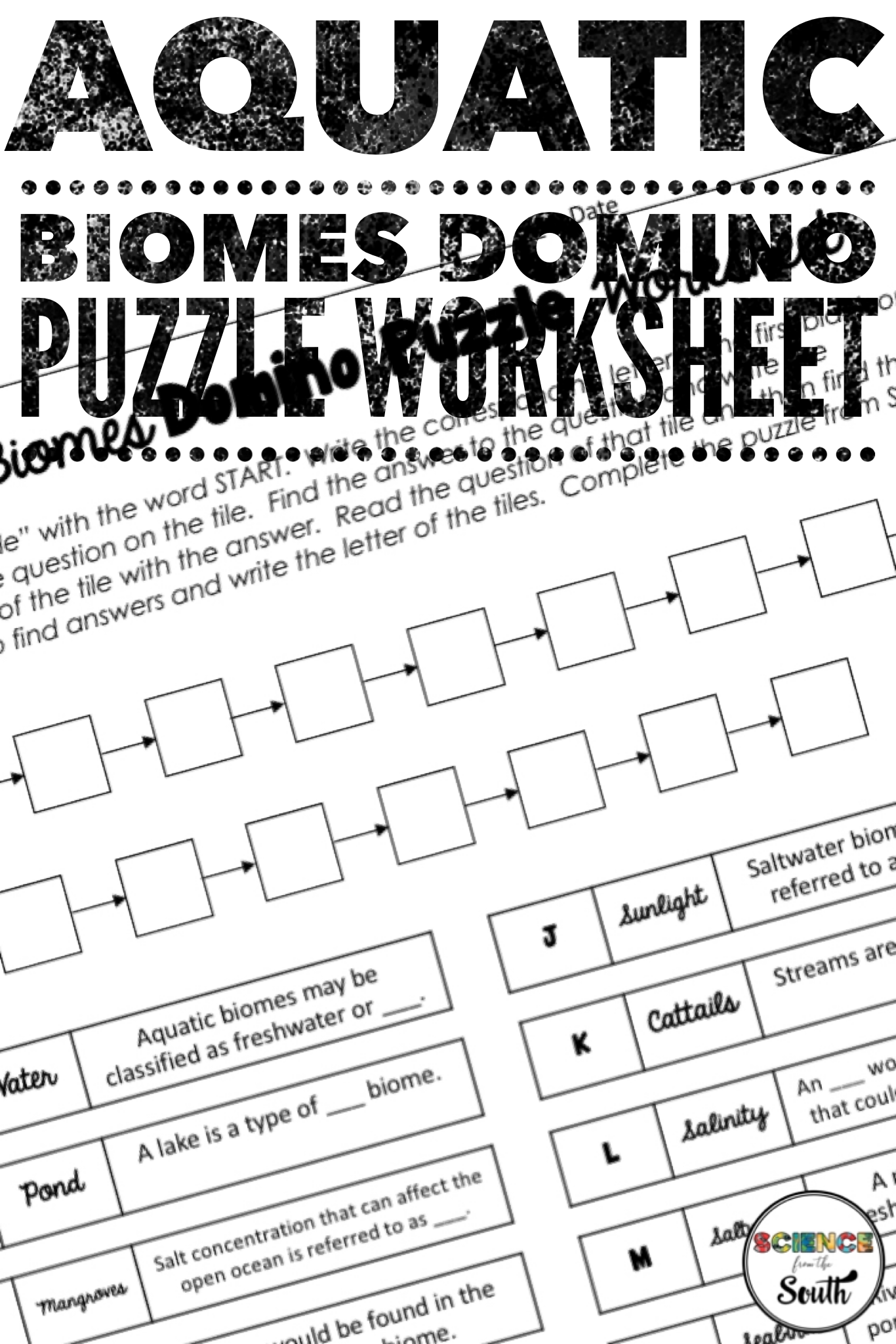
What is the Aquatic Biomes Domino Puzzle Worksheet?
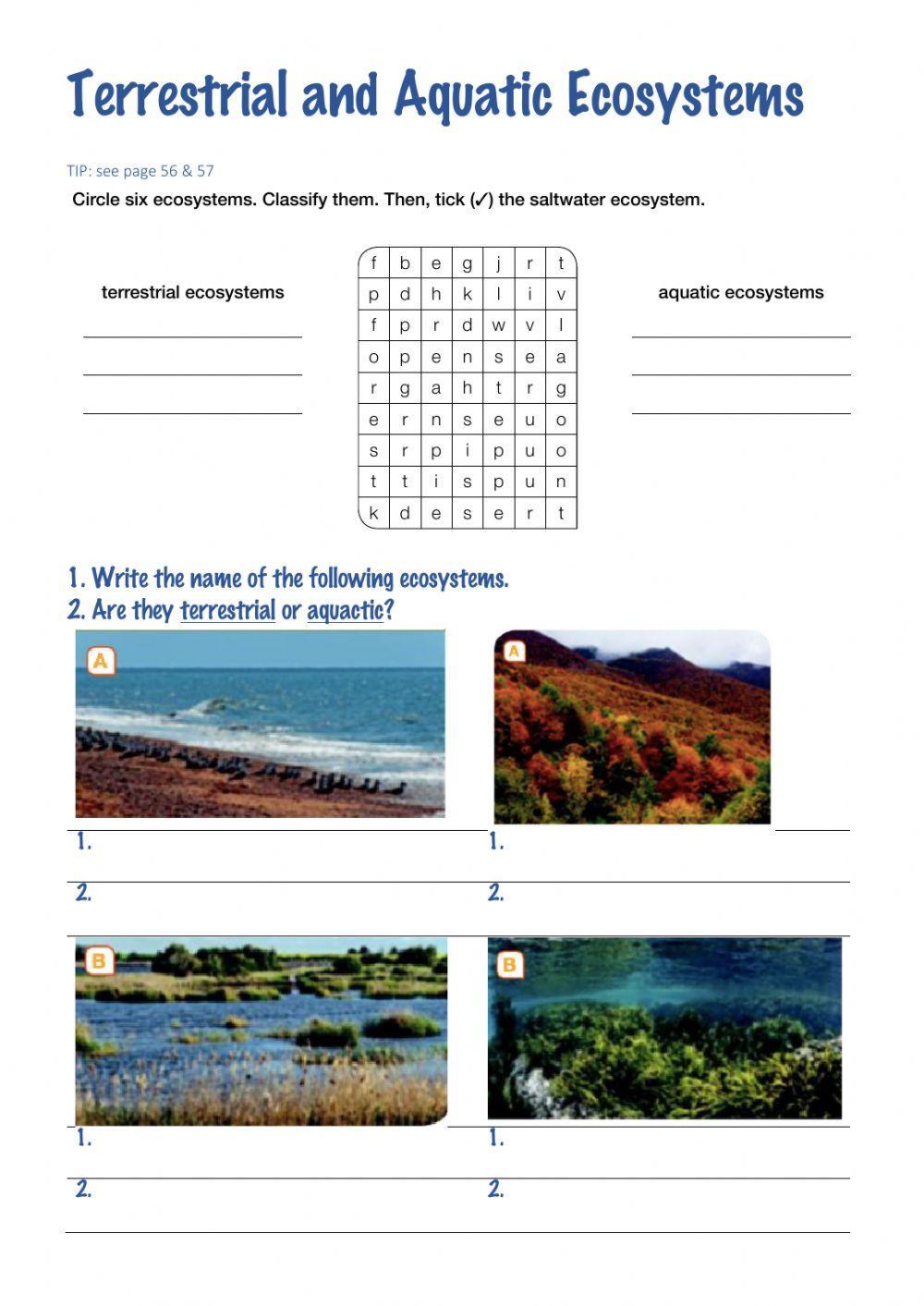
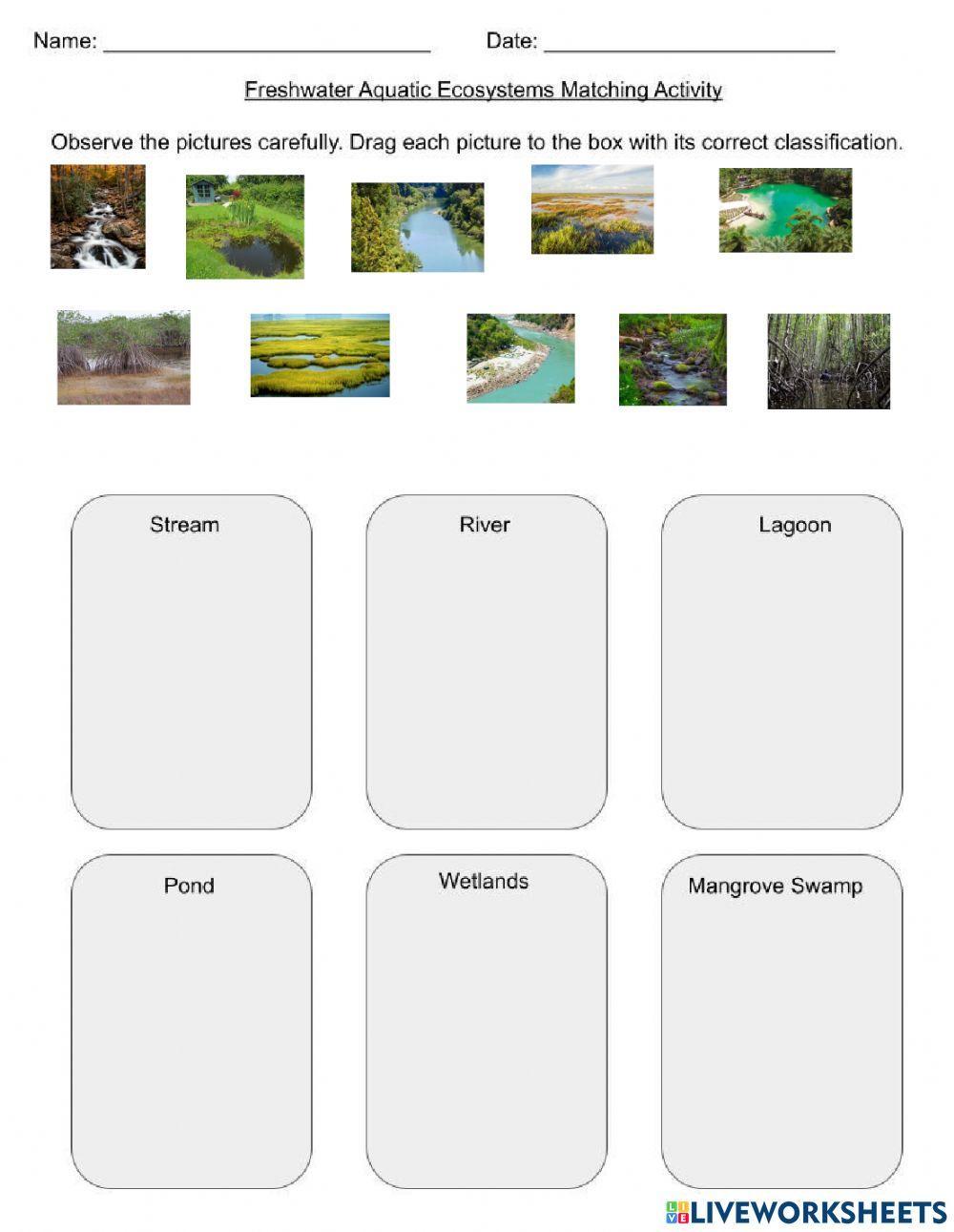
The Aquatic Biomes Domino Puzzle Worksheet is an educational activity designed for children, typically in grades 3-5. It combines the fun of a domino game with learning about essential concepts related to aquatic biomes, such as freshwater and marine ecosystems. The worksheet includes a set of domino cards that feature different aquatic biomes, their characteristics, flora, and fauna.
Why Use a Domino Puzzle?
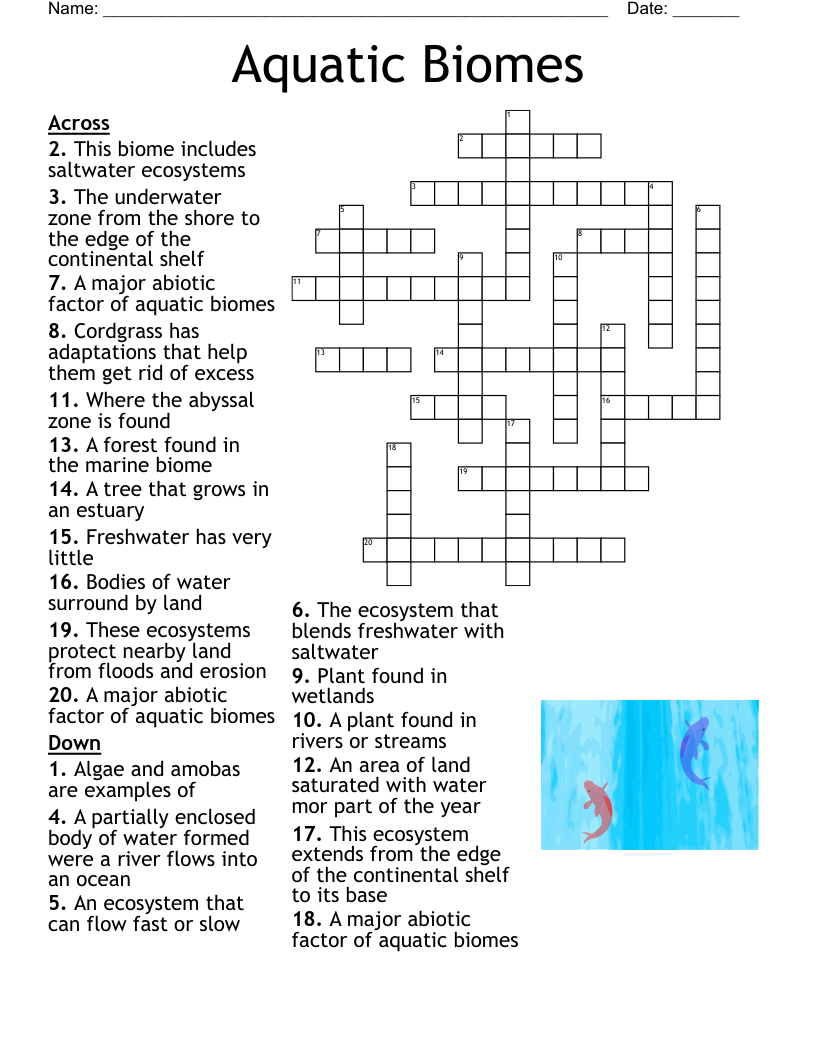
Using a domino puzzle format for learning has several benefits:
- Interactive Learning: Children actively participate in the learning process by matching cards, which helps them retain information better.
- Visual Engagement: Colorful images of aquatic biomes and their inhabitants make the learning experience visually appealing.
- Critical Thinking Skills: Matching the correct pairs encourages problem-solving and critical thinking.
How to Use the Aquatic Biomes Domino Puzzle Worksheet
Using the Aquatic Biomes Domino Puzzle Worksheet is a straightforward process. Here’s a step-by-step guide to help you make the most of this resource:
Step 1: Download and Print the Worksheet
Begin by downloading the Aquatic Biomes Domino Puzzle Worksheet. Make sure you have access to a printer, and use standard letter-size paper (8.5 x 11 inches) for easy handling. If you want the cards to last longer, consider printing them on cardstock.
Step 2: Cut Out the Domino Cards
Once printed, carefully cut out the domino cards along the provided lines. This step is crucial as it allows children to handle the cards easily during gameplay. If you’re feeling crafty, laminating the cards can add durability, especially if they will be used multiple times.
Step 3: Set Up the Game
Arrange the domino cards face down in a pile. You can also create a designated playing area on a table where children can spread out the cards.
Step 4: Explain the Rules
Before starting the game, explain the rules to your children. Each player will take turns drawing a card and trying to match it with another card based on the aquatic biome characteristics. For example, a player might match a card showing a coral reef with a card showing the types of fish that live there.
Engaging With the Answer Key
The Aquatic Biomes Domino Puzzle Worksheet comes with an answer key that can be a valuable resource for parents and educators. Here’s how to effectively use the answer key:
Checking Understanding
After playing the game, you can go through the answer key together with your child. This allows you to check which matches were made correctly and reinforces the learning objectives.
Discussion Points
Use the answer key to spark discussions about why certain biomes are matched together. For example, why do coral reefs support specific types of fish? This can lead to deeper conversations about ecosystems and biodiversity.
Reinforcement Activities
Based on the answers, you can develop additional activities. For instance, if a child enjoyed learning about the wetlands, consider finding books or videos about wetlands to extend their learning.
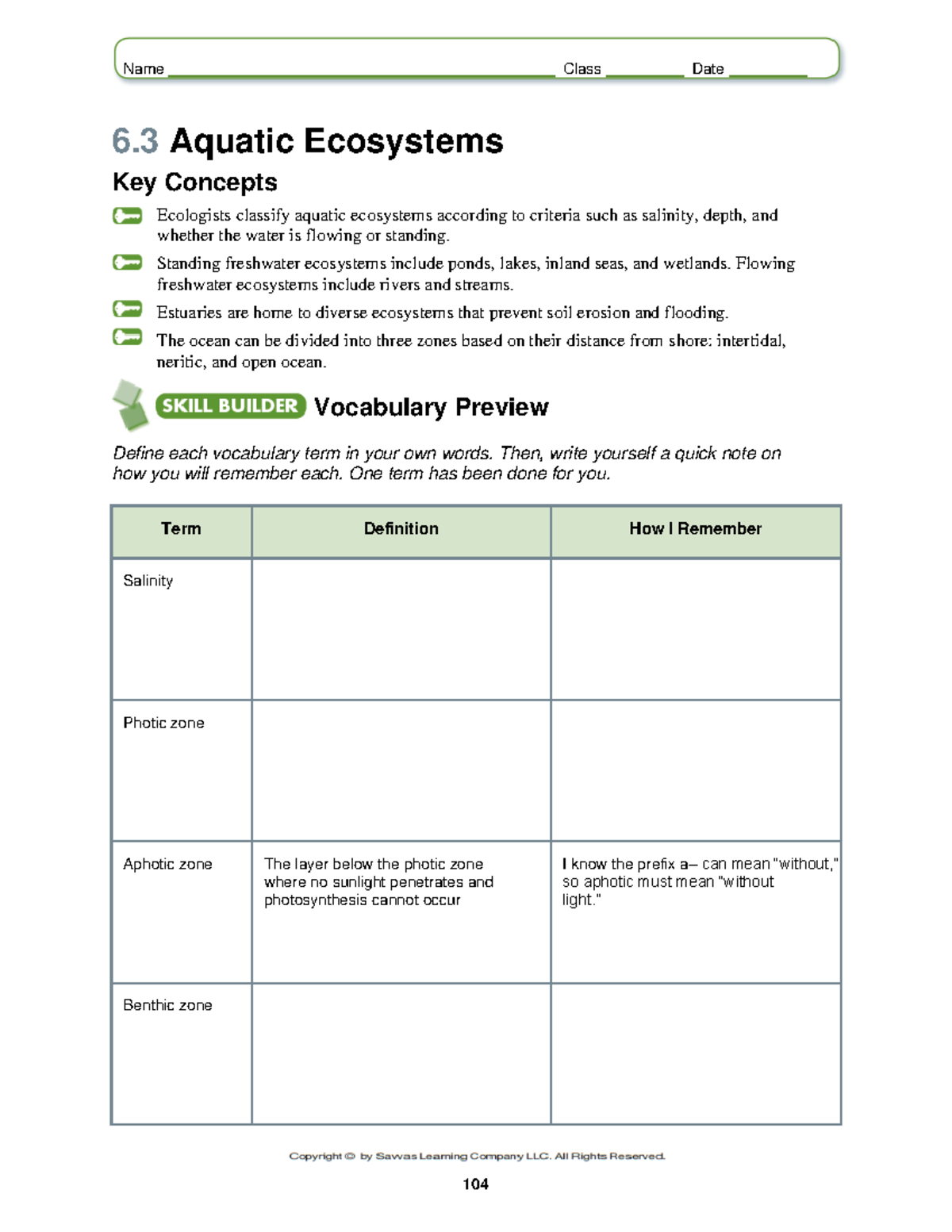
Additional Activities to Enhance Learning
To complement the Aquatic Biomes Domino Puzzle Worksheet, consider integrating these additional activities:
Create a Biome Poster
Have your child create a poster for their favorite aquatic biome. They can include facts, drawings, and even photos of the organisms that inhabit that biome. This activity reinforces what they learned through the domino puzzle.
Explore Virtual Field Trips
Many organizations offer virtual field trips to different aquatic biomes. Explore these resources together, allowing your child to see the environments in real life.
Nature Walks
If possible, take a trip to a local pond, lake, or aquarium. Discuss the types of aquatic life you see and how they relate to what they learned in the worksheet.
Aquatic Biomes Domino Puzzle Worksheet Answer Key Gallery