Dot To Dot Letters For Tracing
In a lively classroom filled with eager young faces, a teacher named Sarah prepares her lesson for the day. She notices that some of her students are struggling with letter formation, making it difficult for them to express their thoughts in writing. To tackle this challenge, she decides to introduce Dot To Dot Letters For Tracing as a fun and interactive way to enhance their handwriting skills. This resource not only helps students develop fine motor skills but also reinforces letter recognition.
Why Use Dot To Dot Letters For Tracing?
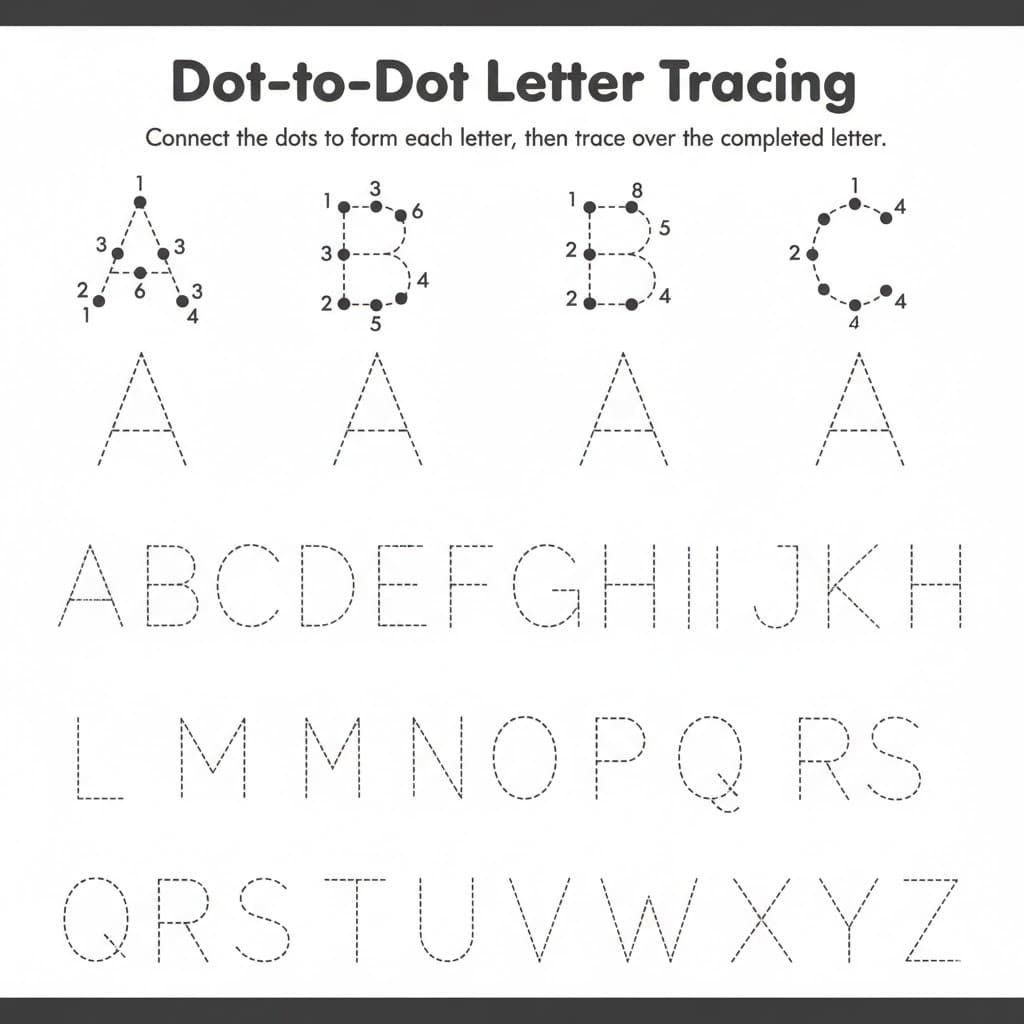
Dot To Dot letters for tracing are an excellent tool for early learners, typically suited for preschool to first-grade students. These engaging worksheets provide a visual and hands-on approach to learning letters, making the process enjoyable. By connecting the dots, children can practice writing letters in a structured way, which encourages proper letter formation.
Using these resources helps to build confidence in young learners. As they complete each letter, they gain a sense of accomplishment that motivates them to keep practicing. This method also allows for repetition, which is crucial for mastering any new skill.
Setting Up Your Dot To Dot Tracing Activities
When incorporating Dot To Dot letters into your lessons, consider the following practical setup tips to make the most of your time and resources:
- Print Quality: Use high-quality cardstock for durability, especially if you’re planning on reusing the worksheets. A standard letter size (8.5 x 11 inches) works well for most home printers.
- Preparation: Before class or your homeschool day, print a variety of worksheets that include both uppercase and lowercase letters. This allows for differentiation and keeps students engaged with different challenges.
- Supplies: Have plenty of pencils or crayons on hand. If you’re using the worksheets multiple times, consider laminating them so students can use dry-erase markers.
- Space Consideration: Set up individual workstations or a common area where students can spread out and work on their tracing without distractions.
- Timing: Break the activities into manageable chunks. Instead of doing all the letters in one sitting, plan for them to complete a few letters each day over a week. This spaced repetition reinforces learning and helps solidify their skills.
Incorporating Dot To Dot Tracing Into Your Curriculum
Integrating Dot To Dot letters for tracing into your existing curriculum can be seamless. Here are some practical ways to do so:
Daily Letter Practice
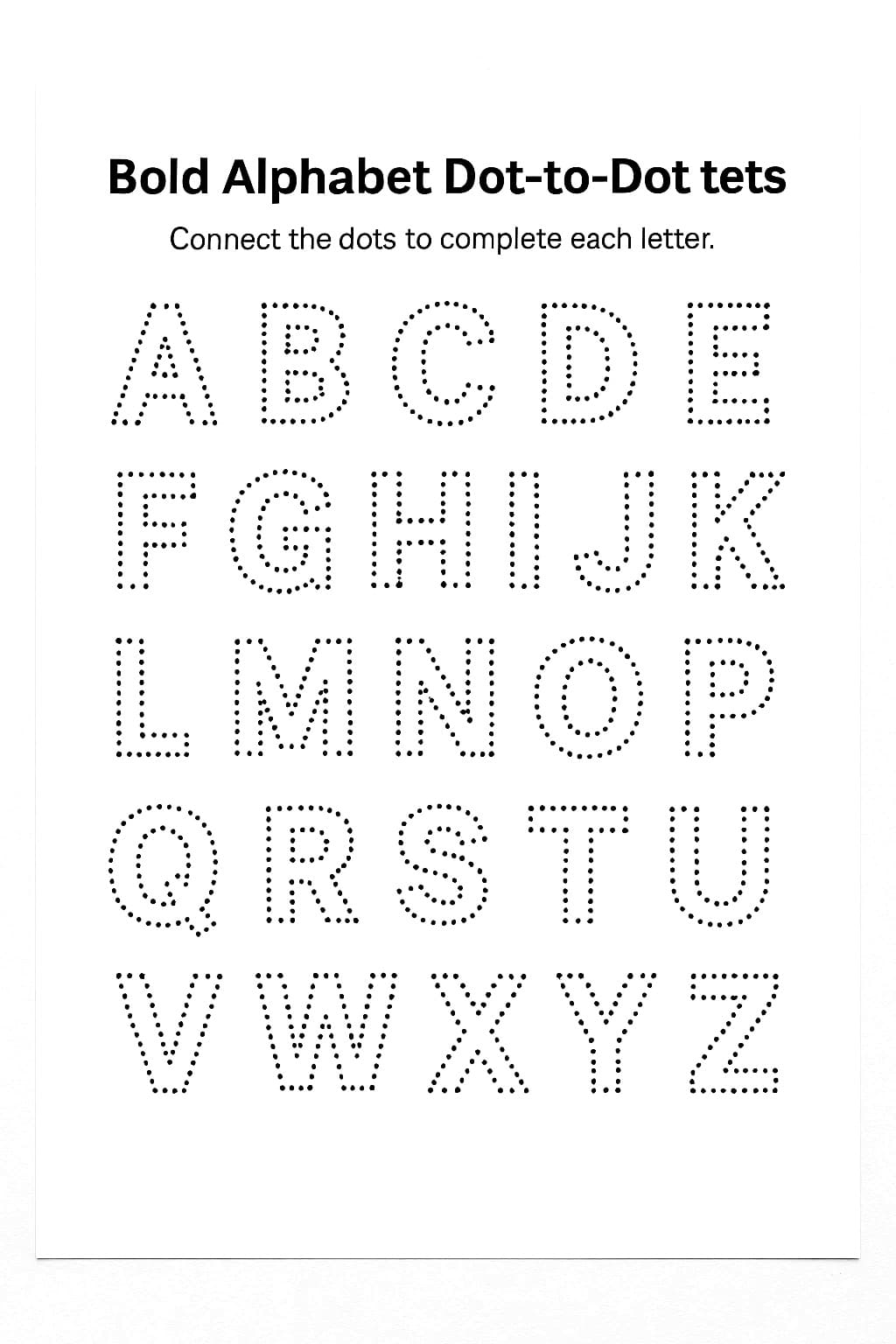
Use the Dot To Dot worksheets as part of your daily routine. For instance:
- Monday: Focus on letters A, B, and C. Have students trace, then write the letters independently.
- Tuesday: Introduce letters D, E, and F. Encourage students to say each letter out loud before tracing.
- Wednesday: Review letters from earlier in the week. This can be a great time for a mini assessment where students show their progress.
- Thursday: Continue with G, H, and I, incorporating a fun story that includes those letters.
- Friday: Create a “Letter of the Week” bulletin board showcasing the letters the students have learned.
Themed Activities
Tie the Dot To Dot letters into thematic units. For example, if you’re focusing on animals, use the letters that spell out animals’ names to create a connection.
- Animal Week: For letters A, B, and C, you can have worksheets that include images of an alligator, bear, and cat next to the letters.
Interactive Games
Make learning fun by incorporating games. For instance, you can turn tracing into a friendly competition.
- Letter Relay: Divide students into teams. One student from each team runs to a designated area, traces a letter on a board, and races back to tag the next team member.
Monitoring Progress and Encouraging Improvement
As with any educational activity, monitoring progress is key. Keep track of each student’s development by using their completed worksheets as assessment tools. You can create a simple checklist to note:
- Letter Recognition: Are they able to identify and say the letters correctly?
- Tracing Accuracy: Are their traced letters forming correctly?
- Independent Writing: Can they write the letters without tracing?
This information will help guide your instruction and provide insight into which students may need additional support.
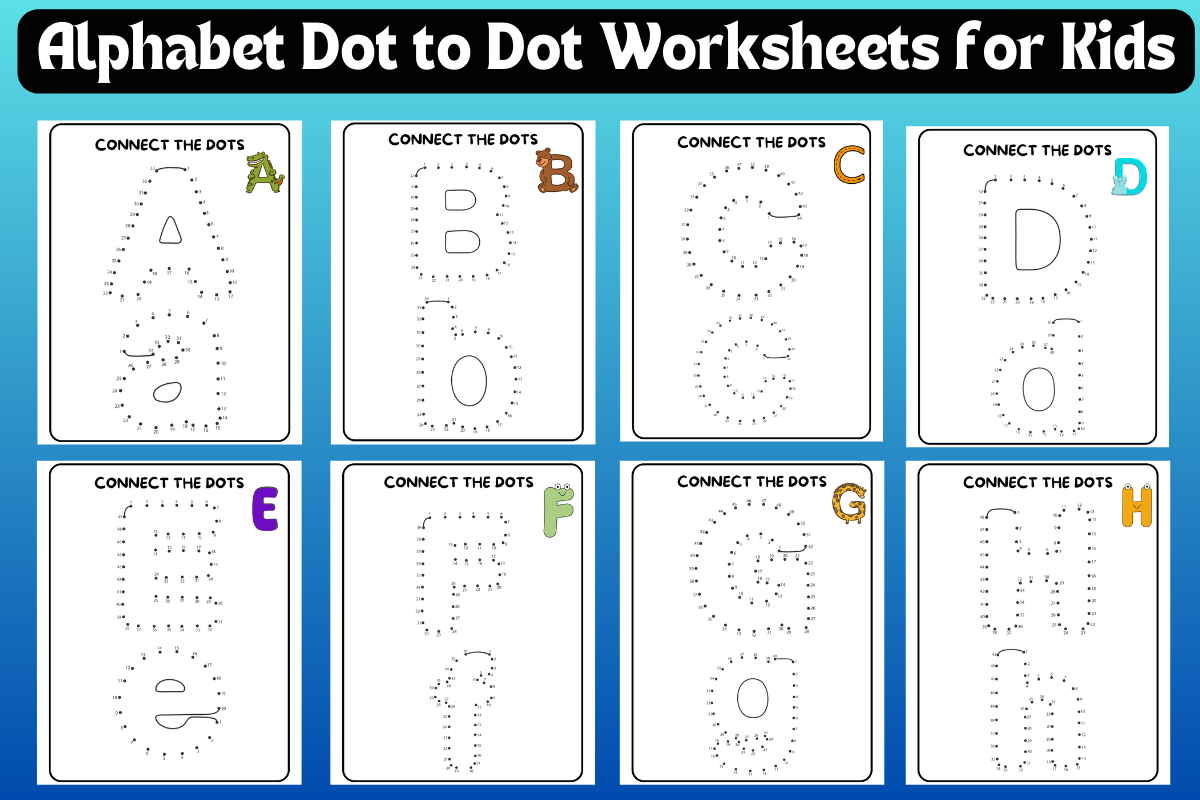
Engaging Families With Home Activities
Encourage parents to get involved by sending home additional Dot To Dot letters for tracing. This not only reinforces what students are learning in class but also fosters a connection between home and school.
- Parent Letters: Include a brief explanation of the activity and tips for how parents can assist their children. Simple practices like tracing letters in sand or using finger paint can make the activity even more enjoyable.
Immediate Tip for Using Dot To Dot Letters
To maximize the effectiveness of Dot To Dot letters for tracing, consider incorporating sensory elements. After tracing the letters on paper, have students trace them in sand or with finger paint, which can enhance their understanding of letter shapes while making it a tactile experience.