Alphabet Writing Sheets For Kindergarten
As the sun streams into the classroom, Ms. Thompson observes little Mia hunched over her desk, gripping her crayon tightly. Today, they’re using Alphabet Writing Sheets For Kindergarten, a tool designed to help children like Mia practice their letters in a fun and engaging way. These sheets are not just sheets of paper; they’re a gateway to developing essential writing skills that will benefit young learners throughout their educational journey.
What Are Alphabet Writing Sheets?
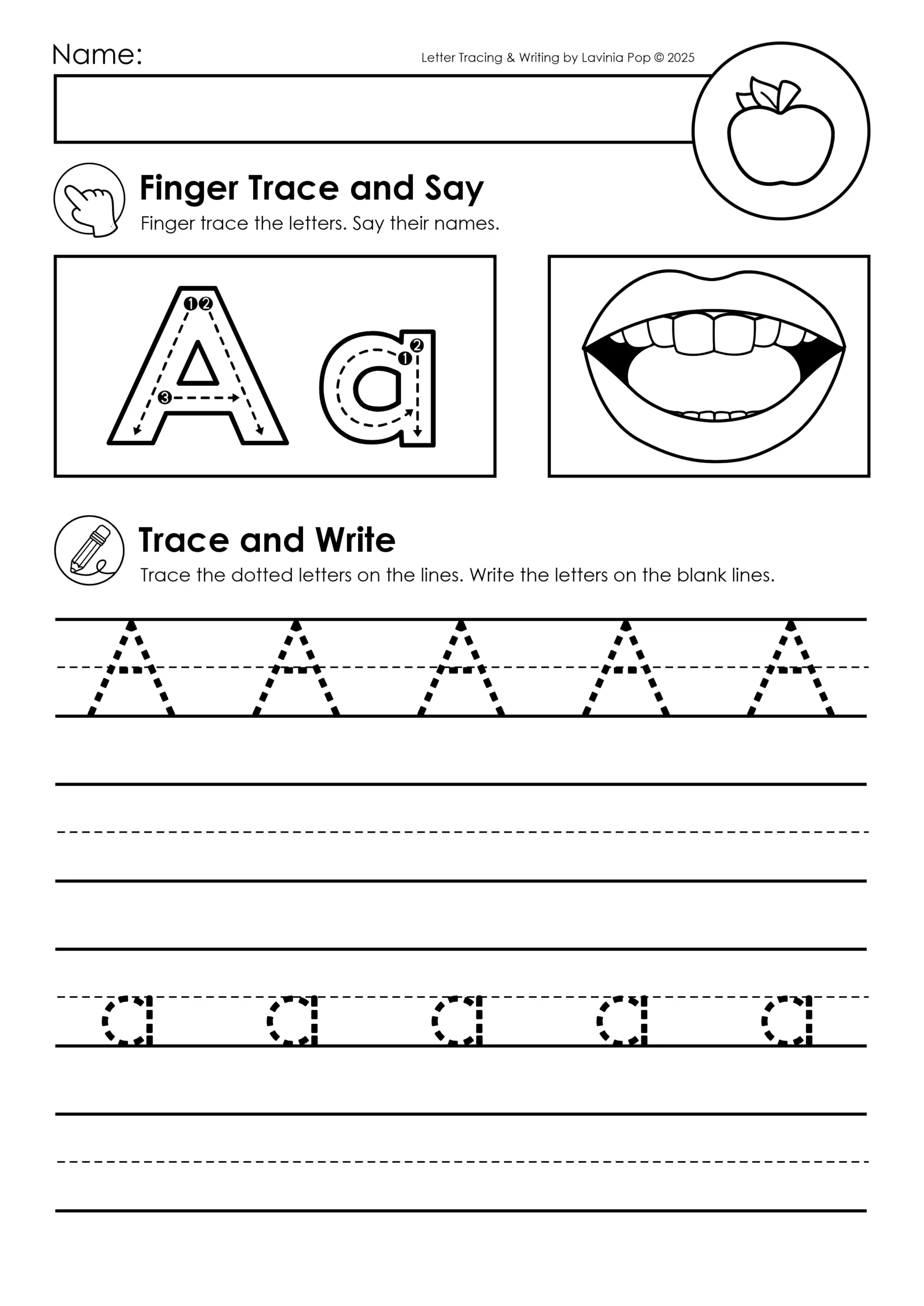
Alphabet writing sheets are specially designed worksheets that guide kindergarteners in learning how to write letters of the alphabet. Each sheet typically features large, clear letters for students to trace and space for them to practice writing the letters independently. These sheets can be printed and used multiple times, making them a practical resource for both teachers and parents.
Key Features of Alphabet Writing Sheets
When selecting Alphabet Writing Sheets For Kindergarten, look for the following features:
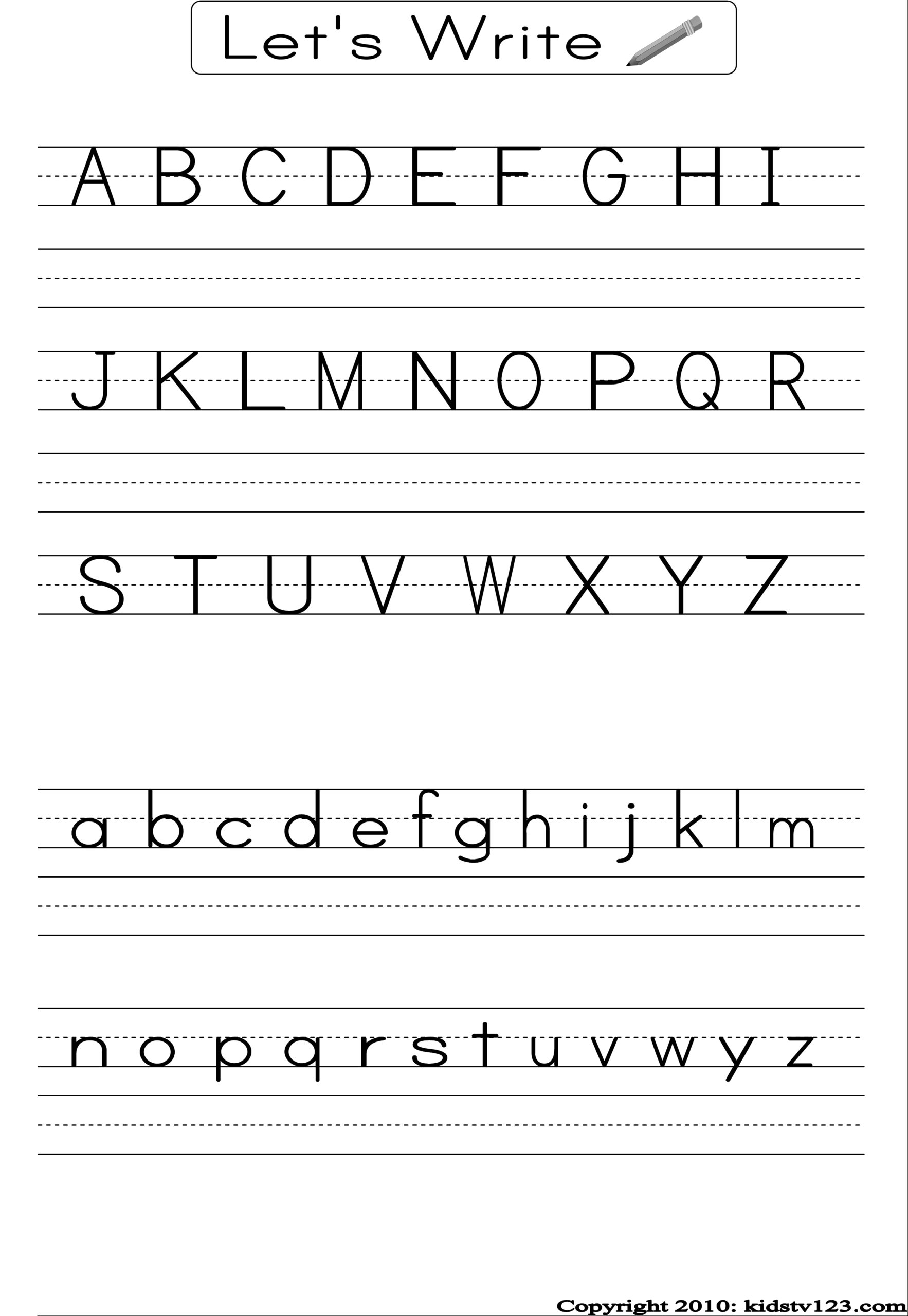
- Size and Clarity: Letters should be large and bold, making it easy for children to see where to trace.
- Traceable Letters: Most sheets will include dotted lines or arrows indicating the correct way to form each letter.
- Fun Designs: Many sheets incorporate colorful illustrations or themes that make writing more enjoyable.
- Variety: Sheets may offer both uppercase and lowercase letters, as well as different fonts to keep students engaged.
How to Use Alphabet Writing Sheets in the Classroom or at Home
Using Alphabet Writing Sheets can seamlessly fit into your daily routine, If you are a teacher in a classroom or a parent at home. Here’s how you can incorporate them effectively:
Daily Practice Routine
Set aside a specific time each day for letter writing practice. This could be part of your morning warm-up or a quiet activity before lunch. Children thrive on routine, and knowing they have a dedicated time for writing will help them focus.
- Preparation: Print out a week’s worth of sheets to keep things organized. You can easily print these on standard A4 or letter-sized paper.
- Engagement: Encourage your child to say the letter sounds as they write. This reinforces their phonetic skills alongside their motor skills.
- Tracking Progress: Use a simple chart to track which letters your child has mastered and which ones they need more practice on. This can motivate them and provide a visual representation of their growth.
Supervision and Support
While children work on their writing sheets, it’s important to provide guidance. Sit beside them and offer encouragement. If they struggle with a particular letter, demonstrate how to form it, and let them try again.
- Peer Interaction: If you’re in a classroom, consider pairing students for peer review. They can help each other by pointing out areas for improvement in a supportive way.
- Feedback: Use positive reinforcement. Celebrate small victories, like writing the letter correctly for the first time, to build confidence.
Adapting Alphabet Writing Sheets for Different Learning Styles
Every child learns differently, so it’s beneficial to adapt your approach based on their unique needs.
Visual Learners
For visual learners, you might incorporate colored pencils or crayons to make the activity more engaging. They can color in pictures related to the letters they are practicing, which helps reinforce their memory.
Kinesthetic Learners
If a child learns better through movement, consider using a multi-sensory approach. You could have them write letters in sand or use finger paints to create the letters. Afterward, they can use the writing sheets to practice the same letters, connecting the tactile experience to their writing.
Auditory Learners
Auditory learners benefit from talking about the letters they are writing. You could sing songs related to the alphabet or read stories that emphasize certain letters. Encourage them to repeat the sounds as they write, reinforcing their learning through auditory feedback.
The Importance of Consistency and Patience
Learning to write is a process that takes time. Consistency in practice is key. Encourage daily writing with the Alphabet Writing Sheets For Kindergarten, but also be patient. Celebrate progress, no matter how small, and adapt your methods as children grow more comfortable with letters.
Additional Tips for Success
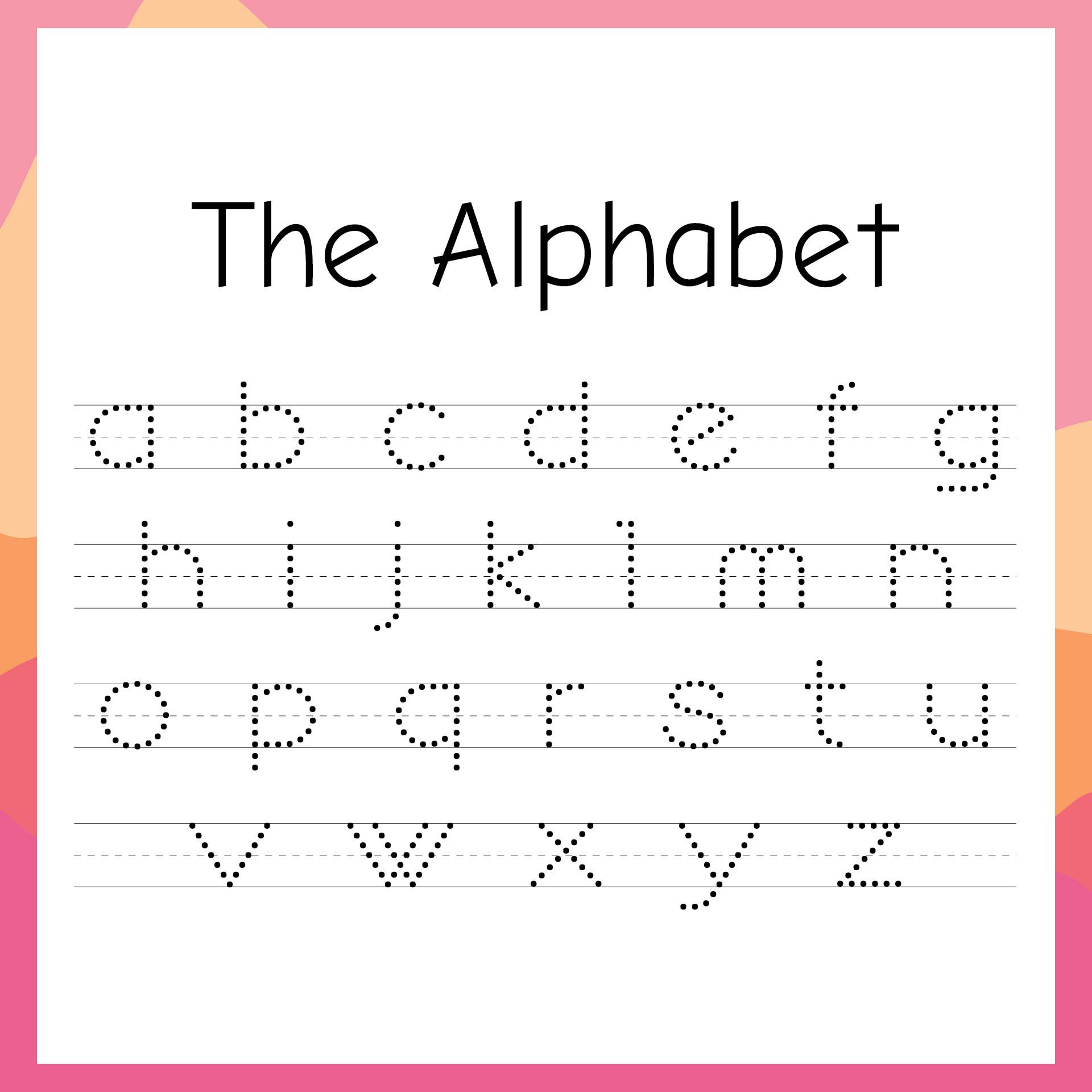
- Laminating Sheets: Consider laminating sheets for repeated use. This allows children to practice with dry-erase markers, making it eco-friendly and cost-effective.
- Incorporate Technology: There are many apps available that offer interactive letter writing practice. These can be a great supplement to traditional worksheets.
- Parent Involvement: Encourage parents to use these sheets at home. Provide them with a guide on how to effectively support their children in letter writing.
Incorporating Alphabet Writing Sheets For Kindergarten into your teaching or parenting routine can provide children with the foundational skills they need to succeed in writing. By creating a supportive environment and tracking their progress, you can help foster a love for writing that will last a lifetime.
One immediate action tip: Print a few sheets today and integrate them into your child’s learning time this week. You’ll be amazed at how quickly they can improve with just a little daily practice!