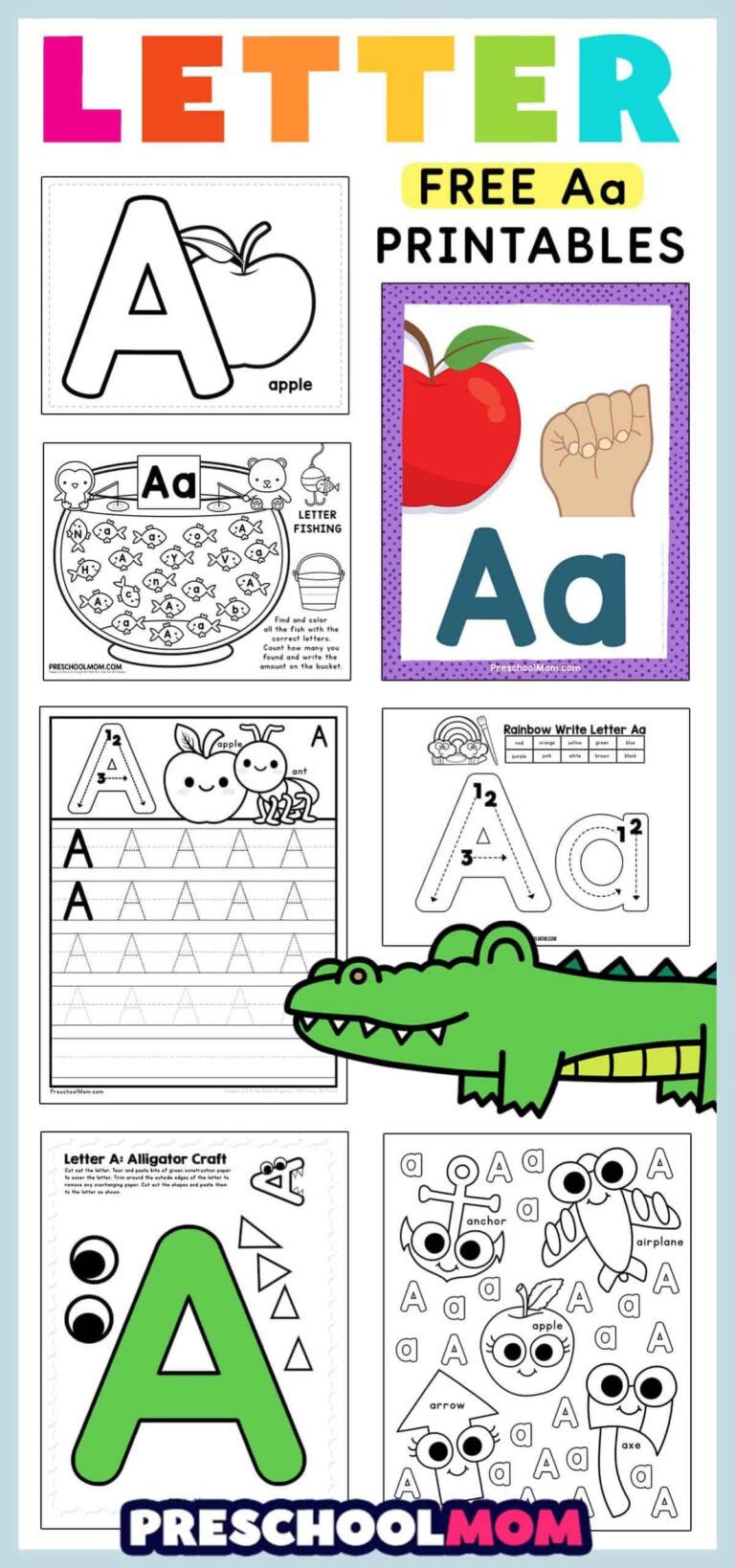
A To Z Tracing Letters
Teaching children to write can be an exciting journey, especially when using engaging resources like A To Z Tracing Letters. These tracing templates are designed to help young learners practice their handwriting while becoming familiar with the alphabet. The printable format allows for easy access and immediate use, making them perfect for homeschool settings or afternoon activities.
Understanding A To Z Tracing Letters
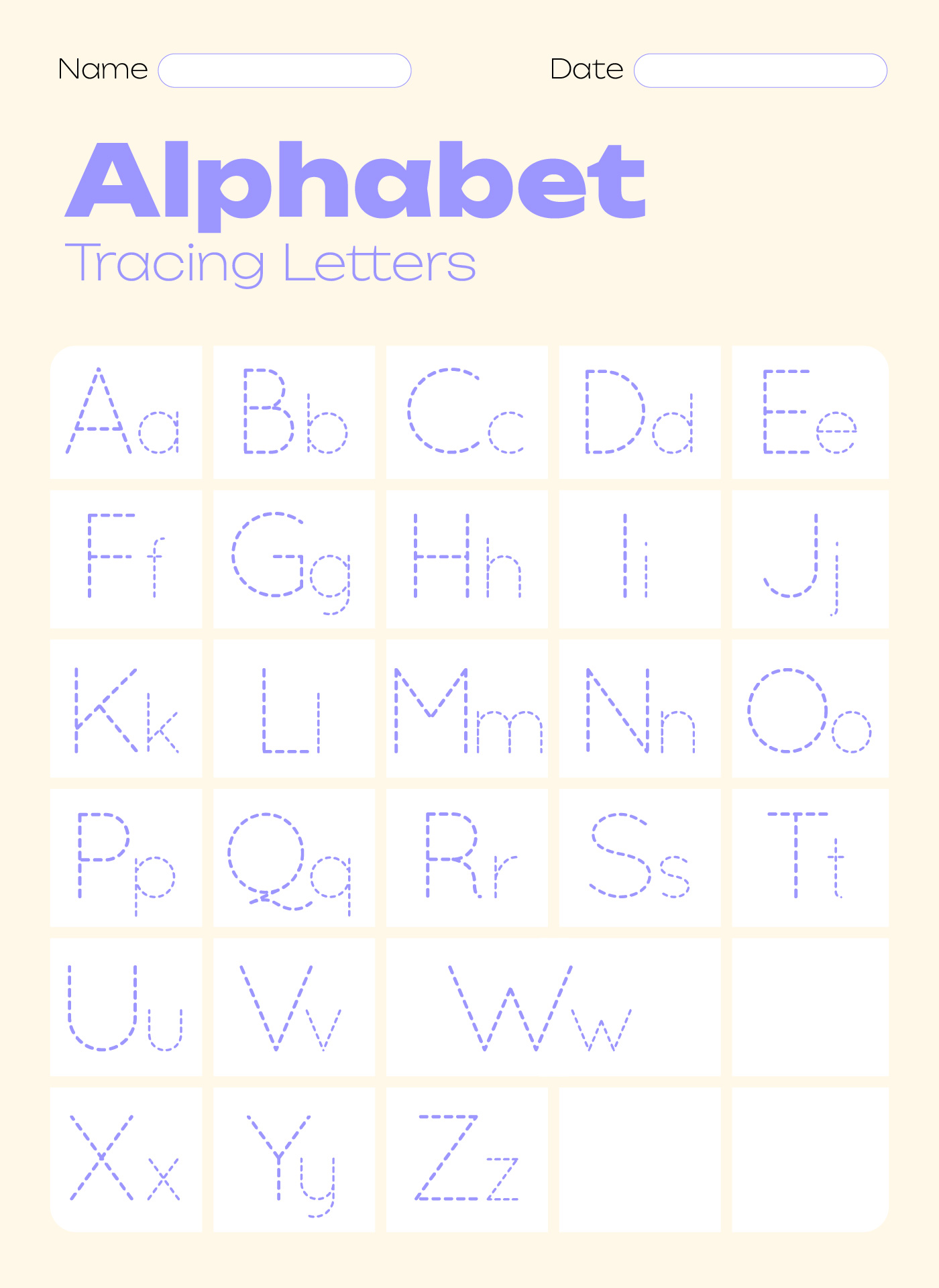
A To Z Tracing Letters resources typically consist of worksheets that feature each letter of the alphabet in both uppercase and lowercase forms. Each letter is outlined for tracing, often accompanied by images or words that start with that letter, enhancing the learning experience.
These resources cater to preschool and kindergarten students, generally aged 3 to 6 years. At this stage, children are developing fine motor skills and learning letter recognition, making tracing a fundamental activity. By using these worksheets, you provide structured support that encourages both handwriting practice and letter familiarity.
How to Use A To Z Tracing Letters
Step 1: Download and Print
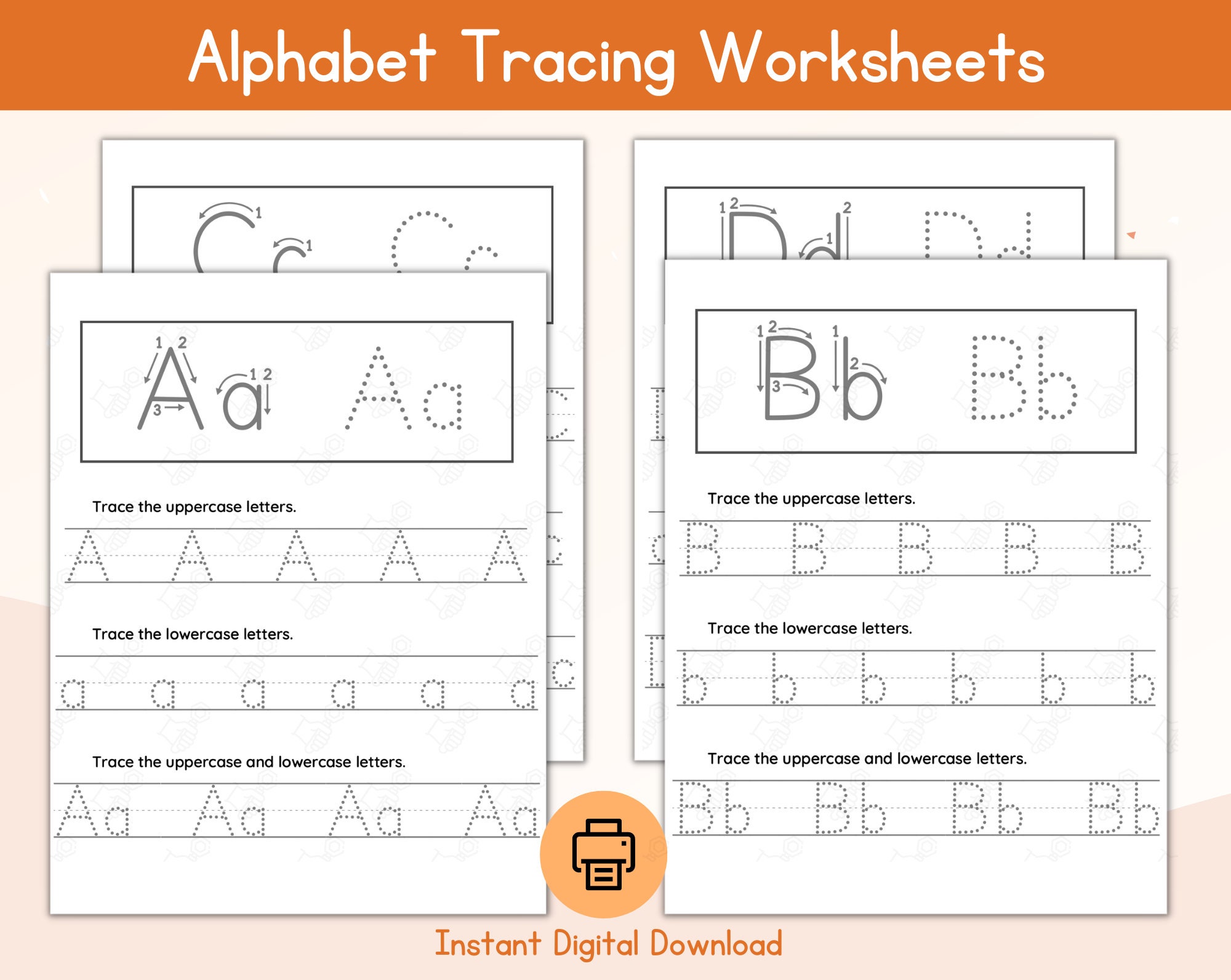
The first step is to select your desired A To Z Tracing Letters worksheets. Many printable-resource websites offer these templates in PDF format. When downloading, ensure your printer settings are adjusted to handle standard letter size (8.5 x 11 inches) for optimal results. Portrait layout usually works best for these worksheets, and printing on cardstock can enhance durability, especially if you plan to use them repeatedly.
Step 2: Gather Your Materials
To make the most of your tracing activities, gather the following materials:
- Pencils or crayons: Choose a variety of colors to keep children engaged.
- Laminator (optional): If you want to reuse the sheets, laminating allows for dry-erase markers to be used for multiple sessions.
- Clipboards: These can provide a stable writing surface, especially if you’re working in different locations around your home or classroom.
Step 3: Introduce the Letters
Begin by introducing the letters of the alphabet in a fun way. You might want to start with the letters in your child’s name or the letters of familiar objects. For example, if you have a dog named Max, start with “M,” “A,” and “X.” This personal connection can make learning more relatable and enjoyable.
Step 4: Tracing Practice
Place the worksheet in front of your child and demonstrate how to trace the letters. Encourage them to follow the arrows if provided, as these indicate the correct stroke order. While tracing, remind them to focus on the shape of each letter, reinforcing both the visual and tactile aspects of writing.
As they gain confidence, you can challenge them to try writing the letters independently on blank lines or in the air. This can enhance their muscle memory and retention.
Step 5: Reinforce Learning
After tracing, take time to reinforce the learning. You can ask your child to name objects that start with each letter or to think of words that rhyme with those objects. This not only helps with letter recognition but also builds vocabulary and phonetic awareness.
Step 6: Review and Repeat
Regular practice is key to mastery. Incorporate A To Z Tracing Letters worksheets into your weekly routine. You might set aside specific days for tracing practice or integrate it into other activities, like arts and crafts.
For instance, after tracing the letter “B,” you could have a coloring session where they color pictures of butterflies or balloons. This kind of integration makes learning more cohesive and enjoyable.
Additional Benefits of Tracing Letters
Using A To Z Tracing Letters resources offers more than just handwriting practice. Here are a few additional benefits:
- Fine Motor Skills Development: Tracing helps children develop the small muscles in their hands and fingers, essential for writing.
- Focus and Concentration: Engaging with tracing activities encourages children to focus on the task at hand, which is an important skill for their overall academic journey.
- Confidence Building: As children see their progress in tracing, it builds their confidence in their writing abilities, encouraging them to attempt more challenging tasks.
Finding Quality Printable Resources
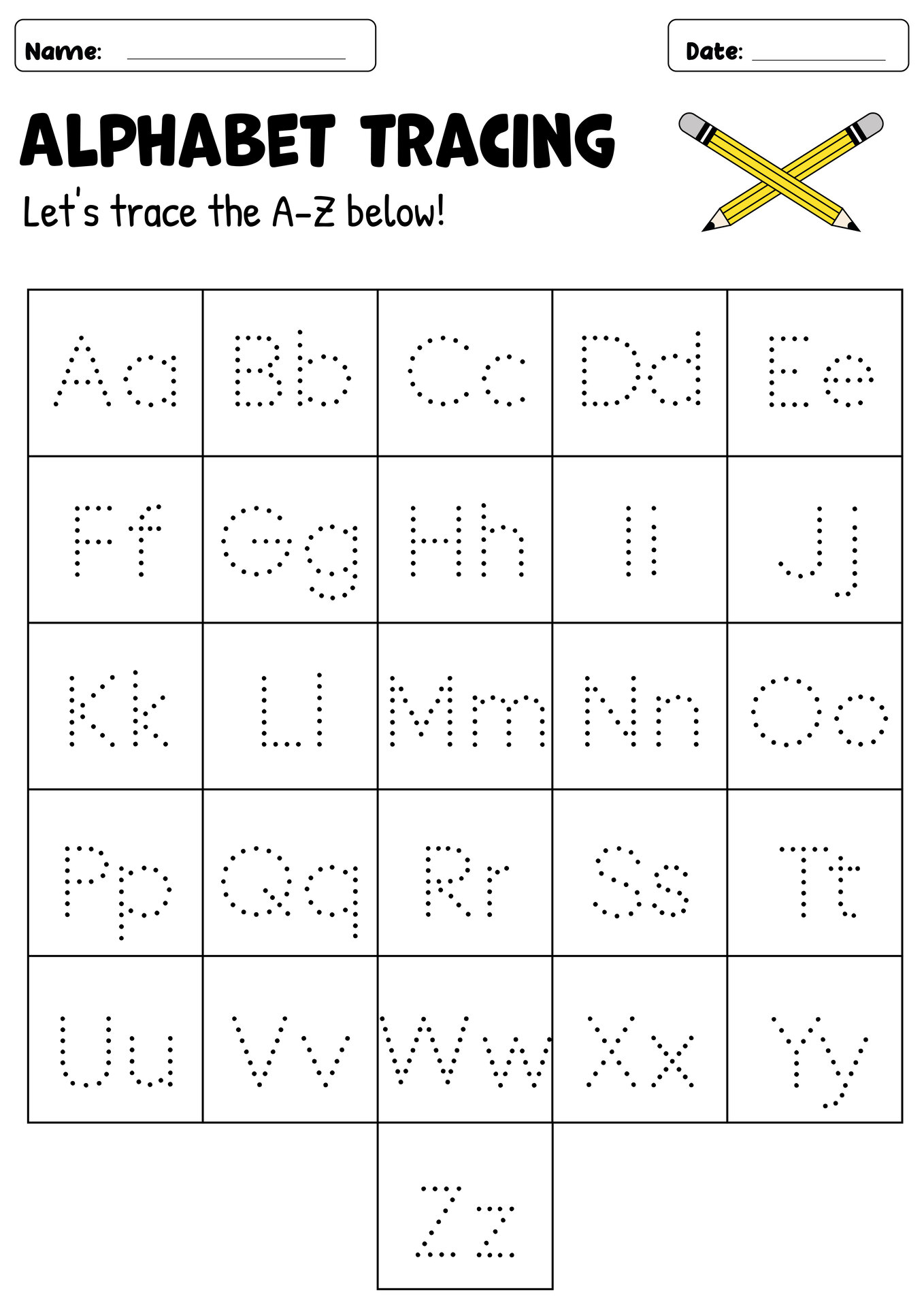
When searching for A To Z Tracing Letters worksheets, look for reputable sites that offer high-quality, free or low-cost printables. Ensure they provide clear lines for tracing and appealing visuals. Websites dedicated to educational resources often have user reviews or ratings, helping you to choose the best options for your needs.
It’s also beneficial to check if the site provides variations of the worksheets, such as different fonts or styles, to keep the activities fresh and engaging for your child.
Incorporating A To Z Tracing Letters into your educational toolkit can transform the way your child learns to write. With the right resources and a structured approach, you can create a fun and effective learning environment. The most useful detail to remember is that regular practice not only improves handwriting but also fosters a love for learning in young children.