4th Grade Reading Comprehension Passages
Reading comprehension is a fundamental skill that students need to master, especially in 4th grade. At this stage, children start to encounter more complex texts, and it becomes essential for them to understand not just the words, but also the context, themes, and nuances within a passage. Utilizing 4th Grade Reading Comprehension Passages can be an effective way to help your students develop these skills. Here, I’ll guide you through how to effectively use these resources in your classroom.
Understanding 4th Grade Reading Comprehension Passages
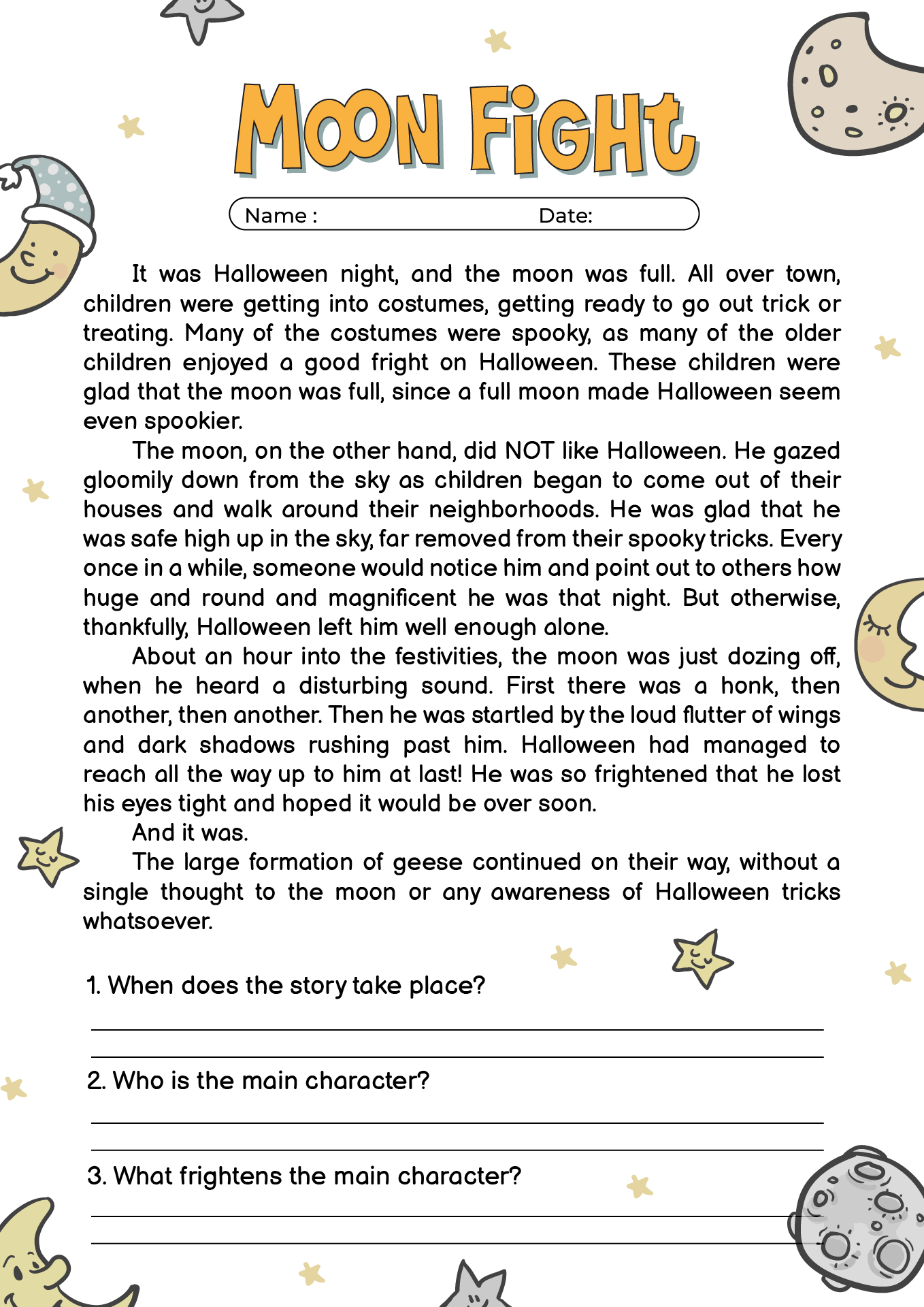
4th Grade Reading Comprehension Passages are specifically designed to align with the curriculum standards for this grade level. These passages often include a variety of genres such as fiction, non-fiction, poetry, and informational texts. They aim to challenge students while also being engaging enough to hold their interest.
When selecting passages, consider the following aspects:
- Text Complexity: Ensure the passages match the reading level of your students. They should be challenging but not so difficult that students feel frustrated.
- Diversity of Topics: Choose a range of subjects to cater to different interests. This can include science, history, personal narratives, and more.
- Length: Typically, passages are between 100 to 300 words, allowing for focused reading without overwhelming students.
How to Use 4th Grade Reading Comprehension Passages in Class
Once you have your passages ready, here are some practical ways to implement them in your lessons:
Guided Reading Sessions
In guided reading, you can read the passage together as a class. This provides an opportunity to model good reading practices, such as pausing to ask questions, making predictions, and summarizing. After reading, discuss the passage as a group. Ask open-ended questions that require students to think critically about what they have read.
Independent Practice
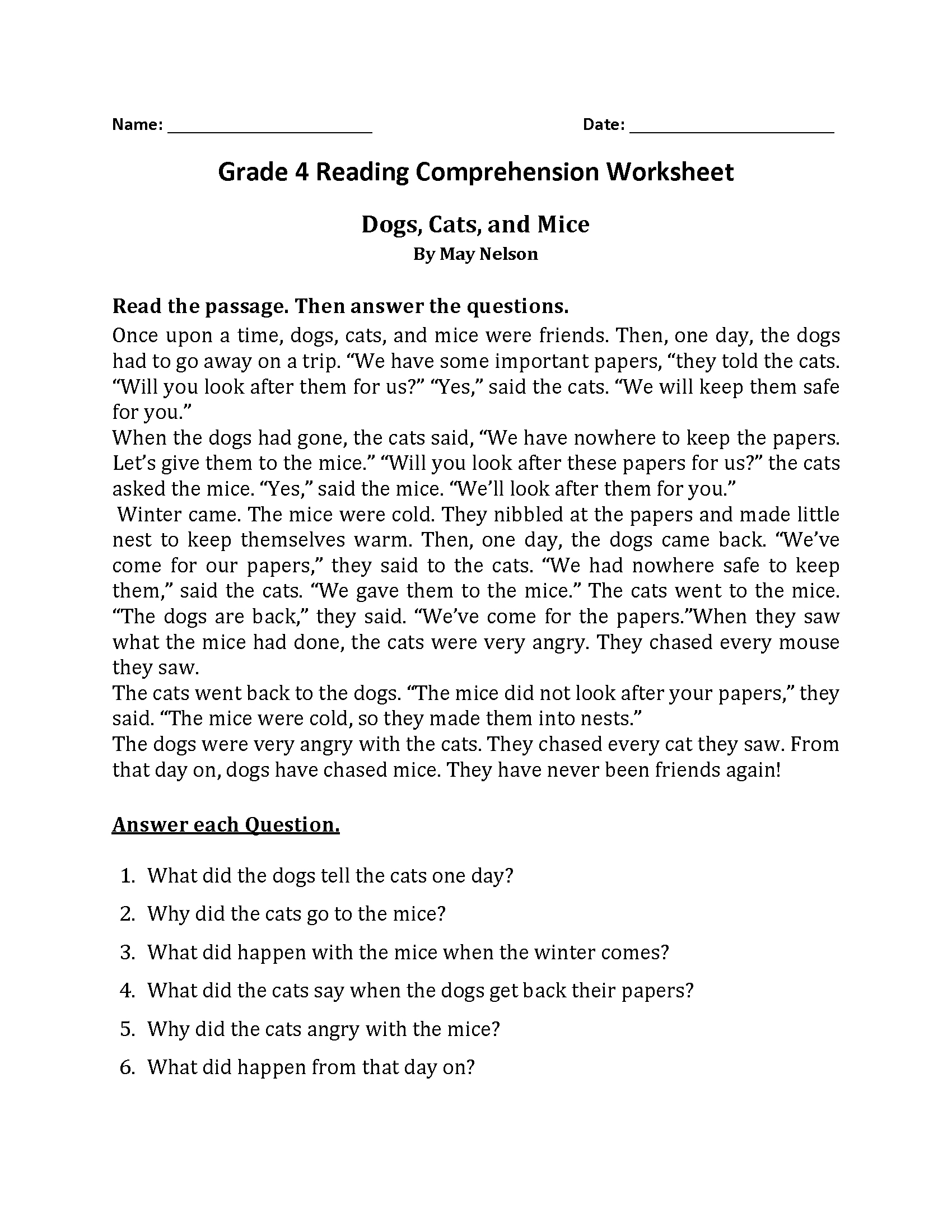
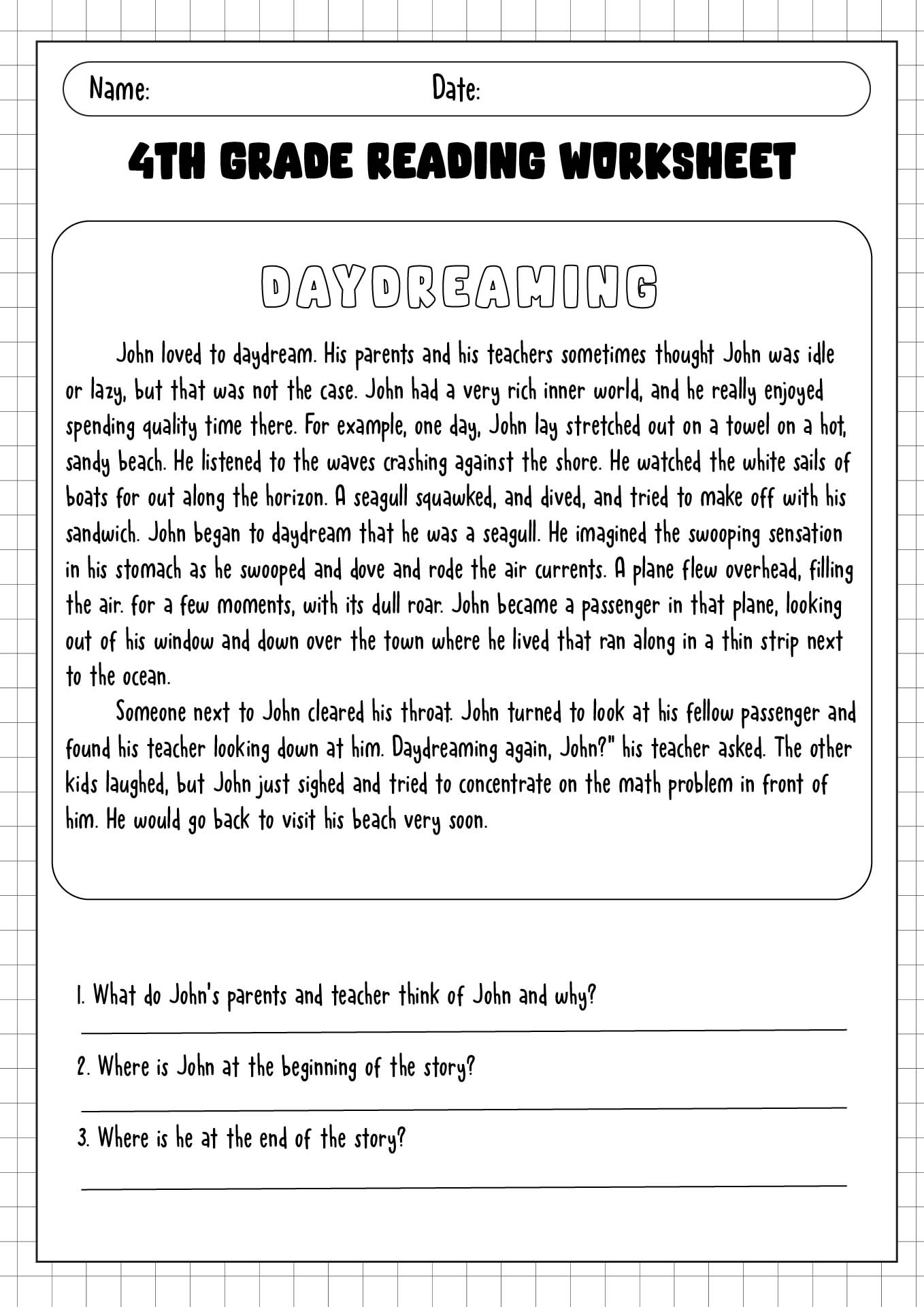
After a guided reading session, provide students with a passage to read independently. This allows them to practice their comprehension skills on their own. After reading, they can complete a worksheet that includes questions about the text. These questions can range from multiple-choice to short answer formats, helping to assess their understanding.
Group Discussions
Encourage students to work in small groups to discuss the passage. This peer interaction fosters a collaborative learning environment. They can share insights, ask each other questions, and even debate different interpretations of the text. Group discussions can be particularly effective in developing critical thinking skills.
Integrating Writing Exercises
After reading comprehension exercises, consider integrating writing tasks. Have students write a summary of the passage or create a new ending. This not only reinforces their understanding but also enhances their writing skills. You could also ask them to draw a scene from the passage, combining art with literacy.
Finding Quality 4th Grade Reading Comprehension Passages
There are numerous resources available online where you can find printable and downloadable 4th Grade Reading Comprehension Passages. Here are a few tips for finding high-quality materials:
- Educational Websites: Look for websites that specialize in educational resources. Many of these sites offer free or low-cost printable worksheets and passages.
- Teacher Resource Platforms: Websites like Teachers Pay Teachers often have a range of materials created by educators for educators. You can find unique passages that align with specific learning objectives.
- Library Resources: Don’t forget to check your school or local library. They often have collections of reading materials that can be printed or copied.
Tips for Printing and Using Passages Effectively
When you’re ready to print and use the passages, keep these tips in mind:
- Use High-Quality Paper: If possible, print on heavier paper to ensure durability, especially if you plan to use the passages multiple times.
- Check Printer Settings: Ensure your printer settings are adjusted for the best quality. Consider using portrait layout, which typically works better for documents with text.
- Organize Passages: Create a binder or folder to keep your passages organized by topic or reading level. This will save you time when planning future lessons.
Engaging Students With Comprehension Passages
To maintain student interest, it’s crucial to make reading comprehension engaging. Here are some strategies:
- Incorporate Technology: If your classroom has access to technology, consider using online reading platforms that feature interactive texts. Many of these platforms have built-in comprehension questions and activities.
- Connect to Real-World Contexts: Try to relate the passages to students’ lives. Discuss current events or personal experiences that tie back to the themes in the reading. This makes the material more relevant and stimulating.
- Use Visual Aids: Pair the passages with visual aids like charts or videos that complement the text. This can help students visualize concepts and improve understanding.
By implementing these strategies, you can enhance your students’ reading comprehension skills using 4th Grade Reading Comprehension Passages. The key is to create a supportive and engaging learning environment that encourages critical thinking and discussion.
As you prepare your lessons, remember to consider the interests and reading levels of your students. Tailoring your approach will help foster a love for reading and improve comprehension skills that are vital for their academic success. Start by selecting a passage that resonates with your class today!