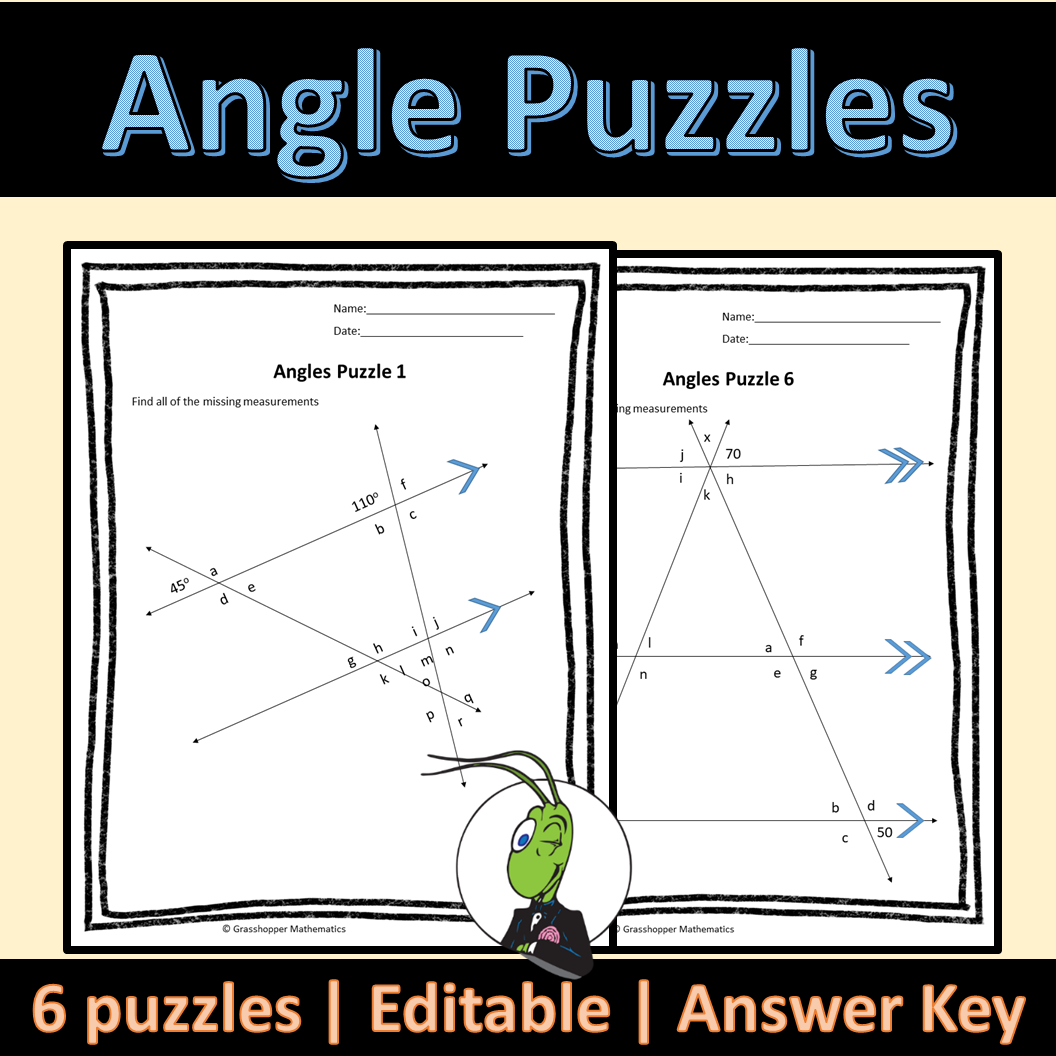
Angle Puzzle #1 Worksheet Answers
Understanding angles can be tricky for kids, especially when they’re just starting to explore geometry. The Angle Puzzle #1 Worksheet Answers provide a fun and interactive way to help your child grasp these concepts. This resource is perfect for parents looking to support their child’s learning at home or in a homeschool setting. With engaging puzzles and clear answers, you can easily integrate this worksheet into your routine.
What is the Angle Puzzle #1 Worksheet?
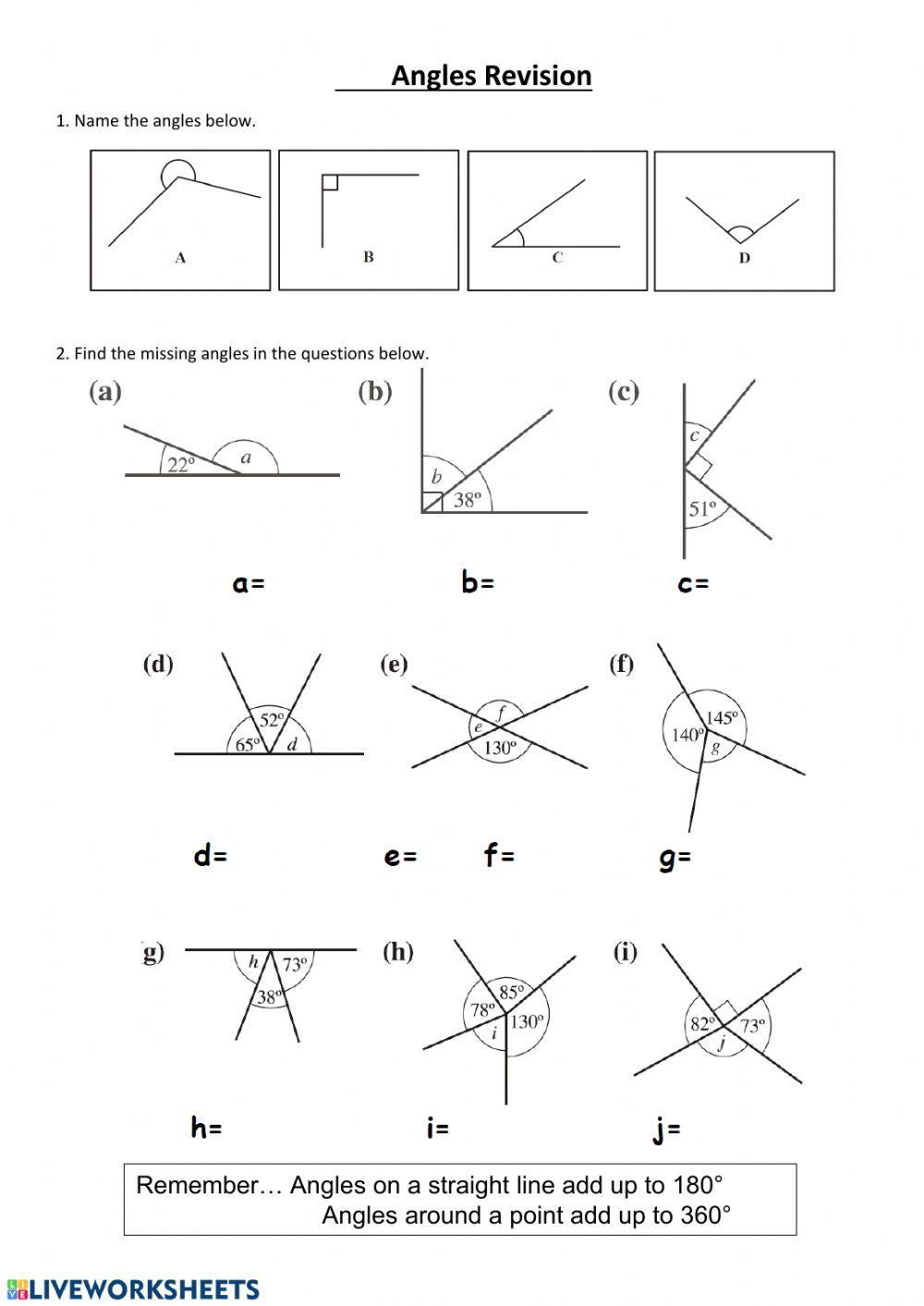
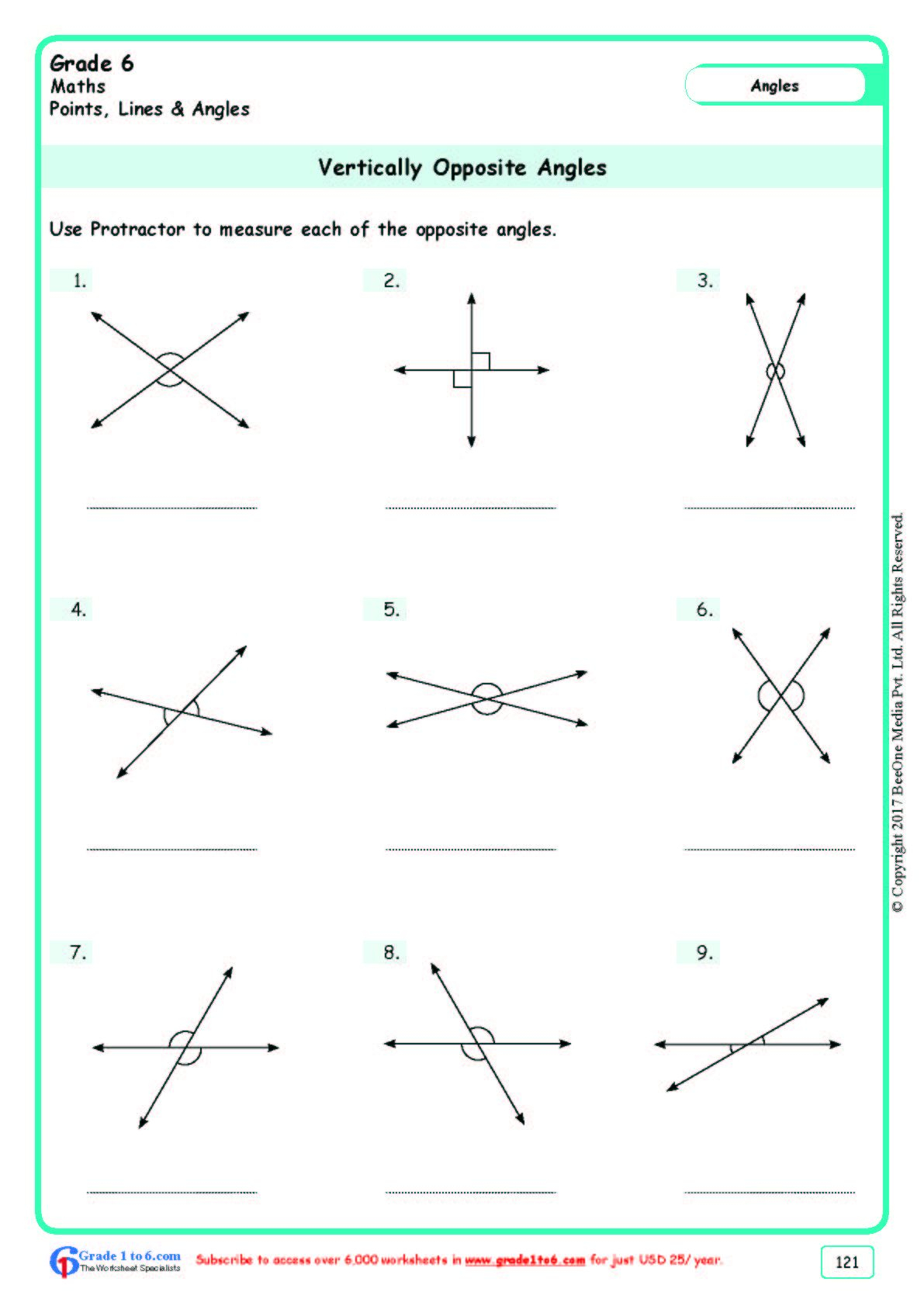
The Angle Puzzle #1 Worksheet is designed for children, typically in grades 4 to 6, who are beginning to learn about angles and their properties. This worksheet features various puzzles that challenge kids to identify, measure, and calculate angles. The goal is to make learning about angles enjoyable and stimulating, encouraging kids to think critically while solving the puzzles.
The worksheet includes different types of angle-related problems, such as identifying acute, obtuse, and right angles. It also features practical applications, making it a great tool for reinforcing classroom lessons or supplementing homeschool activities.
How to Use the Angle Puzzle #1 Worksheet
Using the Angle Puzzle #1 Worksheet is straightforward, and it can fit seamlessly into your home learning routine. Here’s a step-by-step guide to make the most of this resource:
- Download and Print: Start by downloading the worksheet from the website. Ensure that you print it on standard A4 or letter-sized paper, which is typically compatible with most home printers. Using a printer that offers good quality will help the visuals stand out, making it easier for your child to engage with the puzzles.
- Gather Required Materials: For some questions, your child may need a protractor or a ruler. Having these tools handy will allow them to measure angles accurately. If you want to make it even more fun, consider using colored pencils to highlight different angles or parts of the puzzles.
- Set Up a Learning Environment: Create a quiet, well-lit space where your child can focus on the worksheet. Remove distractions and provide a comfortable workspace. This can be their desk or a cozy corner in the living room.
- Explain the Concepts: Before diving into the worksheet, take a moment to explain the basics of angles. Discuss what acute, right, and obtuse angles are, and give some real-life examples, like the corners of books or the angles in a triangle.
- Encourage Independent Work: Allow your child to work through the puzzles independently, but be available for questions or guidance. This encourages problem-solving skills and boosts confidence. If they’re struggling, offer hints rather than direct answers to help them think through the problems.
The Importance of Angle Recognition
Understanding angles is fundamental not just in math but also in everyday life. Recognizing angles helps children develop spatial awareness and problem-solving skills, which are essential for subjects like engineering, architecture, and art. The Angle Puzzle #1 Worksheet Answers reinforce these skills in a playful manner that keeps kids engaged.
By encouraging your child to explore angles through puzzles, you’re promoting critical thinking and analytical skills. Plus, it’s a great way to spend quality time together. You might even learn a thing or two about angles yourself!
Checking the Angle Puzzle #1 Worksheet Answers
Once your child has completed the worksheet, it’s time to check their answers. This part is crucial as it reinforces their learning and helps identify areas where they may need more practice. Here’s how to do this effectively:
- Review Together: Go through the answers with your child. It’s important to discuss not just the correct answers but also the reasoning behind them. Ask questions like, “How did you determine that this angle is acute?” This encourages them to articulate their thought process.
- Identify Mistakes: If your child made errors, gently point them out and discuss why they were incorrect. Use this as a teaching moment to clarify concepts or methods they might have misunderstood.
- Reinforce Learning: After reviewing, consider providing additional practice problems or a similar worksheet to reinforce the concepts learned. This can solidify their understanding and boost their confidence.
- Celebrate Success: Don’t forget to celebrate their achievements! Whether they completed the worksheet correctly or learned something new, positive reinforcement goes a long way in encouraging a love for learning.
Additional Resources for Angle Learning
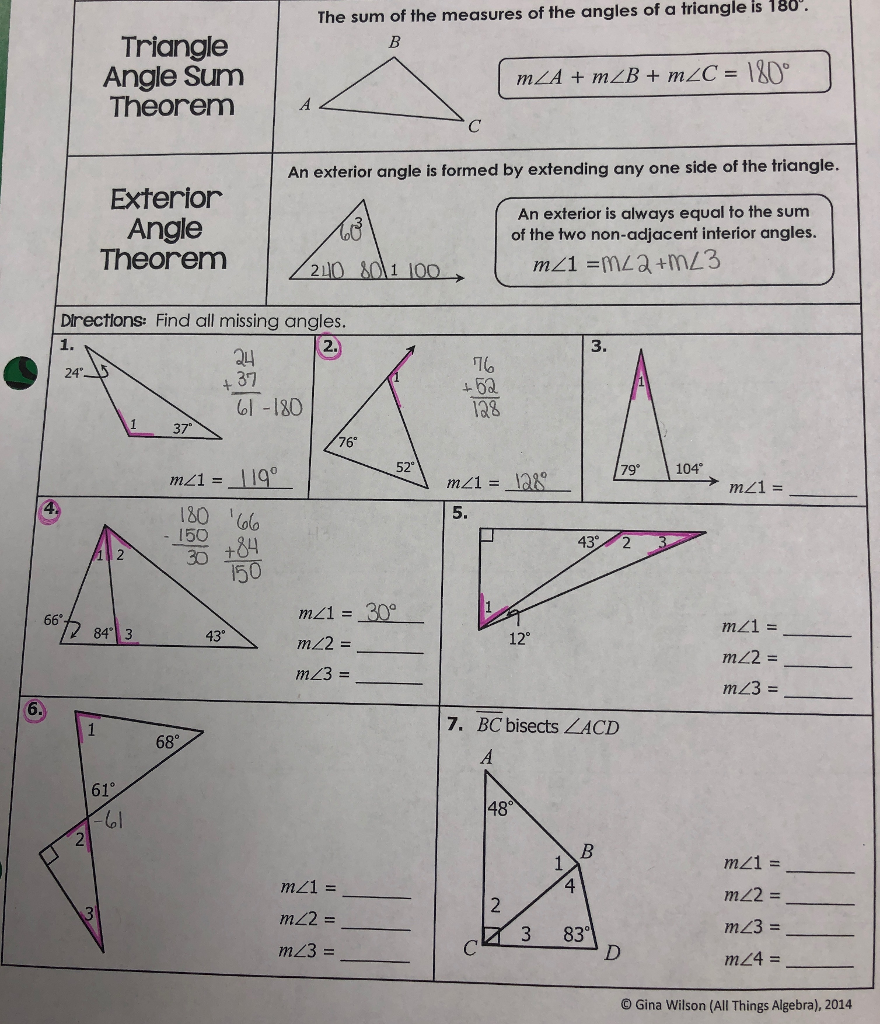
If your child enjoys the Angle Puzzle #1 Worksheet and you’re looking for more resources, consider these options:
- Online Games and Apps: Many educational websites offer interactive games focused on angles and geometry. These can make learning even more engaging.
- Books and Workbooks: Look for geometry workbooks aimed at their grade level. These often include a variety of problems and activities to deepen understanding.
- Hands-On Activities: Incorporate real-world activities, like measuring angles in the home (door frames, furniture) or even in nature (like the angles of tree branches).
By using a combination of worksheets, games, and real-life applications, you can foster a well-rounded understanding of angles for your child.
Remember, the key to successful learning is making it fun and relevant. So, grab your Angle Puzzle #1 Worksheet Answers, and let the learning begin!
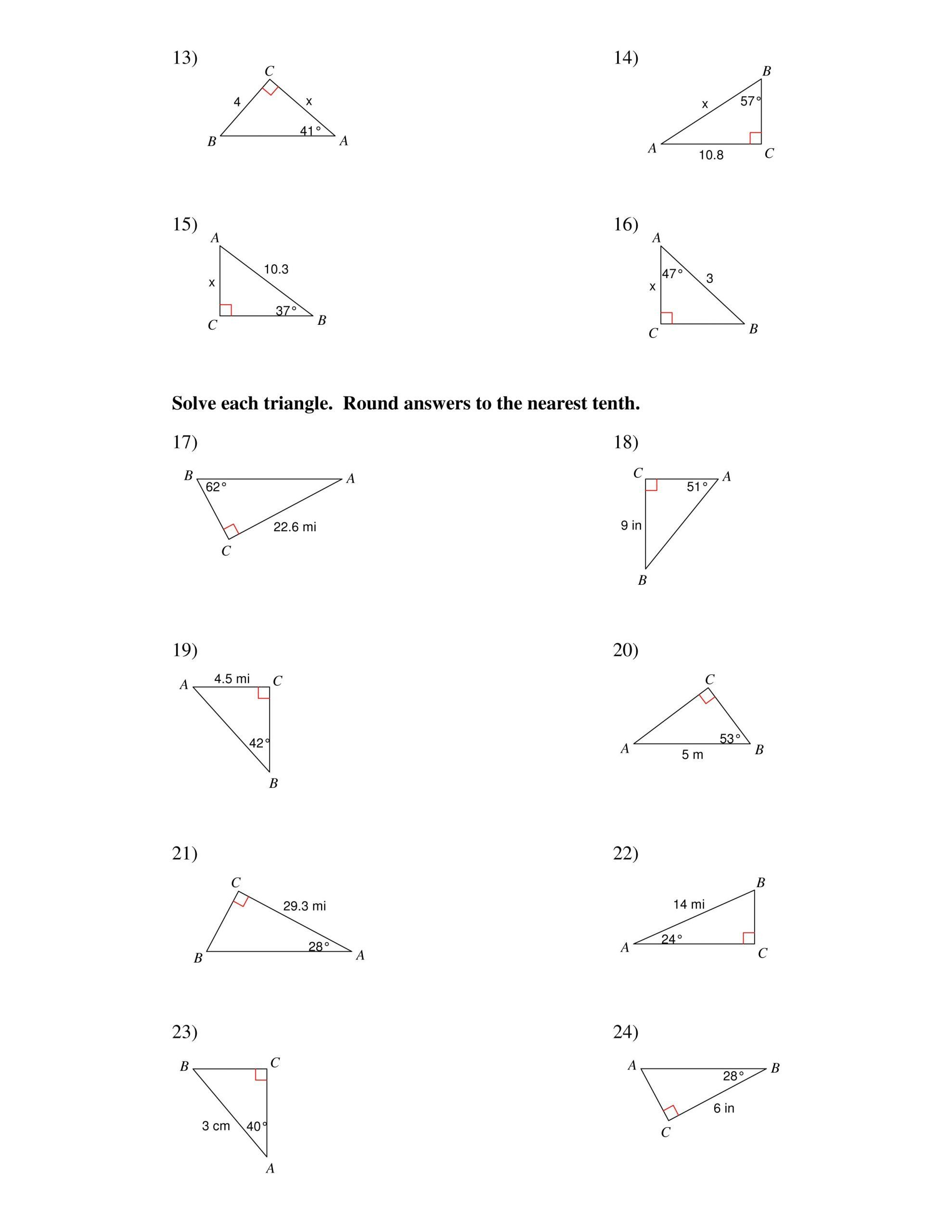
Angle Puzzle #1 Worksheet Answers Gallery