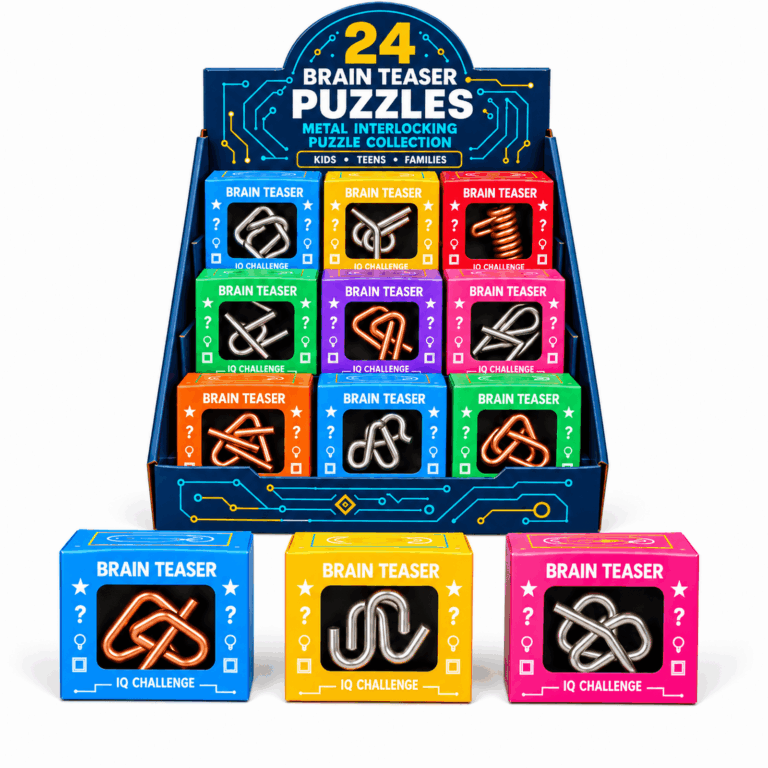
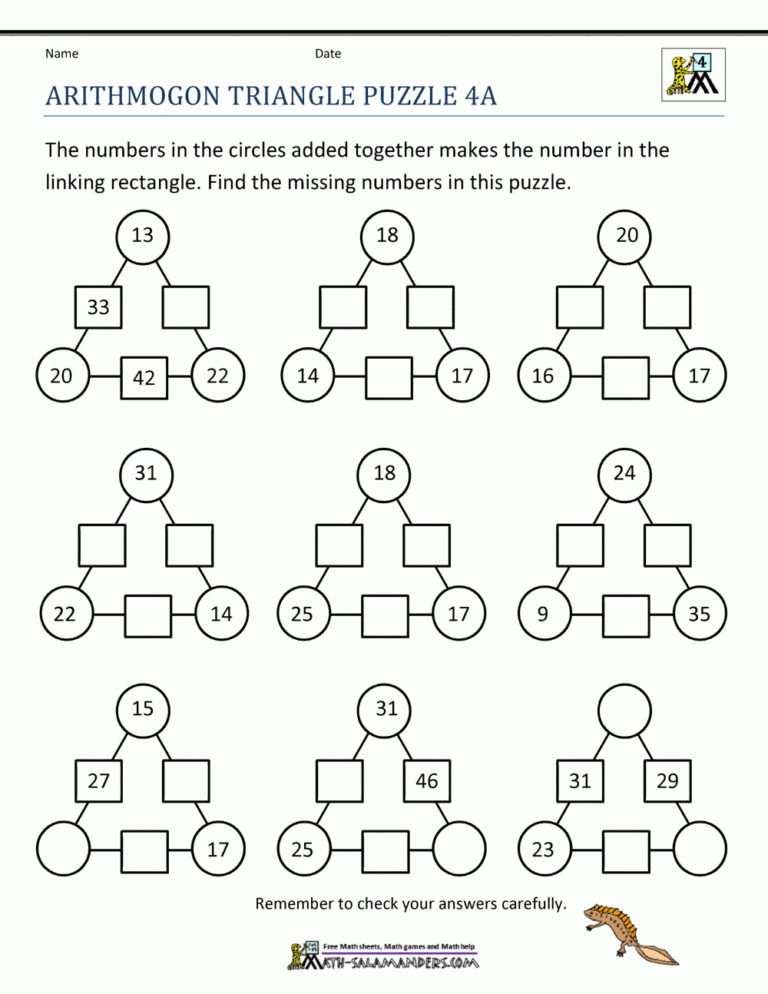
Brain Teasing Puzzles With Answers
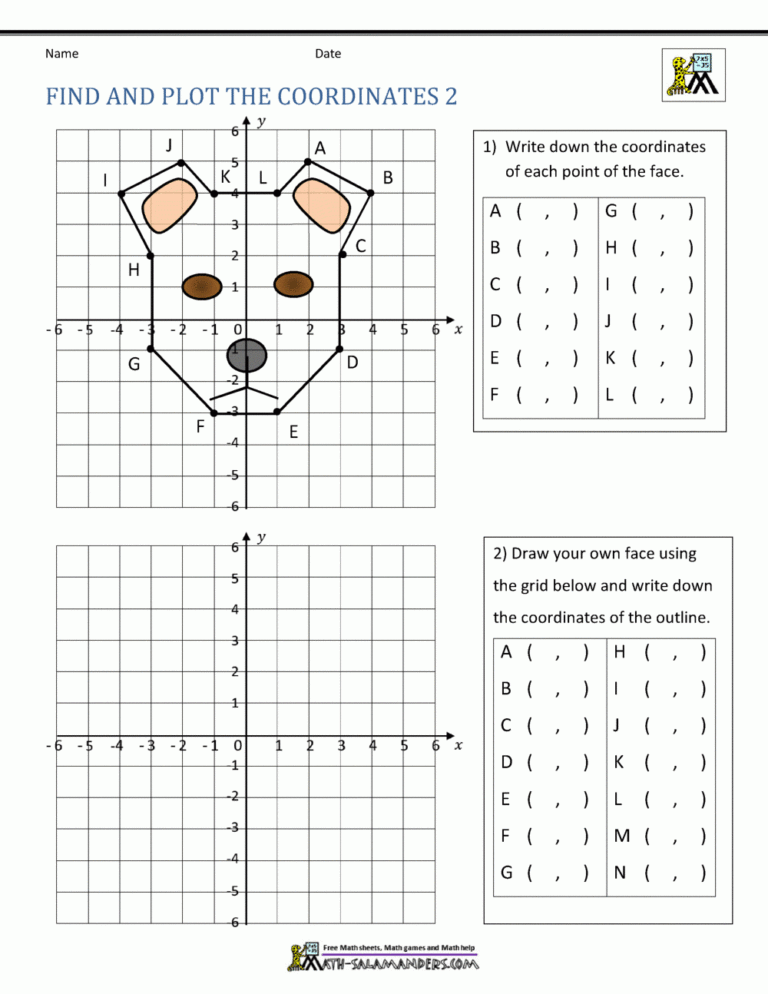
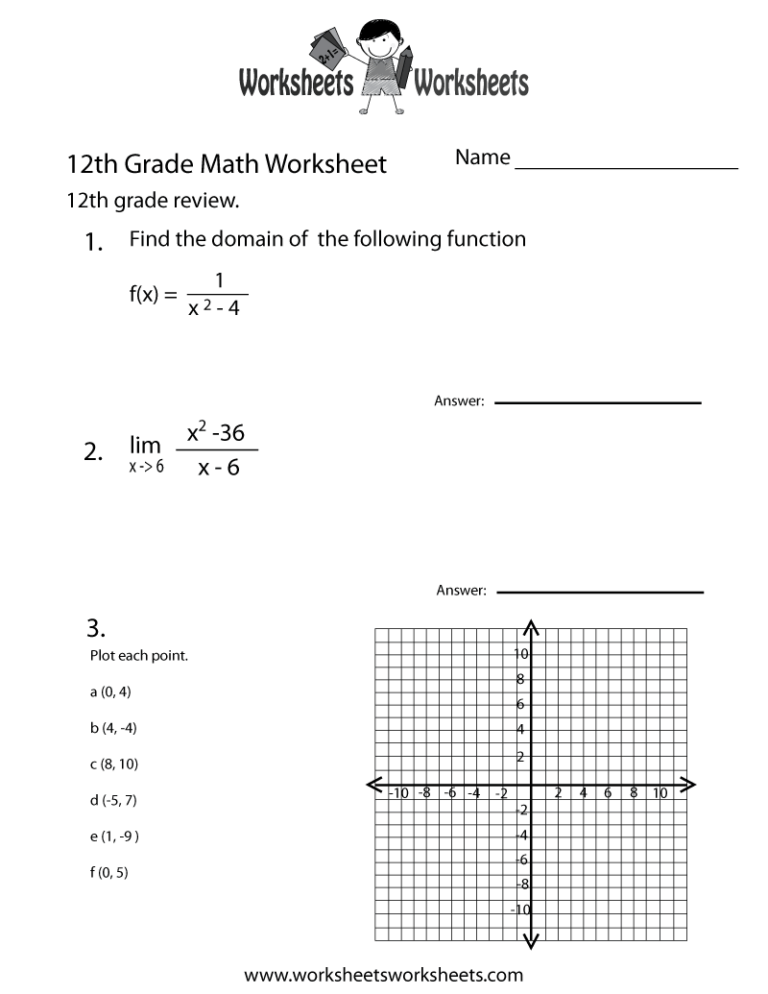
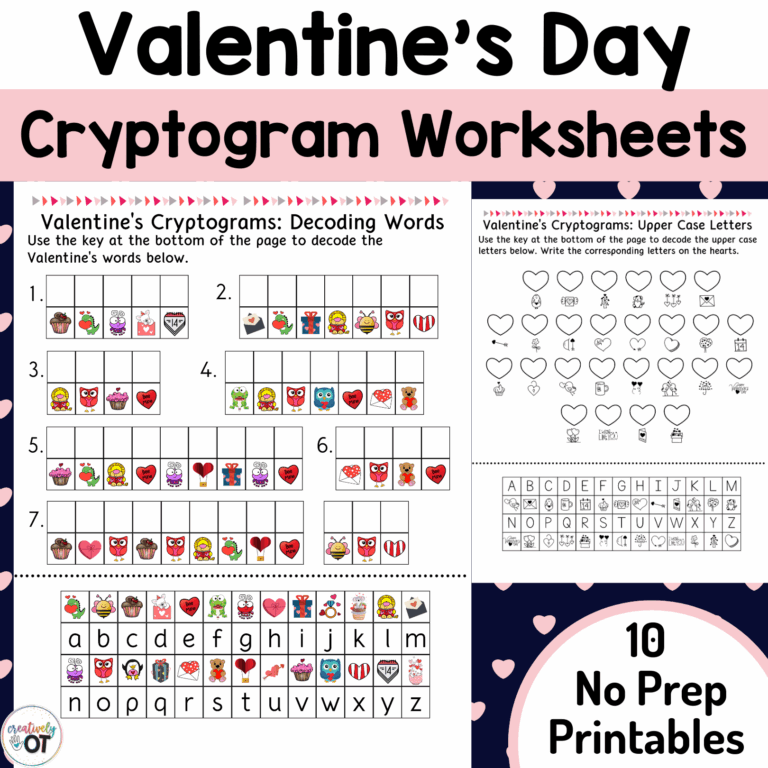
Brain Teasing Puzzles With Answers can be a fantastic way to engage students and develop their problem-solving skills. These printable puzzles often come in various formats, including crosswords, riddles, and logic puzzles. Each puzzle typically includes answers, making them easy to use in the classroom without additional preparation.
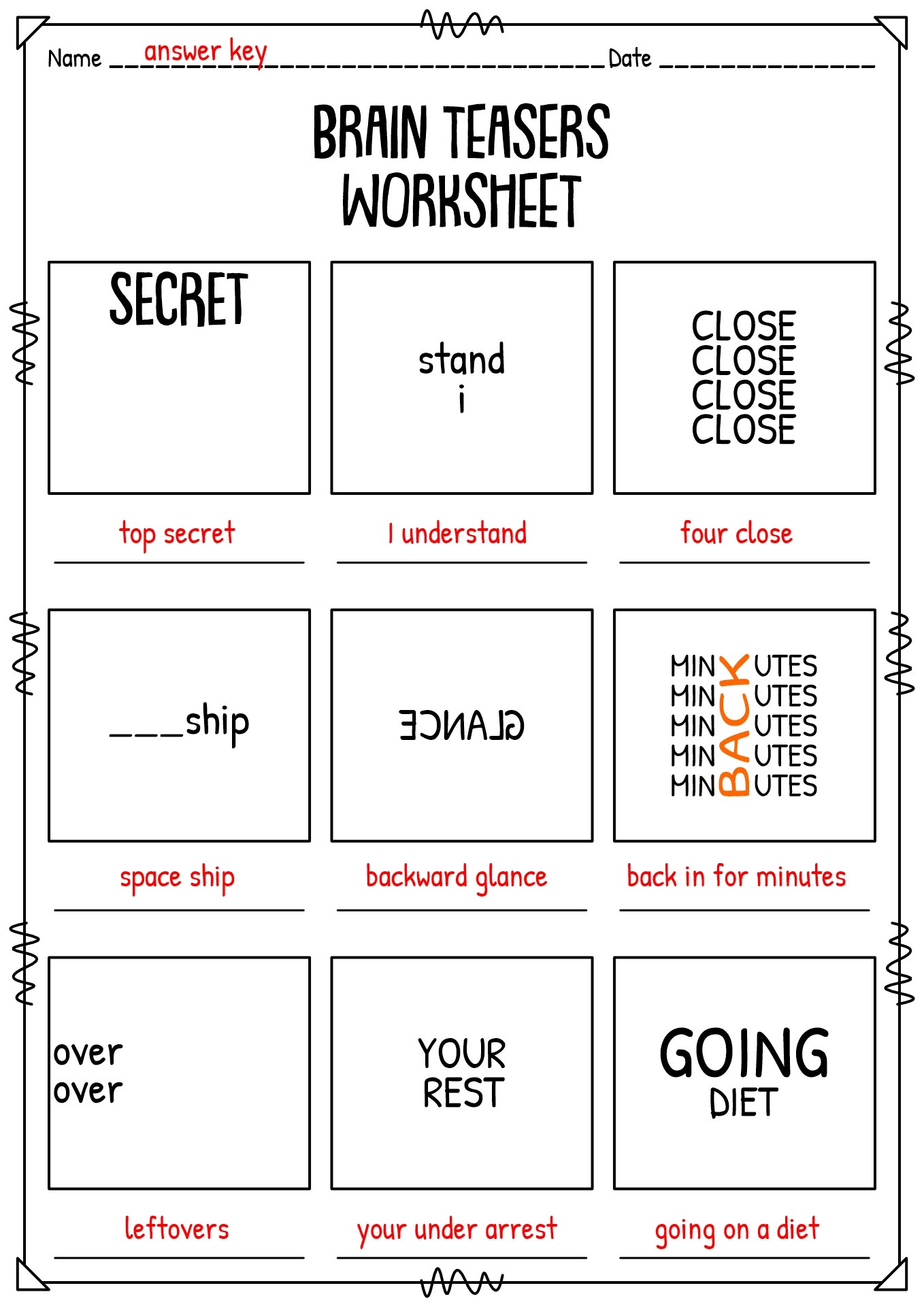
Understanding the Benefits of Brain Teasing Puzzles
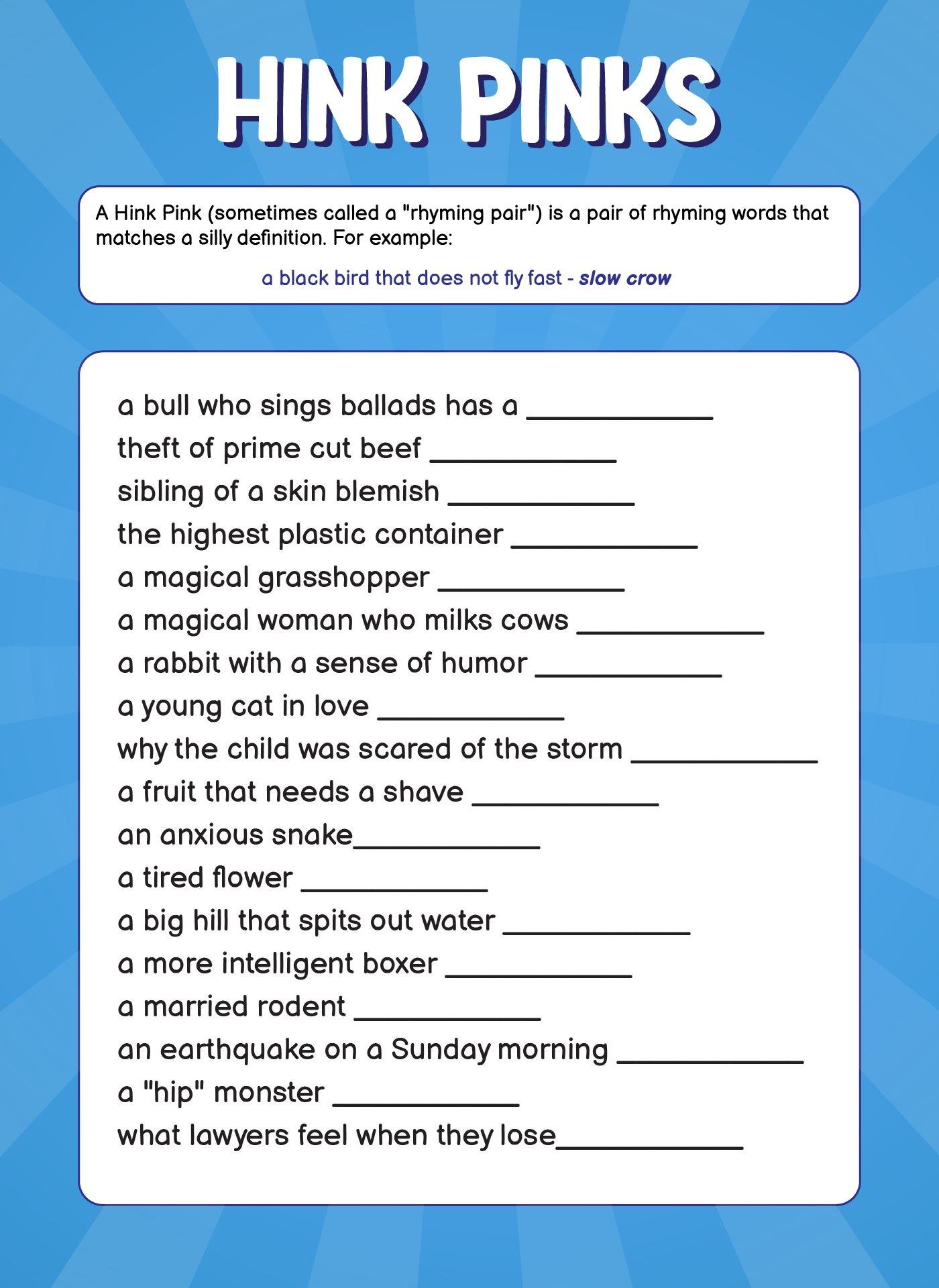
Before diving into the specifics of downloading and using these puzzles, it’s essential to understand their educational value. Brain teasing puzzles enhance critical thinking, improve concentration, and encourage teamwork among students. They can be used as a warm-up activity or a fun way to break up more intense study sessions.
Incorporating these puzzles into your lesson plans can lead to increased engagement and retention of material. Students often enjoy the challenge, which fosters a positive learning environment.
How to Find and Download Brain Teasing Puzzles
Finding the right puzzles is simple, especially with the wealth of resources available online. Many websites specialize in educational materials and offer free or low-cost downloads. Here’s how to find and download puzzles effectively:
- Search for Specific Resources: Use terms like “printable brain teasers” or “brain teasing puzzles with answers” in your search engine. This will help you locate resources tailored to your needs.
- Check for Grade Appropriateness: Ensure that the puzzles are suitable for the age group you’re teaching. Many resources categorize puzzles by grade level, making it easier to find the right fit.
- Download Formats: Look for files available in PDF format, as these maintain consistent formatting across different devices. This is crucial for ensuring that the puzzles print correctly without any formatting issues.
- Preview Before Downloading: Many sites allow you to preview the puzzles before you download them. Take advantage of this feature to ensure the puzzles meet your expectations.
- Check Licensing: Make sure the puzzles are free to use in your classroom. Some resources may require attribution or have restrictions on use.
Printing and Preparing the Puzzles
Once you’ve downloaded your chosen brain teasing puzzles, it’s time to print them. Here are a few practical tips for printing:
- Paper Quality: Use good-quality paper for printing, such as cardstock or high-quality printer paper. This will ensure the puzzles hold up during use, especially if they’re shared among students.
- Printer Settings: If your puzzles are designed in a landscape format, ensure your printer settings reflect this. Most home printers handle portrait layout better, so verify the layout before printing.
- Cutting and Distributing: If you have multiple puzzles on one page, consider cutting them into individual sheets for easier distribution. This will save you time during class and keep students organized.
Engaging Students With the Puzzles
Once the puzzles are printed, the next step is to engage your students. Here are some creative ways to incorporate brain teasing puzzles into your lessons:
- Team Challenges: Divide your class into small groups and give each group a different puzzle. Encourage them to work together to solve the puzzle within a set time frame. This promotes collaboration and communication.
- Puzzle Stations: Set up different stations around the classroom, each featuring a different type of puzzle. Allow students to rotate through the stations, giving them a chance to experience various challenges.
- Homework Assignments: Assign puzzles as homework to reinforce concepts learned in class. This can be particularly effective for subjects like math or language arts.
- Incentives: Consider providing small rewards for students who complete puzzles successfully or for those who help others. This can motivate students and create a supportive classroom environment.
Answer Keys and Feedback
Having answer keys available is crucial for both you and your students. Here’s how to best utilize them:
- Immediate Feedback: After students complete a puzzle, provide them with the answer key so they can check their work. This immediate feedback is beneficial for learning.
- Discussion Opportunities: Use the answer keys to facilitate discussions about problem-solving strategies. Ask students how they arrived at their answers and what methods they used to solve the puzzles.
- Encourage Reflection: After completing the puzzles, have students reflect on what strategies worked best for them. This can enhance their critical thinking skills and help them approach future challenges with a better mindset.
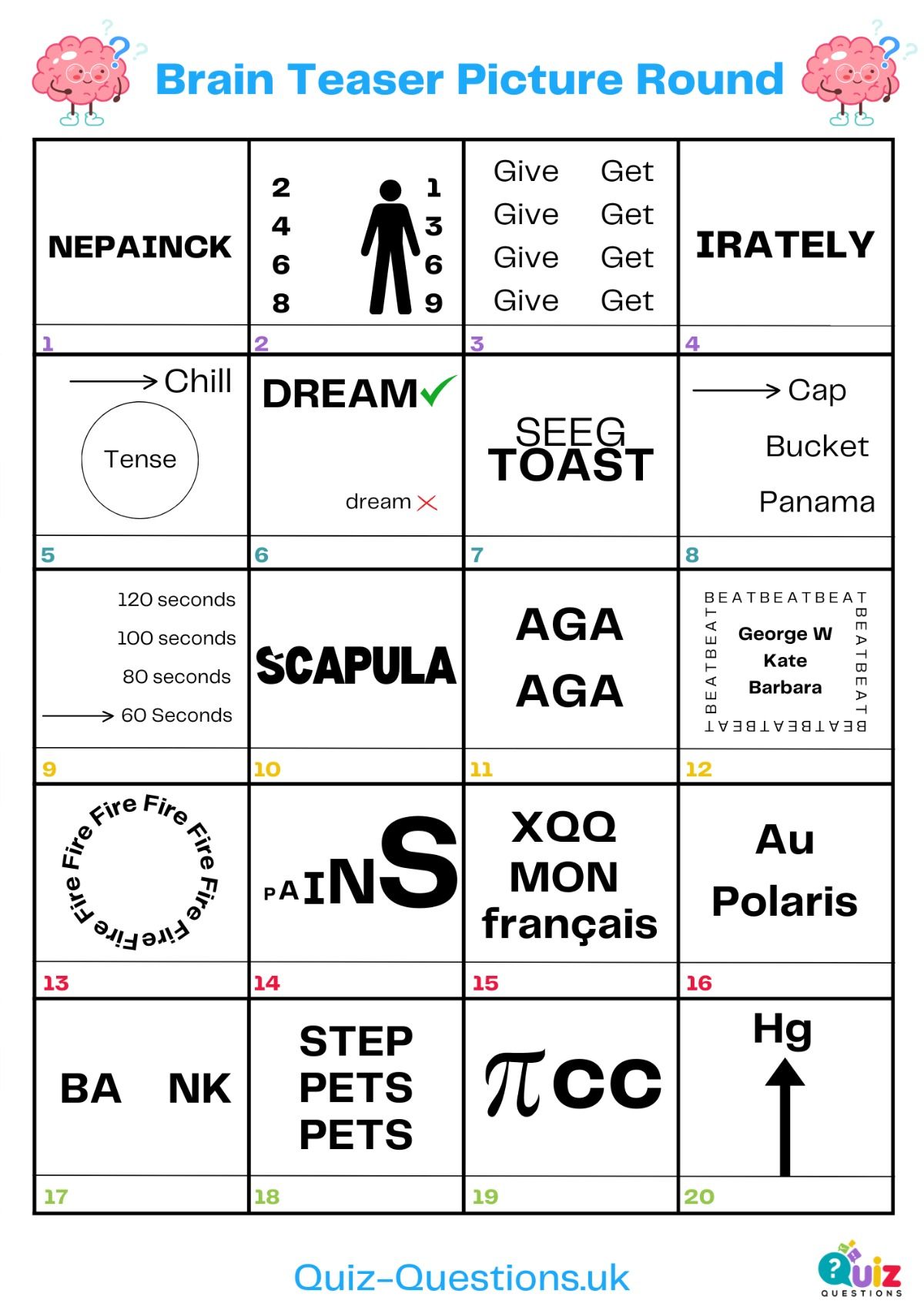
Creating Your Own Brain Teasing Puzzles
If you’re feeling creative, consider designing your own brain teasing puzzles. This allows you to tailor the content specifically to your curriculum. Here are some tips:
- Use Simple Tools: There are various online tools and software available that can help you create puzzles quickly and easily. Look for tools that allow you to design crosswords, word searches, or logic puzzles.
- Align with Curriculum: Make sure your puzzles align with the subjects you are teaching. Incorporate vocabulary words, math problems, or historical facts to reinforce learning.
- Test Your Puzzles: Before giving them to students, test your puzzles on a colleague or friend to ensure they are challenging but solvable.
Incorporating Brain Teasing Puzzles With Answers into your teaching can significantly enhance students’ learning experiences. By choosing appropriate puzzles, preparing them effectively, and engaging students creatively, you create an environment where critical thinking flourishes. Remember, these puzzles not only serve as a fun activity but also as a powerful educational tool that fosters essential skills in your classroom.