Fill.In As A Puzzle
When teaching, finding engaging ways to reinforce learning can be a challenge. Students often need varied methods to practice and retain information. Fill.In As A Puzzle is a fantastic resource that combines fun and education, allowing students to fill in blanks or missing pieces in a puzzle format. This resource not only captures their interest but also reinforces key concepts in an interactive way.
Understanding Fill.In As A Puzzle
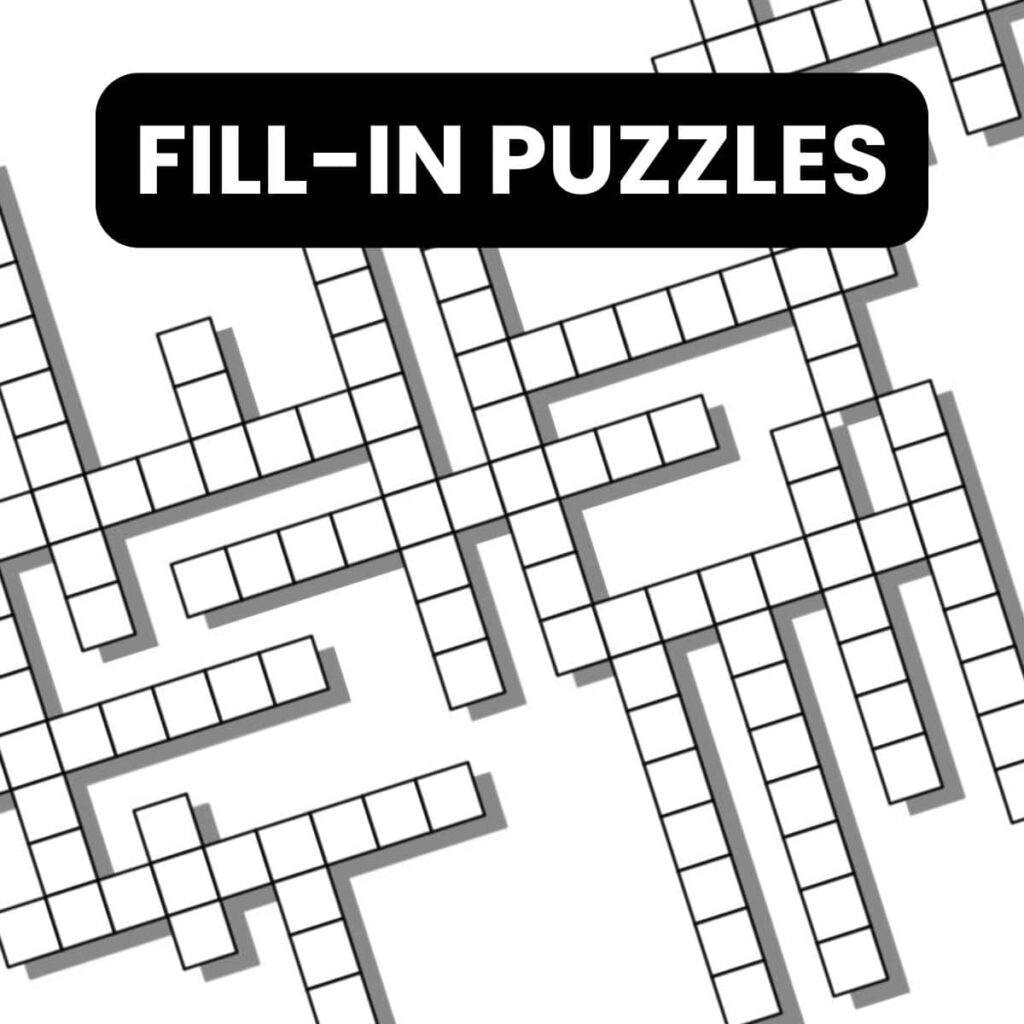
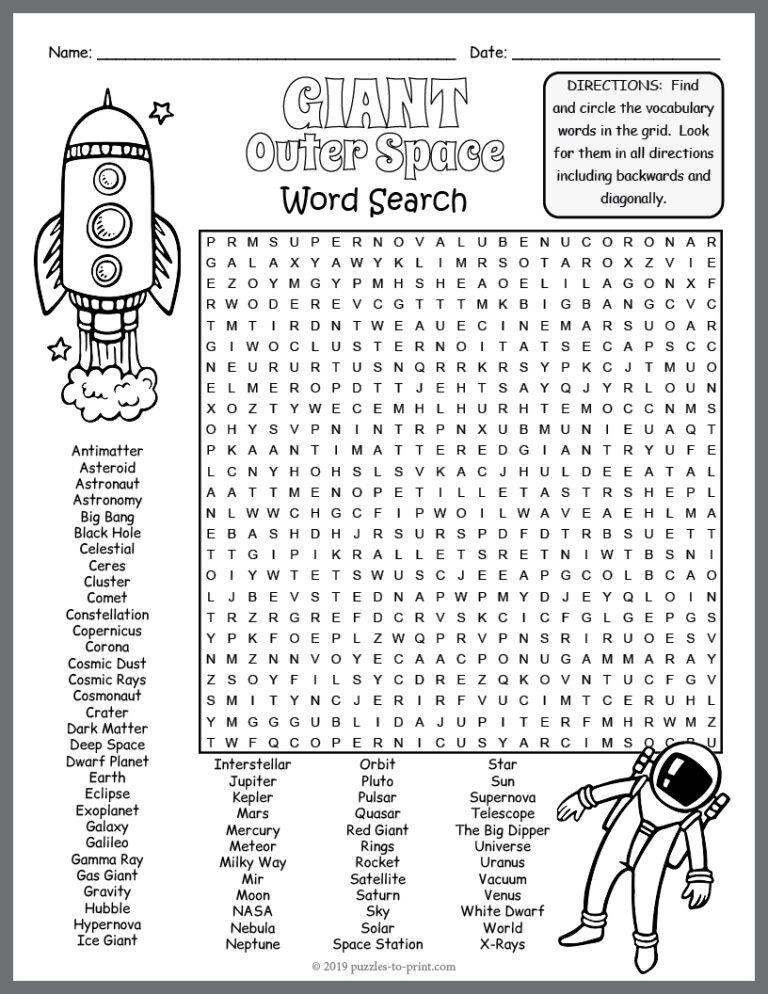
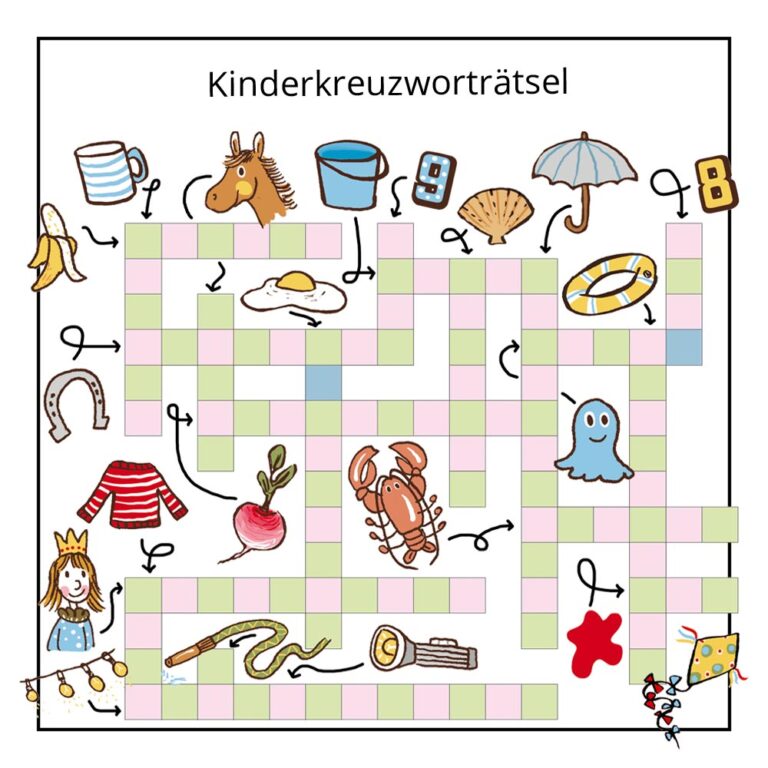
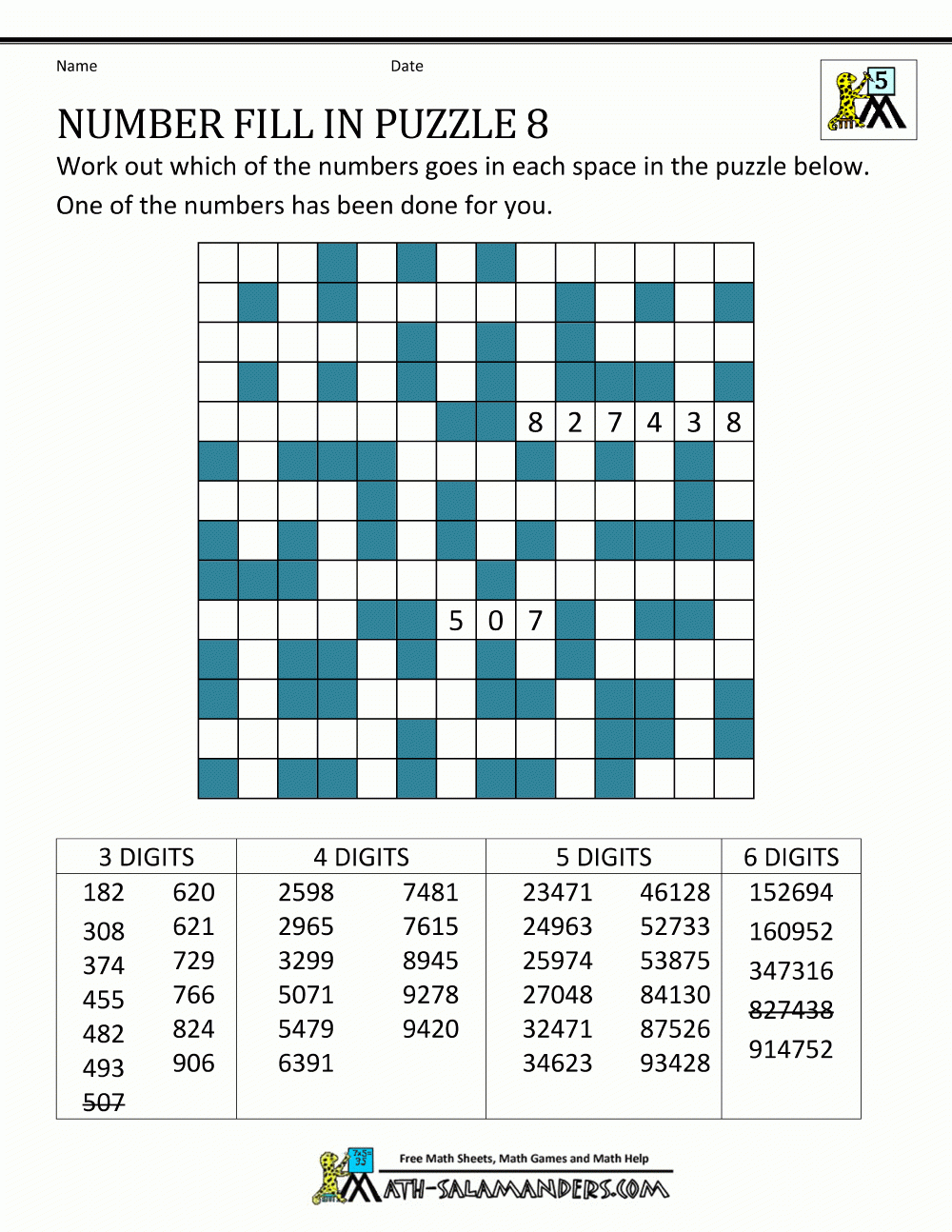
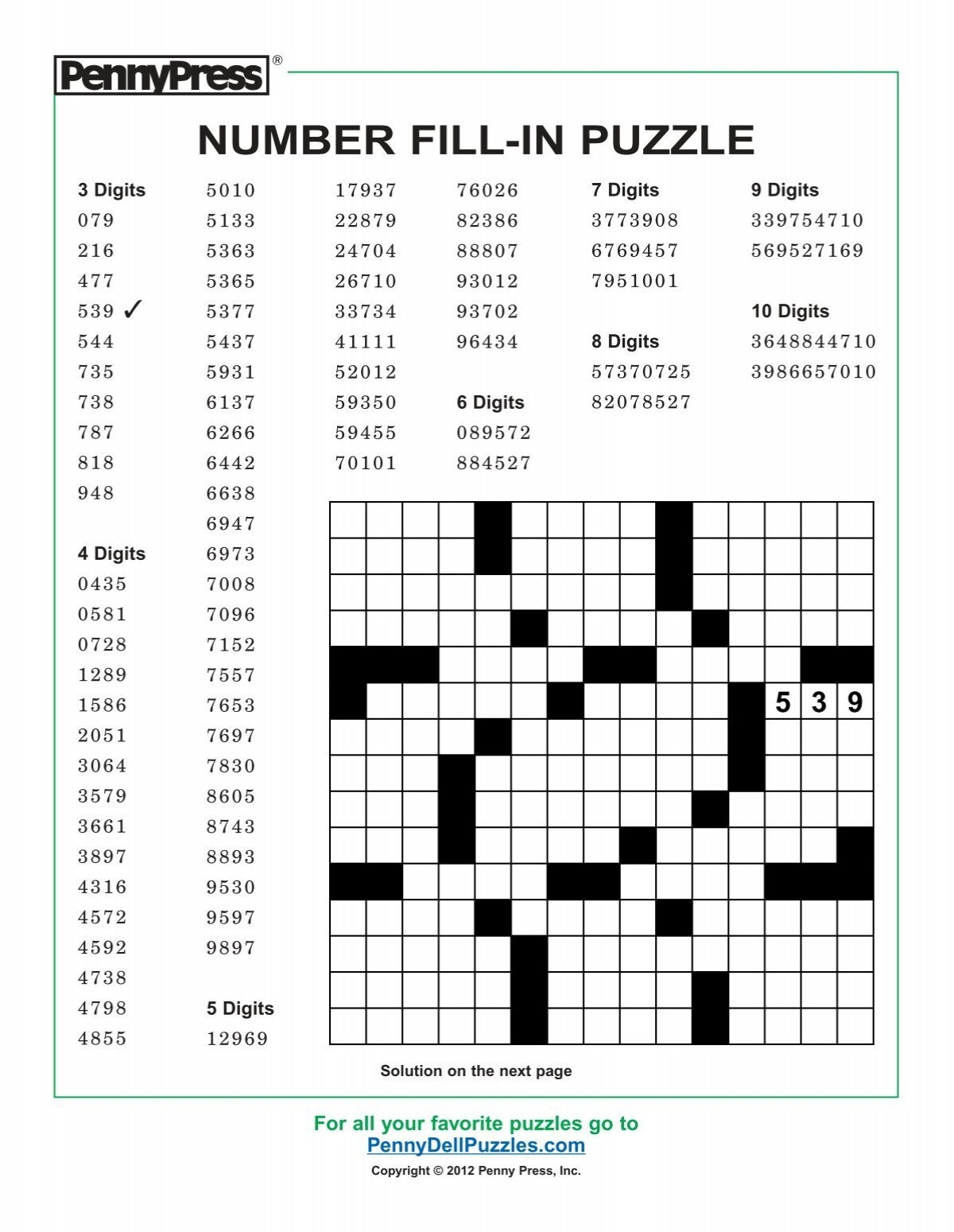
Fill.In As A Puzzle resources typically involve a grid or a crossword-style layout where students must fill in words or answers based on provided clues. This format encourages critical thinking and problem-solving skills. You can use these puzzles across various subjects, including language arts, math, and science, making them a versatile addition to your teaching toolkit.
The puzzles can vary in complexity, allowing you to tailor them to different grade levels. For younger students, simpler vocabulary or number puzzles work best. For older students, consider using more challenging themes or concepts. This adaptability means you can use Fill.In As A Puzzle resources throughout the school year, adjusting the difficulty as your students progress.
How to Use Fill.In As A Puzzle in Your Classroom
Using Fill.In As A Puzzle resources can be straightforward. Here’s a step-by-step guide to help you implement them effectively:
- Choose the Right Puzzle: Identify the subject and topic you want to reinforce. There are many printable templates available online, so select one that aligns with your lesson plan and the students’ current learning objectives.
- Download and Print: Once you’ve selected a puzzle, download the file. Most resources come in PDF format, which is ideal for printing. Make sure to adjust your printer settings to ensure clarity. A standard letter-size (8.5 x 11 inches) paper usually works best.
- Set Up the Activity: Before distributing the puzzles, give your students clear instructions. Explain the rules and the objective of the puzzle. If it’s a group activity, break students into pairs or small groups to foster collaboration.
- Monitor Engagement: As students work on the puzzles, circulate around the room. This allows you to provide help where needed and gauge their understanding of the material. You can ask guiding questions to encourage deeper thinking and discussion.
- Review and Reflect: After completing the puzzles, hold a review session. Discuss the answers as a class, allowing students to share their thought processes. This not only reinforces the concepts but also builds communication skills.
Solo Vs. Group Activities
Fill.In As A Puzzle resources can be used for both solo and group activities, making them flexible for different classroom settings.
- Solo Activities: Assign puzzles as homework or independent practice. This allows students to work at their own pace. It’s a great way for them to reinforce what they’ve learned without the pressure of a group setting.
- Group Activities: Use puzzles as a collaborative exercise. Students can work in pairs or small groups to solve the puzzle together. This encourages teamwork and discussion, allowing them to learn from each other while still focusing on the content.
Replayability and Variation
One of the great benefits of Fill.In As A Puzzle resources is their replayability. You can easily modify the puzzles to create new challenges. Here are a few ideas:
- Change the Clues: If you’ve used a puzzle once, try changing the clues slightly for a new twist. This keeps the activity fresh while still reinforcing the same concepts.
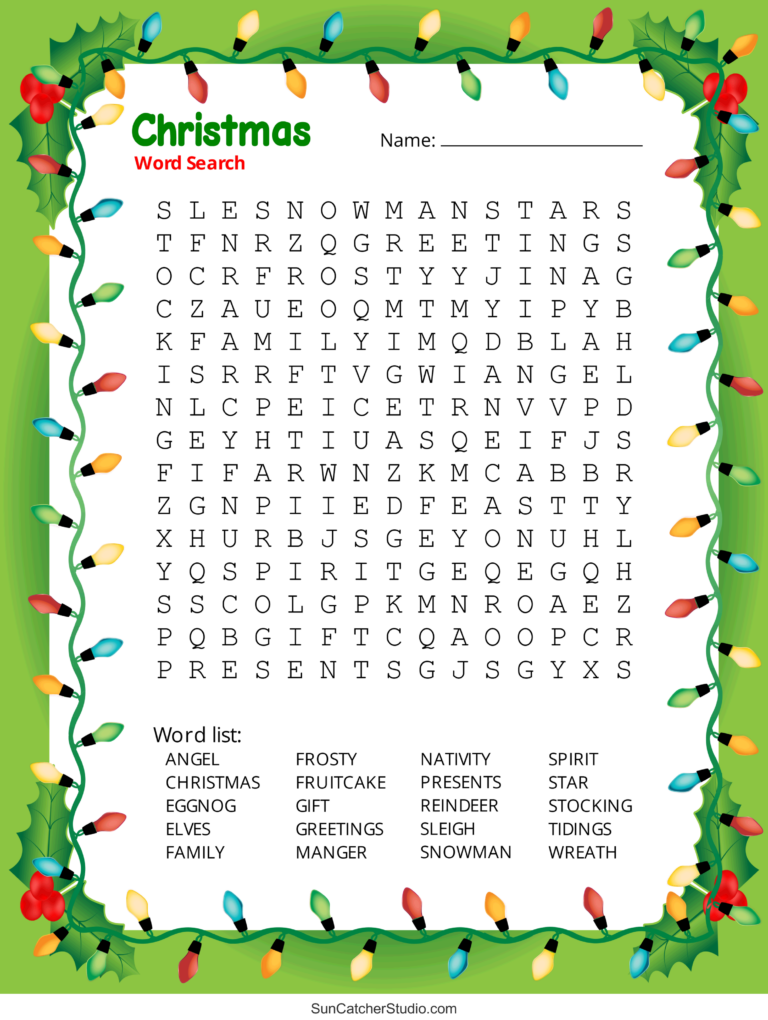
- Themed Puzzles: Create themed puzzles around holidays, seasons, or special class projects. This adds an element of fun and can make learning more relevant to students.
- Competitive Games: Turn puzzle-solving into a friendly competition. Set a timer and see which group can complete the puzzle first. This adds excitement and motivation for students to engage with the material.
Preparing for Success
To ensure your students get the most out of Fill.In As A Puzzle resources, consider these preparation tips:
- Use Quality Paper: For puzzles that will be reused or written on, consider printing on cardstock. It holds up better and can withstand erasures, especially if students are correcting their answers.
- Consider Laminating: If you plan to use the puzzles multiple times, laminate them. This allows for dry-erase markers to be used, making for easy corrections and endless replayability.
- Incorporate Technology: If your classroom has access to tablets or computers, look for digital versions of Fill.In As A Puzzle. This can add a tech-savvy twist to the activity and engage students who are more comfortable with digital formats.
Using Fill.In As A Puzzle resources in your classroom can significantly enhance learning and retention. By following these steps, you can create an engaging environment that encourages critical thinking and collaboration. As you prepare and implement these puzzles, remember to adapt them to fit your students’ needs. Start by downloading a puzzle today and see how it transforms your teaching.