Dictionary Page With Guide Words
Dictionary pages with guide words serve as an essential resource for teachers looking to enhance vocabulary skills in their classrooms. These pages typically feature a list of words organized alphabetically, with guide words indicating the first and last word on each page of a dictionary. This setup not only aids students in understanding how dictionaries work but also helps them locate words quickly. explore how you can effectively use a Dictionary Page With Guide Words in your teaching practice.
Understanding the Structure of a Dictionary Page
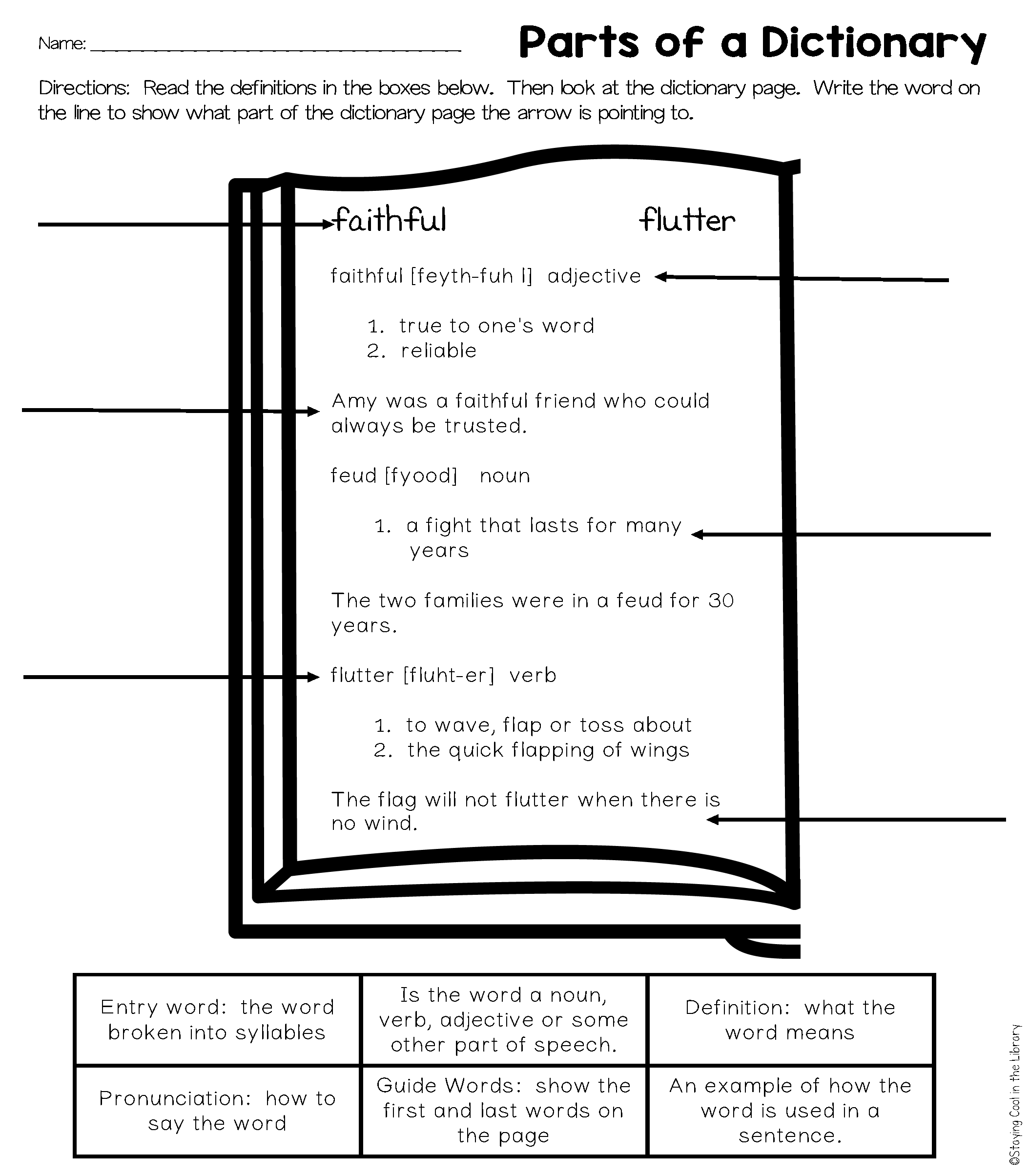
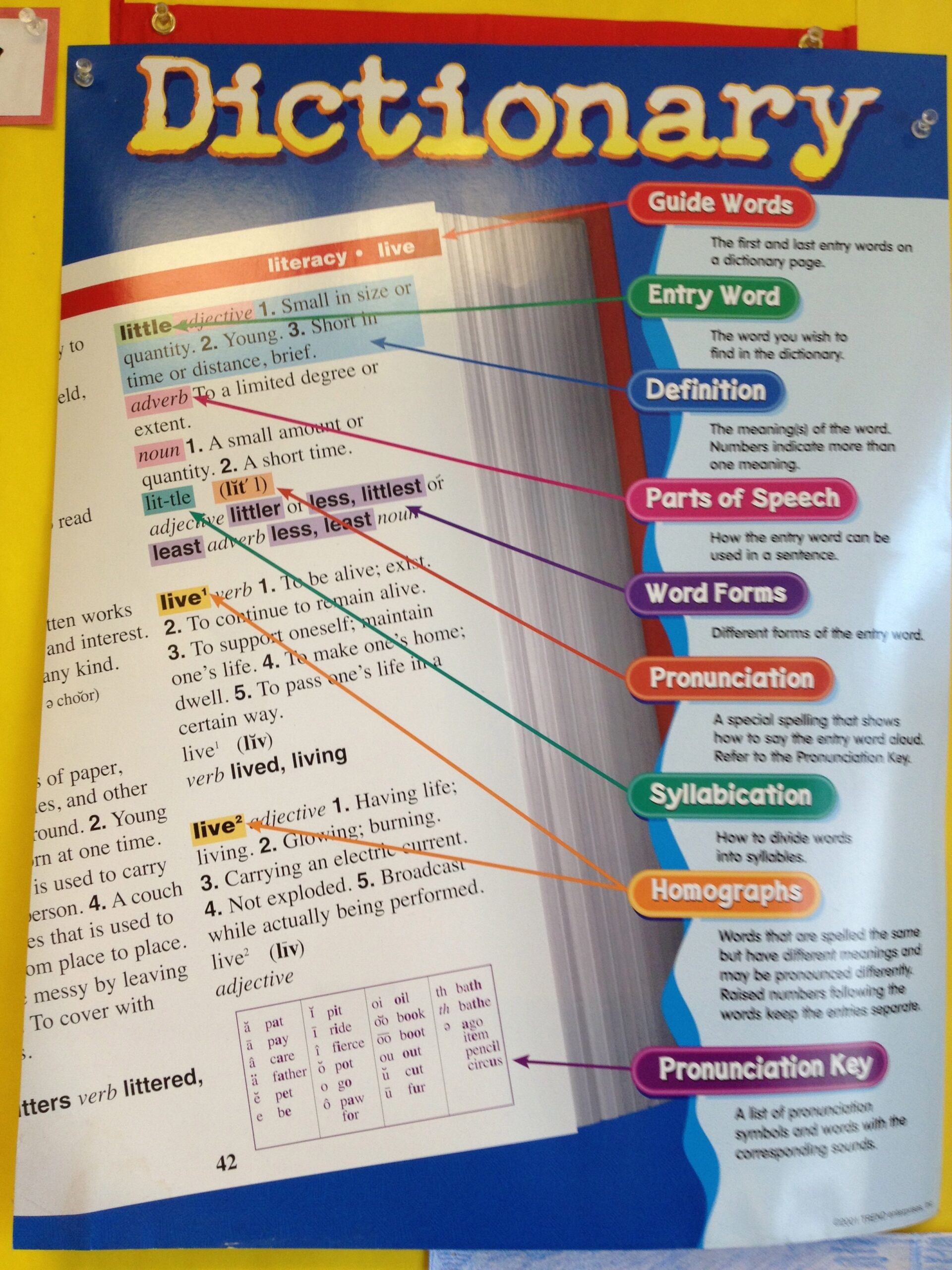
A Dictionary Page With Guide Words is designed to make the dictionary user-friendly. The guide words at the top of the page represent the first and last words found on that page. For example, if a page has “apple” as the first guide word and “apricot” as the last, you can quickly identify that any word between these two will start with the letters A and will be related to fruits.
This structure is beneficial for students, especially those in elementary or middle school who are just beginning to learn how to use a dictionary. Understanding the layout can significantly improve their ability to find words independently.
Practical Uses in the Classroom
Vocabulary Building
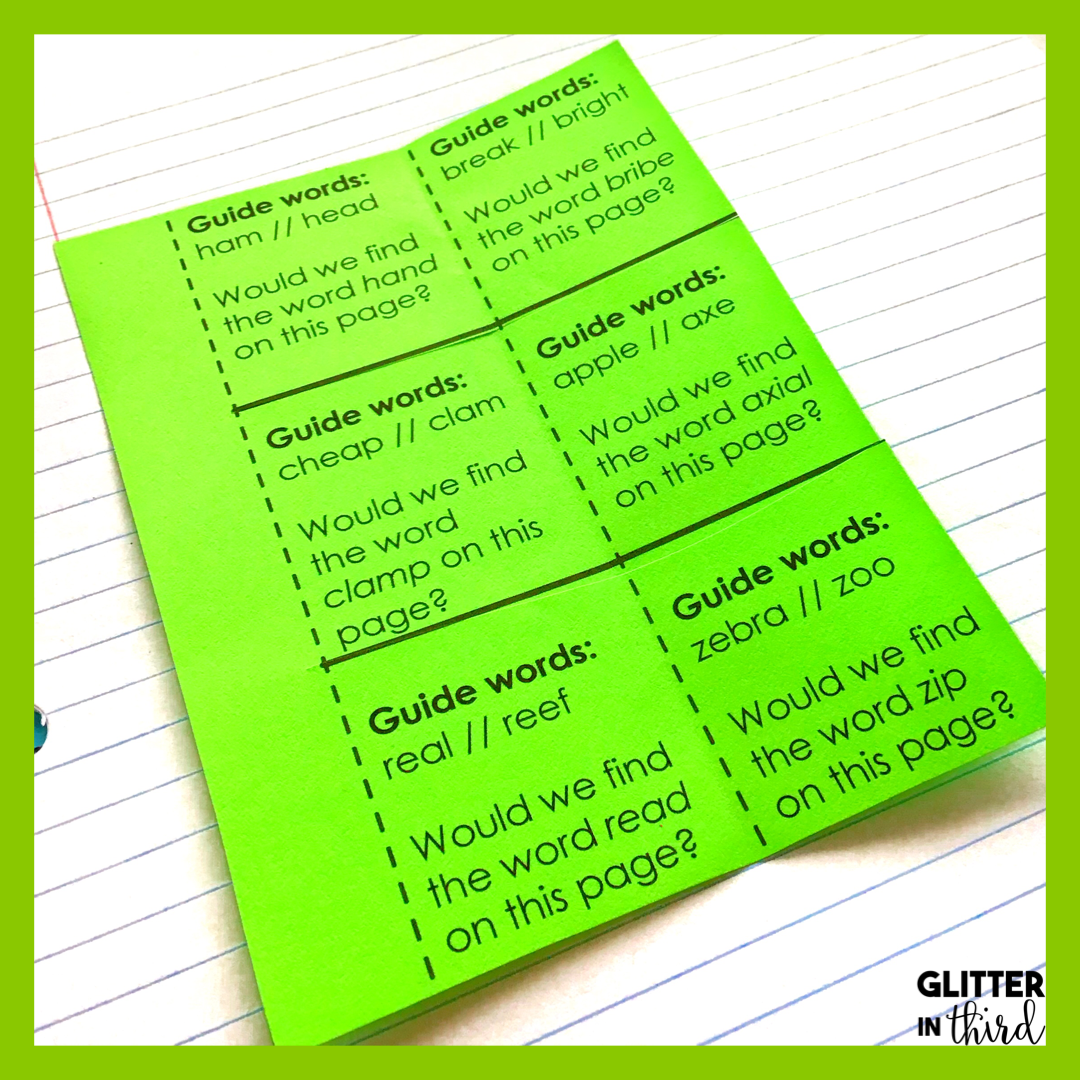
Using a Dictionary Page With Guide Words can significantly aid in vocabulary building. Here are some practical applications:
- Word Hunts: Organize activities where students must find specific words based on guide words. For example, you could say, “Find a word that starts with ‘b’ and ends with ‘t’.” This not only reinforces their understanding of the dictionary but also encourages them to explore new vocabulary.
- Spelling Practice: You can assign students to write sentences using words found on a specific dictionary page. This encourages them to use the words in context, enhancing their spelling and comprehension skills.
Dictionary Skills
Teaching students how to effectively use a dictionary is a vital skill that will benefit them throughout their education. Here’s how you can incorporate this resource:
- Guided Lessons: Start with a lesson on how to navigate a dictionary. Use the guide words to help students understand how to locate words quickly. Ask them questions like, “If I want to find the word ‘cat,’ which guide words should I look for?”
- Independent Practice: Provide students with a Dictionary Page With Guide Words and let them practice finding words on their own. This can be done in pairs or small groups, encouraging collaboration and discussion.
Downloading and Printing the Resource
When you’re ready to incorporate a Dictionary Page With Guide Words into your classroom, downloading and printing the resource is straightforward. Here are some tips:
- File Format: Look for a PDF format for a clear, print-ready document. PDFs maintain their formatting across different devices, ensuring that what you see on your screen is what you’ll get on paper.
- Printing Options: Use standard letter-sized paper (8.5 x 11 inches) for ease of printing. If your printer supports it, consider printing in portrait orientation to mimic a traditional dictionary format.
- Lamination: If you plan to use the pages frequently, laminate them for durability. This will allow students to use dry-erase markers to practice without damaging the pages.
Enhancing Student Engagement
To make the most out of a Dictionary Page With Guide Words, consider integrating it into various interactive activities:
- Games: Turn vocabulary practice into fun games. For instance, play a version of “dictionary bingo” where students must find words based on your clues. This keeps them engaged and reinforces their learning.
- Creative Projects: Encourage students to create their own mini-dictionaries using the page as a guide. They can include illustrations and definitions, which can help reinforce their understanding of the words.
- Classroom Displays: Use the pages as part of a word wall or vocabulary display. This not only decorates your classroom but also serves as a constant reminder for students to engage with vocabulary.
Adapting for Different Grade Levels
A Dictionary Page With Guide Words can be adapted for various grade levels. For younger students, focus on simpler words and pictures. For older students, incorporate more complex vocabulary. Here are some tips:
- Elementary Grades: Use colorful images alongside the words to help young learners associate terms with visuals. This can enhance memory retention.
- Middle School: Introduce more challenging vocabulary and encourage students to use the dictionary for research projects. This will help them understand the importance of reliable sources.
- High School: Encourage students to explore etymology and word origins. This deeper understanding will aid in their comprehension of advanced texts.
Implementing a Dictionary Page With Guide Words in your teaching strategy can significantly enhance your students’ vocabulary and dictionary skills. By providing clear structure, engaging activities, and adaptable resources, you can foster a love for words and improve literacy skills in your classroom.