Cutting And Pasting Activities For Preschoolers
Cutting and pasting activities for preschoolers are not just fun; they are essential for developing fine motor skills and hand-eye coordination. These activities offer a hands-on approach to learning, allowing young learners to express their creativity while also honing important skills. explore various cutting and pasting activities, their benefits, and provide practical guidance for educators and parents on how to implement these activities effectively.
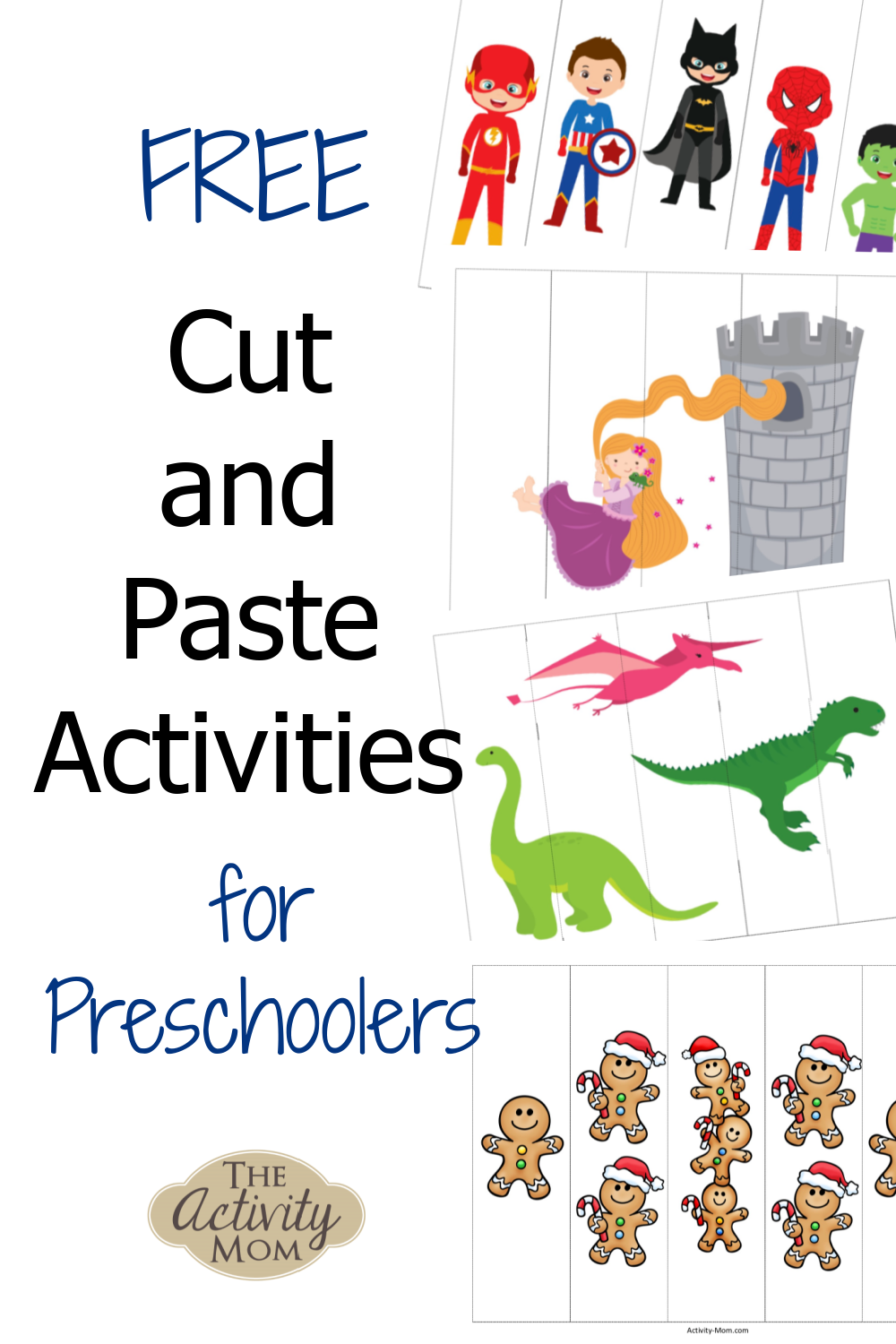
The Importance of Cutting and Pasting Activities
Cutting and pasting activities help preschoolers develop crucial skills necessary for their academic journey. These activities enhance fine motor skills, which are vital for writing, drawing, and other tasks that require dexterity. As children manipulate scissors and glue, they improve their grip strength and hand control. Additionally, these activities foster creativity and encourage independent thinking, allowing children to make choices about how they want to create their projects.
Engaging in cutting and pasting also has cognitive benefits. As children decide what to cut and where to paste, they practice decision-making skills and enhance their spatial awareness. You’ll find that these activities can also serve as a gateway to discussions about shapes, colors, and even storytelling, making them a versatile addition to your teaching toolkit.
Recommended Cutting and Pasting Activities
There are countless activities you can implement in your classroom or at home that will keep preschoolers engaged. Here are a few practical ideas:
Collage Creation
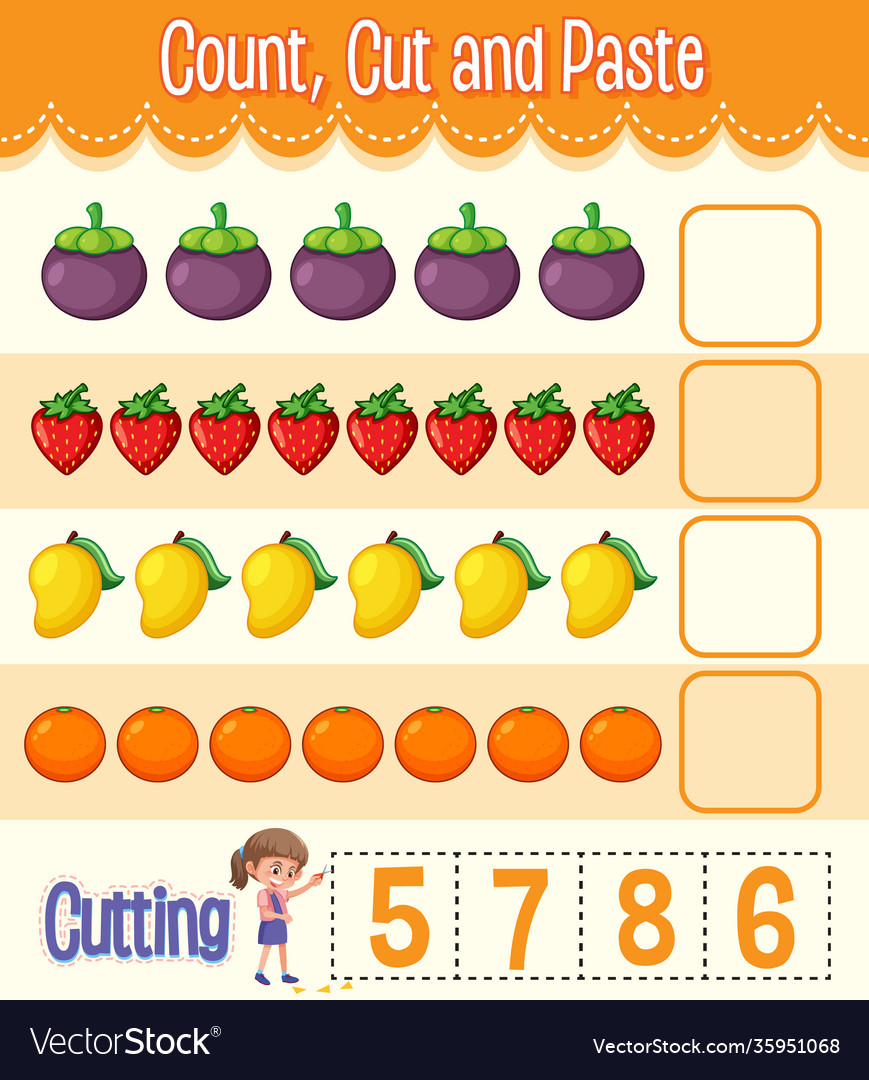
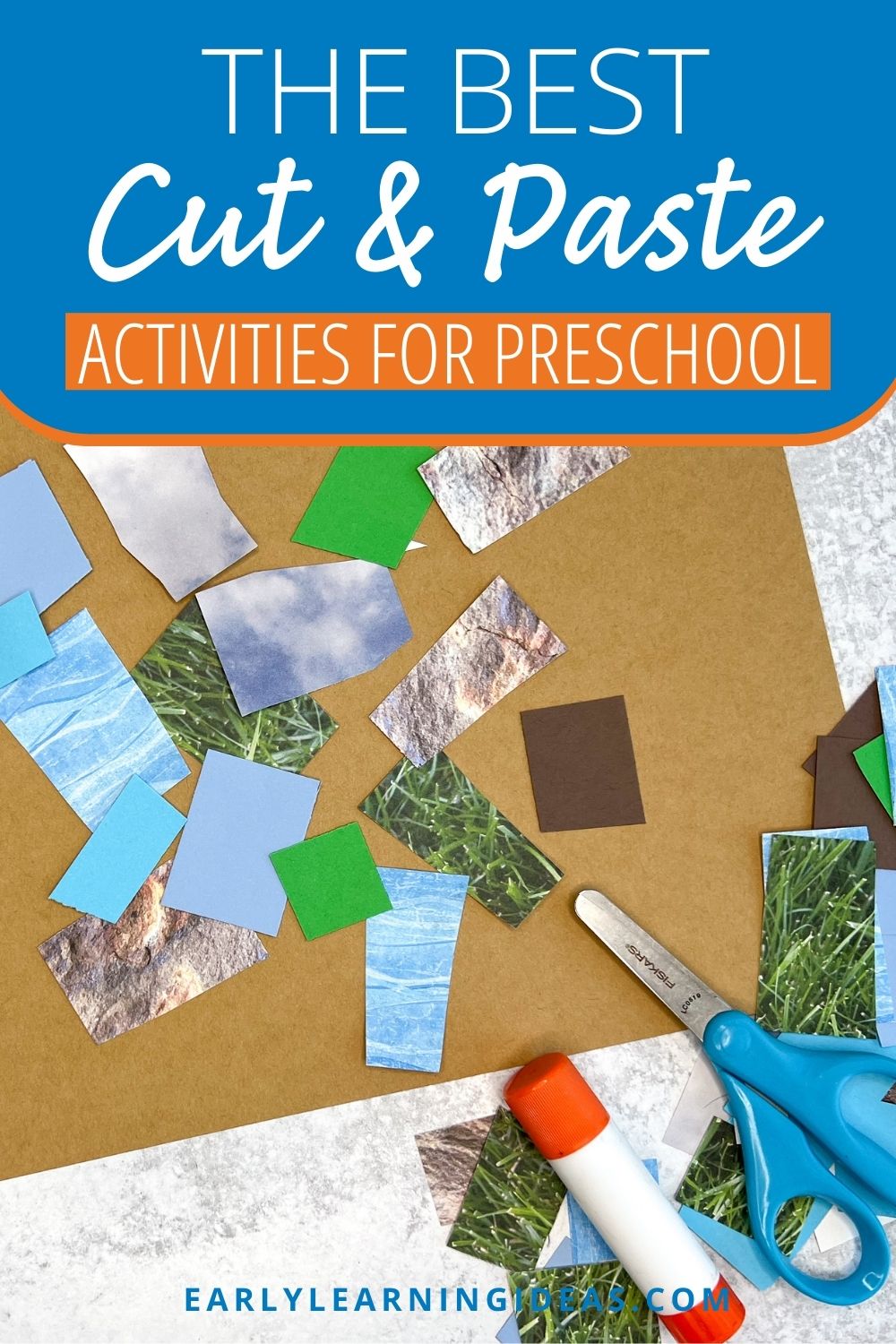
Collages are a fantastic way for kids to explore their creativity. Provide a variety of materials—magazines, colored paper, fabric scraps, or even dried leaves. Encourage children to cut out shapes or images that interest them and then paste them onto a larger sheet of paper.
- Materials Needed: Safety scissors, glue sticks, various papers, and magazines.
- Benefits: Children learn to make choices, develop narrative skills as they tell stories about their collages, and enhance their fine motor skills.
Shape Sorting
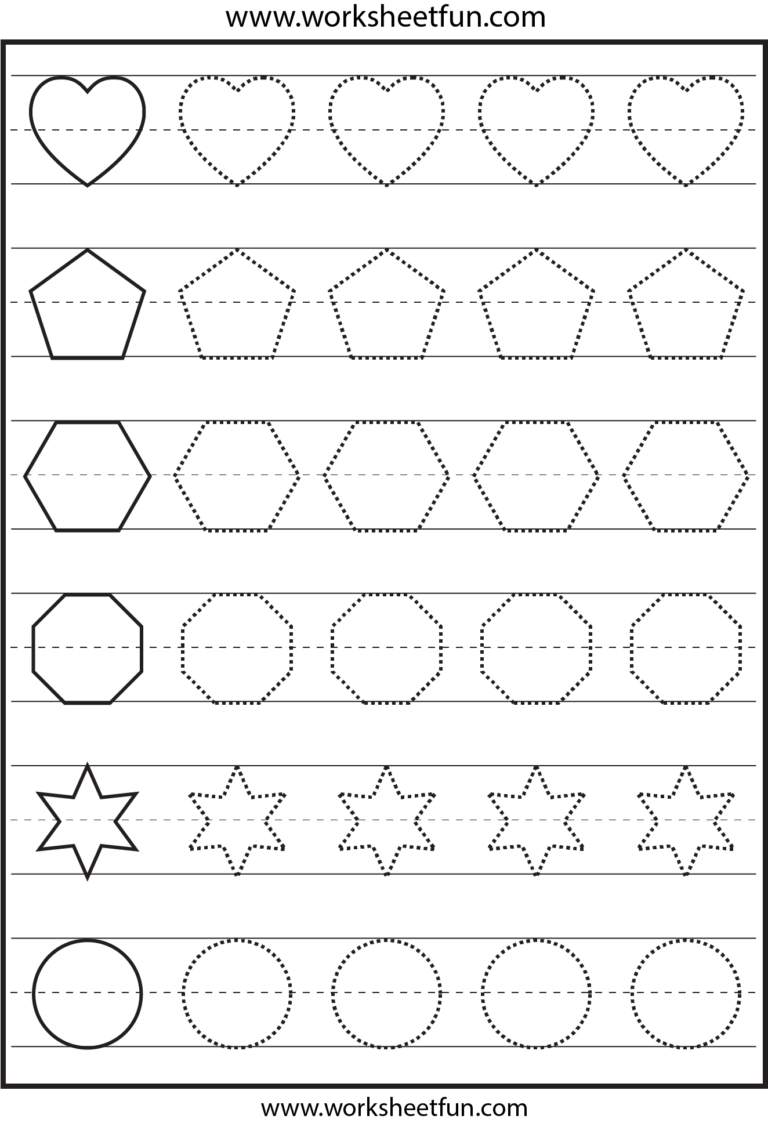
Create templates of different shapes and have kids cut them out. Once they have a variety of shapes, they can sort and paste them onto a blank sheet of paper according to color or size.
- Materials Needed: Pre-drawn shapes on cardstock, scissors, and glue.
- Benefits: This activity reinforces shape recognition while improving cutting skills.
Seasonal Crafts
Seasonal crafts can tie into holidays or changes in weather. For instance, during fall, children can cut out leaves from colored paper and paste them onto a tree template.
- Materials Needed: Colored paper, scissors, glue, and templates of trees or other seasonal images.
- Benefits: These projects can incorporate lessons about seasons, colors, and nature while providing a creative outlet.
Setting Up Cutting and Pasting Stations
Creating a cutting and pasting station in your classroom or home can make these activities more accessible and enjoyable for preschoolers. Here are some features to consider:
- Safety First: Use safety scissors designed for young children. Ensure that the scissors and glue are within their reach but supervise usage closely.
- Organized Materials: Use bins or trays to organize different types of paper, scissors, and glue. This not only makes it easy for children to find what they need but also teaches them about organization.
- Clear Instructions: Provide simple, visual instructions for each activity. Children benefit from seeing examples of what they can create, which can spark their imagination.
Tips for Successful Cutting and Pasting Activities
To ensure that your cutting and pasting activities are both enjoyable and educational, consider the following tips:
- Demonstrate First: Show children how to use scissors and glue properly. Demonstrating how to hold the scissors and cut along a line can help them feel more confident.
- Encourage Exploration: Allow children to experiment with different materials and techniques. This freedom will encourage creativity and innovation.
- Provide Feedback: Praise their efforts and creativity. Feedback can motivate children to keep trying and to explore new ideas in their projects.