Matching Alphabet Letters With Pictures
Matching alphabet letters with pictures is a fantastic way to help young learners connect letters to their corresponding sounds and meanings. This engaging activity not only reinforces letter recognition but also enhances vocabulary and phonemic awareness. In this guide, I’ll walk you through practical steps to implement this resource in your classroom or at home, ensuring children grasp the skill effectively.
Understanding the Activity
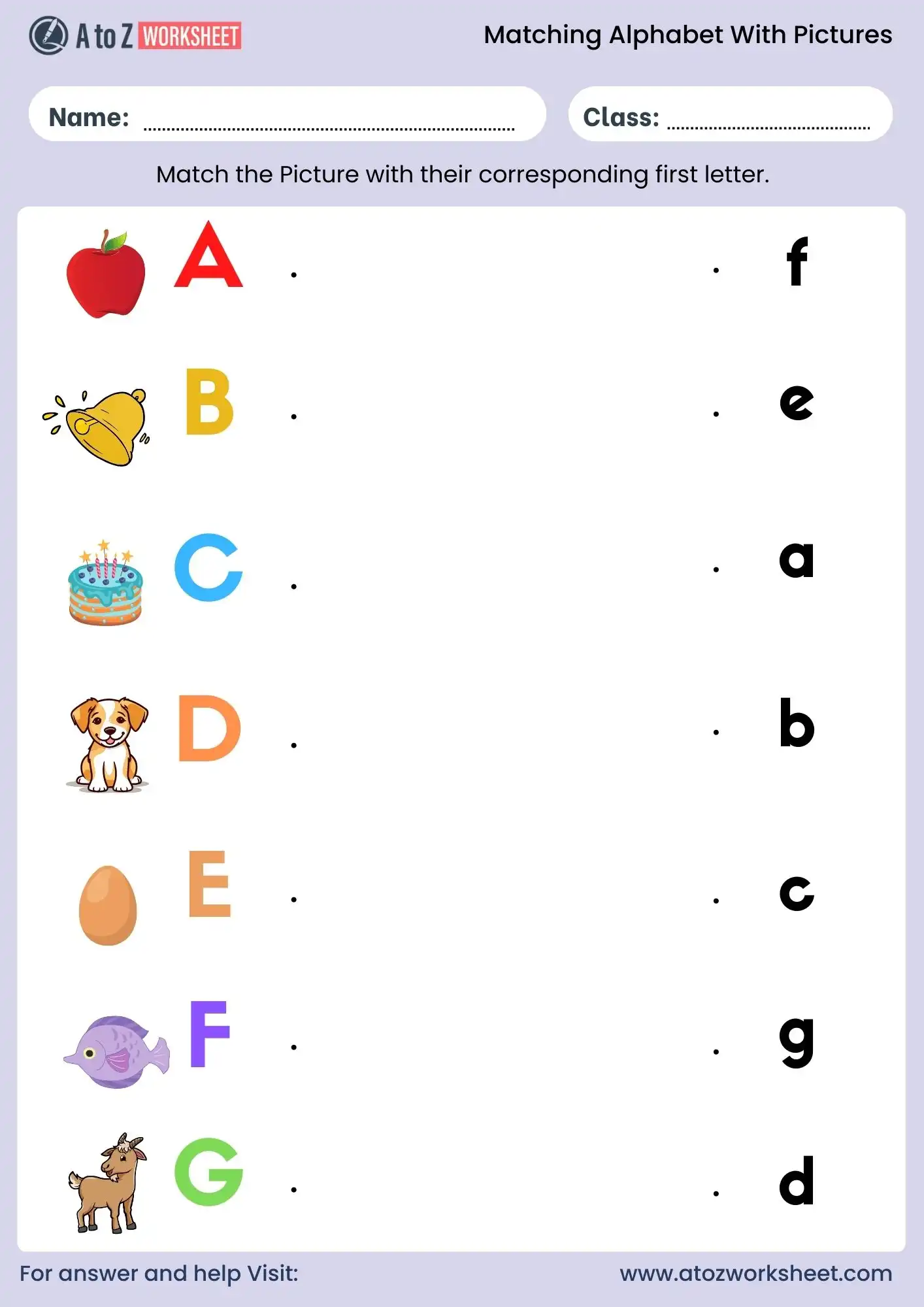
Matching alphabet letters with pictures typically involves a worksheet or printable resource that features letters alongside images of objects that start with those letters. For example, the letter “A” might be paired with an apple, while “B” could be matched with a ball. This visual association helps children learn the sound each letter makes, fostering early literacy skills.
This activity is suitable for preschool and kindergarten-aged children, generally between 3 to 6 years old. It can be adapted for different learning levels, making it a versatile tool for teachers and parents alike.
Preparing Your Printable Resource
When preparing to use a matching letters and pictures worksheet, consider the following:
- Choose the Right Format: Look for resources that come in a PDF format. PDFs are easier to print without reformatting issues that can occur with image files.
- Paper Selection: Use standard letter-sized paper (8.5” x 11”) for ease of printing. If you plan on laminating the sheets for repeated use, consider using cardstock. It is more durable and holds up better over time.
- Print Settings: For best results, print in portrait orientation. Ensure your printer settings are adjusted for high-quality output to maintain clarity in images and letters.
Implementing the Activity in the Classroom
Once you have your resources ready, it’s time to implement the activity. Here’s how to effectively use matching alphabet letters with pictures in your teaching:
Introduce the Letters
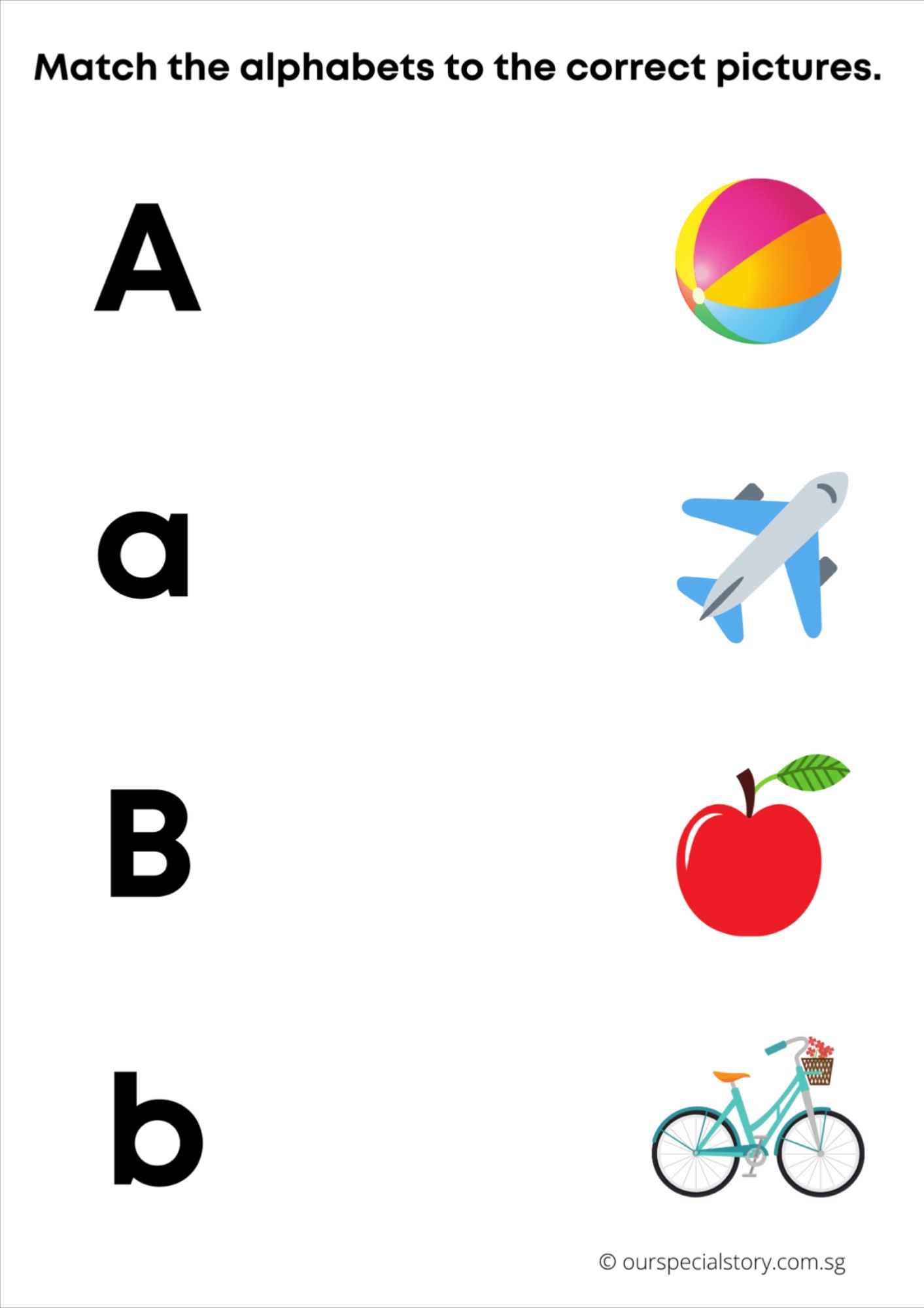
Start by introducing the letters of the alphabet to your students. You might sing the alphabet song or use flashcards to help them become familiar with each letter. This foundational step is crucial for setting up the matching activity.
Distribute Worksheets
Hand out the matching worksheets and demonstrate how to complete them. Explain that they will match each letter to the corresponding image. You might say, “Look at the letter A. Can anyone tell me what this picture is? That’s right, it’s an apple. So we match A to apple!”
Monitor Progress
As your students work through the worksheets, circulate around the classroom to monitor their progress. Look for signs of mastery, such as:
- Correctly identifying letters and matching them to pictures.
- Verbalizing the sounds of the letters as they work.
- Demonstrating understanding by explaining their choices.
If you notice a child struggling, offer additional support or one-on-one time to reinforce the concepts.
Assessing Mastery of the Skill
To determine if your students have mastered the skill of matching alphabet letters with pictures, consider the following:
- Accuracy: Are they correctly matching the majority of letters to their corresponding images? A good benchmark is 80% accuracy to indicate understanding.
- Engagement: Are they actively participating and showing interest in the activity? Engagement can often correlate with learning.
- Retention: After completing the activity, revisit the letters in subsequent lessons. Ask students to recall what letter corresponds with certain pictures to gauge their retention of the material.
Extending the Learning
To deepen understanding and engagement, consider these extension activities:
- Letter Crafts: Have students create crafts related to the letters they are learning. For example, they could make an “A” apple out of paper or an “B” balloon.
- Storytime: Incorporate books that focus on letters and their corresponding sounds. This reinforces the matching activity in a different context.
- Interactive Games: Use games like bingo or memory where children match letters to pictures in a fun, competitive setting.
Final Tips for Success
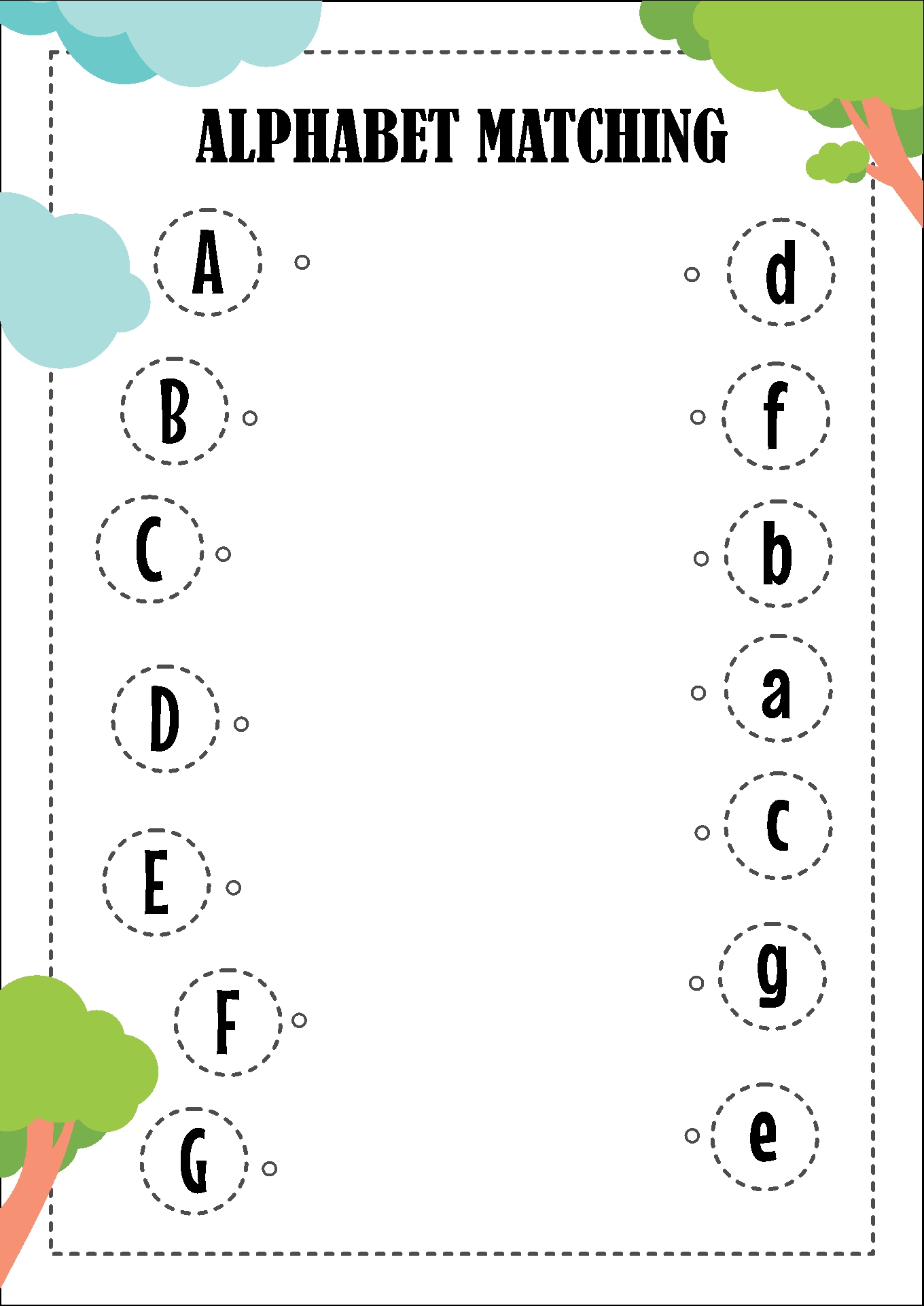
When using matching alphabet letters with pictures, remember to keep the atmosphere light and fun. Celebrate successes, no matter how small, to build confidence in your young learners. Also, consider providing additional worksheets or challenges for advanced students to keep everyone engaged.
One simple tip: If using the worksheets at home, laminate them so children can use dry-erase markers to complete the matching activity multiple times. This not only saves paper but also adds an element of interactivity.
By implementing these strategies, you’ll create a rich learning environment that fosters early literacy skills while keeping children engaged.