Fun Writing Exercises For 3rd Graders
Writing can be a delightful adventure for 3rd graders, and incorporating fun writing exercises can spark their creativity and enhance their skills. Fun Writing Exercises For 3rd Graders not only make learning enjoyable but also promote essential literacy skills. In this guide, you’ll find a variety of engaging exercises, tips for implementation, and suggestions for downloadable resources to help your students thrive.
Creative Story Starters
One effective way to encourage writing is through creative story starters. These prompts can ignite a child’s imagination and help them develop their storytelling abilities. Here are a few examples you might consider:
- “If you could have any superpower, what would it be and how would you use it?”
- “Describe a day in the life of a bug living in your backyard.”
- “Write about a secret door that leads to a magical world.”
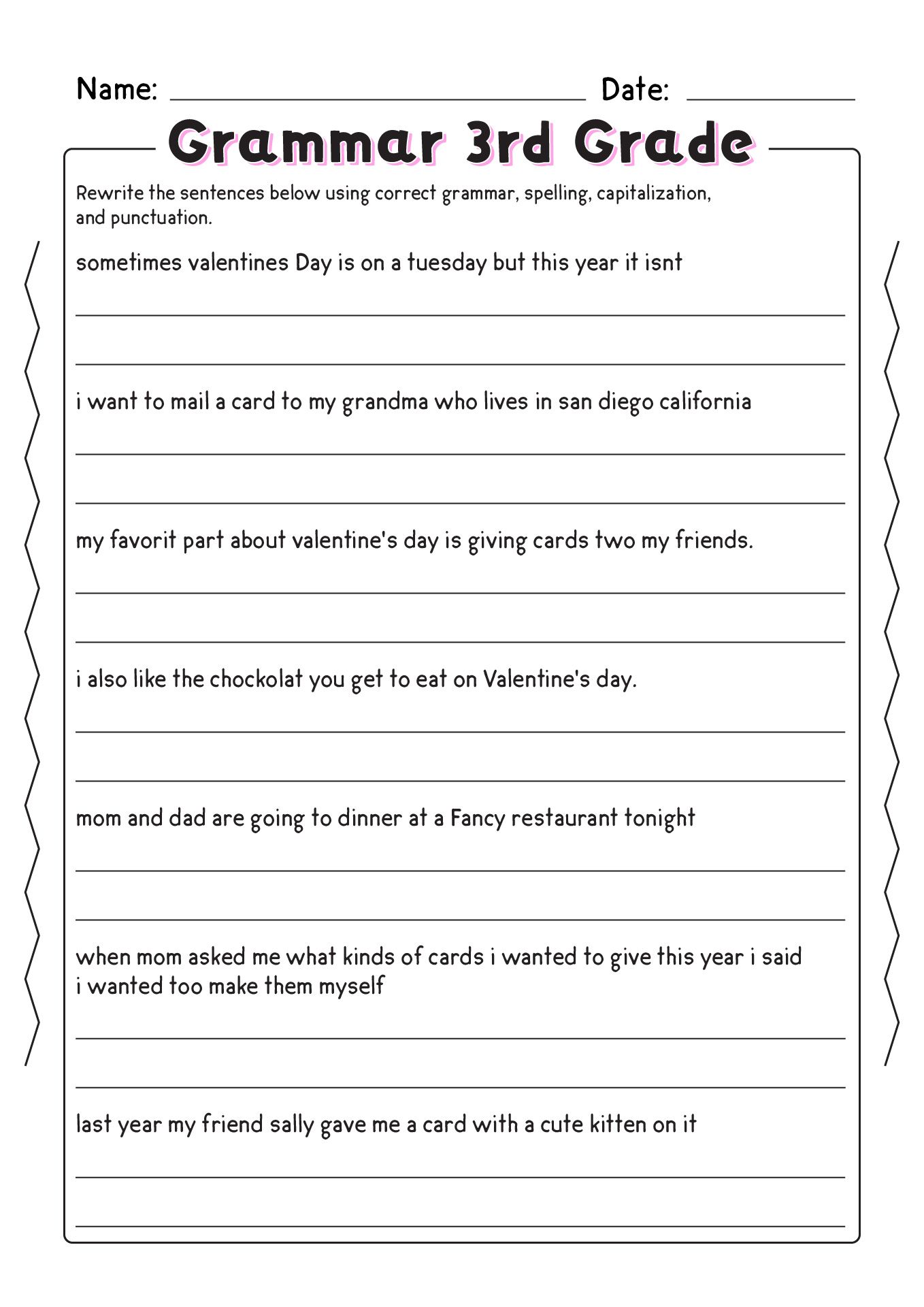
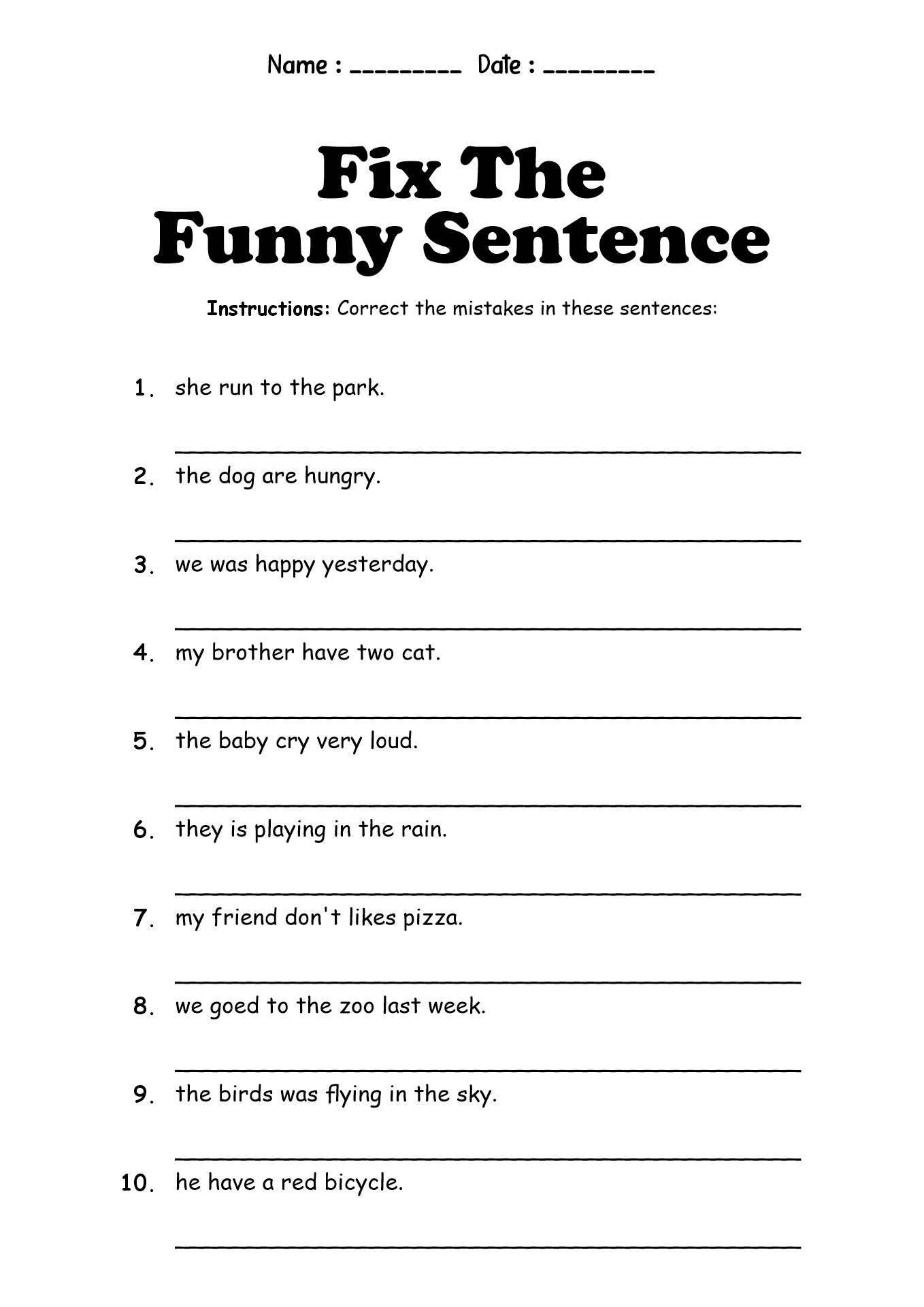
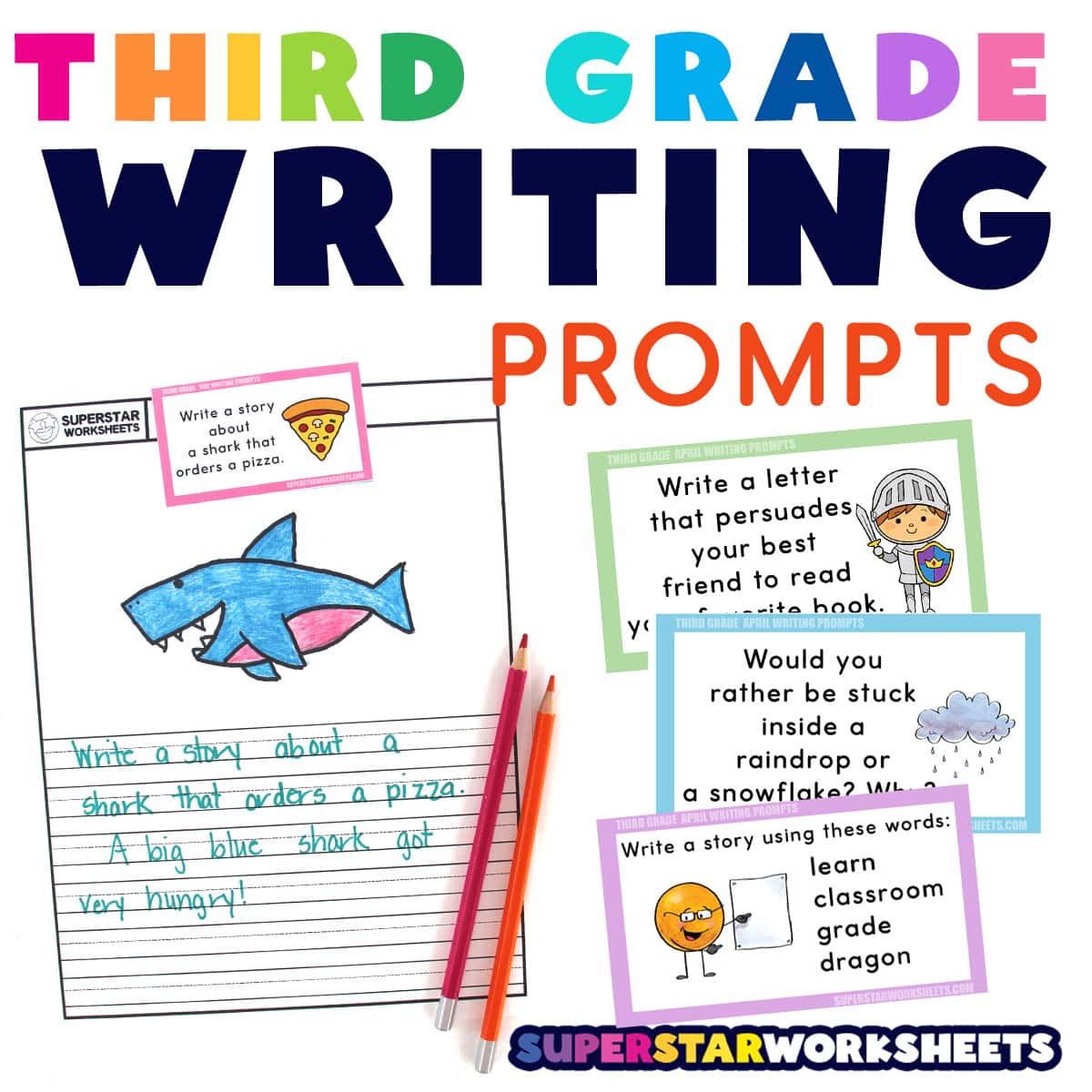
You can create printable worksheets with these prompts for your students to use. This way, they can write directly on the page, making the exercise more tangible. When formatting these worksheets, consider using a friendly font and space for illustrations, as visual elements can enhance their engagement.
Journal Writing
Encouraging students to keep a journal is a great way to develop their writing skills over time. Journal writing allows kids to express their thoughts and feelings in a safe space. You can provide them with prompts such as:
- “What was the best part of your day?”
- “If you could travel anywhere, where would you go and why?”
- “Write about a time you overcame a challenge.”
To make this exercise more structured, consider providing printable journal templates. These can include sections for dates, prompts, and even a space for doodles. This structure can help students organize their thoughts and feel more confident in their writing.
Poetry and Rhyming Games
Poetry can be a fun and creative outlet for young writers. Introducing poetry writing through games can enhance their enjoyment and understanding of language. Here are a few ideas for poetry exercises:
- Acrostic Poems: Have students write their names vertically and create a line of poetry for each letter.
- Rhyme Time: Challenge students to write a short poem using a specific rhyme scheme, like AABB.
- Collaborative Poetry: Start a poem and have each student add a line, creating a unique piece that the whole class contributes to.
Printable poetry templates can make these exercises more accessible. Providing a structured format can help students focus on their creativity without feeling overwhelmed.
Letter Writing
Teaching letter writing can be an excellent way to build communication skills. You can introduce the concept by having students write letters to their favorite book characters, family members, or even pen pals. Here are a few prompts to get them started:
- “Write a letter to your favorite character from a book. What would you ask them?”
- “If you could write to anyone in history, who would it be and what would you say?”
- “Write a thank-you letter to someone who has helped you.”
Consider creating printable letter templates with spaces for the date, greeting, body, and closing. This format can guide students in structuring their letters properly.
Character Creation Exercises
Character creation is essential for storytelling, and it can be a fun exercise for students to develop their writing skills. Encourage your students to create characters by asking them to:
- Describe their character’s appearance, personality, and background.
- Write a short story featuring their character in an adventure.
- Draw their character and write a paragraph about what they like to do.
You can provide printable character profiles that include prompts for each section, making it easier for students to organize their ideas.
Integrating Writing With Other Subjects
To enhance learning, consider integrating writing exercises with subjects like science or social studies. For example:
- Science Journals: After a science experiment, have students write about their observations and conclusions.
- History Reports: Encourage students to write a short report on a historical figure, summarizing their contributions and significance.
Printable templates for these subjects can provide a structured way for students to engage in writing while reinforcing their learning in other areas.
Tracking Progress
As your students engage in these fun writing exercises, it’s essential to track their progress. You might consider using a simple rubric that focuses on creativity, structure, and grammar. Regularly reviewing their work can help you identify areas for improvement and celebrate their achievements.
Printable progress tracking sheets can be beneficial. These can include sections for teacher feedback, student reflections, and goals for future writing.
Where to Find Resources
To make your planning easier, you can find a variety of printable resources online. Websites offering downloadable worksheets, templates, and activity ideas can save you time and enhance your teaching materials. Look for resources that are designed specifically for 3rd graders, ensuring that they align with their developmental level.
In summary, utilizing fun writing exercises for 3rd graders can significantly boost their writing skills and creativity. By providing engaging prompts, structured templates, and opportunities for integration with other subjects, you create an environment where students can flourish as writers. With the right resources and a supportive approach, you’ll help them discover the joy of writing.