Logic Puzzle Book For Kids
In a cozy classroom, a group of second graders is buzzing with excitement as they gather around a table, eagerly flipping through pages of a Logic Puzzle Book For Kids. They look at colorful puzzles and brainteasers, sharpening their minds while having fun. This resource isn’t just about entertainment; it’s a powerful tool for developing essential problem-solving skills in children.
What is a Logic Puzzle Book For Kids?
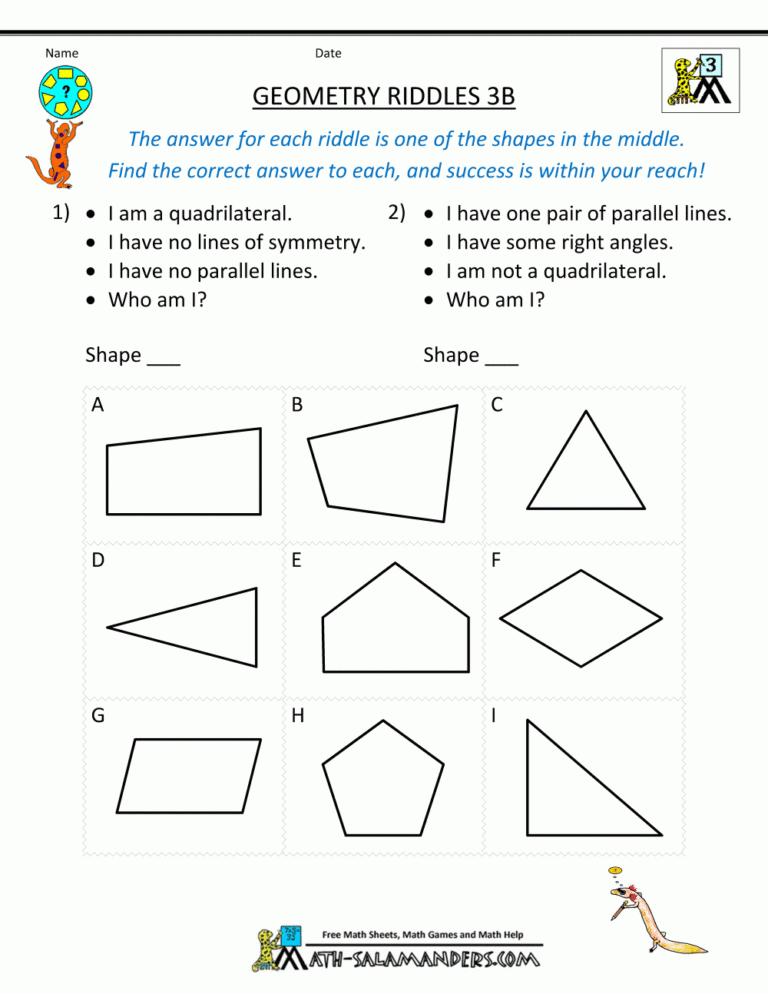
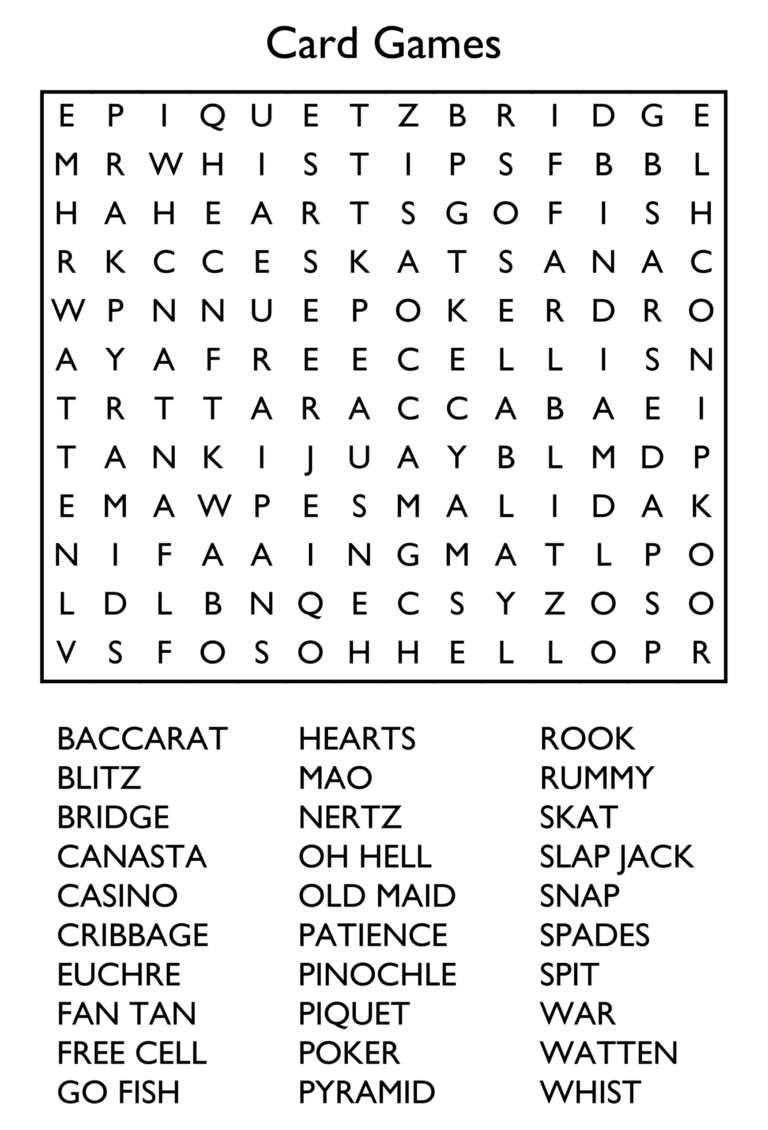
A Logic Puzzle Book For Kids typically includes a variety of puzzles designed to challenge young minds. These can range from simple riddles to more complex logic problems that require critical thinking and reasoning skills. When you introduce these puzzles into your teaching or homeschooling routine, you’re not only providing a fun activity but also encouraging cognitive development.
Benefits of Logic Puzzles in Education
Integrating logic puzzles into your curriculum can have numerous benefits. Here are a few key advantages:
- Enhances Critical Thinking: Children learn to analyze information and think critically as they solve puzzles.
- Improves Concentration: Working through puzzles requires focus, which can help improve overall attention spans.
- Boosts Confidence: Successfully solving a puzzle can give children a sense of achievement, encouraging them to tackle more complex challenges.
- Promotes Cooperative Learning: Puzzles can be done individually or in groups, fostering teamwork and communication skills among peers.
How to Use a Logic Puzzle Book in the Classroom or at Home
Using a Logic Puzzle Book For Kids is straightforward, but a little preparation can enhance the experience. Here are some practical steps to get started:
- Choose the Right Puzzles: Depending on your students’ grade level, select puzzles that match their skill levels. For younger children, simple shapes and patterns work well, while older kids can handle more complex logic problems.
- Gather Supplies: You’ll need basic supplies like pencils, erasers, and maybe even colored markers for a creative touch. Consider using a timer for certain puzzles to add a fun element of competition.
- Set a Comfortable Environment: Ensure that the area is quiet and free from distractions. A well-lit table with enough space for each child to work will help them concentrate.
- Encourage Discussion: After tackling a puzzle, initiate a discussion about different strategies used. This not only reinforces learning but also allows children to express their thought processes.
- Use as a Reward: Incorporate puzzle-solving as a fun reward after completing lessons or during free time. This way, children associate puzzles with positive experiences and are more likely to engage with them.
Repeating Use and Variety in Puzzles
One of the best parts about a Logic Puzzle Book For Kids is that it’s reusable. You can print multiple copies of specific pages, allowing for repeated practice without the need for new materials every time. Here are a few ways to keep it fresh:
- Rotate Puzzles: Introduce different puzzles each week to keep children engaged and challenged. This prevents monotony and promotes a love for problem-solving.
- Themed Puzzles: Align puzzles with current topics or seasonal themes in your curriculum. For example, use holiday-themed puzzles to make learning festive.
- Incorporate Technology: If you have access to tablets or computers, consider finding online versions of logic puzzles that can complement your book.