Get Definitions For A List Of Words
Teaching vocabulary can be a rewarding yet challenging task. You might often find yourself wondering how to get definitions for a list of words in a way that’s engaging and beneficial for your students. In this guide, I’ll walk you through the practical steps to effectively use definitions in your teaching, along with some great printable resources to enhance vocabulary lessons.
Why Definitions Matter in Learning
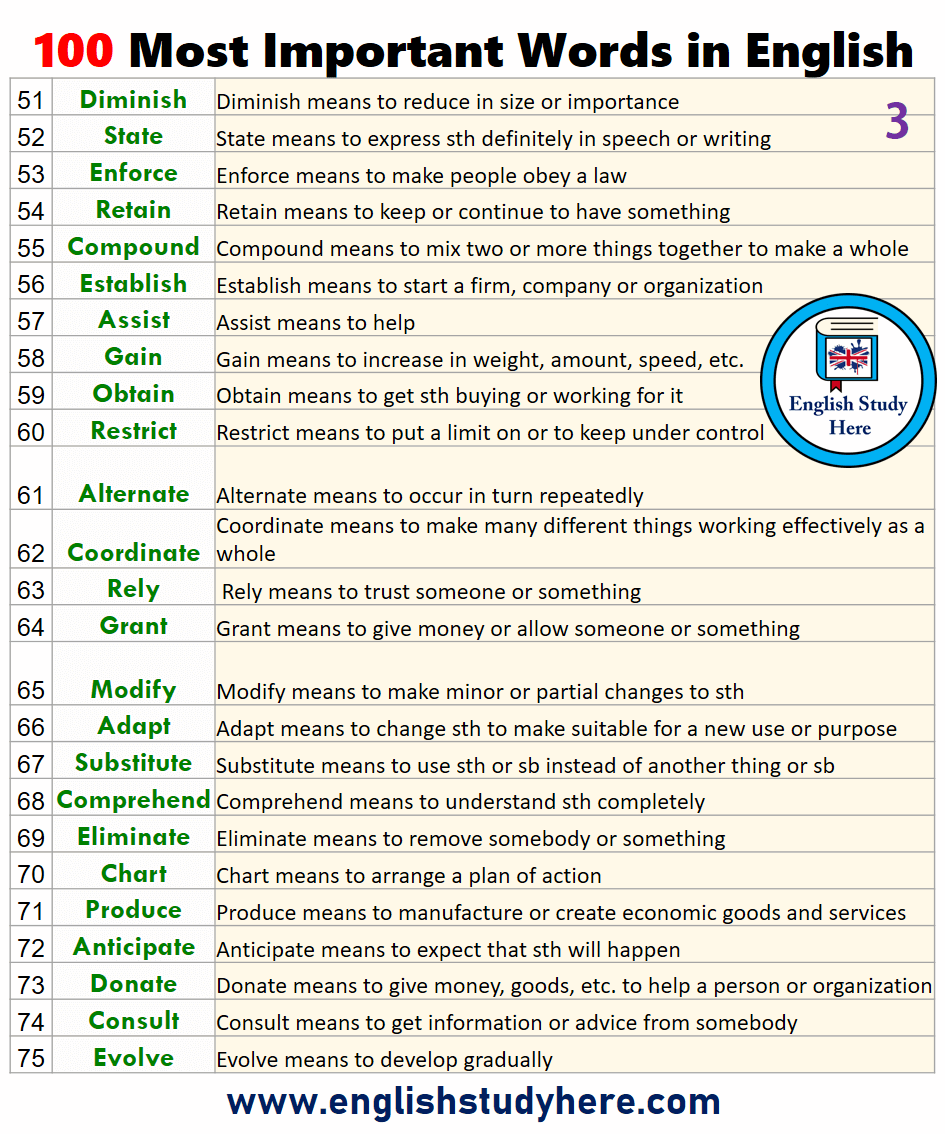
Definitions play a crucial role in vocabulary acquisition. They help students understand not just the meaning of words but also their context and usage. When you get definitions for a list of words, you provide students with tools to decode language and enhance their comprehension skills.
Incorporating definitions in your lessons can also foster critical thinking. Students learn to analyze and compare meanings, which deepens their understanding of language. This is especially important for young learners who are just beginning to build their vocabulary.
Practical Ways to Get Definitions
Utilize Online Resources
One of the easiest ways to get definitions for a list of words is by using online dictionaries. Websites like Merriam-Webster and Dictionary.com offer comprehensive definitions, examples, and even pronunciation guides. This can be a great starting point for you and your students.
Additionally, platforms like Vocabulary.com provide tailored definitions and usage in context, making them particularly useful for classroom settings. You can create a list of words and direct students to these resources to find definitions themselves, fostering independence in their learning.
Create Your Own Word Lists
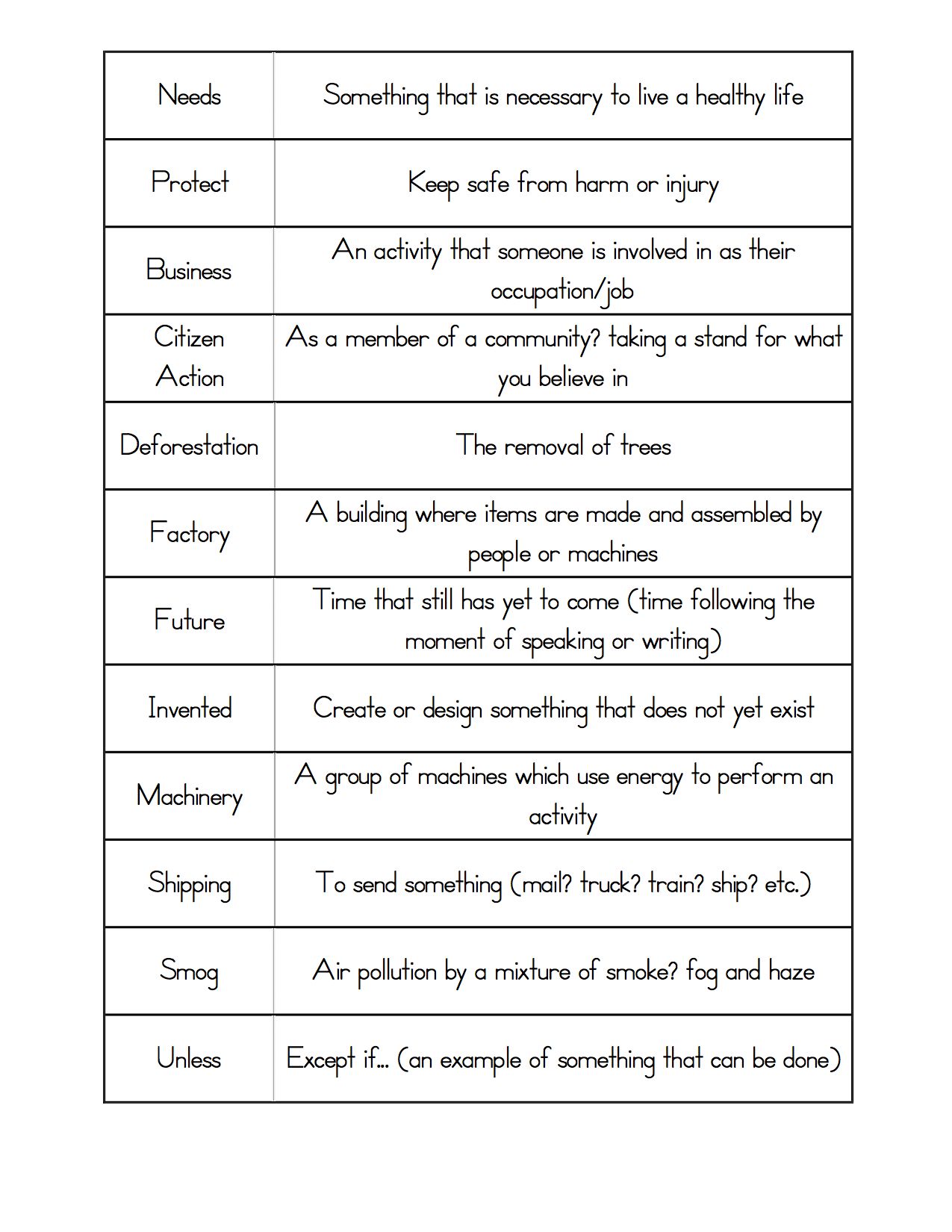
Another effective method is to create your own word lists tailored to your lesson plans. You can choose words relevant to the topic being studied and compile definitions from various trusted sources. This not only ensures that the definitions are age-appropriate but also allows you to present them in a context that aligns with your teaching goals.
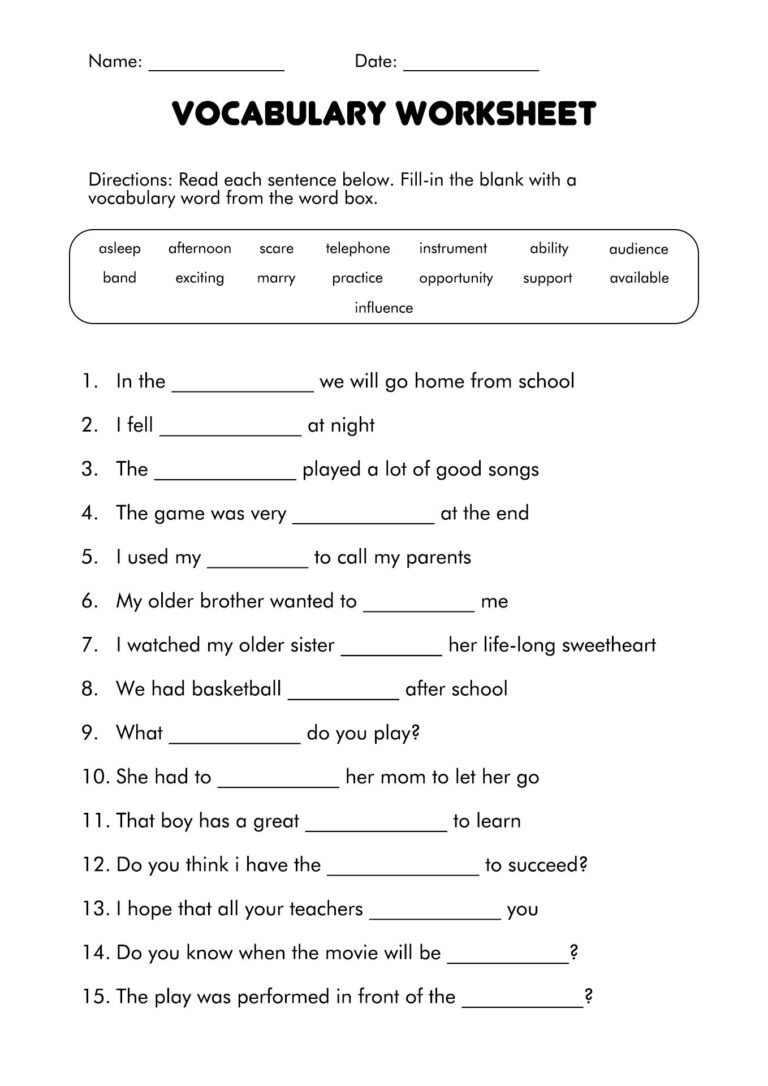
Printable resources like vocabulary worksheets can be especially helpful here. You can design worksheets that include the words, space for definitions, and even example sentences. This hands-on approach helps reinforce learning.
Use Visual Aids
Visual aids can enhance the learning experience considerably. When you get definitions for a list of words, consider incorporating images or graphics that relate to the definitions. This can be particularly beneficial for visual learners who grasp concepts better through visual representation.
You can create flashcards that feature a word on one side and its definition along with an image on the other. This method not only makes the learning process interactive but also aids memory retention. You can find printable flashcard templates online to customize for your classroom needs.
Downloadable Resources for Vocabulary Learning
Worksheets and Printables
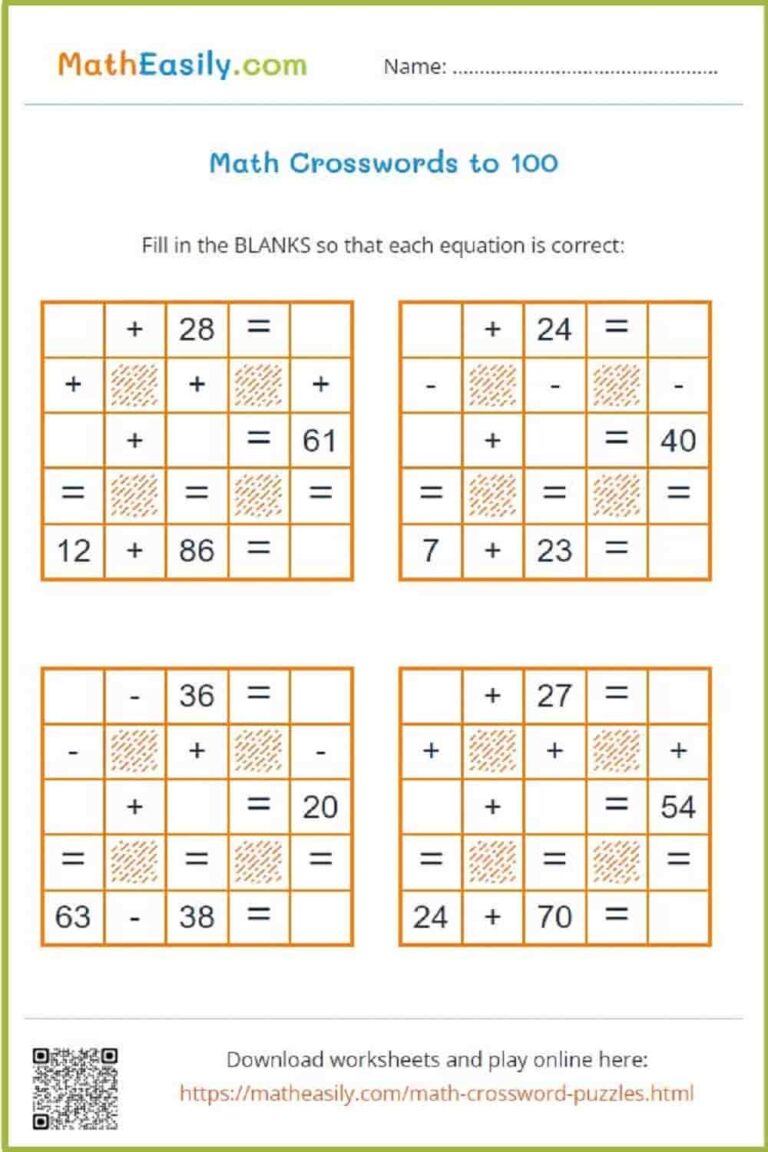
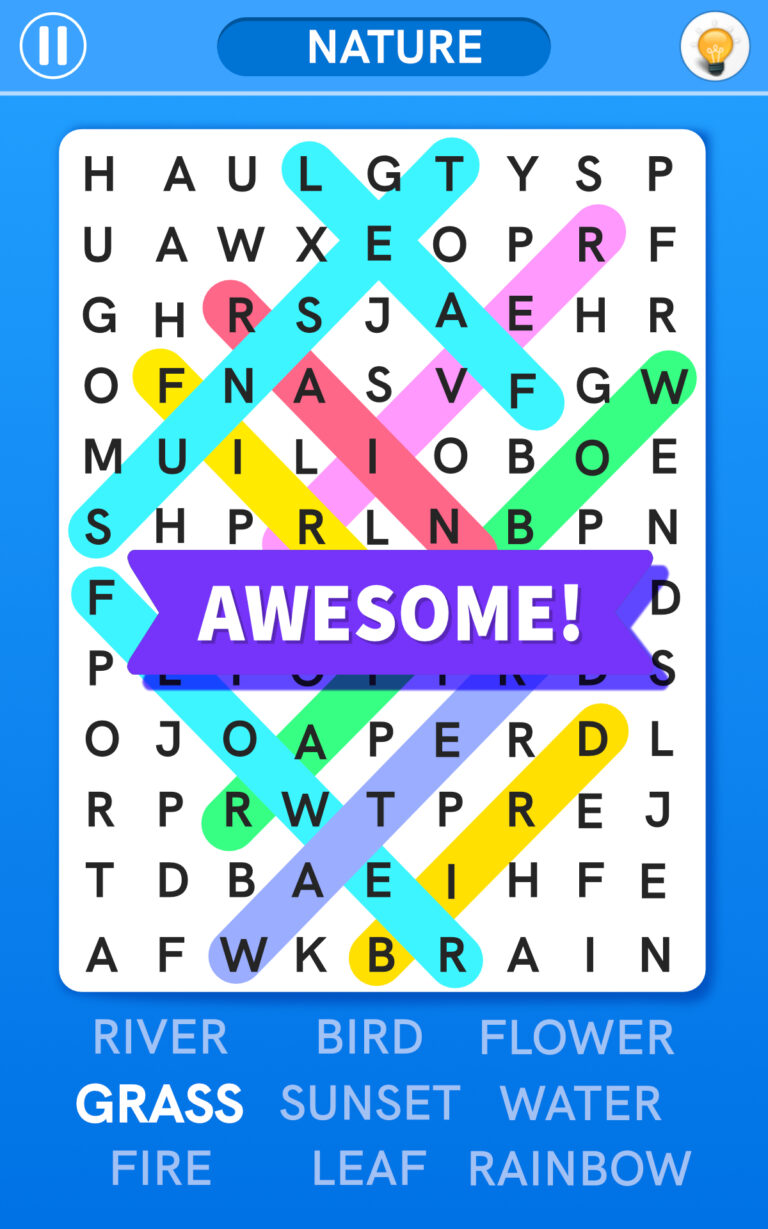
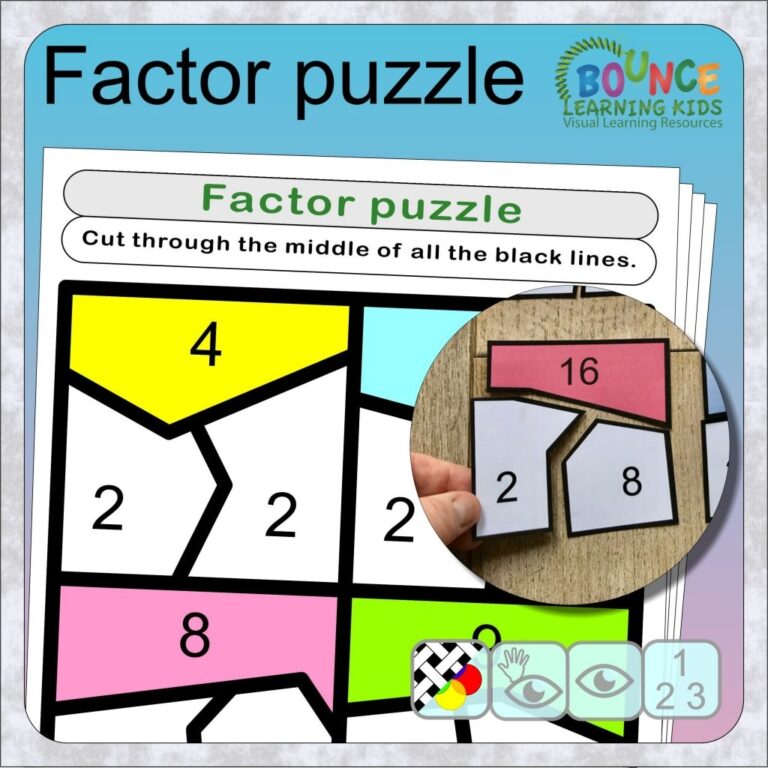
To streamline your lesson planning, consider using downloadable worksheets and printables that focus on vocabulary building. Many educational websites offer free resources that you can tailor to your curriculum. These often include:
- Vocabulary worksheets
- Word search puzzles
- Crossword puzzles
- Fill-in-the-blank exercises
Using these resources allows you to provide students with varied activities that reinforce their understanding of words and definitions through different learning styles.
Vocabulary Cards
Another fantastic resource is vocabulary cards. These can be printed and used in various engaging activities. For instance, you can create games like “memory match” where students match words to their definitions. This not only reinforces learning but also adds an element of fun to the classroom.
Additionally, you can include a section for students to write their own sentences using the words. This practice encourages them to apply their knowledge and enhances their writing skills.
Interactive Activities
Interactive activities can make learning definitions more engaging. You might consider incorporating technology by using tools like Kahoot! or Quizlet. These platforms allow you to create quizzes and flashcard sets that students can access on their devices.
By integrating technology, you can also keep students motivated and interested in learning new vocabulary. Plus, these platforms often have pre-made sets that you can use or modify, saving you time.
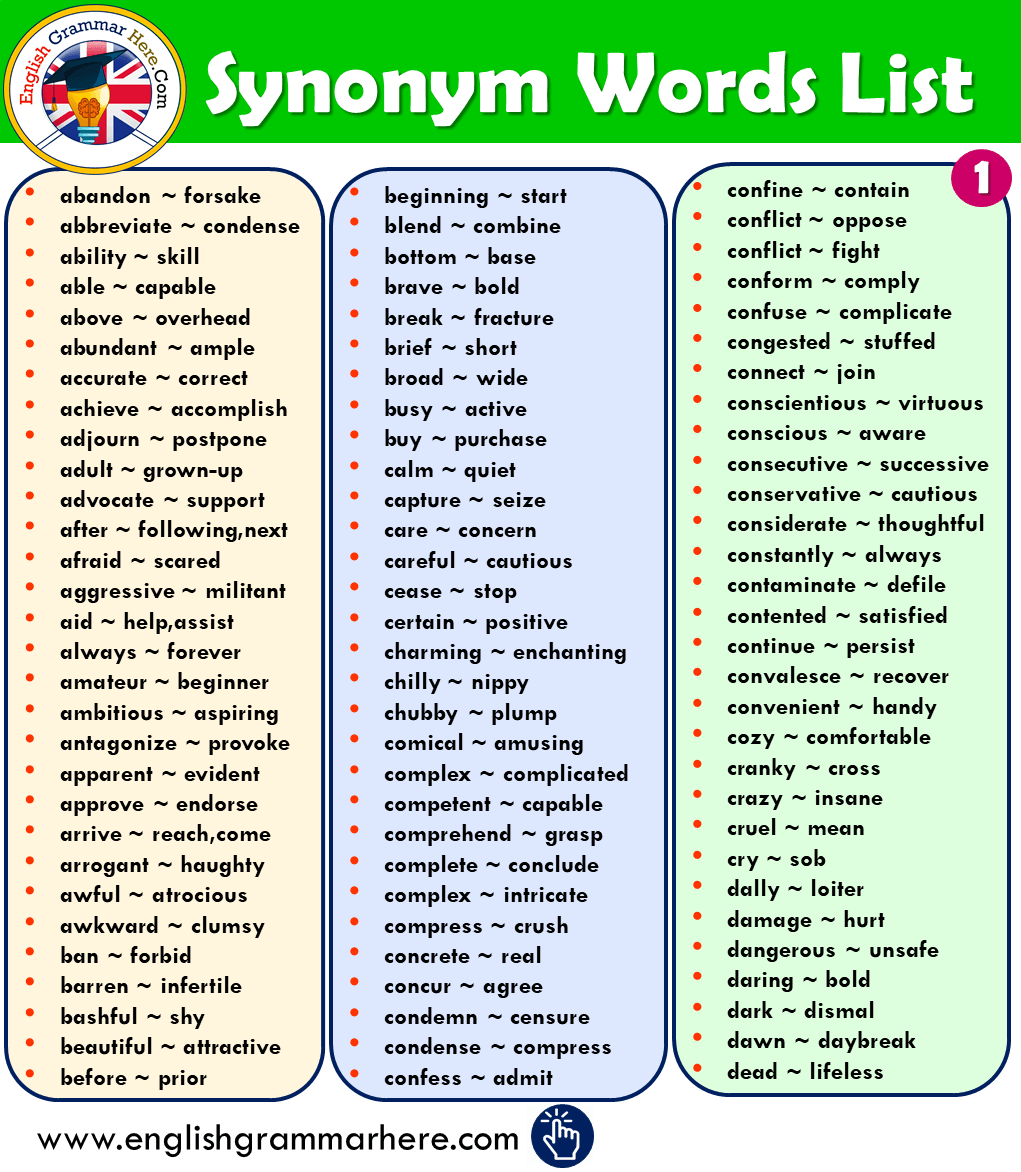
Implementing Definitions in Your Curriculum
Incorporating Definitions Into Daily Lessons
Once you have your resources sorted, it’s essential to incorporate definitions into your daily lessons. Start each lesson with a vocabulary word and its definition, encouraging students to use it in context throughout the day. This repetition helps solidify their understanding.
You can also create a “word of the day” routine where a new word is introduced daily, along with its definition and usage. This method not only builds vocabulary but also encourages curiosity about language.
Assessing Vocabulary Knowledge
To ensure your students are grasping the definitions, regular assessments are key. You might consider periodic quizzes or interactive activities to gauge their understanding. For instance, you could have them use words in sentences or engage in group discussions where they explain definitions to each other.
Utilizing downloadable resources can aid in these assessments as well. You can create tests or simple quizzes that align with the vocabulary words you’ve been focusing on, making it easy to track progress.