Reading Activities For 4th Graders
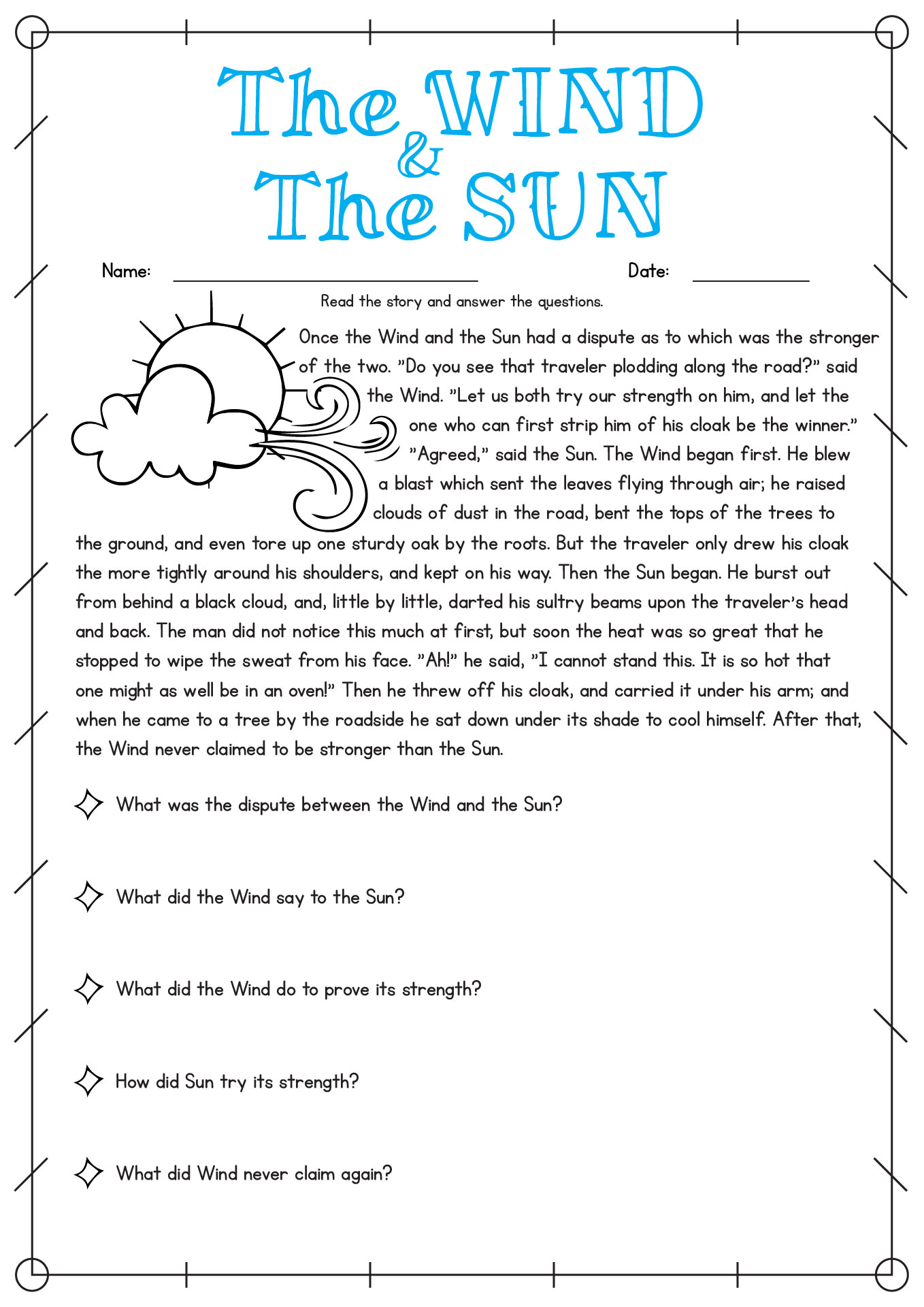
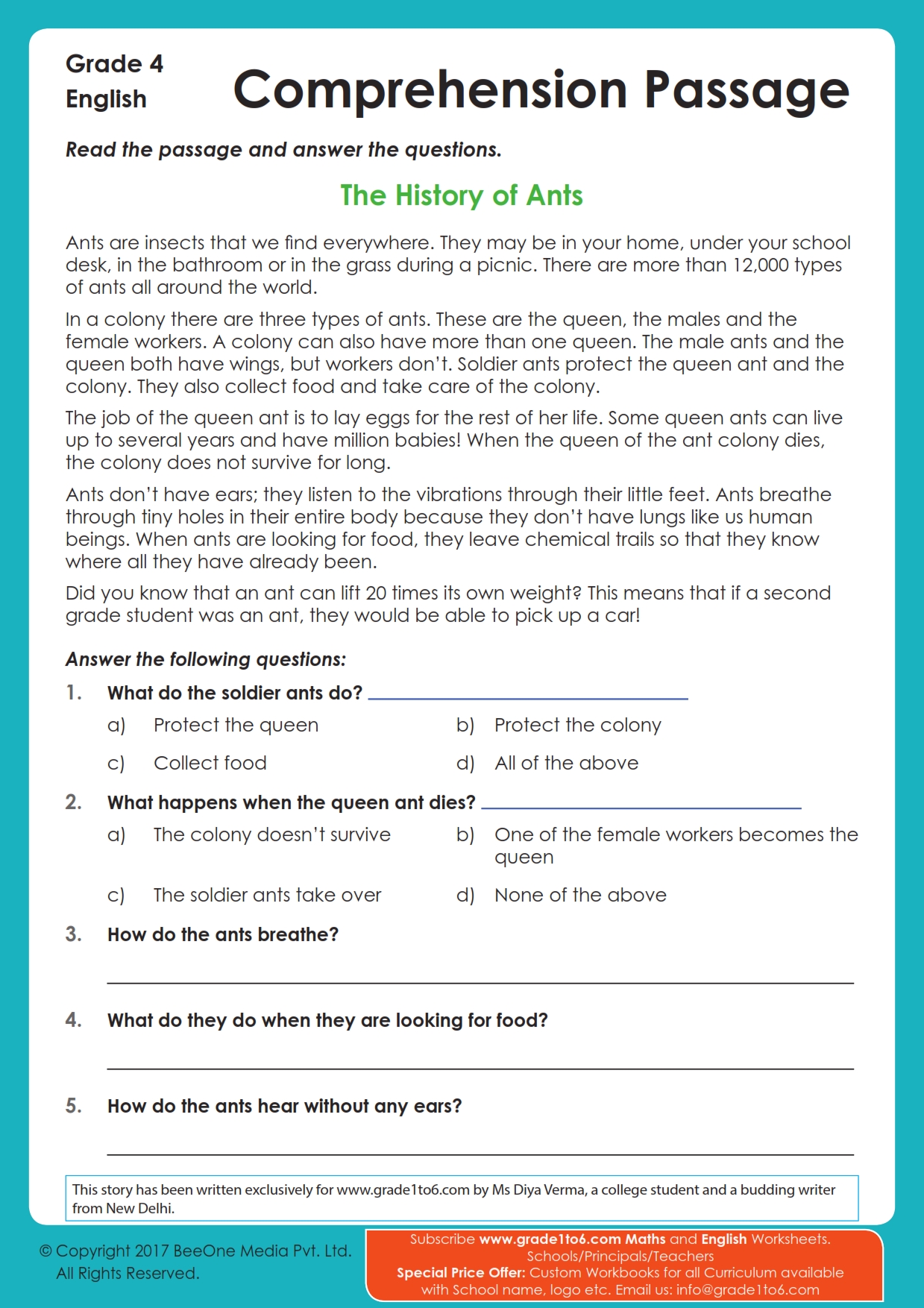
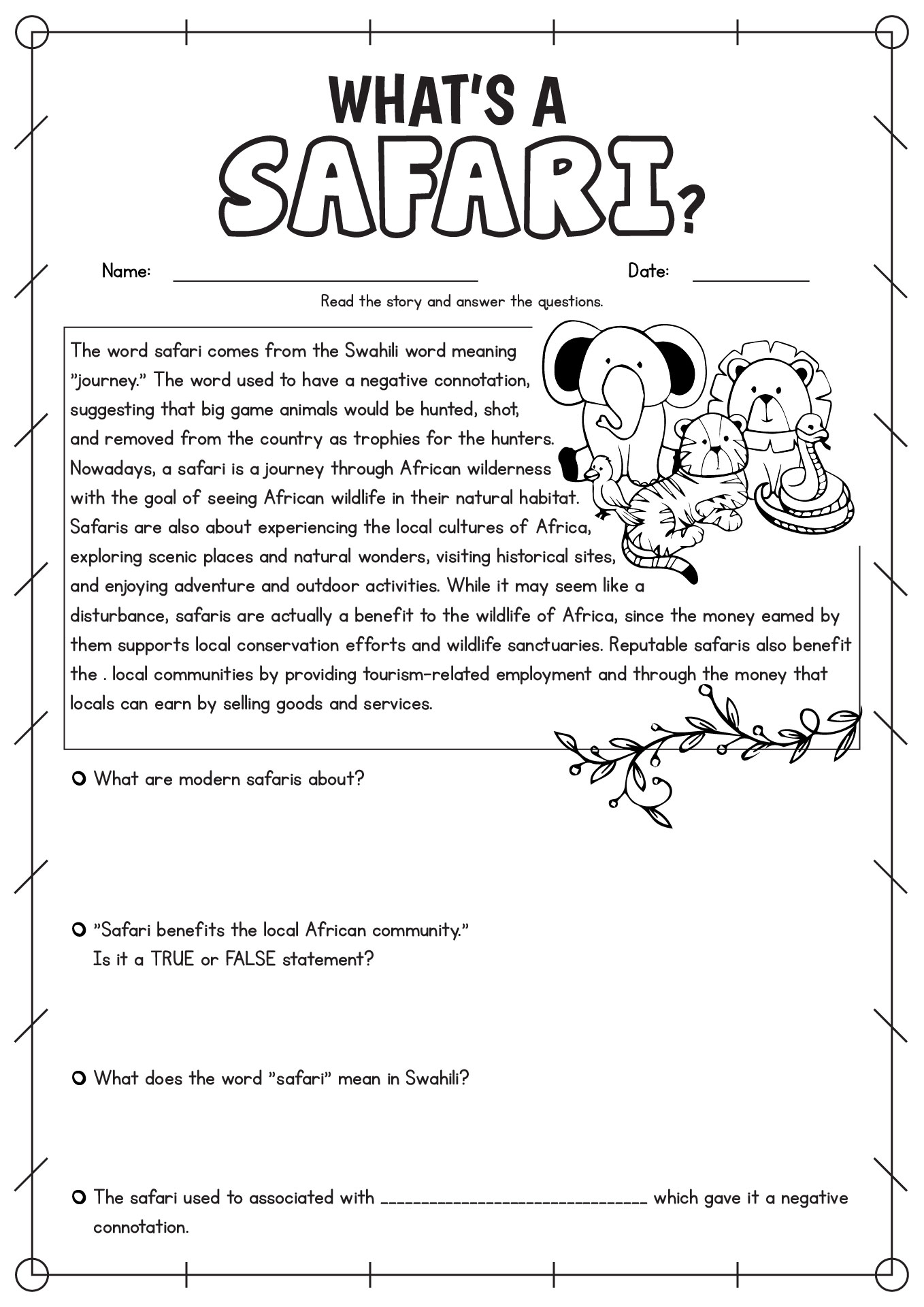
Reading activities for 4th graders are crucial for developing their literacy skills and fostering a love for reading. At this stage, students are transitioning from learning to read to reading to learn. This shift means that engaging activities can make a significant difference in how well they comprehend and enjoy texts. Below, you’ll find a variety of creative reading activities tailored specifically for 4th graders, along with printable resources to help you implement them seamlessly in your classroom.
Engaging Story Mapping
One effective activity is story mapping. This helps students break down the elements of a story, including characters, setting, plot, conflict, and resolution. You can create a printable story map template that students fill out as they read.
- How to Use: Provide students with a short story or chapter from a book. As they read, they can fill in the story map to visualize the narrative structure. This activity not only aids comprehension but also prepares them for discussions about the text.
- Printable Resource: Look for downloadable story map templates that include sections for each narrative element. Consider using graphic organizers that can be printed on standard letter-sized paper for easy distribution.
Interactive Book Reports
Transform the traditional book report into an interactive experience. Instead of a written report, encourage students to create a visual project based on the book they read.
- How to Use: Students can choose to create a poster, a digital slideshow, or even a diorama representing key elements of their book. This allows them to express their understanding creatively and engage with the text on a deeper level.
- Printable Resource: Offer a checklist or rubric that outlines the components of the book report. This can include aspects like character analysis, themes, and personal reflections. Giving them a clear framework will help guide their projects.
Reading Journals
Maintaining a reading journal can be an effective way for students to reflect on their reading experiences. This activity encourages critical thinking and personal connection to the texts.
- How to Use: Have students write entries after finishing a book or chapter. They can summarize the plot, analyze characters, and express their opinions. Encourage them to include illustrations or quotes from the text.
- Printable Resource: Provide printable journal templates with prompts to inspire their writing. Templates can include sections for summaries, favorite quotes, and personal reflections.
Vocabulary Builders
Enhancing vocabulary is vital for 4th graders as they encounter more complex texts. Incorporating vocabulary games into reading activities can make learning fun.
- How to Use: Create vocabulary flashcards based on the books students are reading. They can play games like matching words to definitions or using them in sentences.
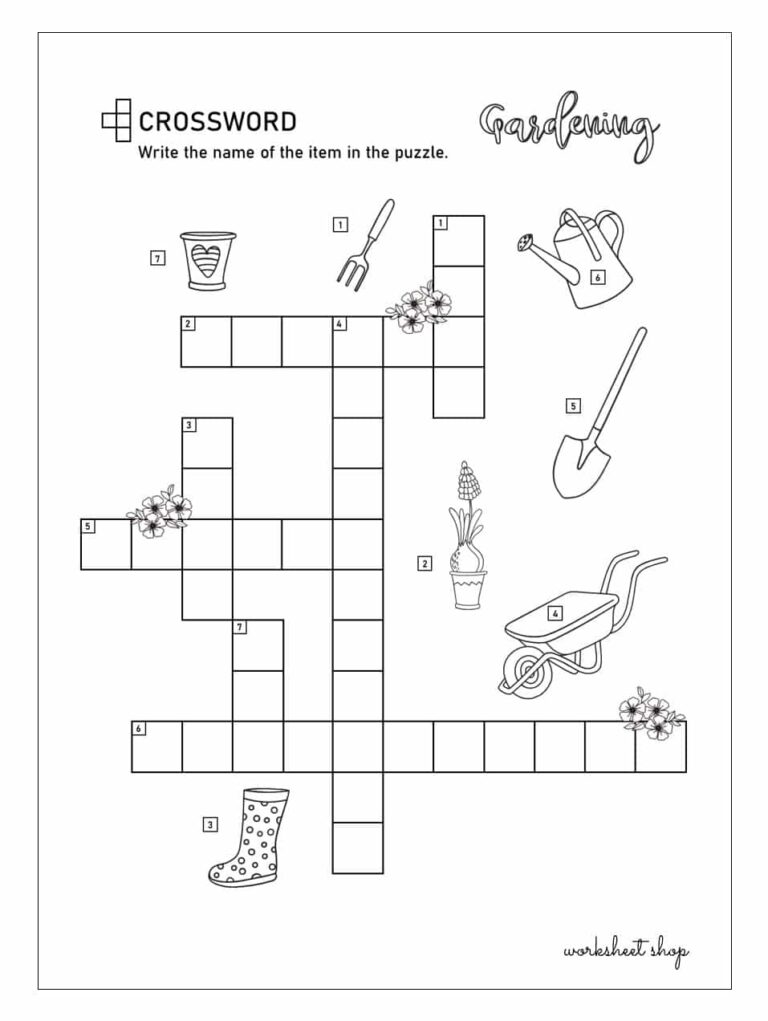
- Printable Resource: Offer vocabulary worksheets where students can practice new words in context. These worksheets can include exercises like fill-in-the-blanks, word searches, or crossword puzzles.
Reader’s Theatre
Reader’s Theatre is a dynamic way to improve fluency and comprehension. This activity involves students performing a script based on a book or story.
- How to Use: Choose a short story or a chapter that lends itself well to dramatization. Divide the script among the students and allow them to rehearse. This not only boosts their reading skills but also their confidence in public speaking.
- Printable Resource: Provide scripts that are easy to read and understand. You can create or find printable scripts tailored for 4th graders, ensuring they feature engaging dialogue and relatable themes.
Collaborative Group Reading
Group reading activities can foster a sense of community and enhance comprehension through discussion.
- How to Use: Organize small reading groups where students can read a book together. After reading, they can discuss their thoughts and insights, encouraging peer learning.
- Printable Resource: Supply discussion questions or prompts that guide their conversations. These can include themes, character motivations, or predictions about what might happen next.
Thematic Reading Challenges
Setting up reading challenges can motivate students to explore different genres and themes.
- How to Use: Create a reading challenge where students must read books from various categories, such as fantasy, mystery, or non-fiction. Offer incentives for completing the challenge, like a small prize or recognition in class.
- Printable Resource: Design a reading challenge checklist that students can mark off as they complete each book. This can be a fun way to track their progress and encourage diverse reading.
Digital Storytelling
Incorporating technology into reading activities can engage students in new ways. Digital storytelling allows them to create their own stories using multimedia.
- How to Use: Students can use apps or websites to create digital stories based on their reading. They can include images, audio, and text to bring their stories to life.
- Printable Resource: Provide a guide or template for planning their digital stories. This can help them organize their ideas before diving into the digital aspect.