Trace The Letters Of The Alphabet
Learning to trace the letters of the alphabet is an essential skill for young learners. This foundational activity helps children develop their handwriting, fine motor skills, and understanding of letter shapes. Printable resources, like worksheets and templates, can make this learning process engaging and effective. In this guide, you’ll find practical tips for using tracing worksheets in a classroom or at home, along with suggestions for assessing progress.
Understanding the Importance of Tracing Letters
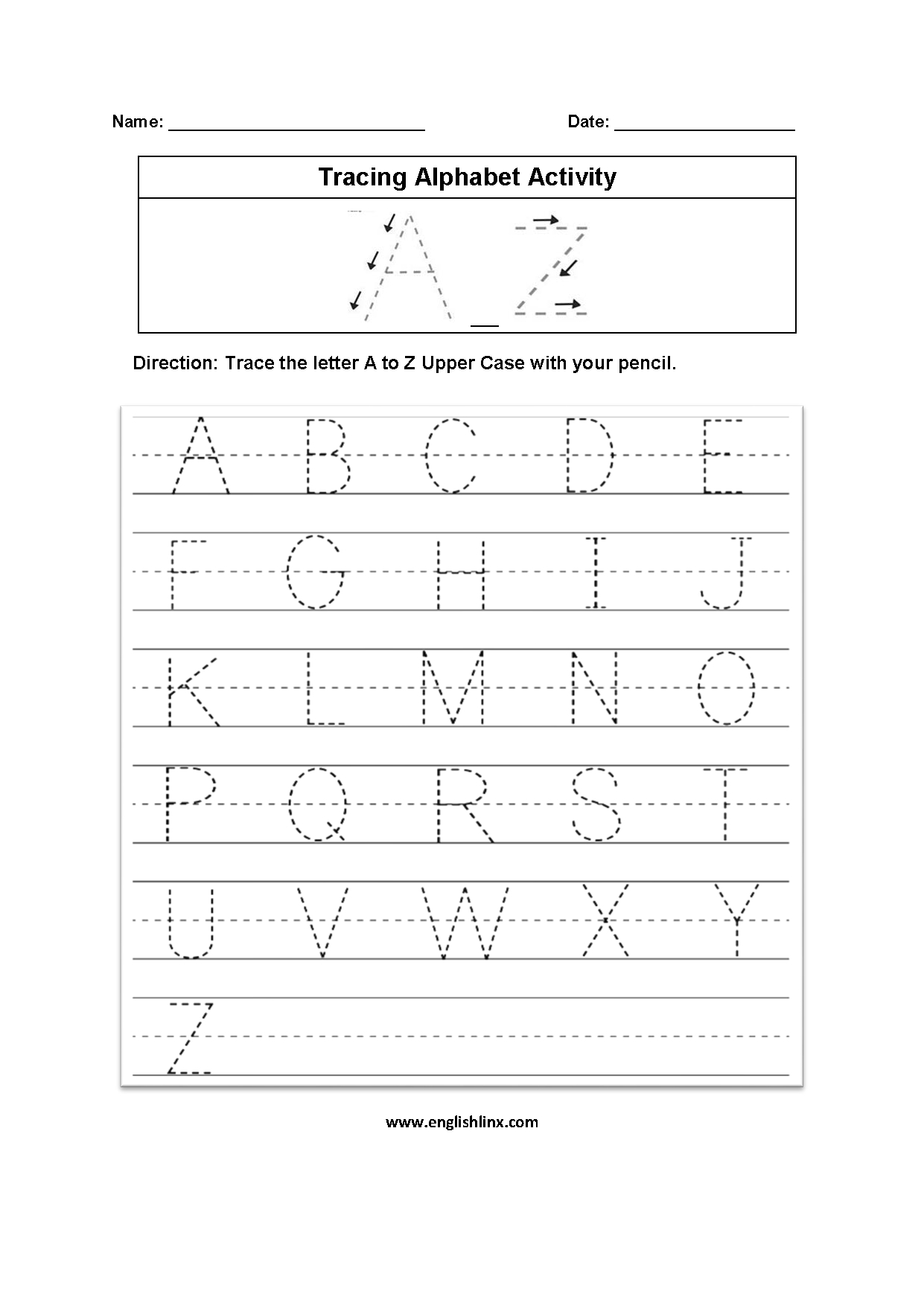
Tracing letters is more than just busy work; it lays the groundwork for writing. Through tracing, children learn to recognize letters and associate them with sounds, which is crucial for phonics and reading skills. This activity typically suits preschool and kindergarten students, but it can also benefit older children who may need extra practice.
When children trace letters, they engage in a multisensory learning experience. They see the letters, feel the shapes with their hands, and often say the sounds aloud. This combination reinforces their learning and helps them remember the letters better. As a teacher or parent, it’s important to select resources that are not only educational but also enjoyable to keep children motivated.
Choosing the Right Resources
When looking for worksheets to help kids trace the letters of the alphabet, consider the following factors:
- Age Appropriateness: Worksheets should be tailored to the age group. Preschoolers might need larger letters and simpler formats, while older students could benefit from more complex tracing tasks.
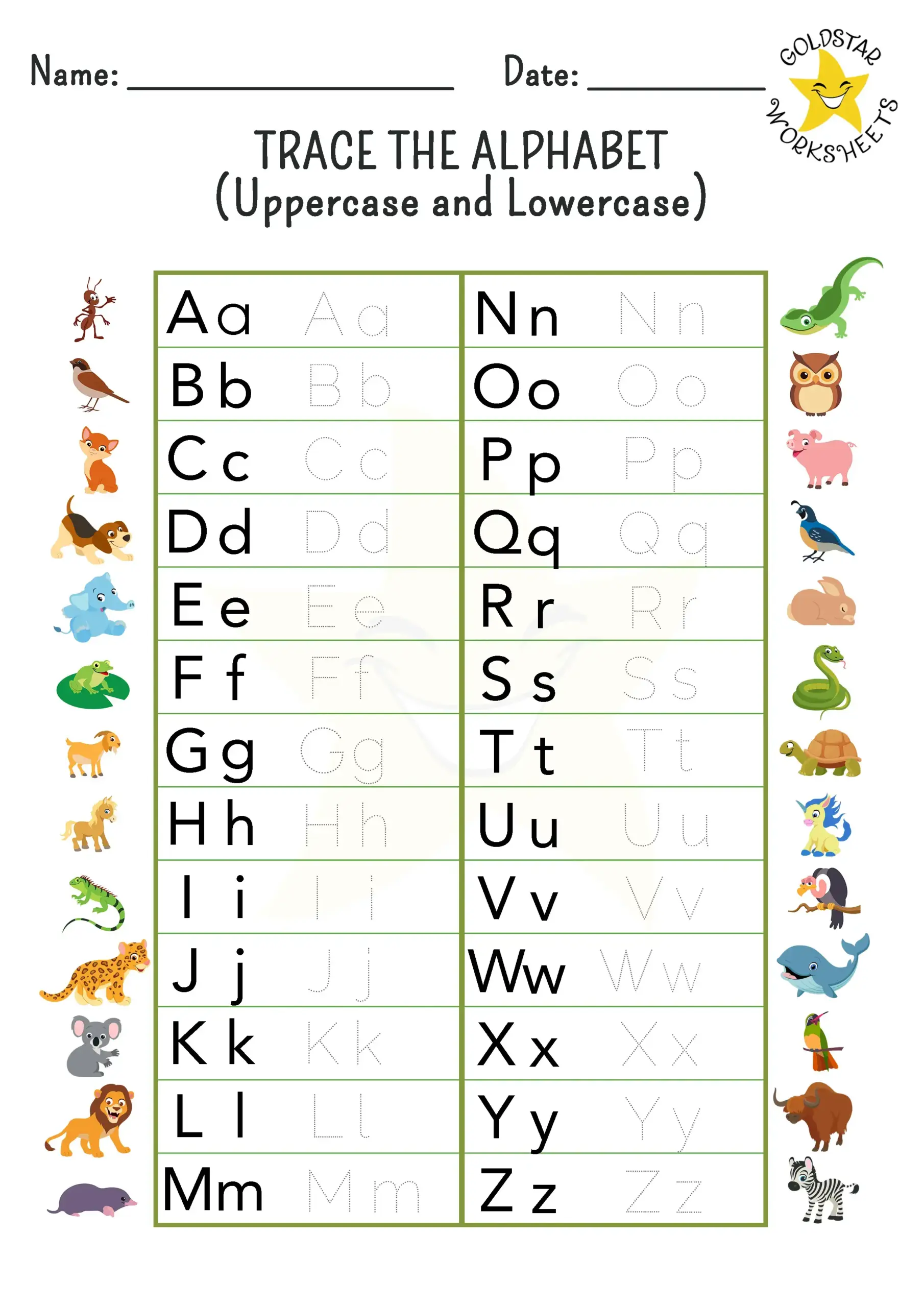
- Engagement Level: Look for worksheets that incorporate fun themes or characters to keep children interested. Worksheets with illustrations or interactive elements can make tracing letters feel like a game rather than a chore.
- Printable Format: Ensure the worksheets are available in a convenient format, such as PDF. This format typically avoids reformatting issues that can arise with image files, ensuring the letters appear as intended when printed.
Practical Steps for Using Tracing Worksheets
Using tracing worksheets effectively involves a few key steps:
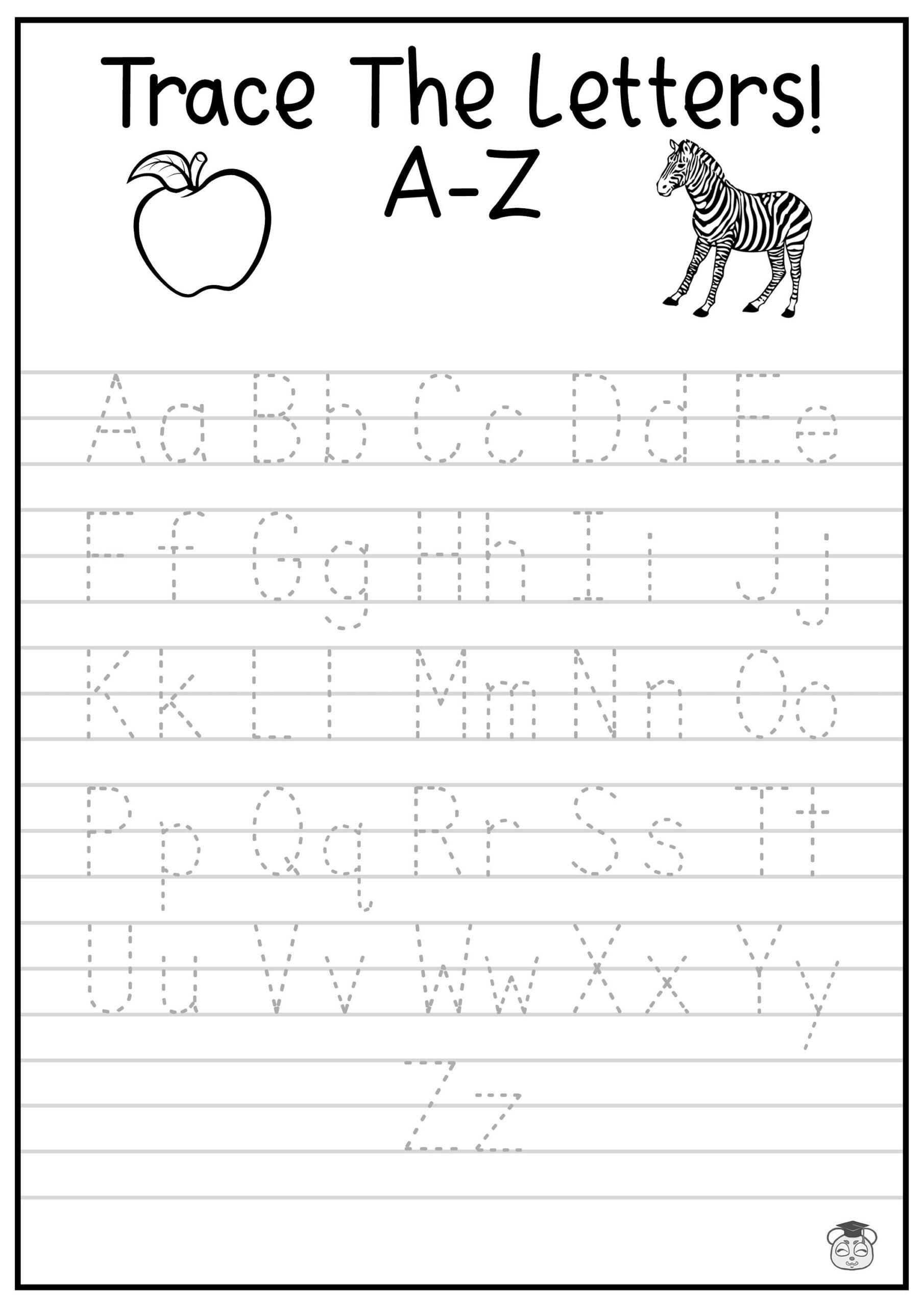
- Print the Worksheets: Choose a high-quality printer setting to ensure clarity. Portrait layout often works best for worksheets. Use standard paper sizes like A4 or letter-size depending on your location.
- Provide the Right Tools: Offer children pencils or erasable pens for tracing. These tools allow for corrections and make the experience less frustrating. If you want the worksheets to last longer, consider using cardstock or laminating the sheets for repeated use with dry-erase markers.
- Model the Activity: Show children how to trace letters correctly. You can demonstrate the proper hand movements and explain how to start and end each letter.
- Encourage Independence: After modeling, allow children to try tracing on their own. Observe their technique and provide guidance as needed. Encourage them to say the letter sounds as they trace, reinforcing their phonetic understanding.
- Assess Progress: It’s crucial to check how well children are mastering the tracing activity. Look for improvements in their letter formation and confidence. If you notice consistent difficulties, consider revisiting the tracing activity or providing additional resources.
Assessing Mastery of Letter Tracing
To determine if a child is mastering the skill of tracing letters, observe the following:
- Letter Formation: Are the letters being traced correctly? Look for consistent shapes and sizes. If the letters are consistently too large or too small, adjustments may be necessary.
- Speed and Confidence: As children practice, they should become faster and more confident in their tracing abilities. If they struggle, it may indicate the need for more practice or a different approach.
- Retention of Skills: After several sessions, check if children can recall letter shapes without tracing. You can test this by asking them to write letters from memory or by using a blank sheet for freehand writing.
By monitoring these factors, you can ensure that each child receives the appropriate level of support and encouragement.
Additional Activities to Reinforce Learning
To complement tracing worksheets, consider incorporating additional activities that reinforce letter recognition and writing skills:
- Coloring Pages: Use coloring pages that feature letters. As children color, they can verbally identify the letters, linking visual recognition to motor skills.
- Letter Crafts: Engage children in crafts related to letters. For example, they can cut out letters from colored paper and glue them onto a poster.
- Interactive Games: Use games that involve letter recognition. Activities like letter scavenger hunts or matching games can make learning fun and interactive.
- Daily Writing Practice: Encourage children to write short words or their names using the letters they’ve traced. This practice reinforces their learning and builds their confidence.
By diversifying the types of activities, you can cater to different learning styles and keep children motivated to learn.