Dictionary Definition Of A Word
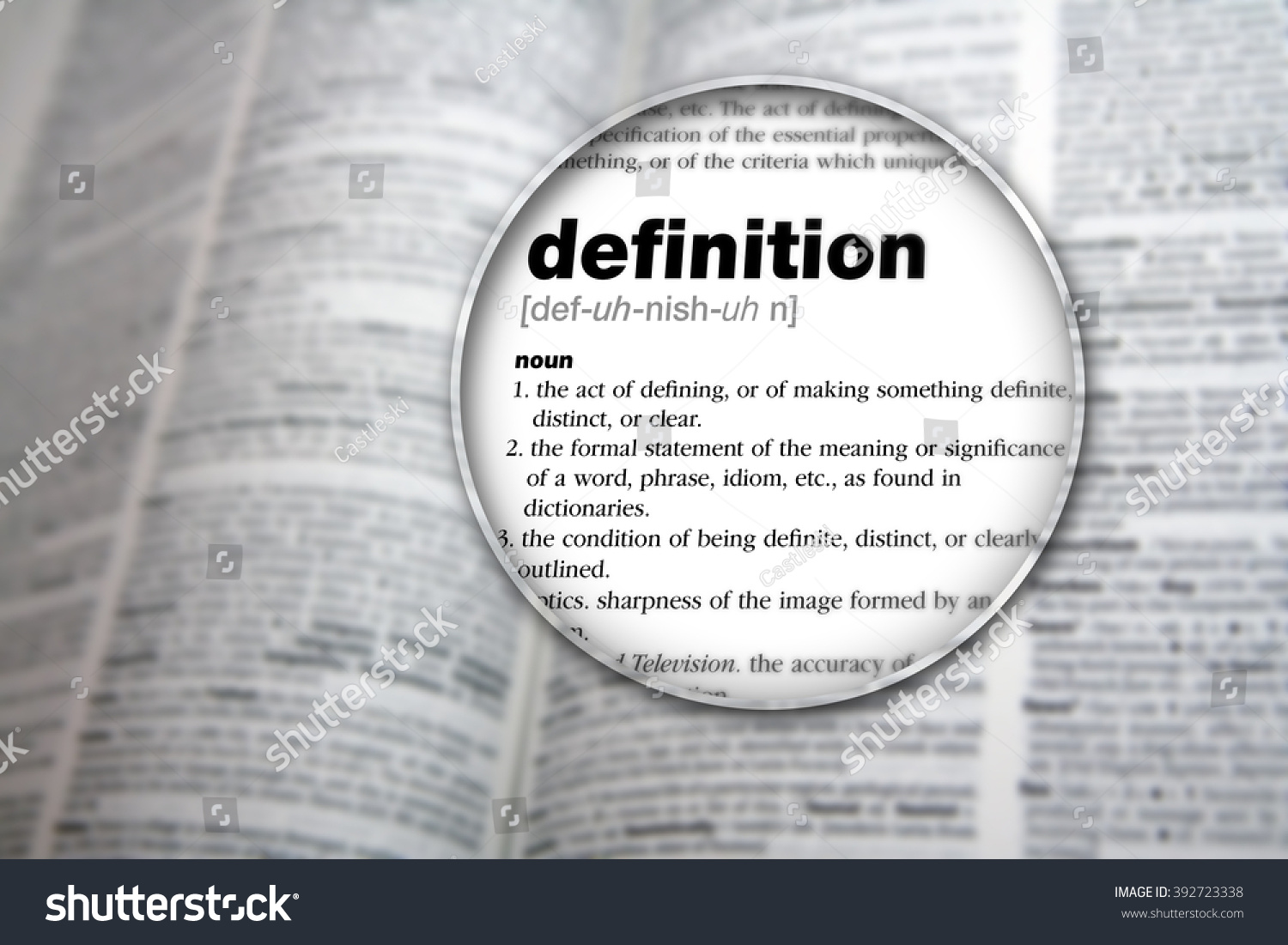
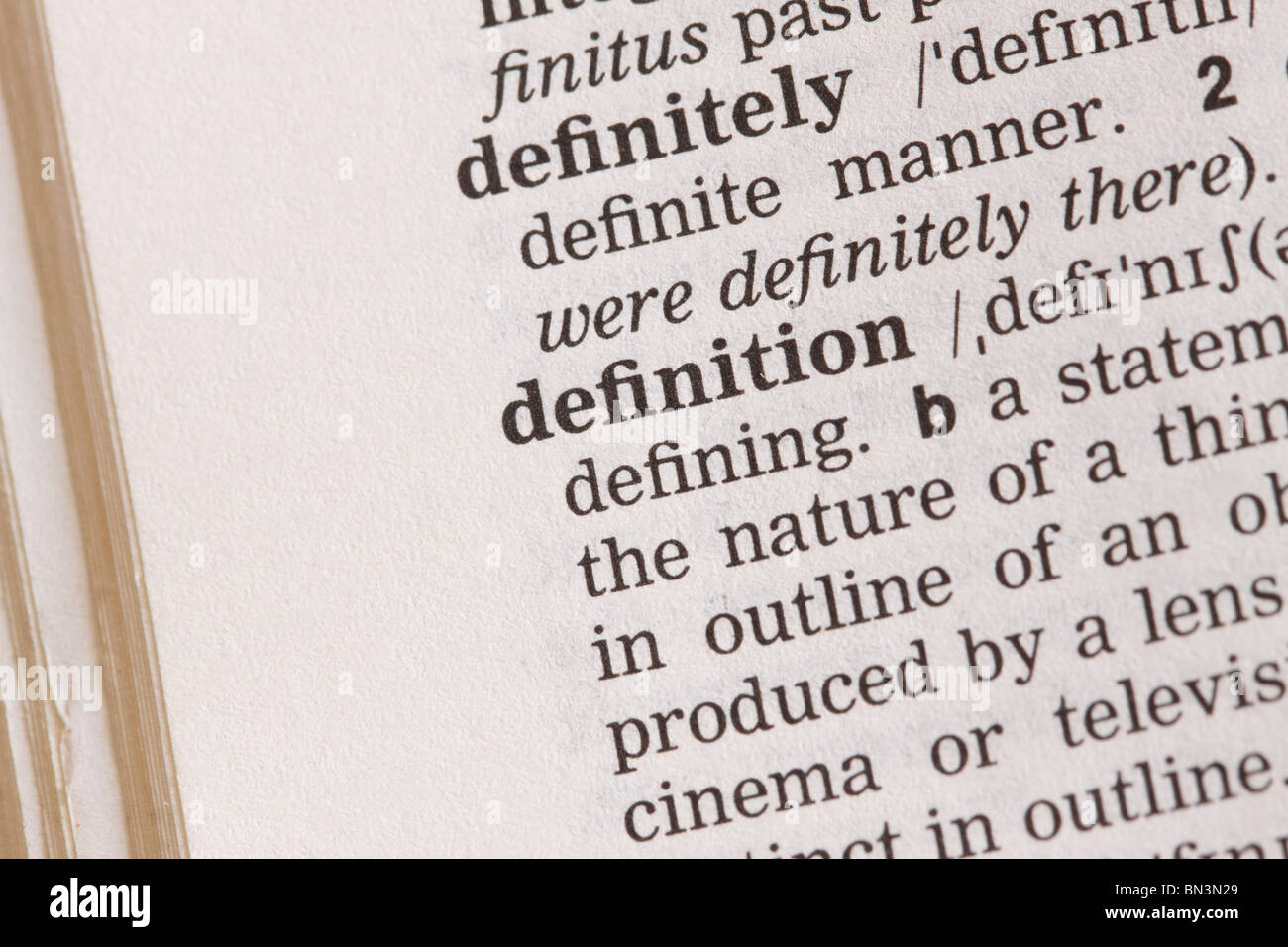
Understanding the Dictionary Definition Of A Word is crucial for educators aiming to enhance vocabulary skills in their students. A dictionary provides not only the meaning of a word but also its pronunciation, part of speech, and usage in context. This resource can be utilized in various educational settings, from early childhood to higher education, making it a versatile tool for teachers.
The Importance of Word Definitions in Education
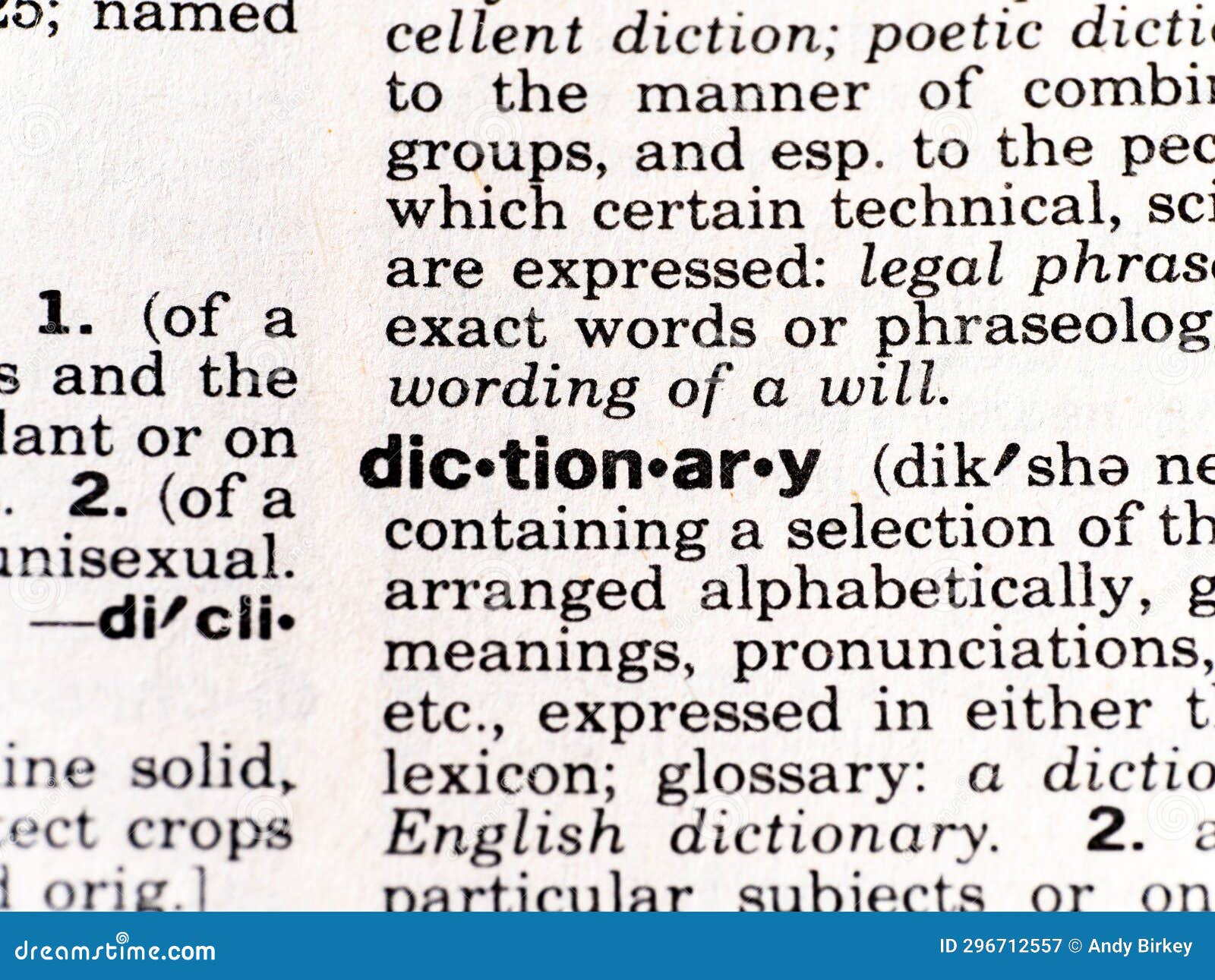
In any learning environment, understanding the precise meaning of words is foundational for effective communication and comprehension. Teaching students how to utilize a dictionary empowers them to independently look up unfamiliar words, which is a vital skill for lifelong learning. As you introduce students to the dictionary, consider the following aspects of word definitions:
- Clarity: Definitions break down complex ideas into understandable terms.
- Context: Seeing words in context helps students grasp their usage.
- Engagement: Interactive dictionary activities can make learning more engaging.
By incorporating dictionary definitions into your lesson plans, you enable students to develop critical thinking and analytical skills as they explore language.
How to Use a Dictionary Effectively
When teaching students how to use a dictionary, it’s essential to guide them through the process. Here are practical steps to help your students become proficient in using this resource:
- Understanding Alphabetical Order: Show students how to locate words quickly by understanding the alphabetical arrangement. This skill is foundational, as it allows them to navigate not only dictionaries but also encyclopedias and thesauruses.
- Identifying Parts of Speech: Teach students to recognize parts of speech (noun, verb, adjective, etc.) associated with each word. This knowledge helps them understand how to use words correctly in sentences.
- Exploring Pronunciation Guides: Introduce students to phonetic symbols and pronunciation guides found in dictionaries. Practicing pronunciation can enhance their speaking and listening skills.
- Contextual Usage: Encourage students to read example sentences provided in dictionaries. This helps them understand how words function in different contexts and improves their writing skills.
- Engagement Activities: Create engaging activities such as scavenger hunts where students find specific words and share their definitions with classmates. Such activities make the learning process enjoyable and collaborative.
Printable Resources for Teaching Dictionary Skills
To support your teaching of dictionary skills, consider providing your students with printable resources. Here are a few ideas that can be easily downloaded and printed:
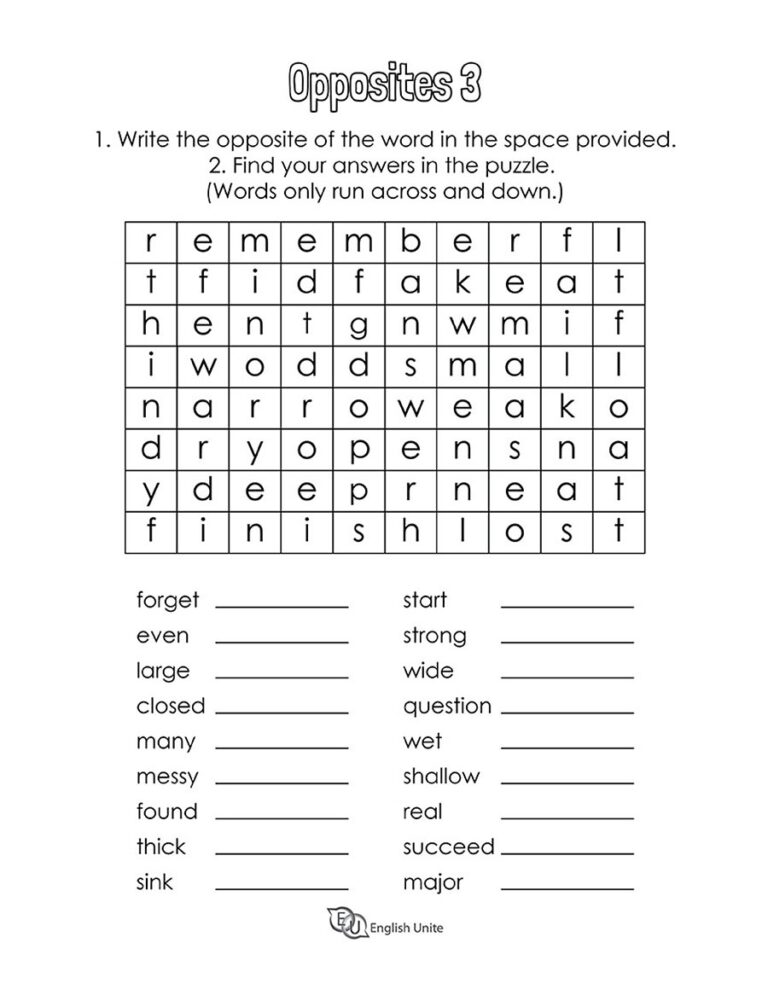
- Dictionary Skills Worksheets: These worksheets can include exercises on alphabetical order, identifying parts of speech, and using words in sentences. Tailoring these worksheets to specific grade levels will ensure they are age-appropriate.
- Word Definition Cards: Create cards that feature a word on one side and its definition, part of speech, and example sentence on the other. Students can use these cards for review or as flashcards during vocabulary games.
- Interactive Dictionary Activities: Develop worksheets that guide students through using a dictionary to find words. This could include exercises where they must match words to their definitions or create sentences using a set of vocabulary words.
- Coloring Pages with Vocabulary Words: For younger students, coloring pages that incorporate vocabulary words can make learning fun. Each page could feature a word alongside a related image, encouraging visual learning.
Tracking Vocabulary Progress
As students engage with dictionary definitions and vocabulary building, tracking their progress is essential. Here are some effective methods for monitoring their development:
- Vocabulary Journals: Encourage students to maintain a vocabulary journal where they can write down new words, their definitions, and example sentences. This personal record serves as a great reference tool.
- Quizzes and Tests: Regular quizzes can help assess students’ understanding of vocabulary. These can be formatted as fill-in-the-blank, multiple-choice, or matching exercises.
- Classroom Discussions: Foster discussions around new vocabulary words. Have students share their own sentences or contexts where they might use these words, reinforcing their understanding through dialogue.
- Peer Teaching: Pair students up and have them teach each other new vocabulary words. Teaching is a powerful way to reinforce learning, and students often explain concepts to one another in ways that resonate better than traditional instruction.
By implementing these strategies, you can ensure that your students not only understand the dictionary definition of a word but also learn to appreciate the richness of language. This foundational knowledge will serve them well in their academic journeys.