Writing Games For Elementary Students
Writing Games For Elementary Students can transform your classroom into a lively learning environment. These games not only spark creativity but also help students develop their writing skills in a fun and engaging way. As a teacher, you can implement these activities to encourage participation and make writing less daunting for your students. Here’s a guide to different writing games, how to use them effectively, and why they matter.
The Importance of Writing Games
Writing games are essential tools for elementary students. They provide a playful way to enhance writing skills, boost creativity, and build confidence. These games often incorporate elements of storytelling, vocabulary building, and even collaboration among peers, making them versatile for various classroom settings.
By using writing games, you can:
- Encourage reluctant writers to express themselves.
- Reinforce grammar and punctuation in a fun way.
- Create a safe environment for students to share their work.
Implementing these games can lead to noticeable improvements in your students’ writing abilities. Preparing to use these resources is straightforward, and the impact can be significant.
Types of Writing Games
There are several types of writing games you can introduce to your students. Here are a few engaging options:
Story Starters
Story starters are prompts that help students kick off their writing. You can create a printable sheet with various story starters that spark imagination. For example, “Once upon a time, in a village where everyone could fly…” encourages students to think creatively and develop their narratives.
How to Use:
- Distribute the story starter sheets.
- Allow students to choose a starter and write a short story.
- Encourage sharing their stories with the class, fostering a sense of community.
Collaborative Storytelling
In this game, students build a story together, each contributing a sentence or two. This activity can be done in small groups, making it a fun and interactive experience.
How to Use:
- Start with an opening line, such as “On a dark and stormy night…”
- Pass the story around the group, with each student adding to it.
- After a few rounds, read the completed story aloud for everyone to enjoy.
Writing Prompts With a Twist
Using prompts that require a specific format can challenge students and enhance their skills. For example, ask students to write a letter to their favorite character, detailing what they admire about them.
How to Use:
- Provide students with guidelines for the letter format.
- Encourage creativity by allowing them to choose any character from literature or movies.
- Have students decorate their letters and share them with the class.
Printable Resources for Writing Games
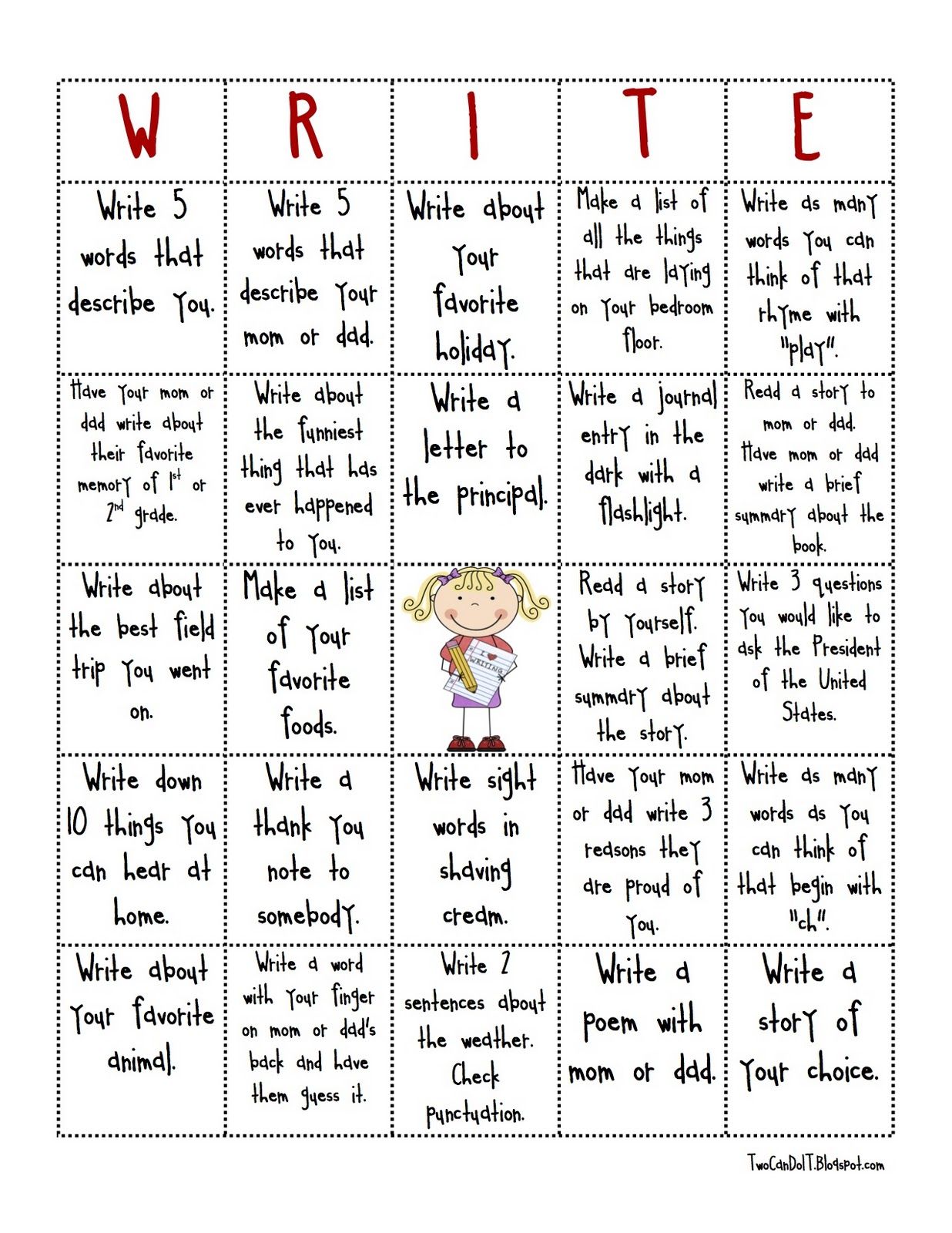
To make implementation easier, consider using printable resources designed specifically for writing games. These can include:
- Worksheets for story starters.
- Templates for collaborative storytelling.
- Writing prompt cards.
These resources save time and ensure that your students have structured materials to work with. You can find downloadable versions that are easy to print, making them accessible for immediate use in your classroom.
Adapting Games for Different Skill Levels
Not all students have the same writing abilities, so it’s important to adapt games to suit different skill levels. Here are a few strategies:
- For Beginners: Use simple prompts with visual aids. Pictures related to prompts can help spark ideas.
- For Advanced Students: Challenge them with complex themes or require specific vocabulary inclusion.
- For Mixed-Ability Groups: Pair stronger writers with those who may struggle. This encourages peer learning and support.
How to Incorporate Writing Games Into Your Curriculum
Integrating writing games into your daily routine can be seamless. Here’s how to do it:
- Weekly Writing Day: Dedicate one day a week to writing games. This creates anticipation among students.
- Incorporate into Other Subjects: Use writing games in subjects like history or science. For example, have students write fictional accounts of historical events.
- Assess Progress: Use the stories created from these games as informal assessments. This will help you gauge students’ understanding and growth.
Getting Started With Writing Games
To begin using Writing Games For Elementary Students, gather the necessary materials and resources. Here’s a quick checklist:
- Download and print writing prompt sheets.
- Prepare space for collaborative storytelling activities.
- Set up a comfortable reading area for sharing stories.
Once you have everything ready, introduce the games gradually. Encourage students to express their thoughts and ideas freely. As they engage with these activities, you’ll notice improvements in their writing skills and overall confidence.
By implementing these engaging writing games, you will create a vibrant learning atmosphere that encourages creativity and makes writing enjoyable for elementary students. So, gather your materials, print your resources, and get ready to inspire your young writers!