Writing Games For 3rd Grade
Writing is a critical skill for 3rd graders, and incorporating fun writing games can make all the difference. Writing Games For 3rd Grade not only enhance creativity but also foster a love for literacy. These games can be easily integrated into your lesson plans, making them a valuable resource for any teacher. Here are some exciting ideas and resources to get you started.
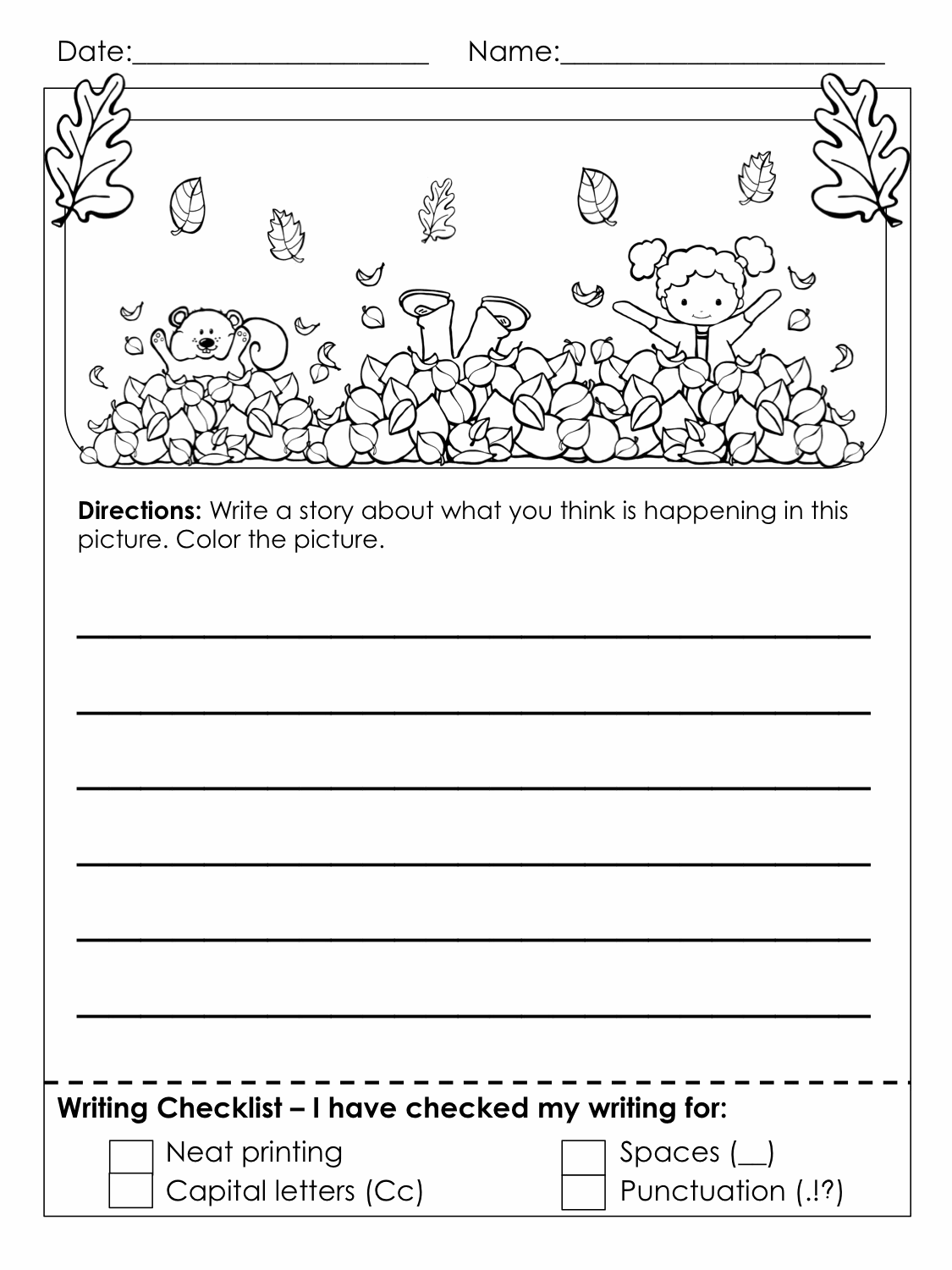
Fun Writing Prompts
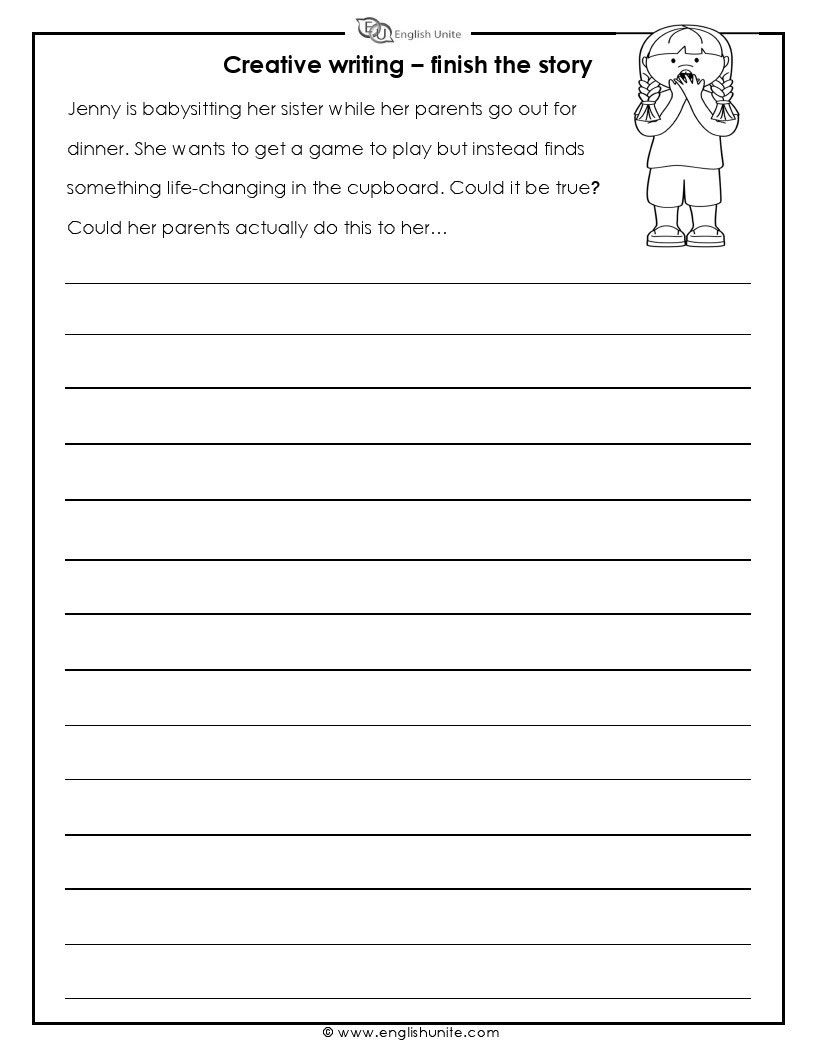
One of the simplest yet effective ways to engage students in writing is through prompts. You can create a printable list of prompts tailored for 3rd graders. Here are a few examples:
- Imagine a Day in the Life of Your Pet: Ask children to write about what their pet would do if they had a day off from being a pet.
- Superhero Stories: Let them invent a superhero with unique powers and describe their first adventure.
- Mystery Letter: Have students write a letter to a friend that contains clues about a mystery they must solve.
Make these prompts visually appealing by formatting them in colorful templates. Downloadable versions allow for easy printing and sharing in your classroom.
Interactive Storytelling Games
Interactive storytelling is a fantastic way to promote collaborative writing. You can implement the following games:
- Story Cubes: Create printable dice with different images or words. Students roll the dice and must incorporate whatever they land on into a story.
- Chain Story: Each student writes a sentence on a piece of paper, then passes it to the next student, who continues the story. This can be done in groups or as a class activity.
These activities can be made into worksheets that students can fill out and take home, reinforcing their writing skills through play.
Themed Writing Challenges
Themed writing challenges can spark creativity and provide structure. Consider these ideas:
- Seasonal Writing: Assign different themes based on the season, such as “Fall Adventures” or “Winter Wonders.” Provide a template that includes specific elements they must include in their stories.
- Character Development: Have students create a character profile using a printable worksheet. They can detail their character’s traits, background, and goals, then write a short story featuring their character.
Incorporating themes helps students focus their creativity and can lead to some wonderful storytelling.
Writing Games for Vocabulary Building
Enhancing vocabulary is crucial for 3rd graders, and games can make this process enjoyable. Here are a couple of game ideas:
- Word Bingo: Create bingo cards filled with vocabulary words. As you call out definitions, students can cover the corresponding word on their cards.
- Synonym Match-Up: Print cards with words and their synonyms. Students can play in pairs to match as many synonyms as they can within a time limit.
These games can also be printed and used as part of a vocabulary lesson, making learning feel like a game rather than a chore.
Incorporating Technology
While printable resources are fantastic, consider integrating technology to enhance the writing experience:
- Digital Storytelling Tools: Websites and apps like Storybird or Book Creator allow students to create digital stories. They can use their writing from the games and prompts to build interactive stories online.
- Online Collaboration: Use platforms like Google Docs for group writing projects. Students can work together in real-time, sharing ideas and building off one another’s writing.
Using technology can engage students who may be less inclined to write on paper and can prepare them for digital literacy in the future.
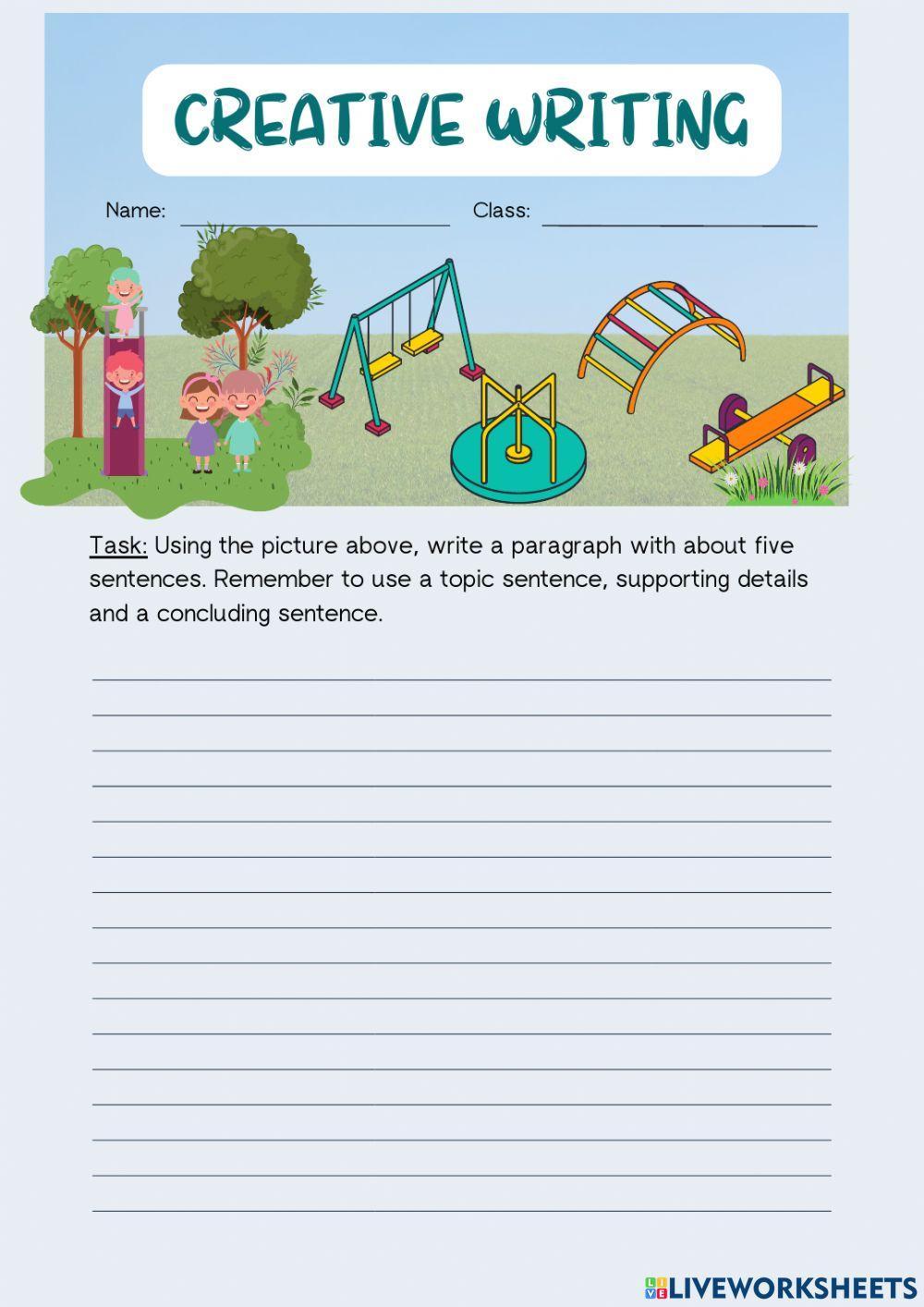
Printable Resources for Teachers
Having a library of printable resources is essential for any teacher. You can create and share the following:
- Writing Templates: Design templates for different writing styles, such as narrative, persuasive, or descriptive writing. These can guide students through the writing process.
- Rubrics for Assessment: Include printable rubrics that outline what makes a strong piece of writing. This not only helps students understand expectations but also makes grading easier for you.
Creating a resource bank allows teachers to quickly access materials that can enhance their lesson plans.