Writing Exercises For 7th Graders
Writing exercises for 7th graders can be a powerful tool to enhance their creative and analytical writing skills. When you’re looking for practical ways to engage students, having downloadable resources at your fingertips makes a significant difference. These resources can be tailored to fit various writing styles, topics, and skill levels, ensuring that every student finds something that resonates with them.
Understanding the Importance of Writing Exercises
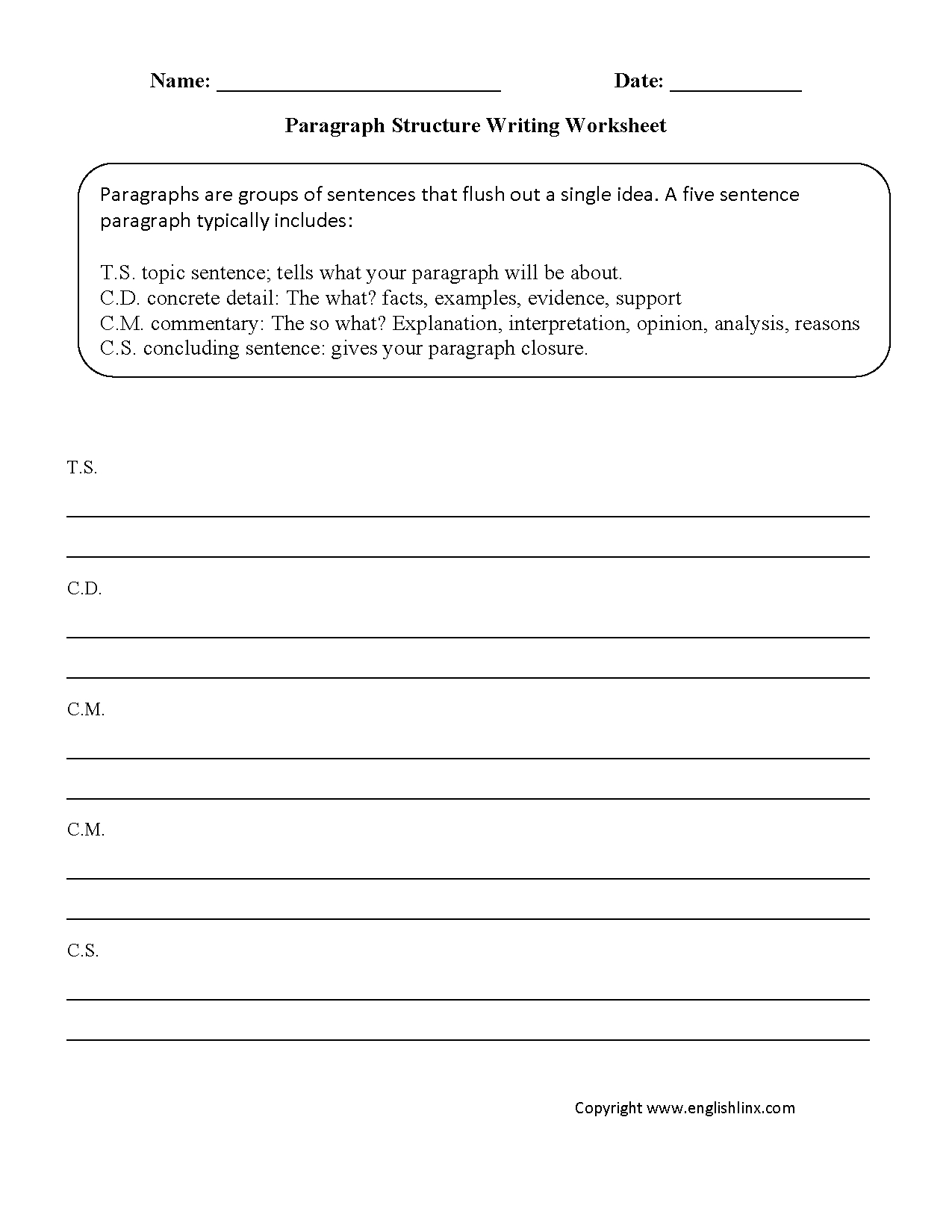
Writing is an essential skill that extends beyond the classroom. For 7th graders, developing strong writing abilities lays the groundwork for future academic success. Exercises that focus on different aspects of writing—such as narrative, persuasive, and descriptive writing—encourage students to explore their voices and improve their craft. Engaging them with practical exercises can foster a love for writing and help them express their thoughts clearly.
Types of Writing Exercises for 7th Graders
1. Narrative Writing Prompts
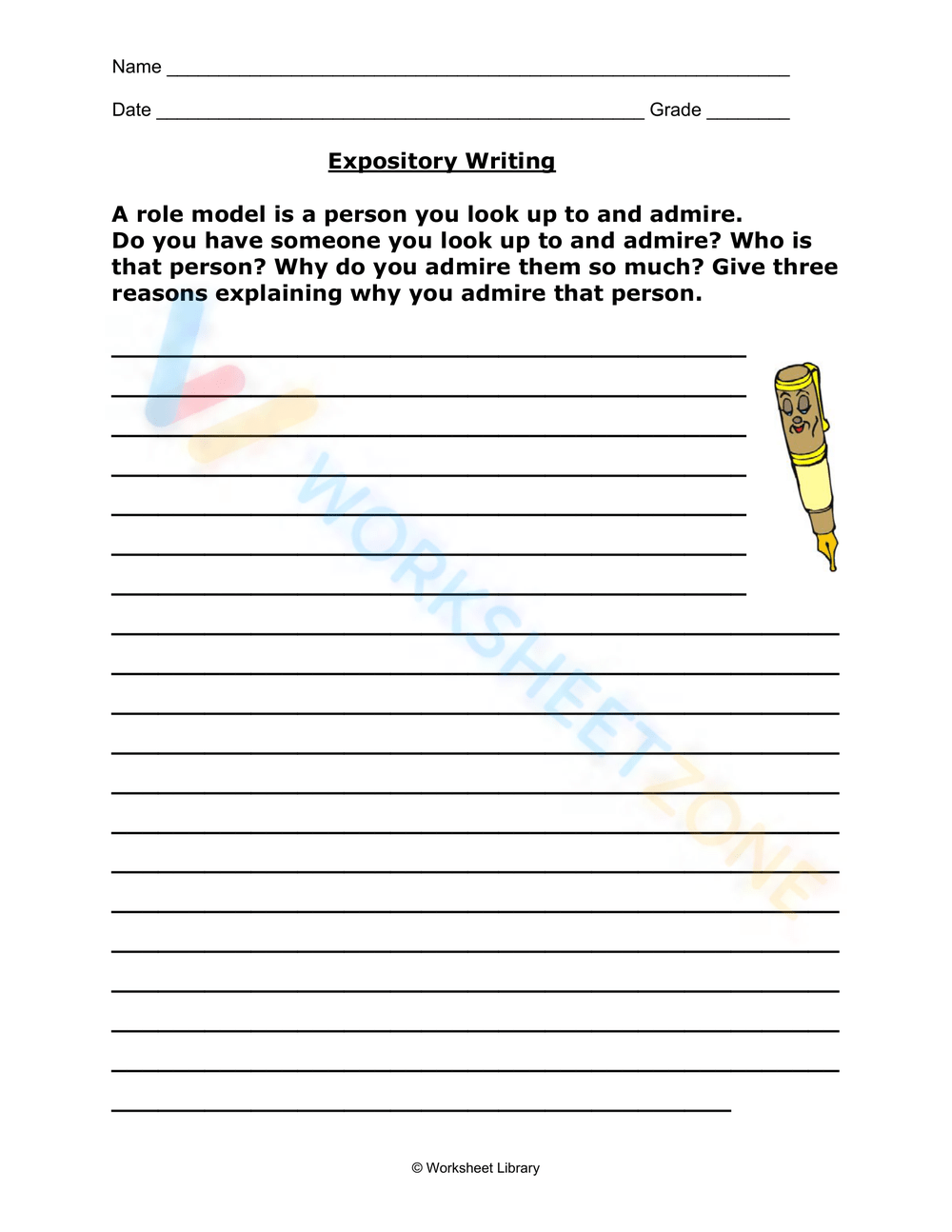
Narrative writing allows students to tell stories, which can be both fun and educational. A well-structured narrative helps students learn to organize their thoughts and create engaging plots. Here are some examples of narrative writing prompts:
- Write about a time you faced a challenge and how you overcame it.
- Imagine if you could travel anywhere in the world. Describe your journey and what you discovered.
- Create a character who can talk to animals. What adventures do they go on?
These prompts can be formatted into printable worksheets, providing spaces for brainstorming, drafting, and finalizing their stories.
2. Persuasive Writing Activities
Persuasive writing teaches students to articulate their opinions and convince others of their viewpoints. This skill is particularly valuable in today’s world, where effective communication is key. Here are a few activities to encourage persuasive writing:
- Write a letter to the school principal advocating for a new school policy.
- Create a poster that argues for or against a local issue, such as recycling initiatives.
- Develop a short speech to persuade classmates to participate in a community service event.
Printable templates can guide students through the persuasive writing process, helping them organize their arguments and supporting evidence effectively.
3. Descriptive Writing Exercises
Descriptive writing hones a student’s ability to create vivid imagery through words. It encourages them to use sensory details that bring their writing to life. Here are a couple of exercises to try:
- Describe your favorite place using all five senses. What do you see, hear, smell, taste, and feel?
- Write a detailed character sketch of someone you admire, focusing on their appearance, personality, and quirks.
Worksheets can include prompts and spaces for students to jot down their ideas, making it easier for them to expand on their descriptions.
Incorporating Creative Writing Into Everyday Learning
Writing exercises don’t have to be limited to specific assignments. Incorporating creative writing into daily activities can enhance students’ engagement and skills. Here are some practical suggestions:
- Journaling: Encourage students to keep a daily or weekly journal. This can be a space for them to express their thoughts, reflections, and experiences. Journals can be printed with lined pages, and prompts can be included periodically to inspire entries.
- Group Writing Projects: Organize collaborative writing activities where students can work together to create stories or essays. This fosters teamwork and allows them to learn from each other.
- Writing Workshops: Host workshops where students can share their work, receive feedback, and learn to revise their pieces. Providing a structured environment for peer review can be beneficial.
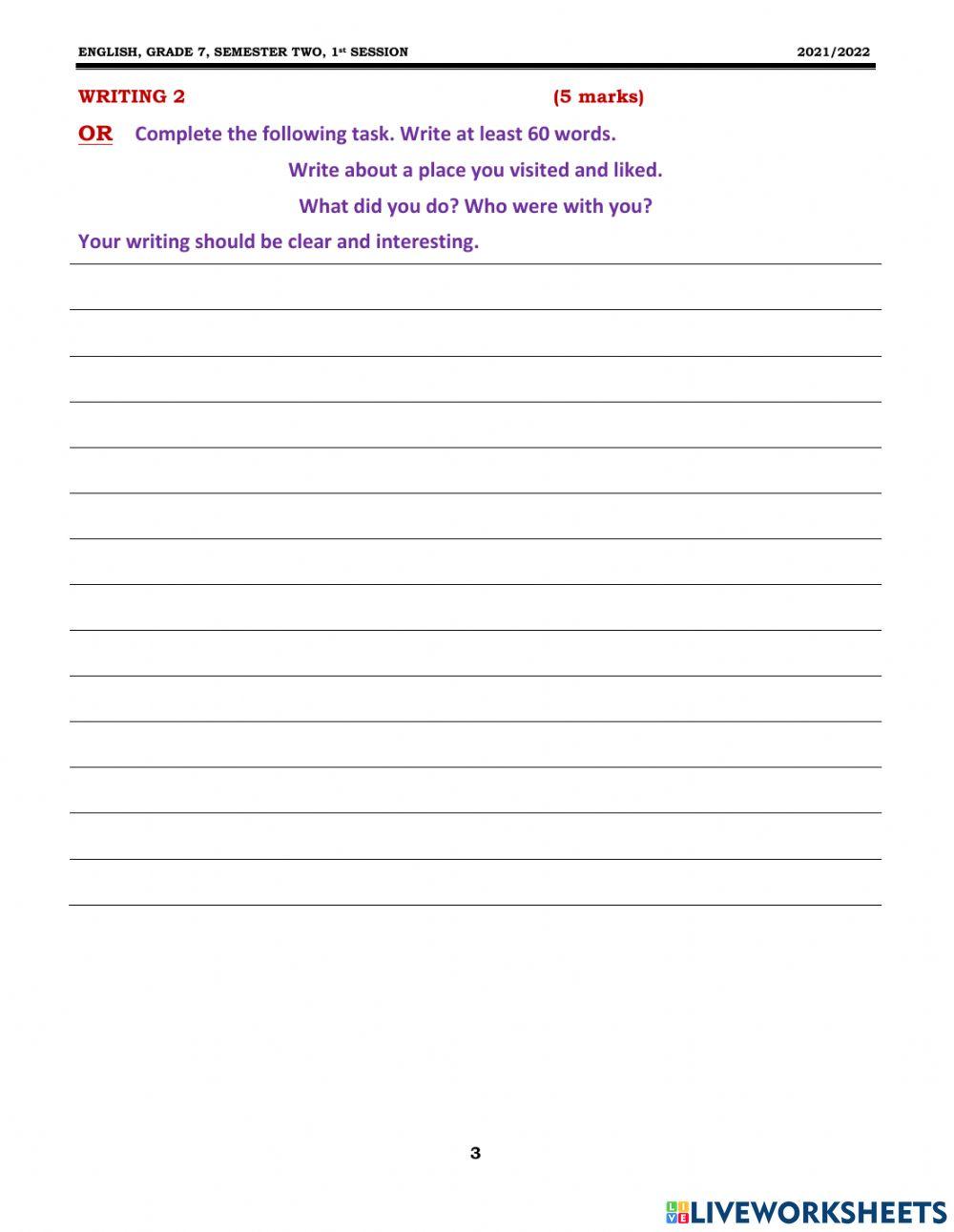
Printable Resources for Writing Exercises
Making writing exercises accessible through printable resources can greatly enhance their effectiveness. Here are some features to consider when selecting or creating your materials:
- Variety of Formats: Ensure that your resources come in different formats—such as single-page prompts, multi-page worksheets, or even digital templates that can be filled out on a device. This variety allows for flexibility in how students engage with the material.
- Clear Instructions: Each printable should include clear, concise instructions. This helps students understand the purpose and goals of each exercise without confusion.
- Space for Notes: Incorporate spaces for brainstorming, drafting, and revising. This encourages students to think critically about their writing process and gives them a structured way to develop their ideas.
- Visual Appeal: Use engaging graphics and layouts that capture students’ attention. A visually appealing resource can motivate students to look at their writing assignments.