Writing Activities For 6th Graders
Writing activities for 6th graders can be both fun and educational, allowing students to express their thoughts while honing essential writing skills. If you are a teacher looking for fresh ideas or a parent seeking resources to support your child’s learning, this guide offers practical activities that can be easily downloaded and implemented. Let’s explore various writing exercises that will engage your students and track their progress effectively.
Creative Writing Prompts
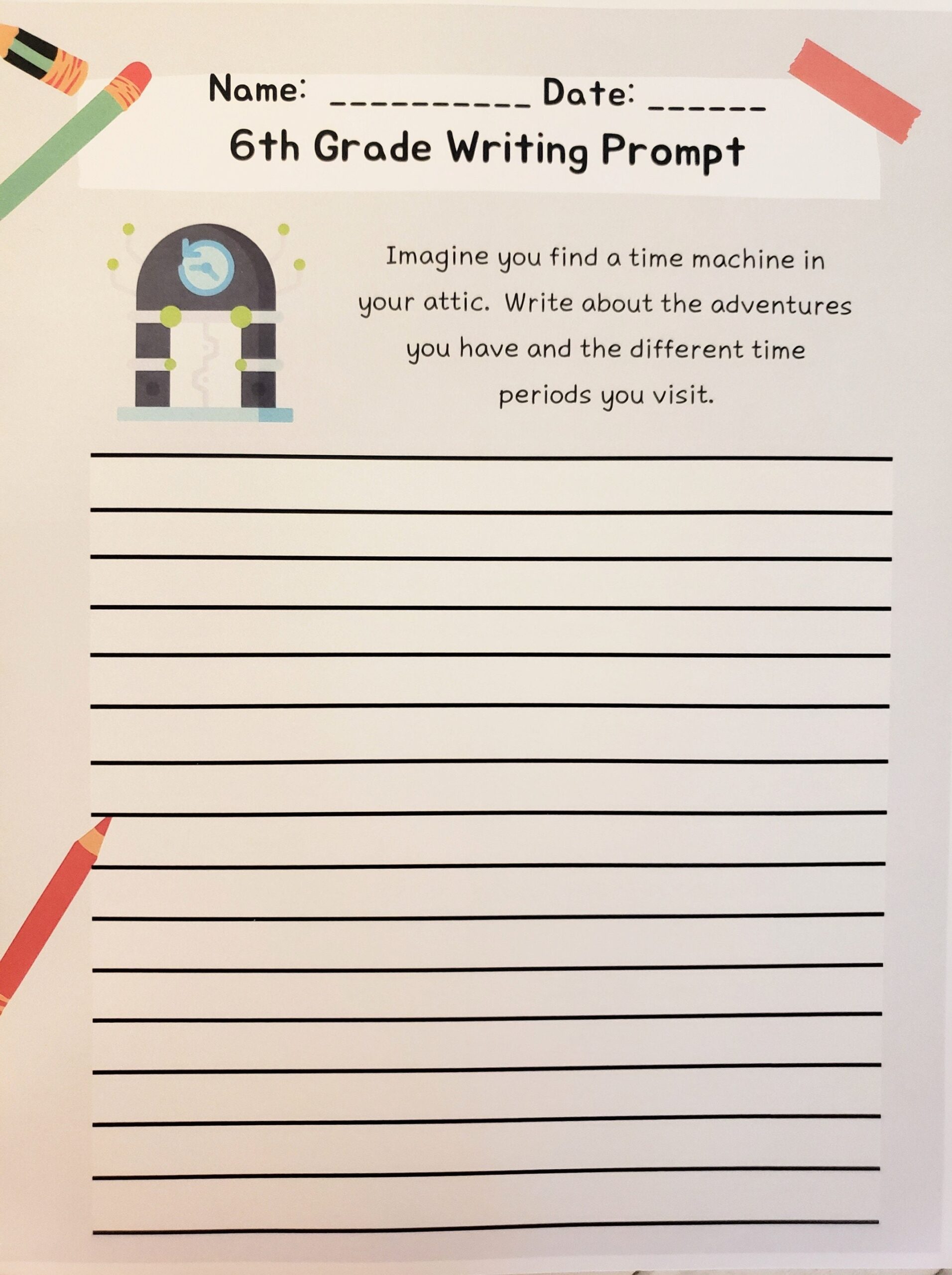
One of the best ways to spark creativity in writing is through prompts. These can be tailored to various themes, such as adventure, mystery, or personal experiences. Here are a few examples:
- Adventure Prompt: “You discover a hidden door in your school that leads to a magical world. Describe what you see.”
- Mystery Prompt: “A mysterious letter arrives at your house with no return address. What does it say, and how do you respond?”
- Personal Experience Prompt: “Write about a time when you faced a challenge and how you overcame it.”
You can create a printable worksheet with these prompts where students can jot down their ideas. This can be formatted on standard letter-size paper (8.5″ x 11″) for easy printing. Encourage students to take their time and expand on their thoughts.
Journal Writing
Encouraging students to keep a journal can significantly improve their writing skills. A daily or weekly journal allows them to write freely without the pressure of formal assignments. Here’s how you can structure it:
- Daily Themes: Assign themes for each day of the week (e.g., Motivational Monday, Thoughtful Thursday).
- Reflection Questions: Include questions like “What are you grateful for today?” or “What was the highlight of your week?”
You can provide students with a printable journal template, which may include sections for the date, theme, and space for their writing. This helps track their progress over time and allows for personal reflection.
Collaborative Writing Activities
Collaboration can enhance learning by allowing students to share ideas and build upon each other’s writing. Consider these activities:
- Story Building: In small groups, students can take turns writing one sentence of a story. At the end, compile these into a class storybook.
- Peer Reviews: Pair students to exchange their written work and provide constructive feedback. This teaches them to analyze writing critically and improve their own.
A printable checklist can guide students on what to look for during peer reviews, covering aspects like clarity, grammar, and creativity.
Themed Writing Exercises
Themed writing exercises can make writing more engaging. Here are a few ideas to implement:
- Seasonal Themes: Write about summer adventures or winter holidays. This could culminate in a class anthology of themed stories.
- Current Events: Encourage students to write a short article about a recent news story they find interesting. Discuss the importance of fact-checking and presenting information clearly.
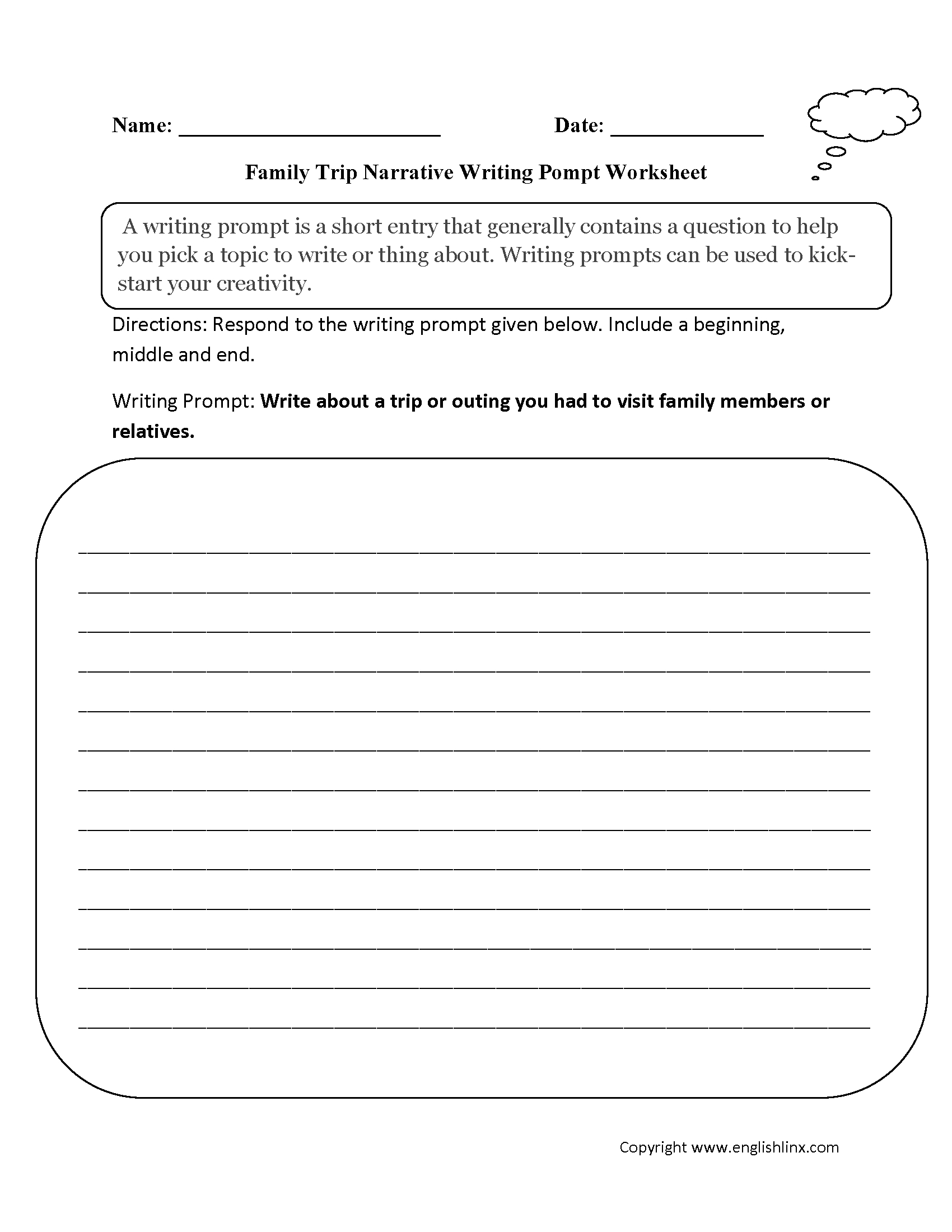
Creating a themed writing worksheet can help structure these activities. Include sections for brainstorming, drafting, and final edits.
Writing for Different Purposes
Teaching students to write for various purposes is essential. Here are a few purposes you can focus on:
- Persuasive Writing: Have students write a letter to the principal advocating for a change at school. This can improve their argumentation skills.
- Descriptive Writing: Ask them to describe their favorite place in detail, focusing on sensory details. This helps them learn how to create vivid imagery.
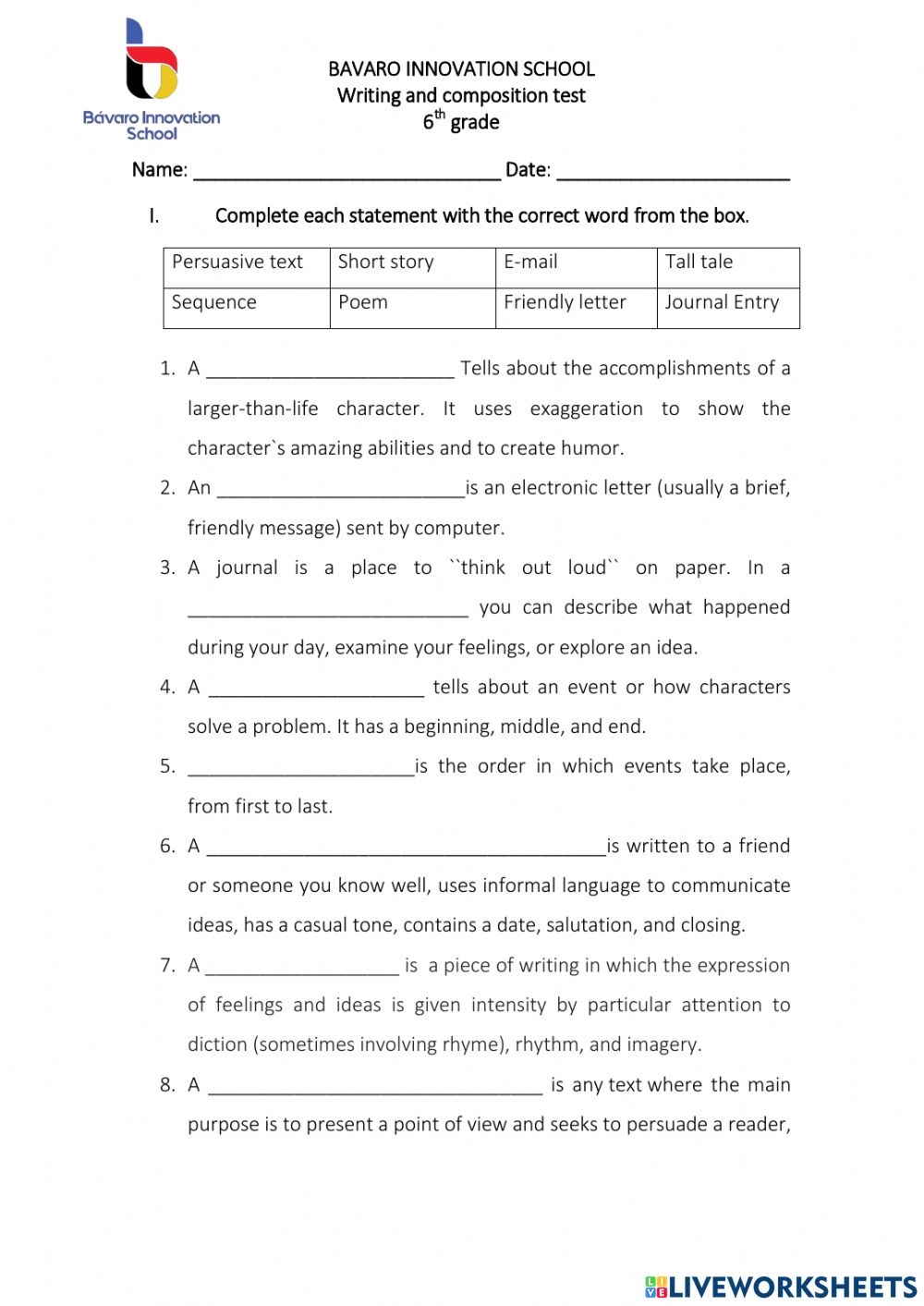
Provide templates for each writing purpose, which can guide students in structuring their work. For instance, a persuasive letter template can outline sections such as the introduction, argument, and conclusion.
Incorporating Technology
In today’s digital age, integrating technology into writing activities can be beneficial. Here are some ideas:
- Blogging: Encourage students to create a class blog where they can publish their writings. This not only promotes writing but also teaches them about online publishing.
- Digital Storytelling: Use tools like PowerPoint or Google Slides for students to create multimedia presentations of their stories. This adds a visual element to their writing.
You can provide a basic guide on how to use these tools effectively, including tips on design and presentation.
Tracking Progress
To ensure that writing activities are effective, tracking student progress is crucial. Here are some strategies:
- Writing Portfolios: Have students maintain a portfolio of their best work throughout the year. This allows them to see their growth and improvement.
- Rubrics: Create simple rubrics for different writing tasks to provide clear criteria for evaluation. Share these with students so they know what to aim for.
Printable progress tracking sheets can help both teachers and students monitor development over time. Include sections for goal-setting, reflections, and areas for improvement.