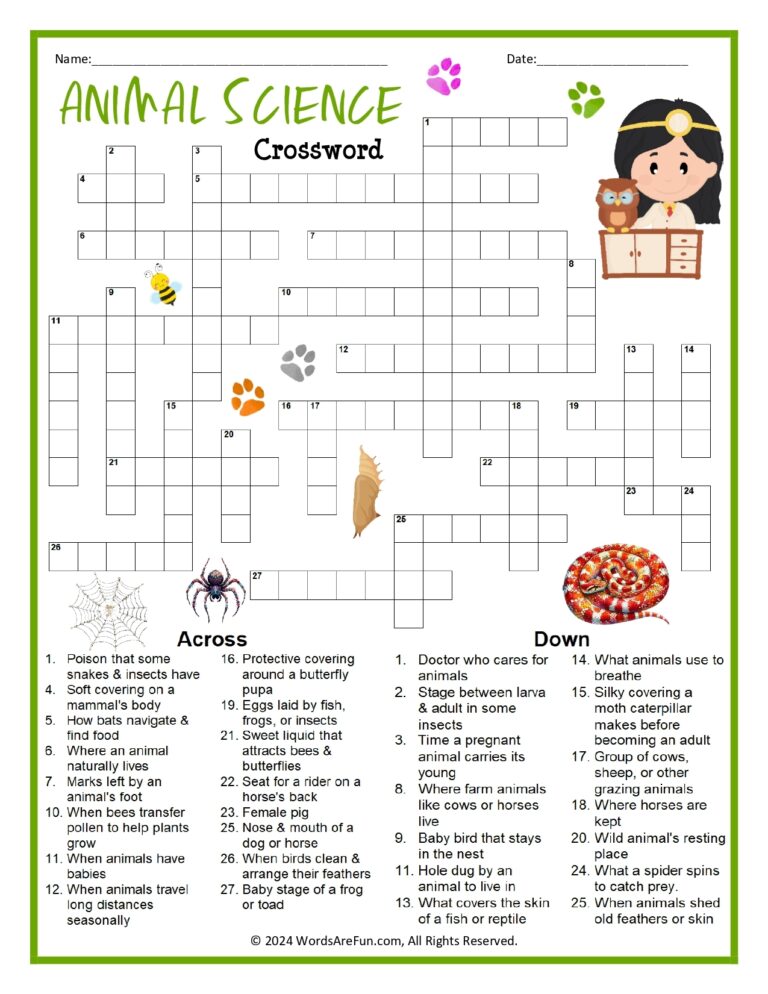
Word Search Word Finder Camera
Word searches are more than just a fun pastime; they can be powerful educational tools. With the Word Search Word Finder Camera, teachers can create engaging and interactive experiences for their students. The beauty of this resource lies in its versatility—perfect for various grade levels and subjects. Let’s explore how to effectively utilize this resource in your classroom.
Understanding the Word Search Word Finder Camera
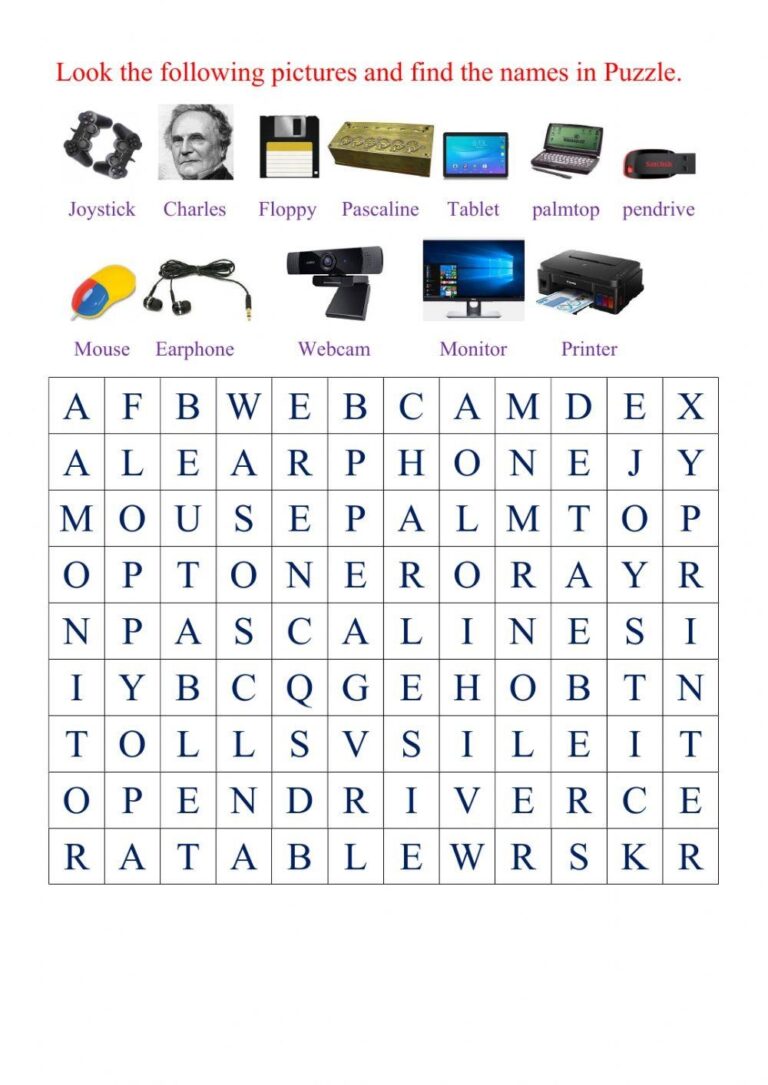
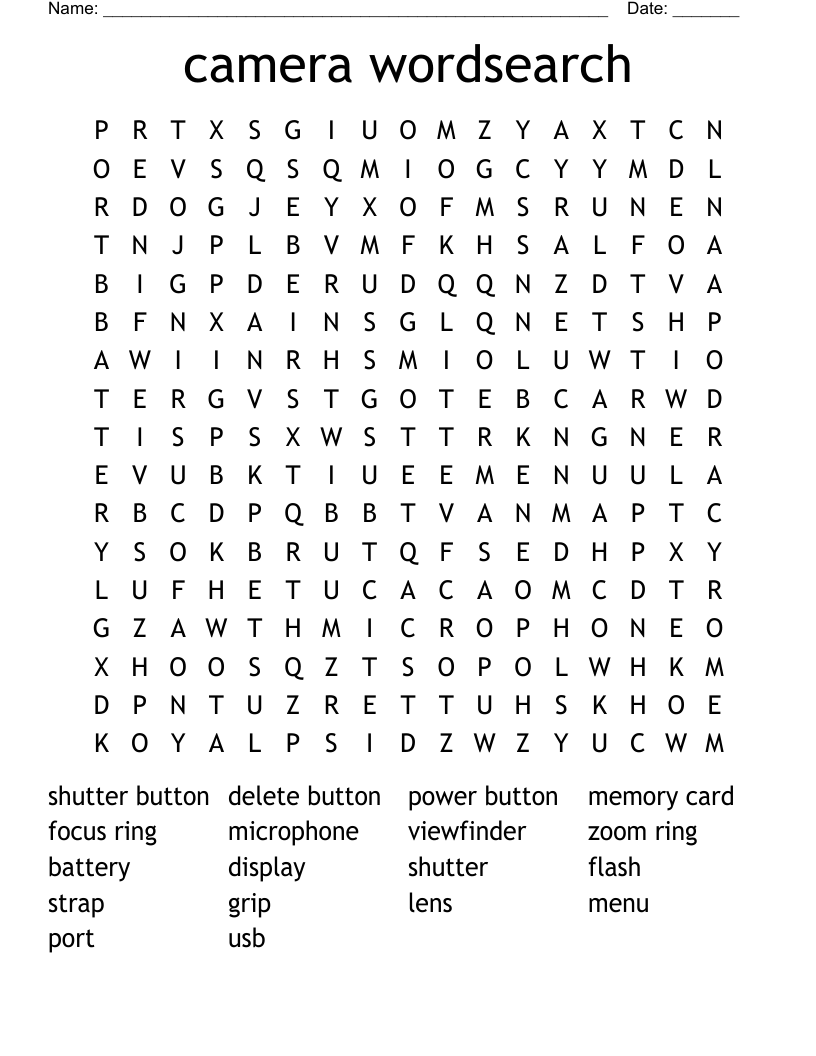
The Word Search Word Finder Camera offers a unique approach to traditional word searches. It allows you to create custom word searches and even scan existing ones. This means you can tailor the difficulty level to suit your students’ needs and interests. The resource is available in PDF format for easy downloading and printing, making it accessible right from your computer.
Getting Started: Downloading and Setting Up
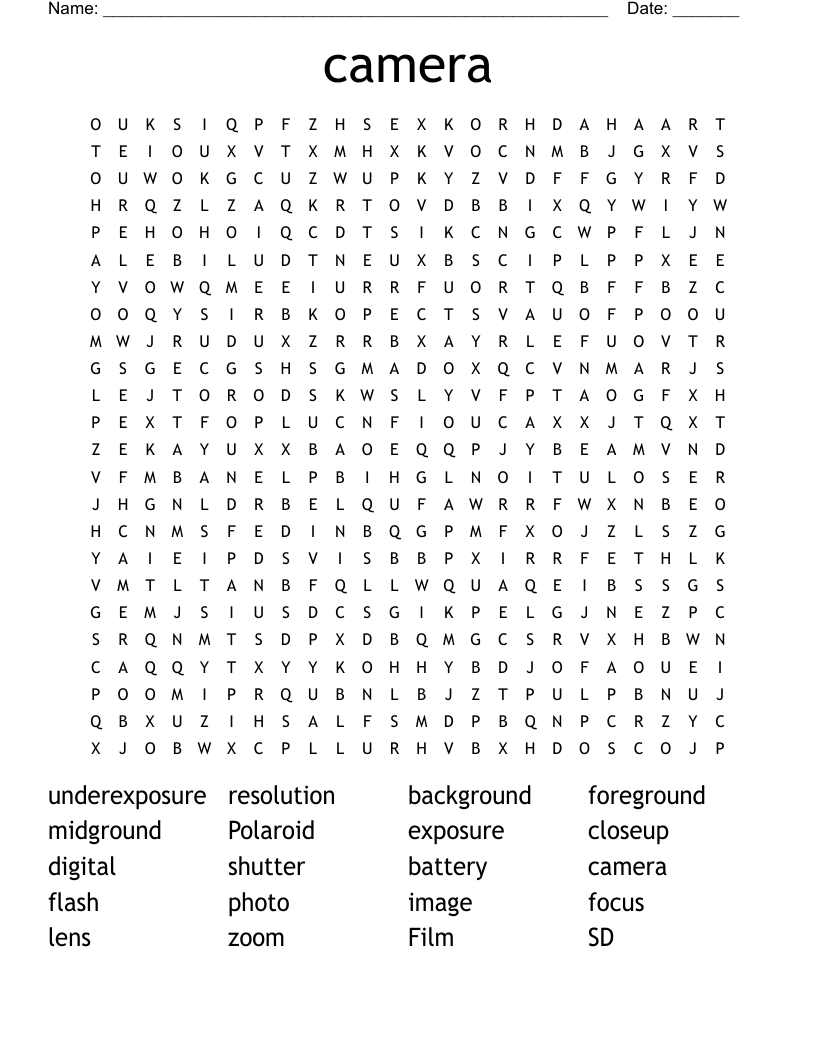
- Choose Your Template: Start by selecting a template that fits your classroom theme or lesson plan. Depending on your subject, you could create a word search focused on vocabulary from a recent reading assignment or terms from a science unit.
- Download the Resource: Once you’ve selected your template, download it in PDF format. This format is widely compatible and minimizes issues with formatting when printing.
- Print Your Word Search: Use standard letter-sized paper (8.5 x 11 inches) for printing. If you want a more durable option, consider using cardstock, which holds up better and can be laminated for repeated use.
How to Use the Word Search in the Classroom
Now that you have your word search printed, it’s time to put it to good use. Here are several ways to integrate it into your classroom activities:
- Vocabulary Building: Use the word search as a tool to reinforce vocabulary. As students find words, encourage them to define each term. This helps deepen their understanding and retention.
- Group Activities: Pair students up or create small groups. They can work together to complete the word search, fostering collaboration and communication skills.
- Timed Challenges: Introduce a competitive element by timing how long it takes students to complete the word search. This can motivate them to focus and engage with the material.
- Incorporate Technology: With the Word Finder Camera feature, students can scan their completed word searches and share them with classmates or even post them online. This adds a modern twist to a classic activity.
Tips for Effective Use
To maximize the impact of your word search activities, consider these practical tips:
- Adjust Difficulty Levels: For younger students, keep the word list short and use familiar terms. For older students, include more challenging vocabulary and increase the number of words.
- Theme Your Searches: Align your word searches with current lessons or themes. For instance, during a unit on animals, create word searches that include species names and habitats.
- Encourage Creativity: After completing a word search, ask students to create their own. This not only reinforces their learning but also allows for creativity and personal expression.
- Use as Assessment Tools: Word searches can serve as informal assessments. You can gauge students’ understanding of vocabulary or concepts based on their performance and engagement during the activity.
Reusing and Repurposing Your Word Searches
One of the most significant advantages of using the Word Search Word Finder Camera is its potential for reuse. Here are some ideas to keep your resources fresh:
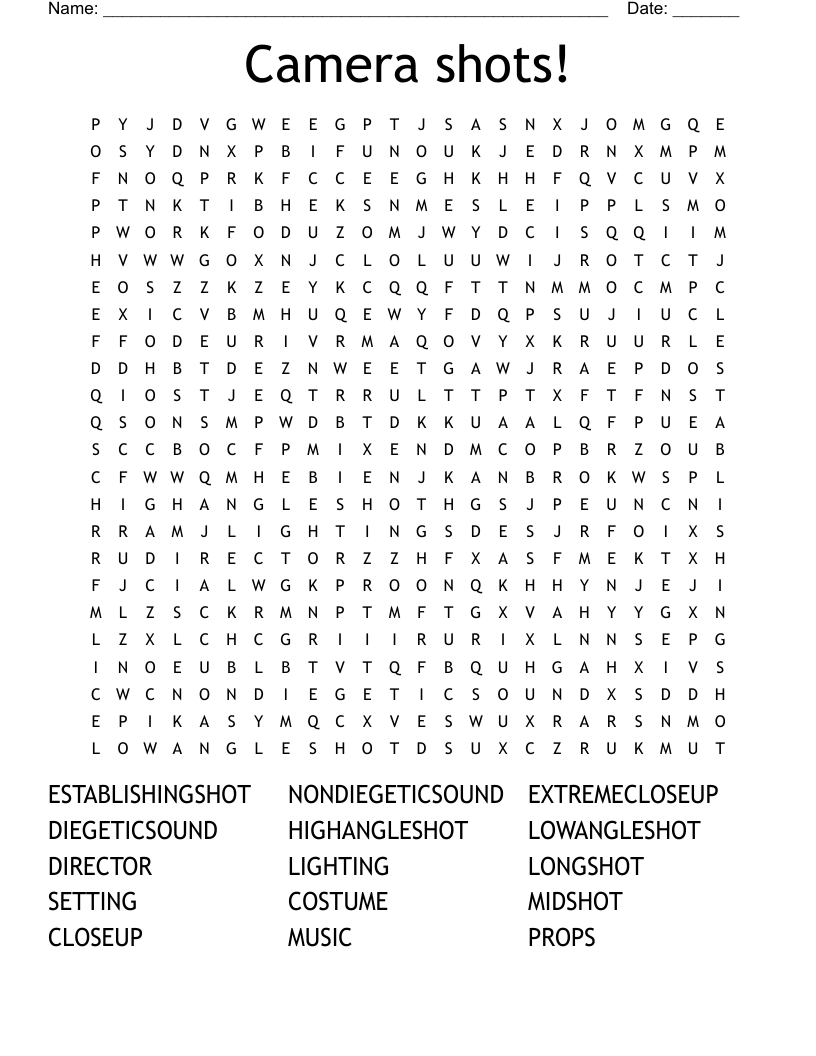
- Laminating for Repeated Use: Once printed, laminate your word searches so students can use dry-erase markers to complete them multiple times. This is both eco-friendly and cost-effective.
- Digital Copies: Keep a digital copy of your word searches to easily modify and update them for future classes. You can change the words, themes, or difficulty levels without starting from scratch.
- Create a Library: Compile a variety of word search templates for different subjects and grade levels. This library can be a go-to resource for future lesson plans.