Word Search With Hidden Message
Using a Word Search With Hidden Message can be a delightful way to engage students while reinforcing vocabulary and critical thinking skills. This resource not only challenges learners to find words hidden in a grid but also to decode a hidden message that can add an element of surprise and excitement to the activity. In this article, we’ll explore how to effectively incorporate this resource in various settings, its benefits, and tips for maximizing its use.
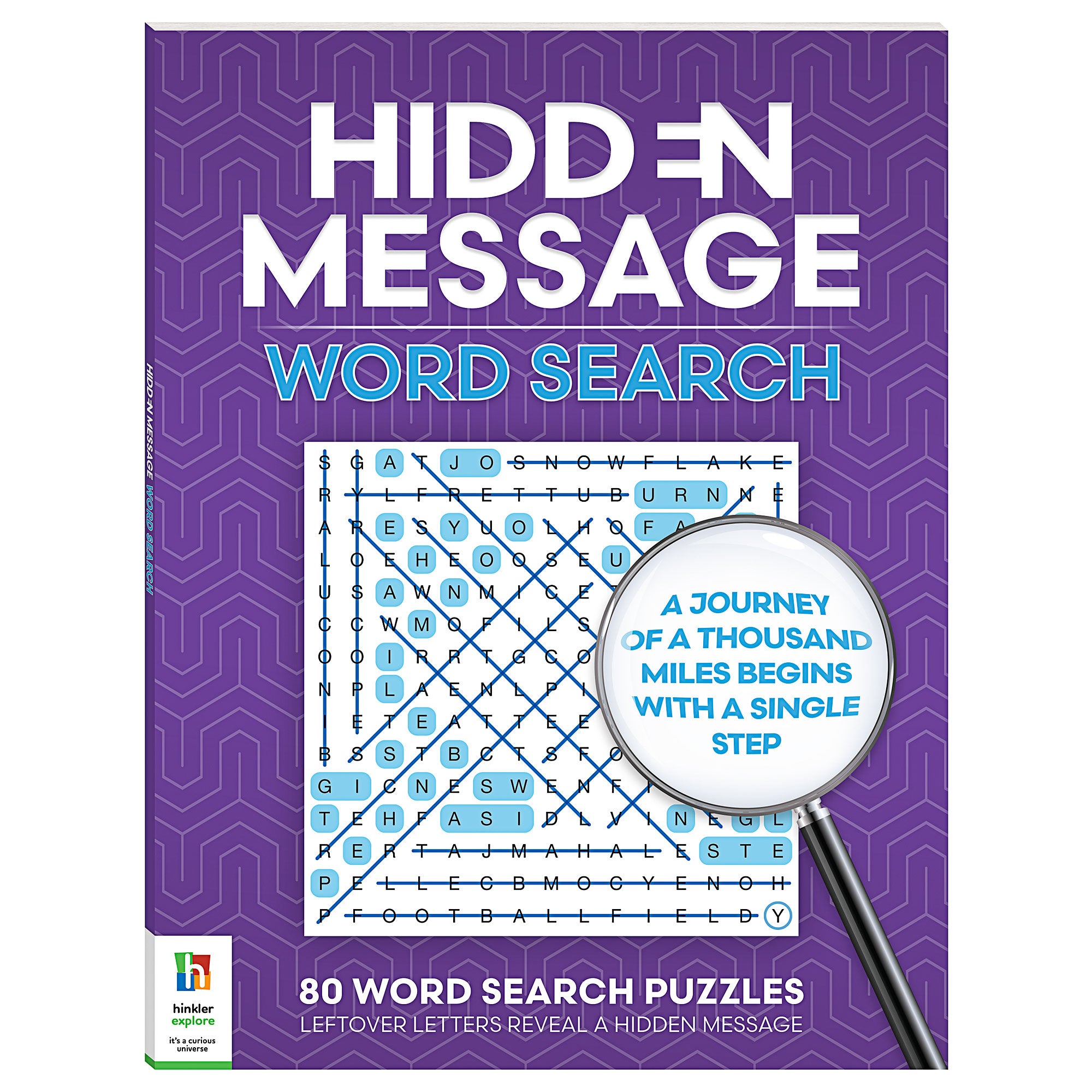
What is a Word Search With Hidden Message?
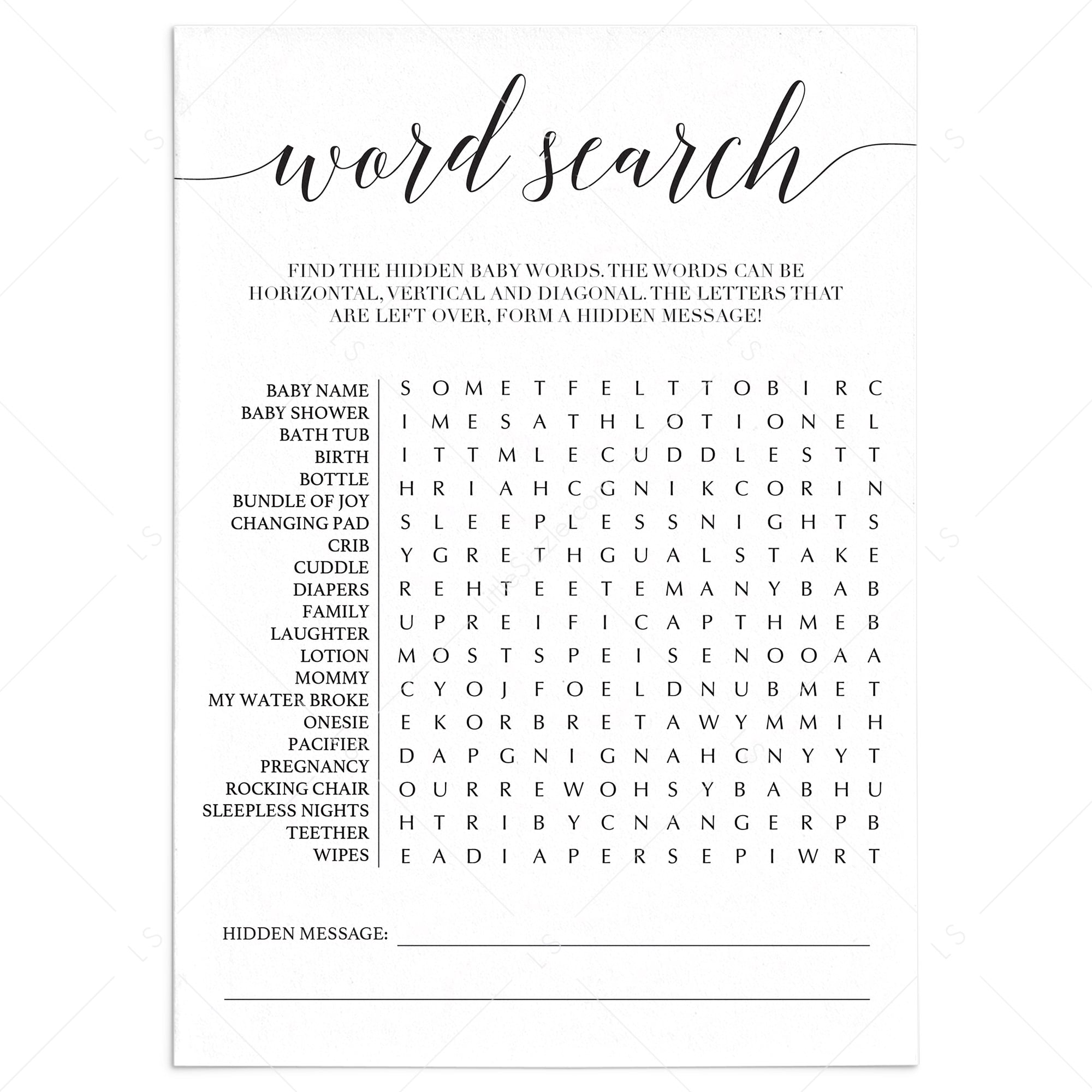
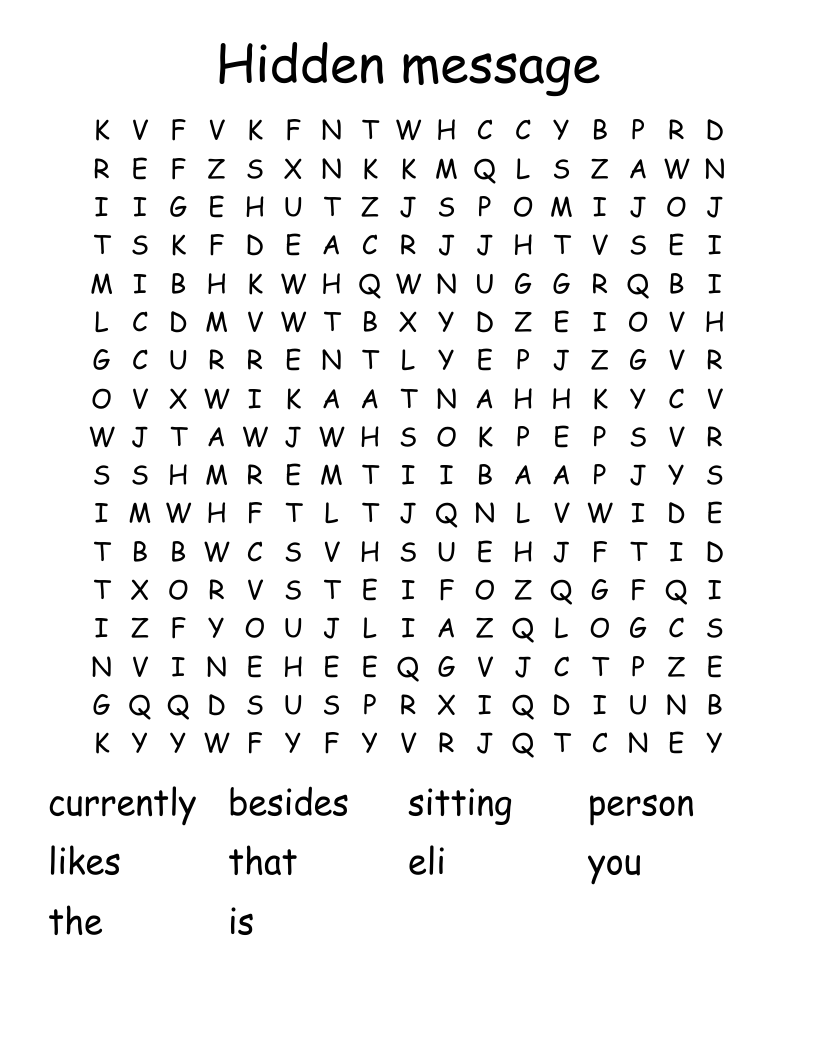
A Word Search With Hidden Message is a fun puzzle that combines the traditional word search format with an added twist: a secret message that players must uncover after finding all the words. This type of puzzle is suitable for various age groups, typically starting from elementary students and extending to middle schoolers, depending on the complexity of the words used.
To create a word search with a hidden message, you simply need a grid filled with letters where certain words are arranged vertically, horizontally, or diagonally. Once the words are found, the remaining letters in the grid can be rearranged or read in a specific order to reveal a hidden message. This unique addition promotes not only word recognition but also enhances problem-solving skills as students work to decipher the message.
Preparing for the Activity
Setting up a Word Search With Hidden Message is straightforward, making it a convenient resource for teachers and parents alike. Here’s how to prepare:
- Choose the Theme: Select a theme that aligns with your lesson plan or the interests of your students. For example, if you’re studying seasons, the words could include “summer,” “winter,” “spring,” and “fall.” The hidden message could be something like “Seasons change.”
- Select the Content: Decide on the words to include. Make sure they are age-appropriate and relevant to the subject matter. You might want to limit the number of words to around 10-15 for younger students and increase the count for older students.
- Create or Download: You can either create your own puzzle using online tools or print a pre-made Word Search With Hidden Message from a resource website. Many printable-resource sites offer a variety of themes and difficulty levels.
- Print the Puzzle: When printing, consider using cardstock for durability, especially if multiple students will handle the sheets. A portrait layout usually works well for standard printing.
- Gather Supplies: You’ll need pencils or markers for students to circle the words and write down the hidden message. If you’re planning to use this resource multiple times, consider laminating the sheets for reuse with dry-erase markers.
How to Play
Once you have everything prepared, it’s time to get started. Here’s how the activity typically unfolds in a classroom or home setting:
- Introduction: Briefly explain the rules of the word search. Encourage students to find all the words first before attempting to decode the hidden message. This builds anticipation.
- Group or Solo Activity: Decide if this will be a group activity or an individual challenge. For younger learners, you might want to have them work in pairs to foster collaboration. Older students might enjoy the challenge of completing it alone.
- Set a Timer: If you’re using this as a timed challenge, set a reasonable timer to keep things exciting. This can help manage classroom dynamics, especially if you have students who may finish at different times.
- Reveal the Hidden Message: Once students have found all the words, guide them to decode the hidden message. This can lead to an engaging discussion about the message’s significance or relation to the theme.
- Discuss and Reflect: After completing the puzzle, encourage students to share their thoughts on the hidden message. This could lead to a deeper understanding of the subject matter or even a creative writing prompt based on the message they uncovered.
Benefits of Using Word Searches
Engaging students with a Word Search With Hidden Message provides several educational benefits. Here are some key advantages:
- Vocabulary Development: Word searches help reinforce spelling and vocabulary retention. Students become familiar with the spelling of words, which can aid in their writing and reading skills.
- Critical Thinking: Decoding the hidden message requires students to think critically about the arrangement of letters and the words they have found, promoting analytical skills.
- Fun Learning Environment: Puzzles are inherently fun, making learning feel less like a chore. This can increase student motivation and engagement, especially for reluctant learners.
- Flexible Use: These puzzles can be adapted for various subjects, from language arts to science, making them a versatile resource for educators.
Ideas for Reuse
To get the most out of your Word Search With Hidden Message, consider these reuse ideas:
- Different Themes: Rotate themes throughout the year to keep the activity fresh. You might want to create seasonal puzzles or ones based on current events.
- Challenge Levels: Create multiple versions of the puzzle with varying difficulty levels to cater to different learners. For instance, you can have simpler puzzles for younger students and more complex ones for older students.
- Incorporate Technology: Consider using digital platforms where students can create their own word searches. This can encourage creativity and allow them to incorporate their own hidden messages.
- Combine with Other Activities: Pair the word search with related activities, such as a creative writing exercise where students write a story based on the hidden message.
Incorporating a Word Search With Hidden Message into your teaching toolkit can transform vocabulary lessons into engaging and interactive activities. With minimal preparation and endless possibilities for reuse, it’s an effective way to enhance learning while keeping students excited. Whether in the classroom or at home, this resource is sure to bring joy and education together seamlessly.