Tracing Numbers 1 To 50
In a cozy classroom filled with colorful posters and eager young faces, a teacher named Ms. Thompson is preparing her students for a fun learning activity. Today, she plans to introduce them to Tracing Numbers 1 To 50. This engaging exercise not only helps children recognize numbers but also develops their fine motor skills, setting a strong foundation for future math learning. Here’s how you can implement this resource effectively in your classroom or home.
Understanding the Importance of Number Tracing
Tracing numbers is an essential activity for early learners, typically suited for preschool and kindergarten-aged children (ages 3 to 6). This practice reinforces number recognition, improves handwriting skills, and enhances concentration. By tracing numbers, children learn to visualize their shapes, which is critical for both writing and mathematical understanding.
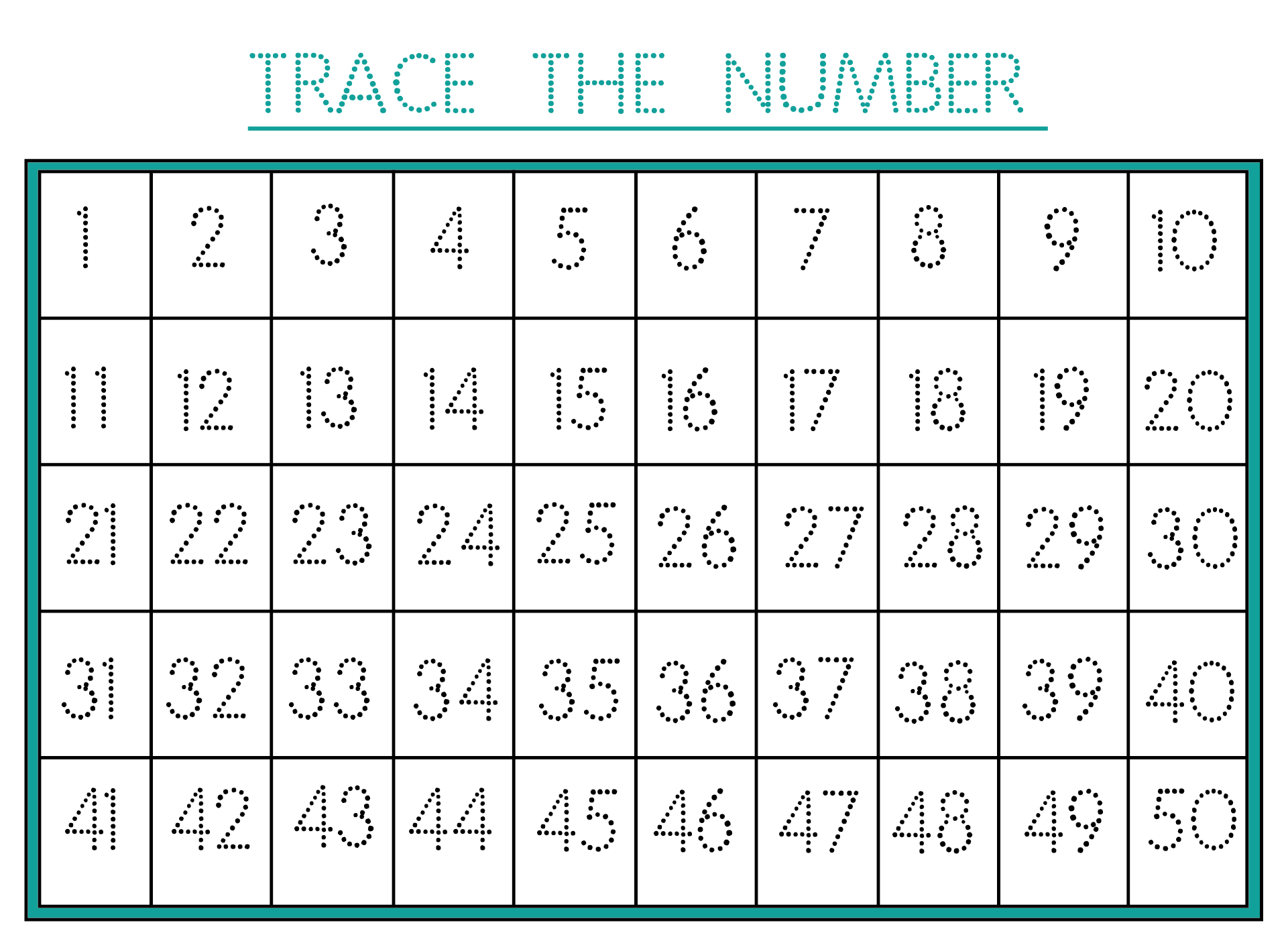
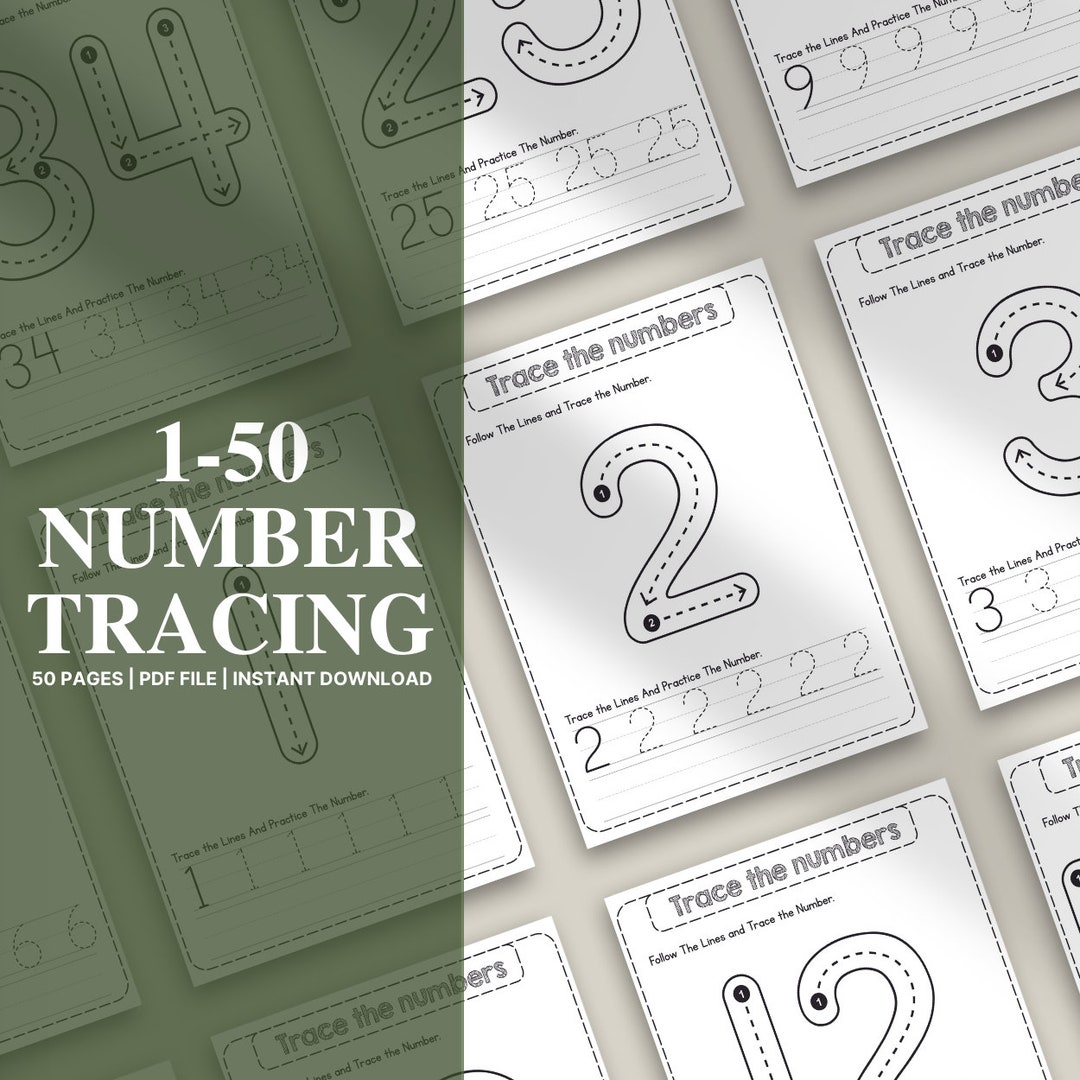
Using printable resources that focus on Tracing Numbers 1 To 50 can streamline this process. Each number provides an opportunity for children to practice their motor skills while also familiarizing themselves with the sequence of numbers, which is vital for counting and basic arithmetic.
Setting Up a Tracing Numbers Activity
To create an engaging tracing activity, you’ll need a few simple materials:
- Printable worksheets with numbers 1 to 50
- Pencils or crayons
- A quiet space conducive to learning
Preparing the Worksheets
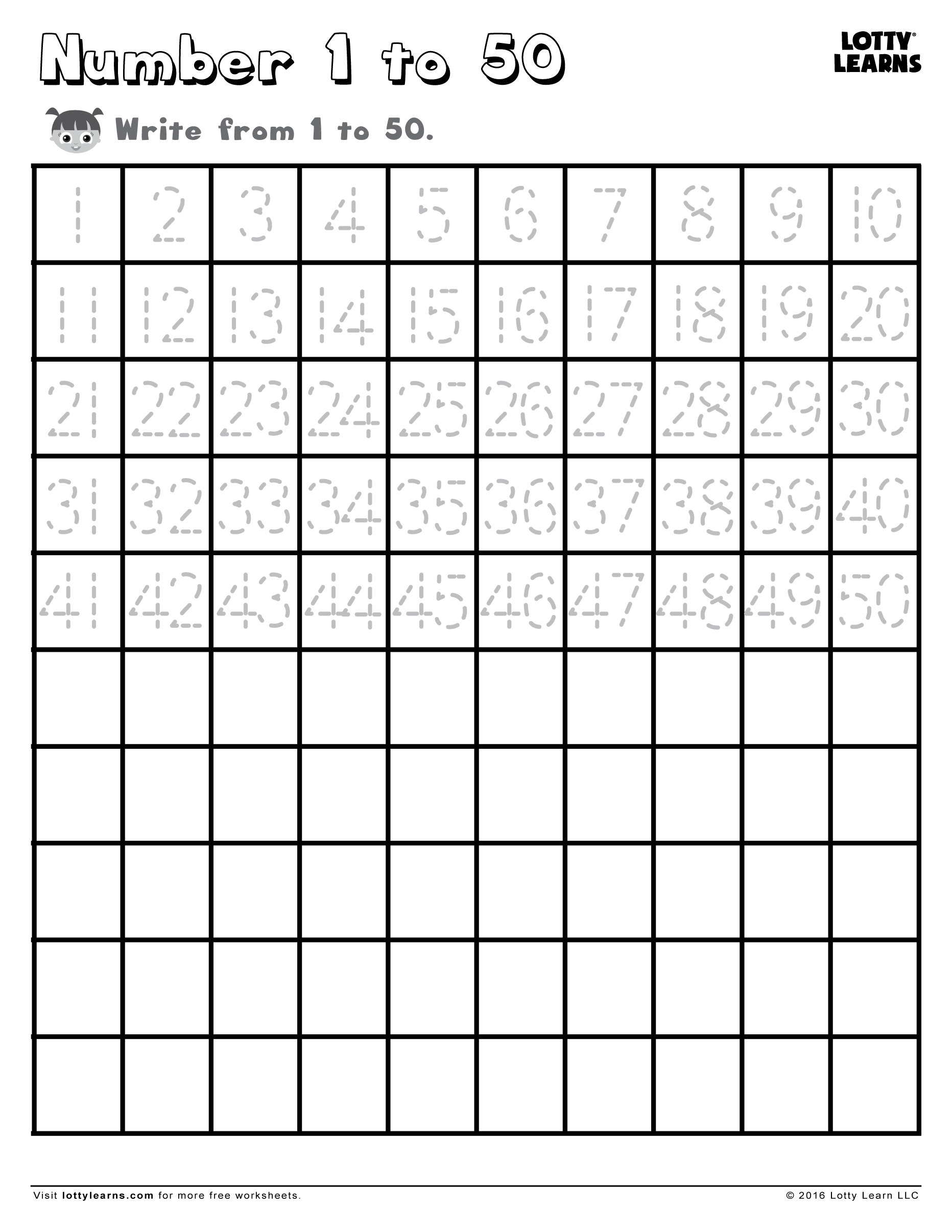
Look for worksheets that have clear, dotted outlines of each number. This design allows children to trace over the numbers, making it easier for them to learn the correct formation. You can find various templates online that are free to download and print.
When printing, consider using cardstock rather than regular paper for durability, especially if you plan to reuse the worksheets. If you have access to a laminator, laminating the sheets can provide a reusable surface for tracing with dry-erase markers.
Creating a Routine
To maximize learning, schedule tracing sessions throughout the week. Instead of cramming all the practice into one day, spread it out. For example, you might focus on tracing numbers 1 to 10 on Monday, numbers 11 to 20 on Wednesday, and so forth. This spaced repetition reinforces memory retention and allows children to build confidence as they progress.
Engaging Children in Tracing Numbers
Make the tracing experience more enjoyable by incorporating fun elements. Here are some strategies to engage your students or children:
Use Visual Aids
Pair the tracing worksheets with visual aids, such as number charts or flashcards. This reinforces what they are learning and helps them understand the context of each number. You can hang a number chart on the wall and point to the numbers as they trace them, reinforcing their connection.
Incorporate Games
Turn tracing into a game to maintain interest. For instance, after tracing a set of numbers, ask children to find objects in the classroom that correspond to those numbers. If they trace the number 5, they might find five blocks or five crayons. This tactile experience solidifies their learning.
Make It a Group Activity
Encourage collaboration by having students work in pairs. They can help each other with tracing and offer positive feedback. This social interaction not only makes learning fun but also fosters communication skills.
Assessing Progress and Encouraging Improvement
Monitoring progress is crucial. Keep track of each child’s development over time. You might set aside some time each week to review their worksheets, noting improvements or areas that need more focus.
Providing Positive Reinforcement
Always offer praise for their efforts, regardless of their tracing accuracy. Celebrate small victories, such as correctly tracing a difficult number. This boosts their confidence and encourages them to continue practicing.
Adjusting Difficulty Levels
As children become more comfortable with numbers 1 to 50, consider introducing variations. For example, you can challenge them to trace numbers in different sequences or even introduce simple addition problems using the numbers they’ve traced.
Practical Tips for Using Tracing Worksheets
- Print Settings: Use a standard letter size (8.5 x 11 inches) for easy printing. Portrait layout generally works best for most home printers.
- Material Choice: If using markers, opt for thicker ones, as they are easier for small hands to grip. Crayons are great too, especially for younger children.
- Frequent Practice: Aim for short, focused sessions of about 10 to 15 minutes. This keeps kids engaged without overwhelming them.
Incorporating Tracing Numbers 1 To 50 into your teaching or parenting toolkit can transform the way young learners approach numbers. By creating fun, interactive activities and utilizing effective resources, you’ll lay the groundwork for their future success in mathematics.
One immediate action you can take is to find a printable tracing worksheet online today, print it out, and set up a fun tracing session with your child or students. This will not only kickstart their learning journey but also create a positive learning environment that fosters growth.