Tracing Name Worksheets For Preschoolers
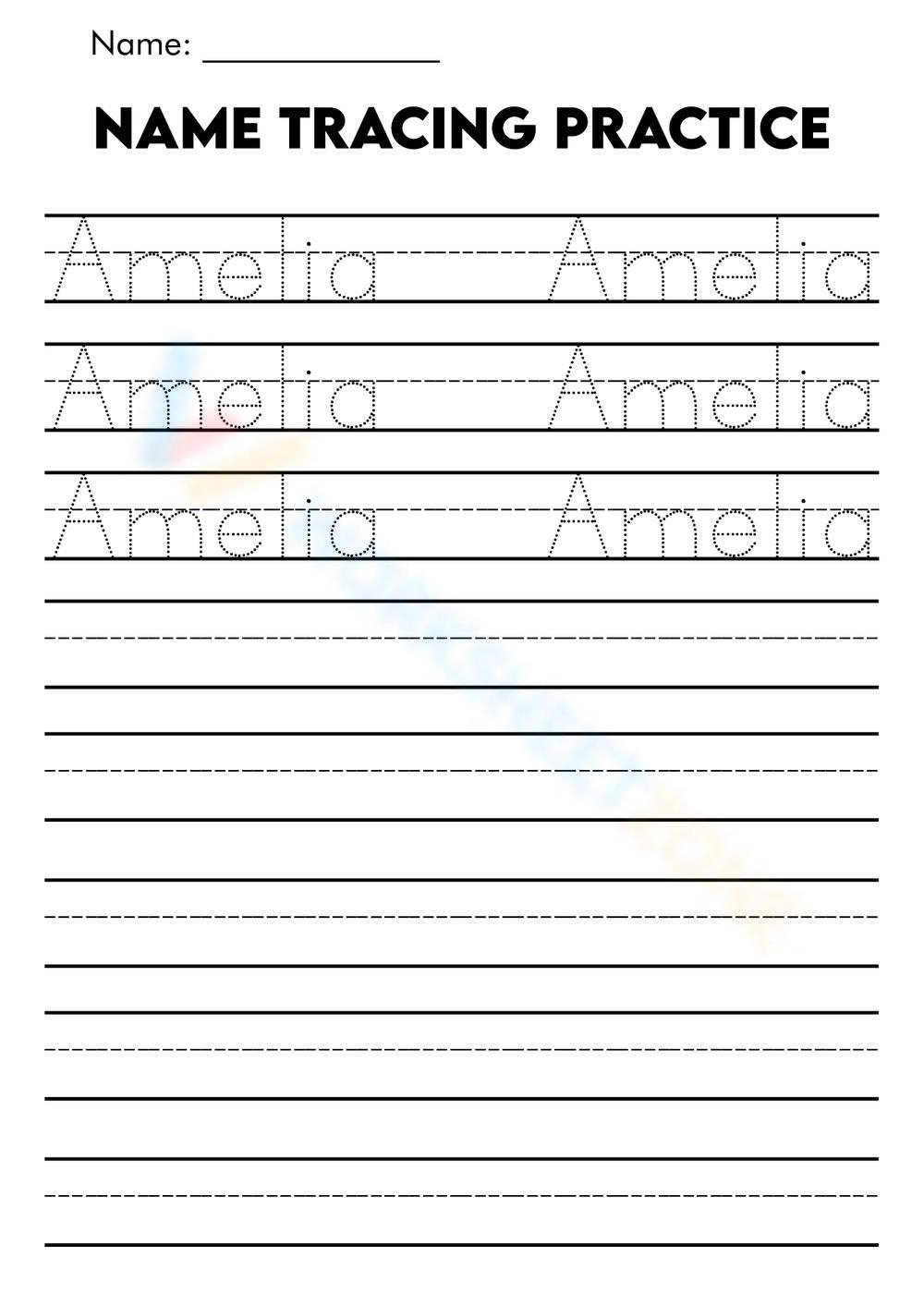
Tracing Name Worksheets For Preschoolers are a fantastic resource to help young learners develop their writing skills. These worksheets typically feature large, dotted letters that children can trace, allowing them to practice the formation of their names in a fun and engaging way. Implementing these worksheets in a preschool setting or at home can significantly aid in early literacy development.
Understanding the Importance of Name Tracing
Tracing names is more than just a fun activity; it’s an essential part of early childhood education. For preschoolers, recognizing and writing their names fosters a sense of identity and belonging. It also builds the foundational skills needed for writing. When children practice writing their names, they learn how to control their hand movements, which is crucial for developing fine motor skills.
Additionally, name tracing can enhance letter recognition. As children trace each letter, they become more familiar with the alphabet and the specific shapes of letters. This familiarity not only supports their writing skills but also prepares them for reading as they learn to recognize their names in print.
How to Use Tracing Name Worksheets
Using Tracing Name Worksheets For Preschoolers effectively requires a step-by-step approach. Here’s how to integrate these worksheets into your teaching or home practice:
Step 1: Choose the Right Worksheet
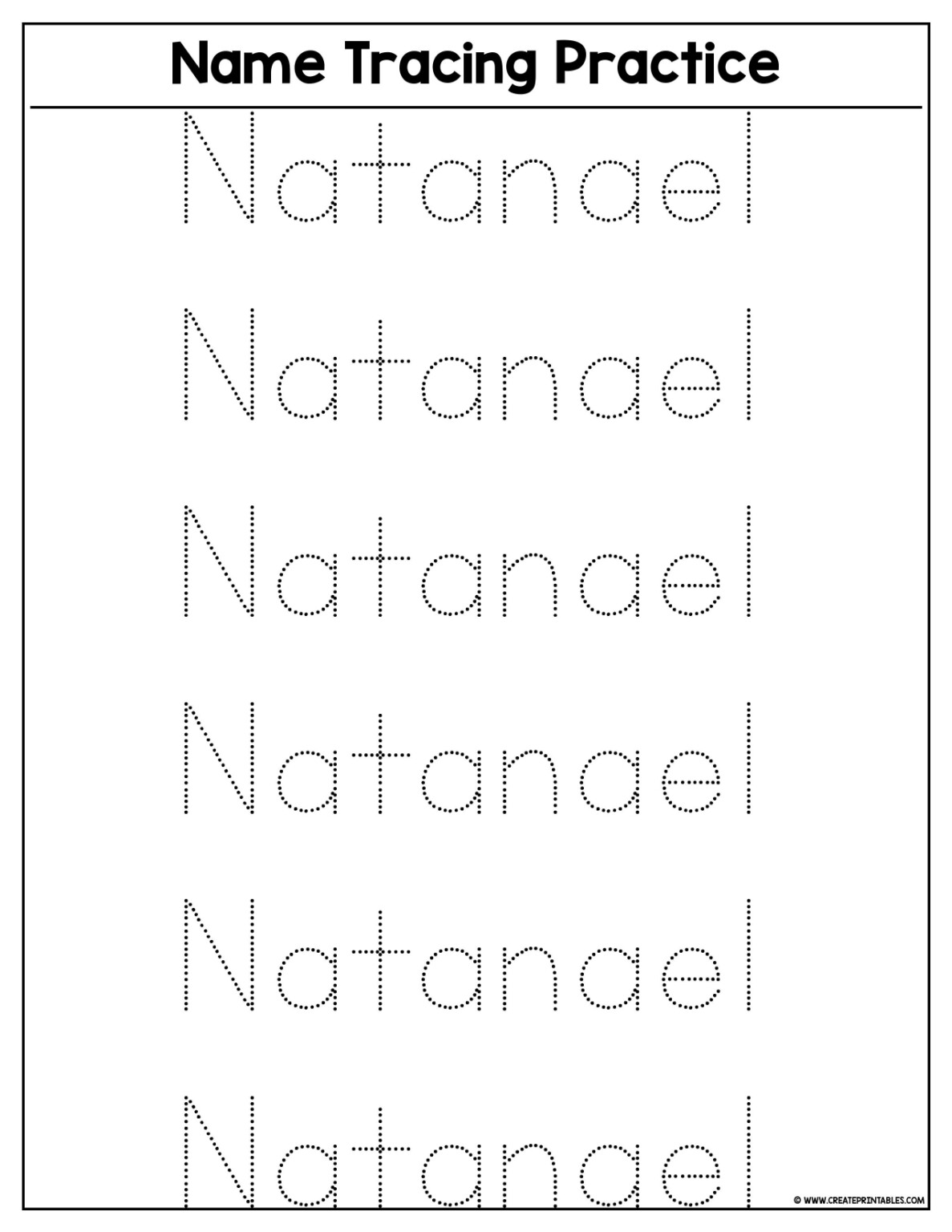
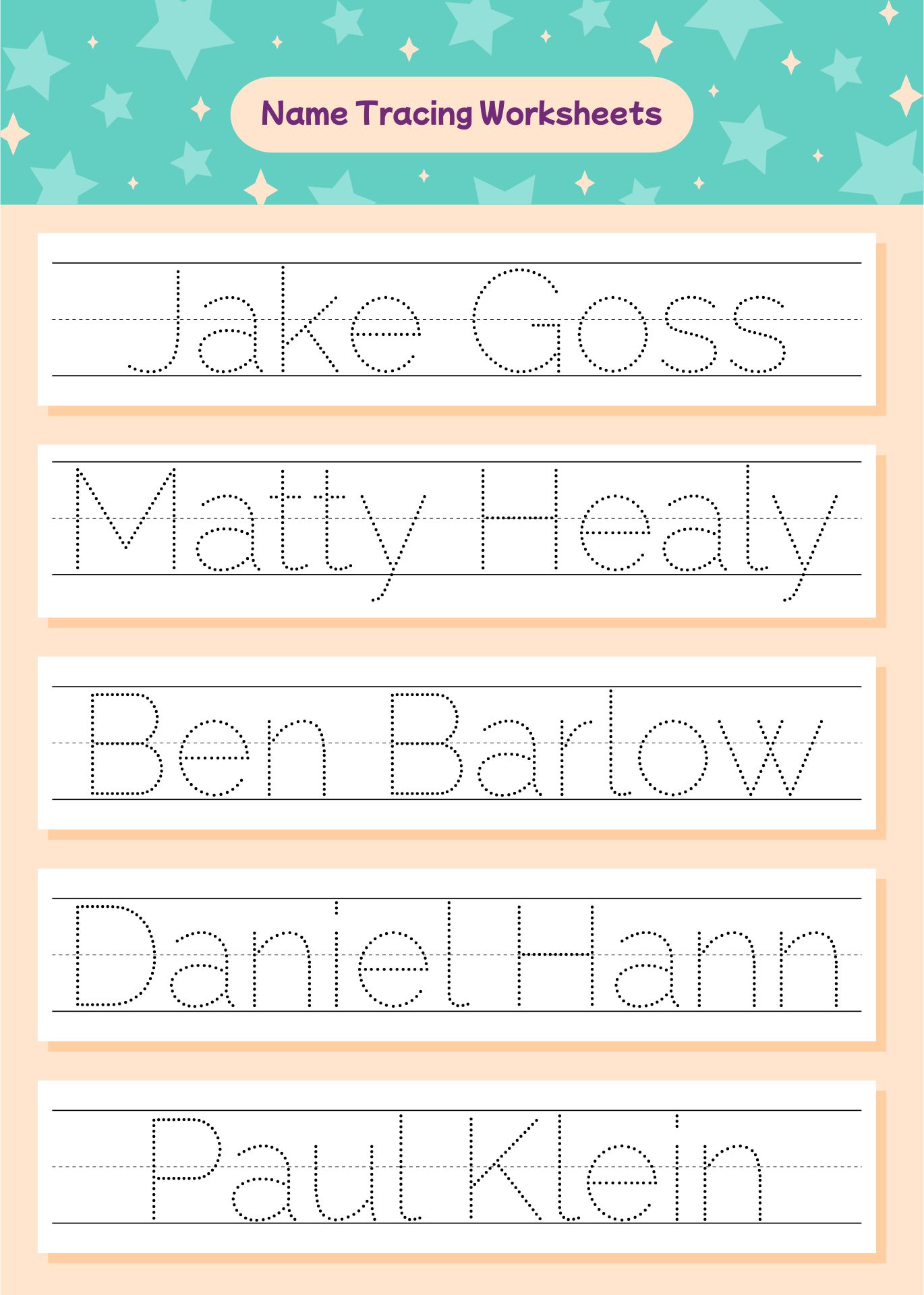
Begin by selecting a worksheet that suits your child’s needs. Look for worksheets that allow for repetition and gradual progression. You might find templates that offer a variety of formats, such as:
- Tracing with dotted lines
- Blank lines for freehand writing
- Colorful illustrations to engage children
Make sure the worksheet includes the child’s full name, as this helps them recognize their complete identity.
Step 2: Download and Print
Once you’ve selected the appropriate worksheet, download it. Most worksheets are available in PDF format, which preserves the layout and ensures easy printing. It’s advisable to print these worksheets on standard A4 or letter-size paper. If you want them to last longer, consider printing on cardstock. This material can withstand repeated use, especially if you plan to laminate the sheets for dry-erase use.
Step 3: Set Up a Learning Space
Create a comfortable and distraction-free learning environment. A dedicated space with good lighting and minimal noise will help your child focus on their tracing activity. Provide the necessary materials, such as:
- Pencils or crayons
- Erasers for correcting mistakes
- A clipboard or a flat surface to write on
Step 4: Introduce the Activity
When introducing the worksheet to your child, explain the activity clearly. Demonstrate how to trace the first letter of their name, emphasizing letter formation. Encourage them to say the name of each letter aloud as they trace. This reinforces letter recognition.
Step 5: Practice Regularly
Repetition is key in building confidence and skill in writing. Aim to practice tracing names several times a week, ideally spacing out sessions to prevent fatigue. For example, you might plan short 10-15 minute sessions three times a week. This repetition will help reinforce the skills being learned without overwhelming your child.
Step 6: Encourage Independent Writing
As your child becomes more comfortable with tracing, introduce opportunities for independent writing. After they trace their name a few times, ask them to try writing it on their own without the guide. This transition promotes confidence and allows them to showcase their progress.
Additional Activities to Enhance Learning
Incorporating additional activities can make learning even more engaging. Here are some ideas:
- Name Games: Play games that involve spelling or saying their name. This can be as simple as singing songs that include their name.
- Art Projects: Have your child create a name banner or collage using their name. This encourages creativity while reinforcing their identity.
- Story Time: Read books that feature characters with the same name. This personal connection can make reading more enjoyable.
Finding More Resources
While there are many Tracing Name Worksheets For Preschoolers available online, ensure you choose those that are high quality and easy to print. You can find a variety of options on educational websites or printable resource platforms. Look for worksheets that offer a mix of tracing and letter recognition exercises to provide a well-rounded approach to learning.
The Importance of Parental Involvement
Parents play a crucial role in their child’s education. Engaging in tracing activities together not only strengthens the learning experience but also builds a bond between parent and child. Take time to celebrate small achievements, like correctly tracing a letter or writing their name without help. Positive reinforcement can motivate children to continue learning.
By implementing these steps and regularly practicing with Tracing Name Worksheets For Preschoolers, you’ll help your child develop essential writing skills in a structured yet enjoyable way. The key is to keep the experience light-hearted and fun while focusing on the learning outcomes.
Remember, the most effective learning happens when children feel supported and encouraged, so be sure to celebrate their progress, no matter how small.