Tracing Alphabet Letters For Kindergarten
Learning to write is a fundamental skill for kindergarteners, and one of the most effective ways to support this is through tracing alphabet letters. Tracing not only helps children learn the shapes of letters but also enhances their fine motor skills and prepares them for writing independently. guide you through the process of using printable resources for tracing alphabet letters for kindergarten, ensuring that you can easily incorporate these activities into your classroom or home learning environment.
Choosing the Right Tracing Resources
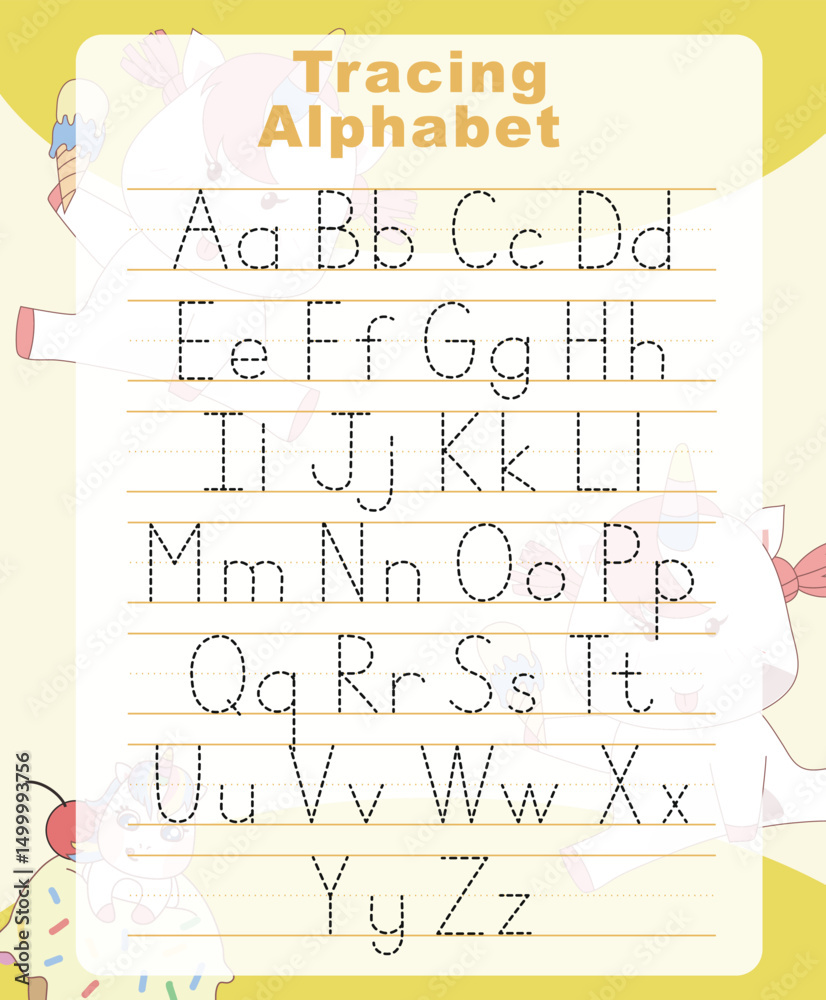
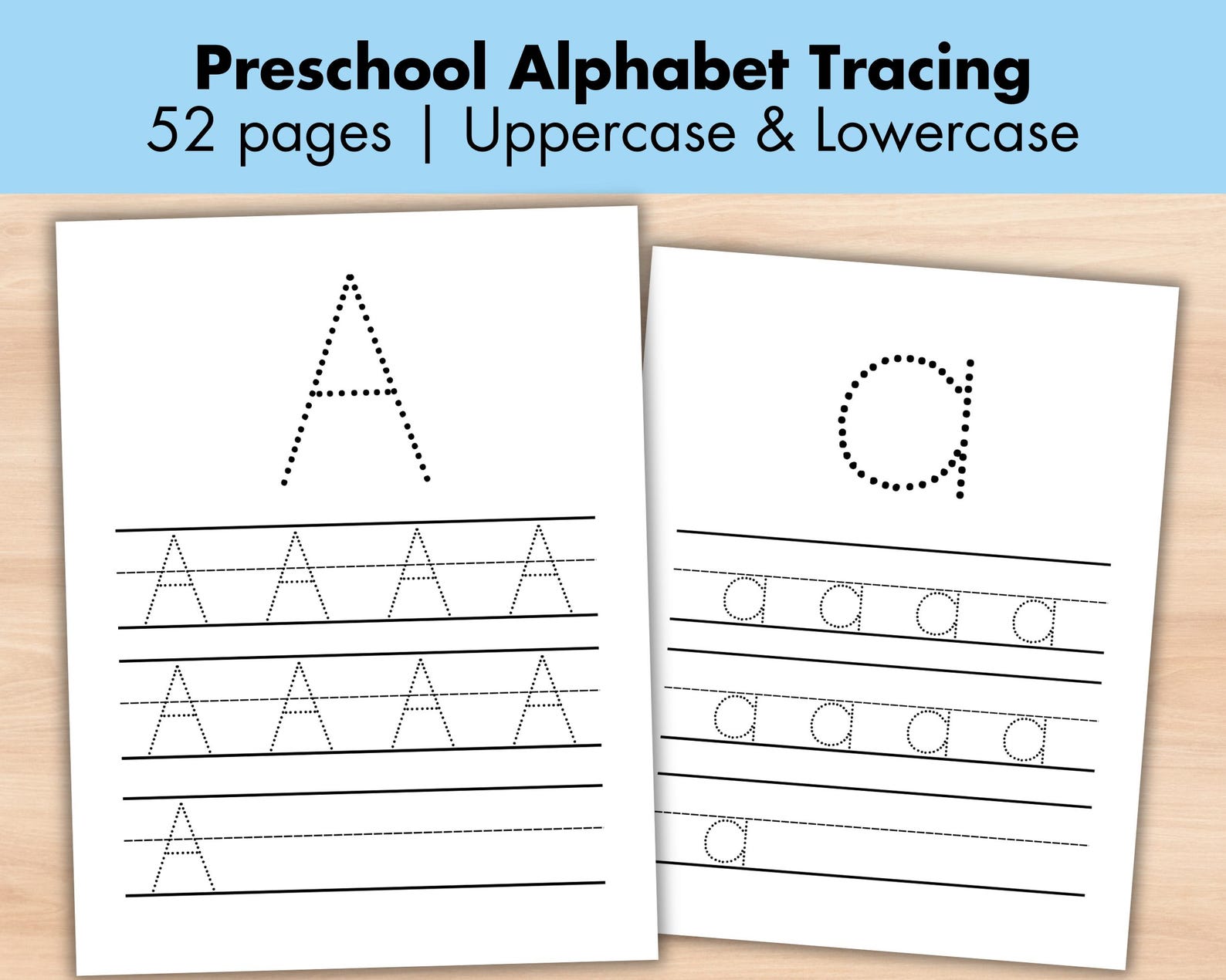
When selecting tracing resources, consider what will best fit your teaching style and your students’ needs. Look for printable worksheets that are age-appropriate and engaging. Resources that feature both uppercase and lowercase letters are ideal, as students need to learn both forms.
Here are some features to look for in tracing worksheets:
- Clear, bold letters that are easy to follow.
- Arrows or guidelines that indicate the correct stroke order.
- Engaging designs or themes that can capture children’s interest.
You can find these resources on educational websites dedicated to early childhood education. Many of them offer free downloads or affordable options.
Downloading and Printing Your Tracing Worksheets
Once you’ve selected the right resources, the next step is downloading and printing them. Most tracing worksheets are available in PDF format, which is optimal for preserving the layout.
Here are some practical tips for printing:
- Use standard letter-sized paper (8.5″ x 11″) for easy handling.
- If you have a color printer, consider printing in color to make the letters more visually appealing.
- For durability, print on cardstock if you plan to reuse the worksheets by having students trace with dry-erase markers.
Make sure to check your printer settings to ensure the worksheets print as intended. A common issue is the scaling, which can alter the dimensions of the letters. Setting the print option to “actual size” usually resolves this.
Setting Up for Tracing Activities
To create an inviting learning environment, set up a designated area for tracing activities. Have all necessary supplies ready, including:
- Pencils or crayons for tracing.
- Dry-erase markers if you printed on cardstock.
- A comfortable writing surface, such as a small table or desk.
Before starting, explain to your students how to properly hold their writing instruments. Demonstrating the correct grip can make a significant difference in their ability to trace effectively.
Incorporating Tracing Into Daily Lessons
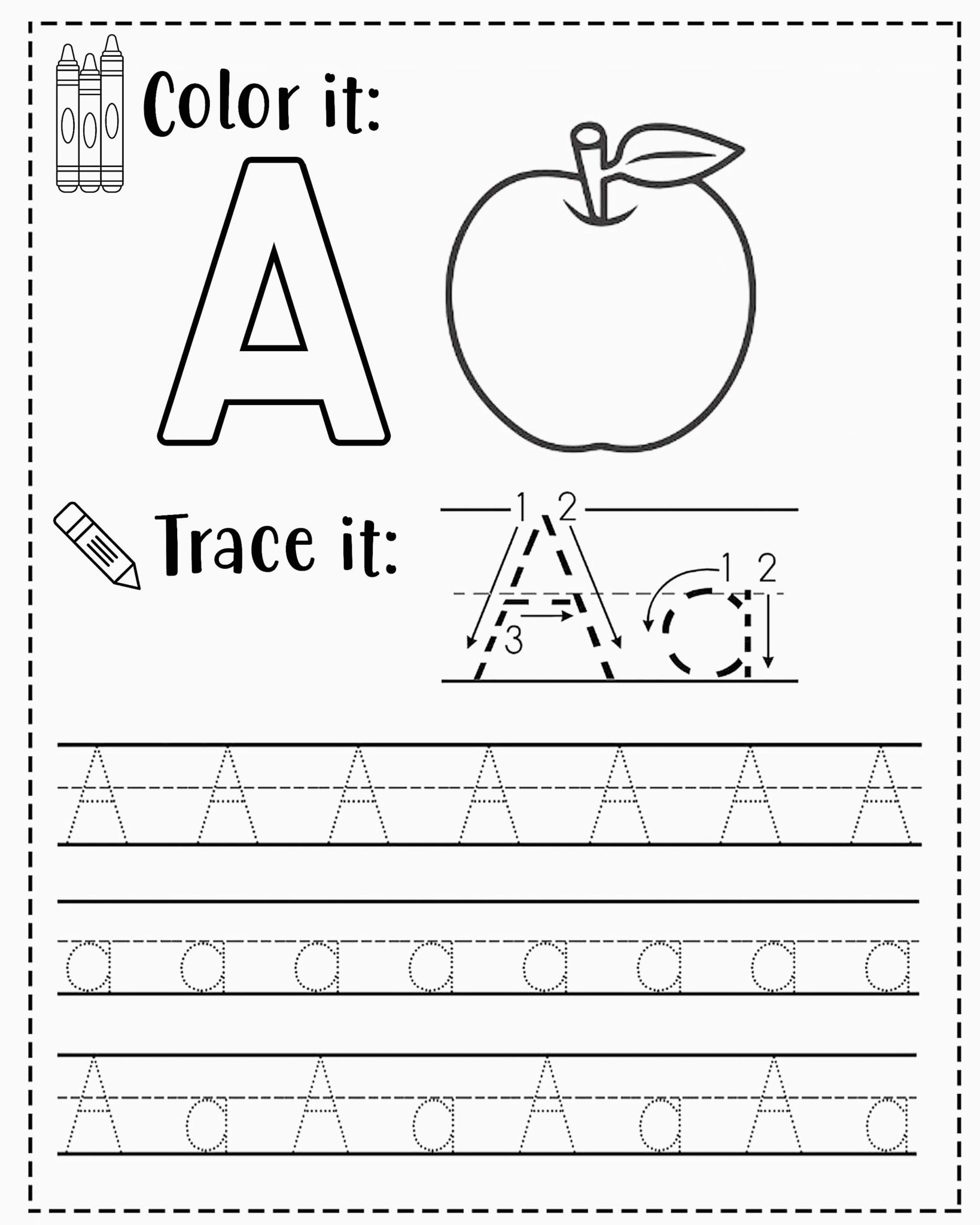
Integrating tracing activities into your daily lessons can reinforce learning. Here are some ideas on how to do this:
- Morning Warm-Up: Start each day with a tracing session to get students focused and ready to learn.
- Themed Lessons: Incorporate tracing letters that correspond with your lesson themes, such as “B” for “bear” if you’re discussing animals.
- Group Activities: Have students trace letters in pairs or small groups. This fosters collaboration and allows for peer support.
By consistently incorporating tracing into your lesson plans, you’ll help students build confidence in their writing skills.
Tracking Progress and Encouraging Independence
As students practice tracing alphabet letters, it’s essential to monitor their progress. Keep a record of their tracing worksheets, noting improvements in their letter formation and speed. This documentation can be helpful for parent-teacher conferences and assessing individual student needs.
To encourage independence, gradually reduce the amount of assistance you provide. Once students are comfortable tracing, introduce activities where they can write letters without guides. You might also consider using a blank sheet where they can practice writing letters from memory after tracing.
Engaging Activities to Reinforce Learning
Beyond tracing, there are several engaging activities you can incorporate to reinforce letter recognition and writing skills:
- Letter Crafts: Create art projects that involve cutting and pasting letters.
- Sensory Writing: Use materials like sand or rice for students to trace letters with their fingers.
- Interactive Games: Include games that involve identifying letters or matching them to sounds.
These activities not only reinforce the skills learned through tracing but also keep students motivated and excited about learning.