Traceable Letters For Pre K
When teaching young children, finding effective resources can make a significant difference in their learning journey. Traceable letters for Pre K are invaluable tools that help children develop their fine motor skills while learning the alphabet. These resources facilitate letter recognition and improve handwriting abilities, making them ideal for preschool educators and parents alike.
Understanding Traceable Letters
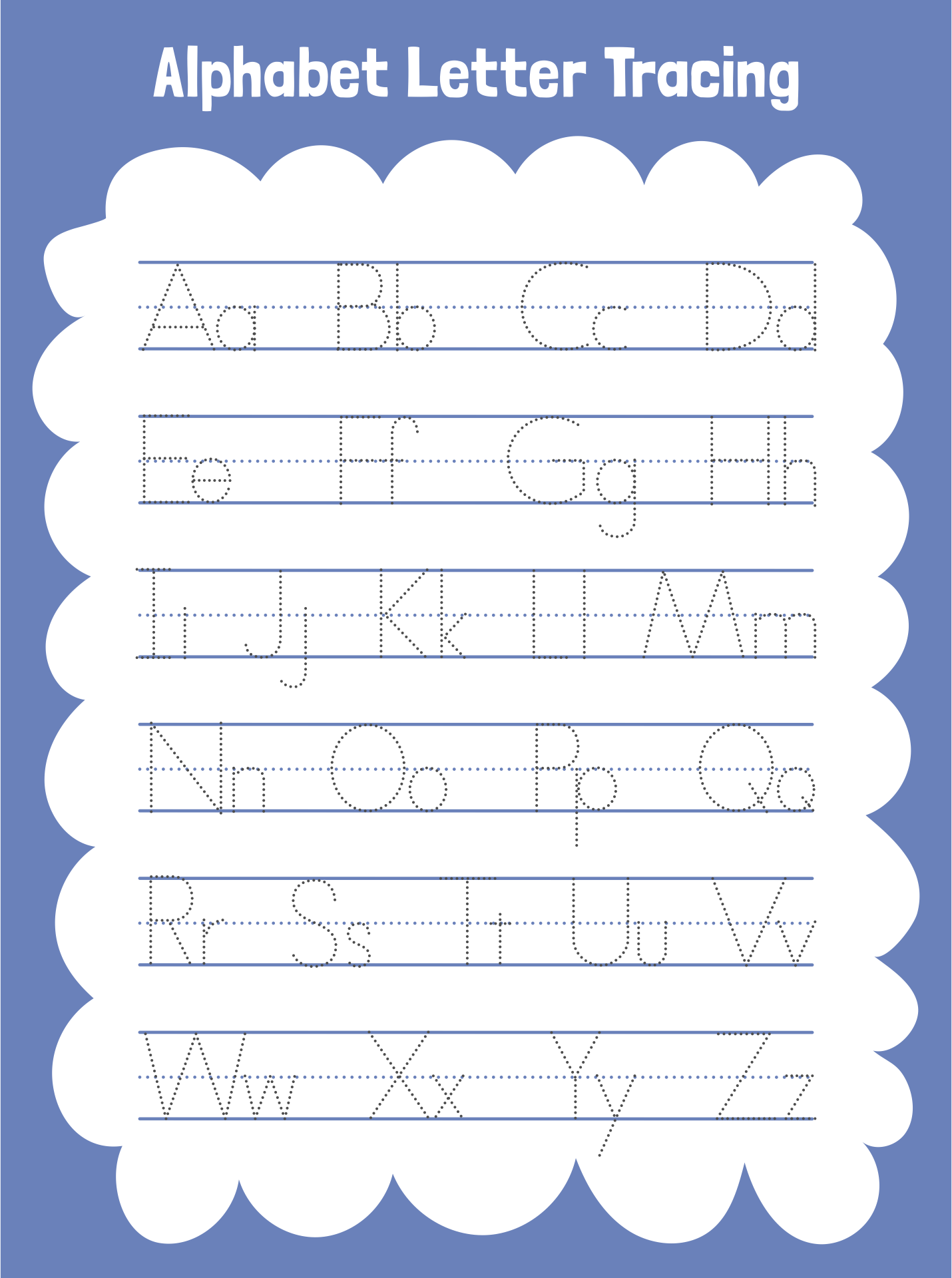
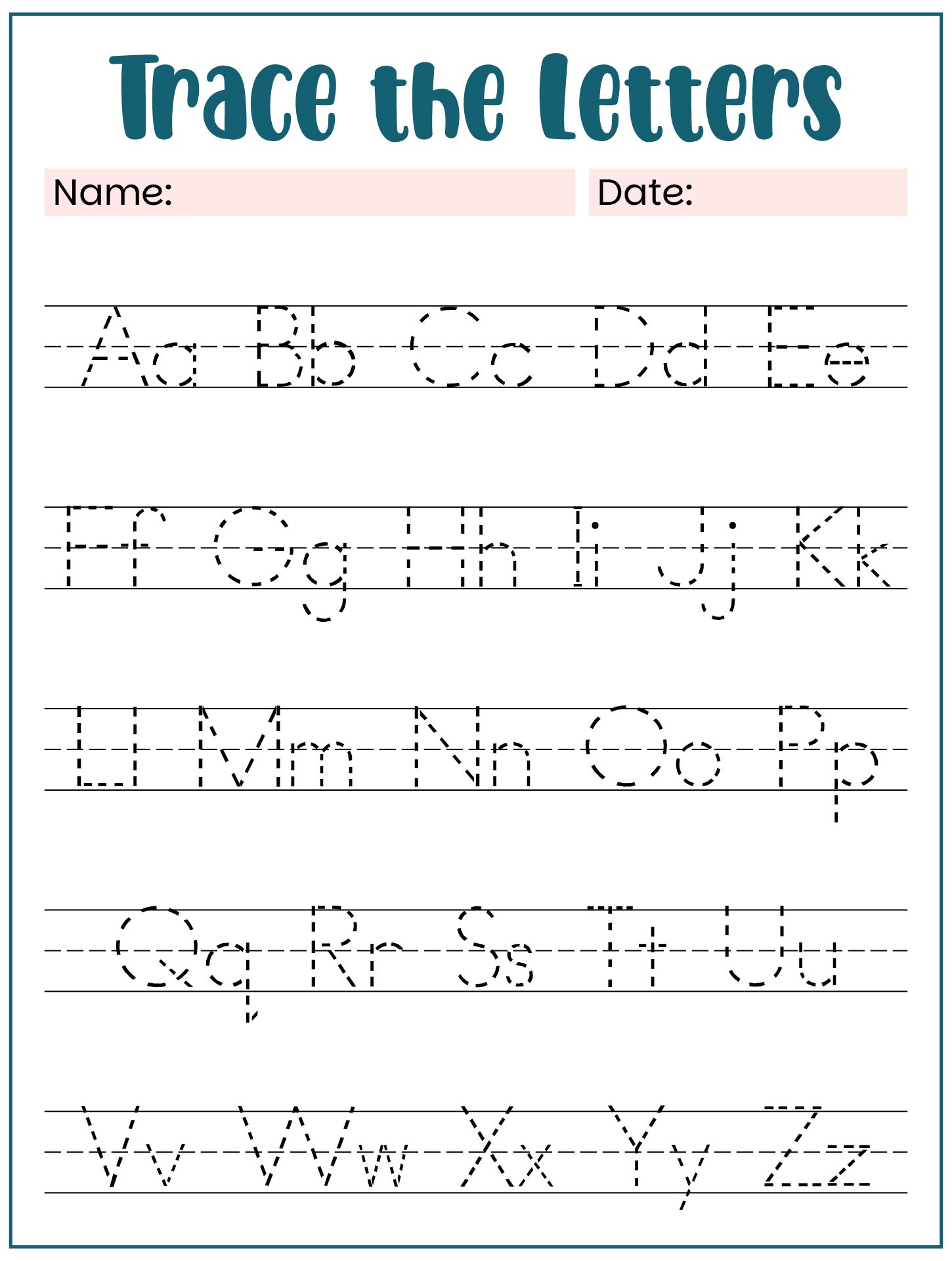
Traceable letters are designed to guide children in writing each letter by following a dotted line. This method is particularly effective for Pre K students, as it allows them to practice forming letters without the pressure of creating them from memory. The primary purpose is to build confidence in their writing skills while making the learning process fun and engaging.
Components of Traceable Letters
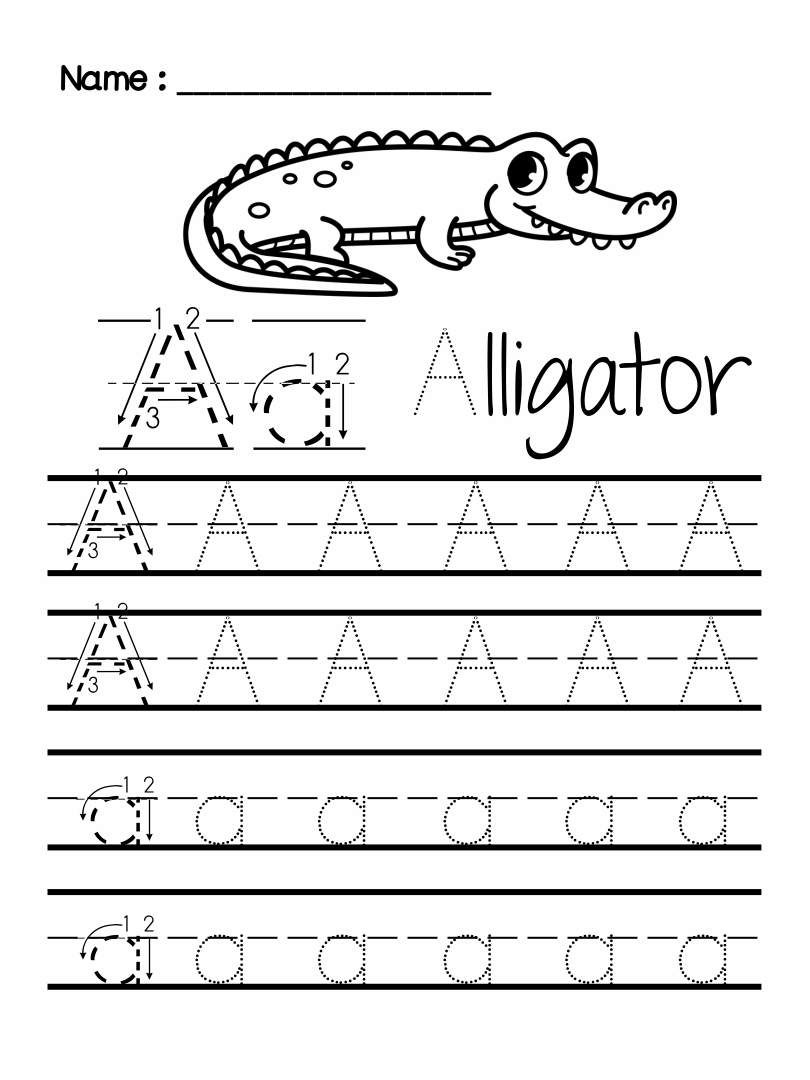
Typically, traceable letter resources include:
- Uppercase and Lowercase Letters: Each letter is presented in both formats to help children understand the distinction.
- Dotted Lines: These lines serve as a guide for where to write, helping to reinforce correct letter formation.
- Visual Examples: Images or illustrations associated with each letter can enhance learning and make it easier for kids to remember letters.
Benefits of Using Traceable Letters
Incorporating traceable letters into your teaching strategy offers several benefits:
- Fine Motor Skills Development: Tracing letters helps children improve their grip and control over writing instruments, which is crucial for their overall writing ability.
- Letter Recognition: As children trace each letter, they begin to recognize them, both in their written form and when they appear in words.
- Encouraging Independence: Traceable letters provide children with a sense of accomplishment when they can successfully trace a letter on their own, promoting self-confidence in their abilities.
How to Use Traceable Letters Effectively
To maximize the effectiveness of traceable letters in your classroom or home setting, consider these practical tips:
1. Choose the Right Format
Traceable letters come in various formats, including:
- Printable PDFs: These are easy to download and print, making them accessible for immediate use.
- Interactive Digital Versions: Some resources offer interactive tracing online, which can be engaging for tech-savvy learners.
When selecting a format, consider your teaching style and the preferences of your students. Printable PDFs tend to work best for hands-on activities, while digital versions can add an element of fun through technology.
2. Set Up a Tracing Station
Create a dedicated area for tracing activities. Here’s how:
- Materials Needed: Gather colored pencils, crayons, or markers, and ensure you have plenty of printed traceable letter sheets.
- Organized Space: Use a small table or designated area in your classroom where children can sit comfortably and focus on their tracing.
3. Incorporate Thematic Learning
Make tracing letters more engaging by linking them to themes or subjects relevant to your students. For instance:
- Animal Letters: Use traceable letters that correspond with animal names (A for Alligator, B for Bear) and include pictures for visual reinforcement.
- Seasonal Themes: Create worksheets that incorporate seasonal words (C for Candy Cane during winter, F for Flower in spring).
This thematic approach can make the learning experience more enjoyable and memorable.
4. Monitor Progress
As children practice their tracing, keep track of their progress. This can be done through:
- Regular Assessments: Observe how well they form letters and provide feedback to encourage improvement.
- Portfolio Creation: Collect samples of their work over time to showcase their development in letter formation.
Regular monitoring helps you identify areas where a child may need additional support.
Where to Find Traceable Letters for Pre K
Several online resources provide high-quality traceable letter templates. Here are a few places to explore:
- Educational Websites: Many educational sites offer free downloadable resources for teachers and parents. Look for reputable platforms that specifically cater to early childhood education.
- Printable Resource Platforms: Websites dedicated to printable materials often have a variety of traceable letter options, including themed designs.
- Teaching Blogs: Many educators share their own materials and ideas through blogs, providing unique and creative traceable letter worksheets.
When choosing resources, ensure they are age-appropriate and cater to the skills of your Pre K students.
Tips for Printing and Using Traceable Letters
Once you’ve found the right traceable letters, consider these practical printing tips:
- Paper Quality: Use cardstock for durability, especially if children will be using these sheets multiple times. If you plan to laminate them, cardstock holds up best.
- Print Settings: Ensure your printer is set to standard quality to avoid any loss of detail in the letters. Portrait layout tends to work better for most home printers.
- Quantity: Print multiple copies of each letter to allow for practice and to accommodate different learners.
Encouraging Creativity With Traceable Letters
To further engage your students, encourage creativity alongside tracing activities:
- Coloring: After tracing, allow children to color the letters or draw pictures that start with that letter.
- Storytime Connections: After tracing a letter, read a book that emphasizes words starting with that letter to reinforce learning through context.
Integrating these creative elements fosters a love of learning and encourages children to associate letters with fun activities.