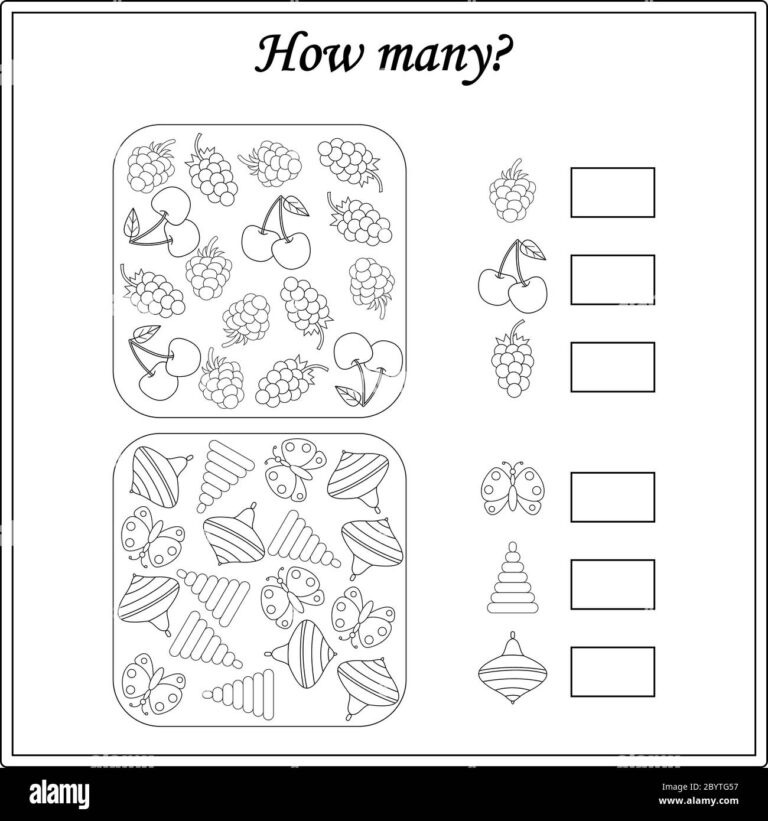
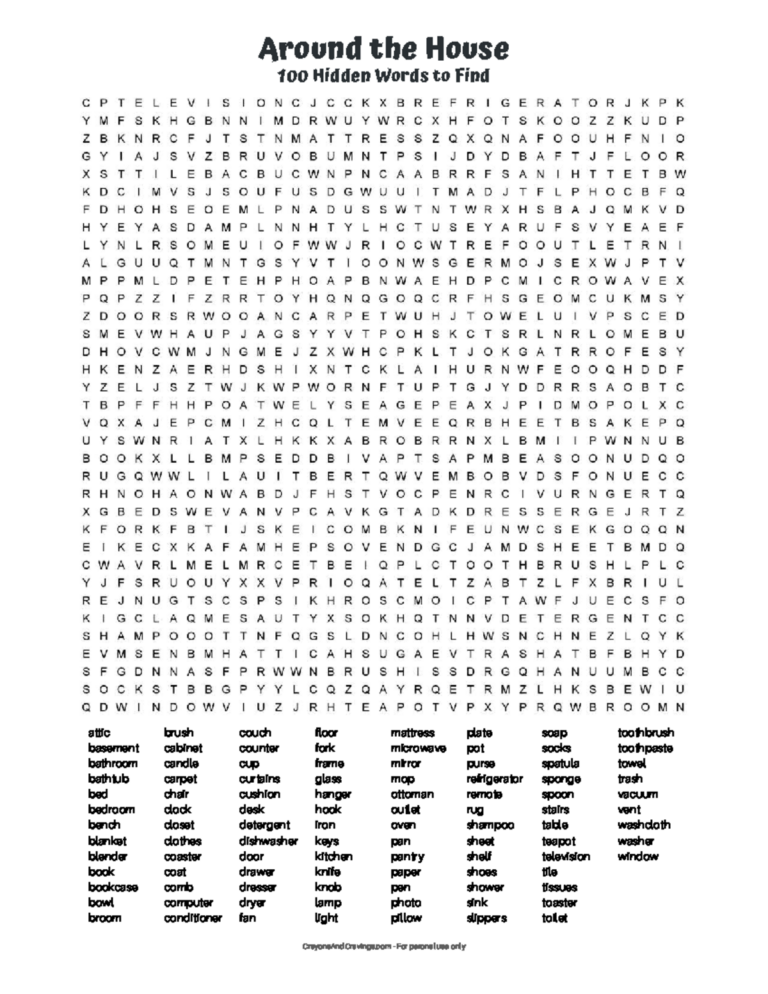
Solve The Puzzle Brain Test
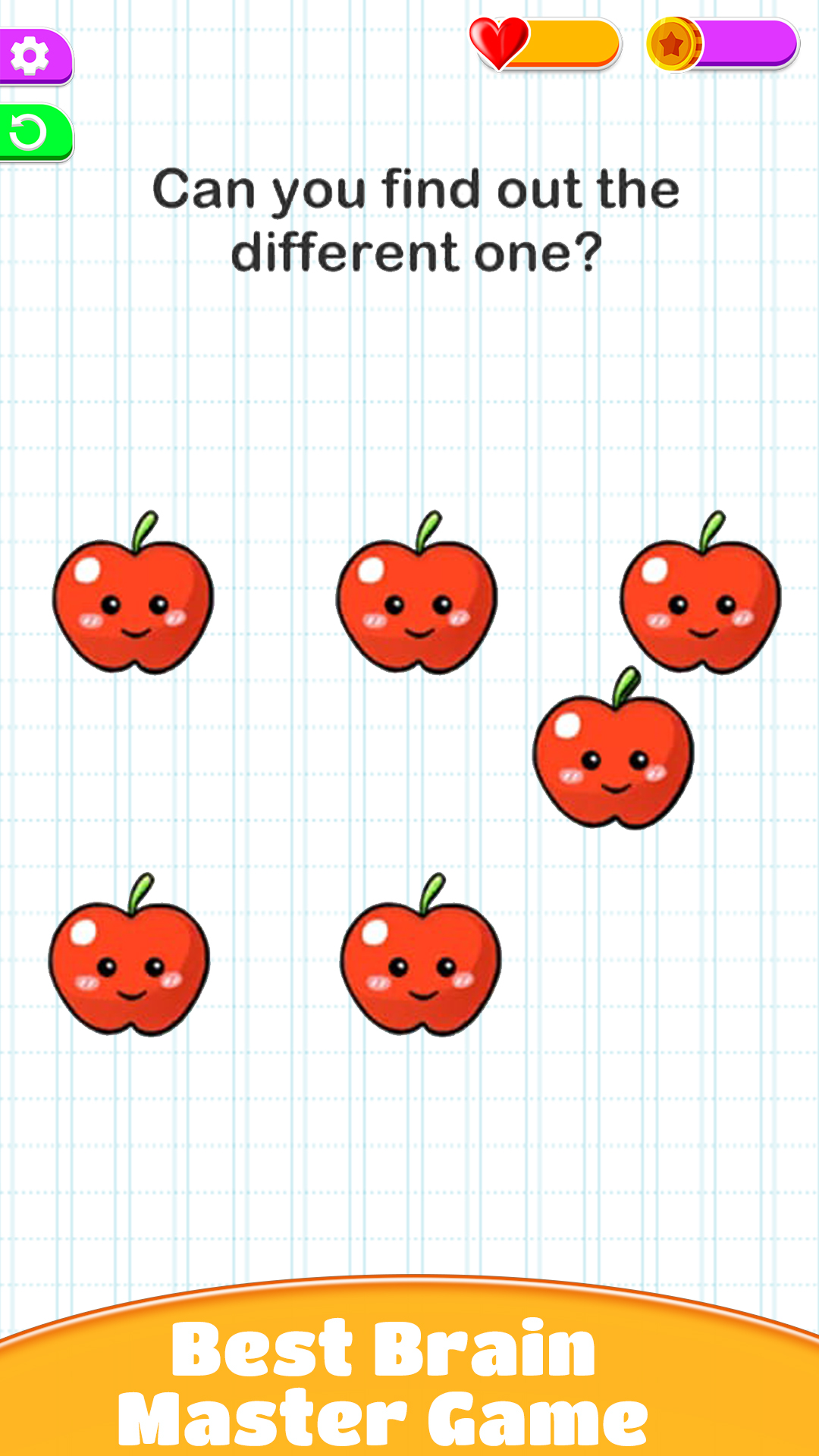
The “Solve The Puzzle Brain Test” is a fantastic resource for teachers looking to engage their students with fun and challenging activities. This printable resource features a variety of brain teasers designed to stimulate critical thinking and problem-solving skills. If you are using it in the classroom or for remote learning, these puzzles can be a great addition to your lesson plans.
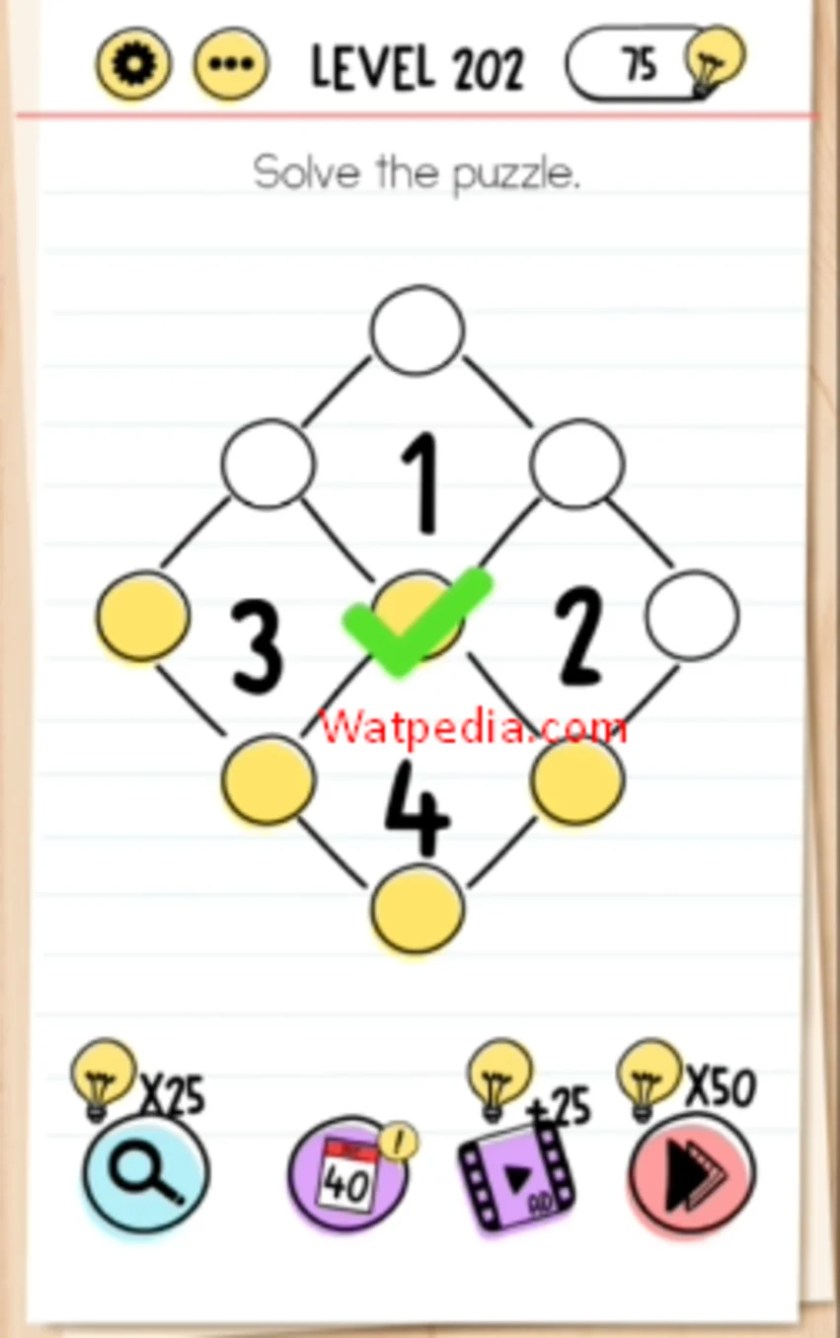
Understanding the Puzzle Format
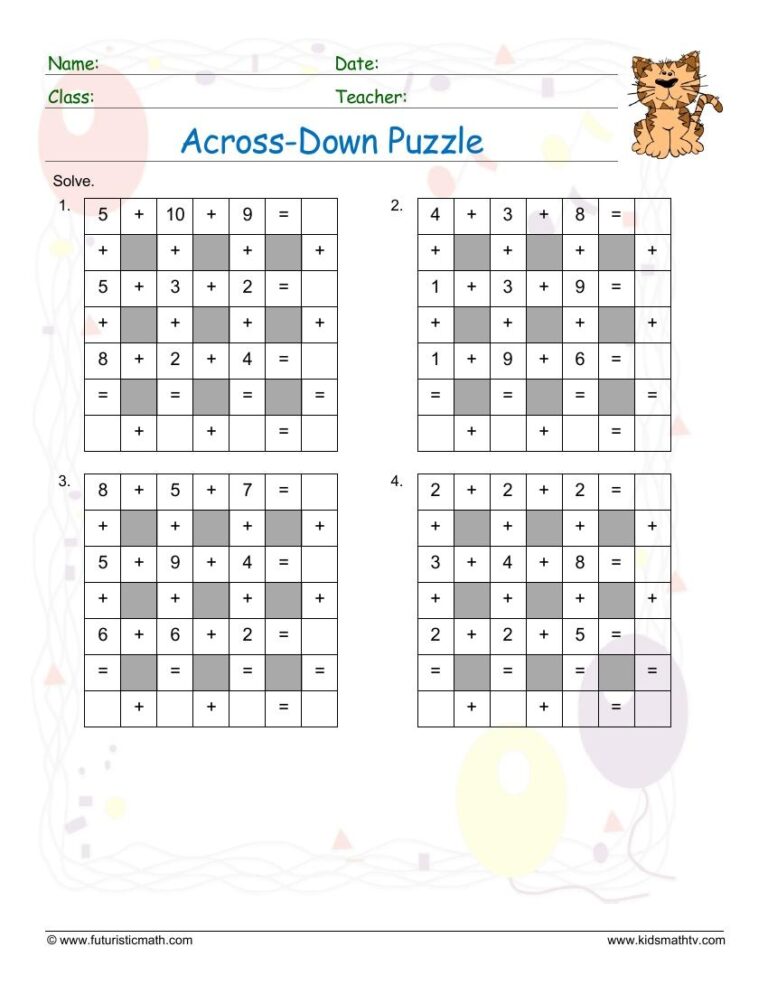
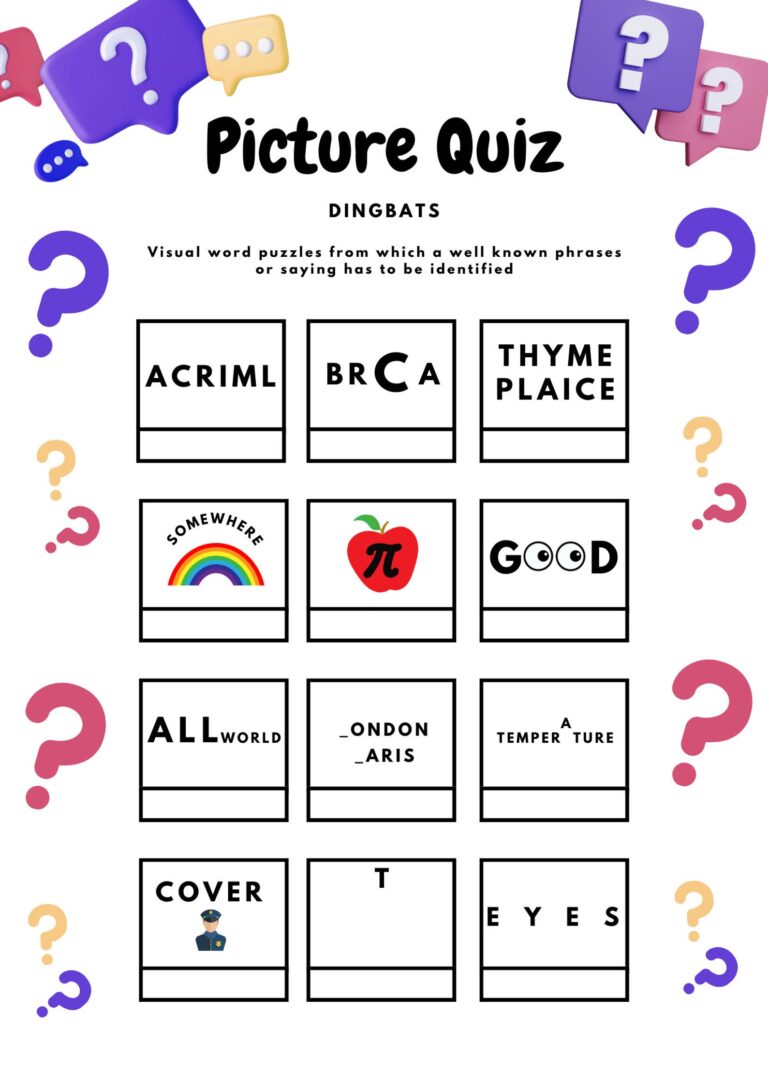
The puzzles included in the “Solve The Puzzle Brain Test” resource typically come in a PDF format, allowing for easy printing. Each puzzle is designed to be visually engaging and intellectually stimulating, appealing to various learning styles. The activity sheets usually contain a mix of logic puzzles, riddles, and visual challenges that cater to different grade levels, making them versatile for classroom use.
When selecting which puzzles to use, consider the age and skill level of your students. Younger students may benefit from simpler puzzles that focus on basic logic, while older students can tackle more complex challenges that require advanced reasoning.
Steps to Use the Resource Effectively
Step 1: Choose Your Puzzles
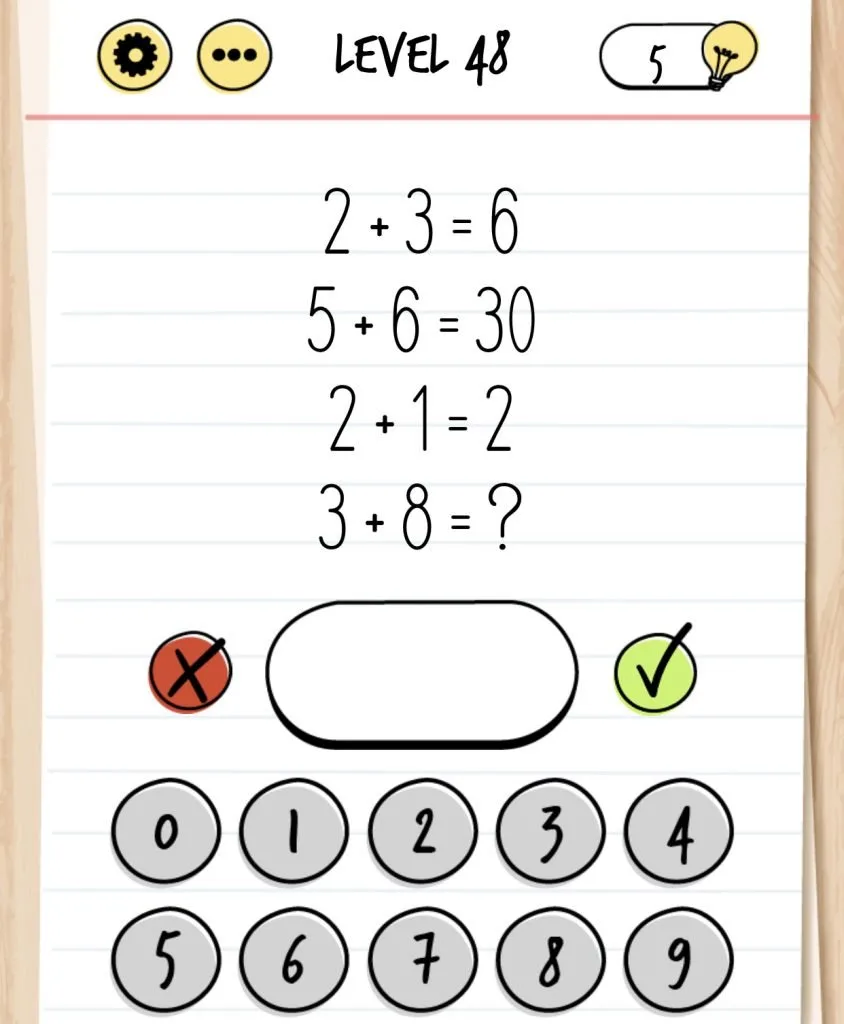
Start by reviewing the available puzzles in the “Solve The Puzzle Brain Test” resource. Look for puzzles that align with your lesson objectives or the topics you are currently covering. This targeted approach helps reinforce learning while making the activity enjoyable. You can even categorize puzzles based on difficulty levels, allowing you to easily choose the right one for each group of students.
Step 2: Download and Print
Once you’ve selected the puzzles, download the PDF file. Make sure your printer settings are optimized for the best quality. Portrait layout often works best for most home printers, and printing on heavier paper or cardstock can enhance durability, especially if you plan to laminate the sheets for repeated use.
Consider printing multiple copies if you have a larger class or if students will work in pairs or small groups. This approach promotes collaboration and discussion among students, further enriching the learning experience.
Step 3: Set Up the Activity
Before introducing the puzzles to your students, take a moment to plan how you’ll present the activity. You can choose to have students work individually, in pairs, or in small groups. Each method has its benefits: individual work encourages self-reliance, while group work fosters teamwork and communication skills.
You might also set a time limit for solving each puzzle to add an element of competition and urgency. This can motivate students to think quickly and collaboratively, discussing their thought processes as they tackle the puzzles.
Step 4: Facilitate and Guide
As students work through the puzzles, circulate the room to observe their strategies and provide guidance as needed. If students are struggling with a particular puzzle, offer hints or nudges to help them think critically without giving away the answers. This supportive approach helps build their confidence and enhances their problem-solving skills.
Encourage students to explain their reasoning behind their answers. This practice not only reinforces their understanding but also allows you to assess their thought processes and identify areas where they may need further instruction.
Step 5: Review and Reflect
After the activity, gather the students for a class discussion. Ask them to share their favorite puzzles and the strategies they used to solve them. This reflection allows students to articulate their thinking and learn from one another’s experiences.
You can also incorporate this discussion into a broader lesson on critical thinking or problem-solving strategies, reinforcing the skills they practiced during the activity. Additionally, consider assigning related homework or follow-up activities that further challenge their reasoning abilities.
Adapting the Puzzles for Repeated Use
One of the great advantages of the “Solve The Puzzle Brain Test” resource is its adaptability for repeated use. Here are some ideas to keep the puzzles fresh and engaging over time:
- Change the Groups: Rotate students into different groups for each session. This not only changes the dynamic but allows students to work with different peers, enhancing their collaborative skills.
- Vary the Difficulty: Introduce more complex puzzles as students become more adept at solving them. You can also mix in some easier puzzles to ensure that all students feel successful and motivated.
- Create a Puzzle Challenge: Host a puzzle-solving competition where students can earn points for completing puzzles correctly and quickly. This friendly competition can foster a fun learning environment and motivate students to improve their skills.
By utilizing these strategies, you can ensure that the “Solve The Puzzle Brain Test” remains a valuable resource in your teaching toolkit.
Lastly, remember that these puzzles can also be adapted for different subjects. For instance, you can create math-based puzzles or integrate vocabulary words into the challenges. This flexibility allows you to tailor the resource to your curriculum needs and keep your students engaged throughout the school year.