Simple Sentences For First Graders
Teaching first graders how to construct simple sentences is fundamental in developing their reading and writing skills. Simple sentences for first graders serve as building blocks for more complex language structures, helping them express thoughts clearly. guide you through practical strategies, resources, and tips to effectively engage young learners in mastering simple sentences.
Understanding Simple Sentences
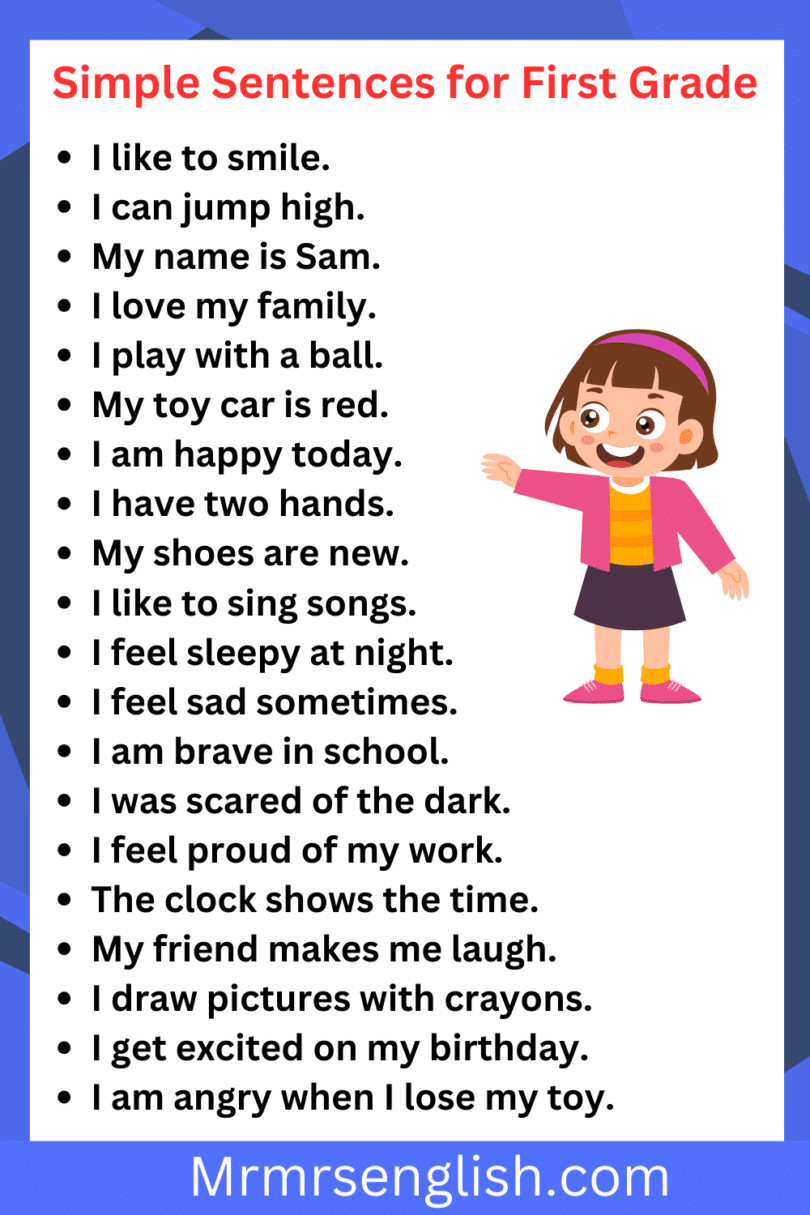
A simple sentence consists of a subject and a predicate, conveying a complete thought. For first graders, these sentences are typically short and straightforward, making them easy to understand and use. Examples include:
- The cat sleeps.
- I like ice cream.
- She plays outside.
These examples illustrate how simple sentences can be both informative and easy to construct. The goal is to help children recognize the structure of a sentence while encouraging them to express their ideas.
Activities to Teach Simple Sentences
Incorporating engaging activities is essential for teaching simple sentences effectively. Here are some practical activities you can implement in your classroom or at home:
Sentence Building Blocks
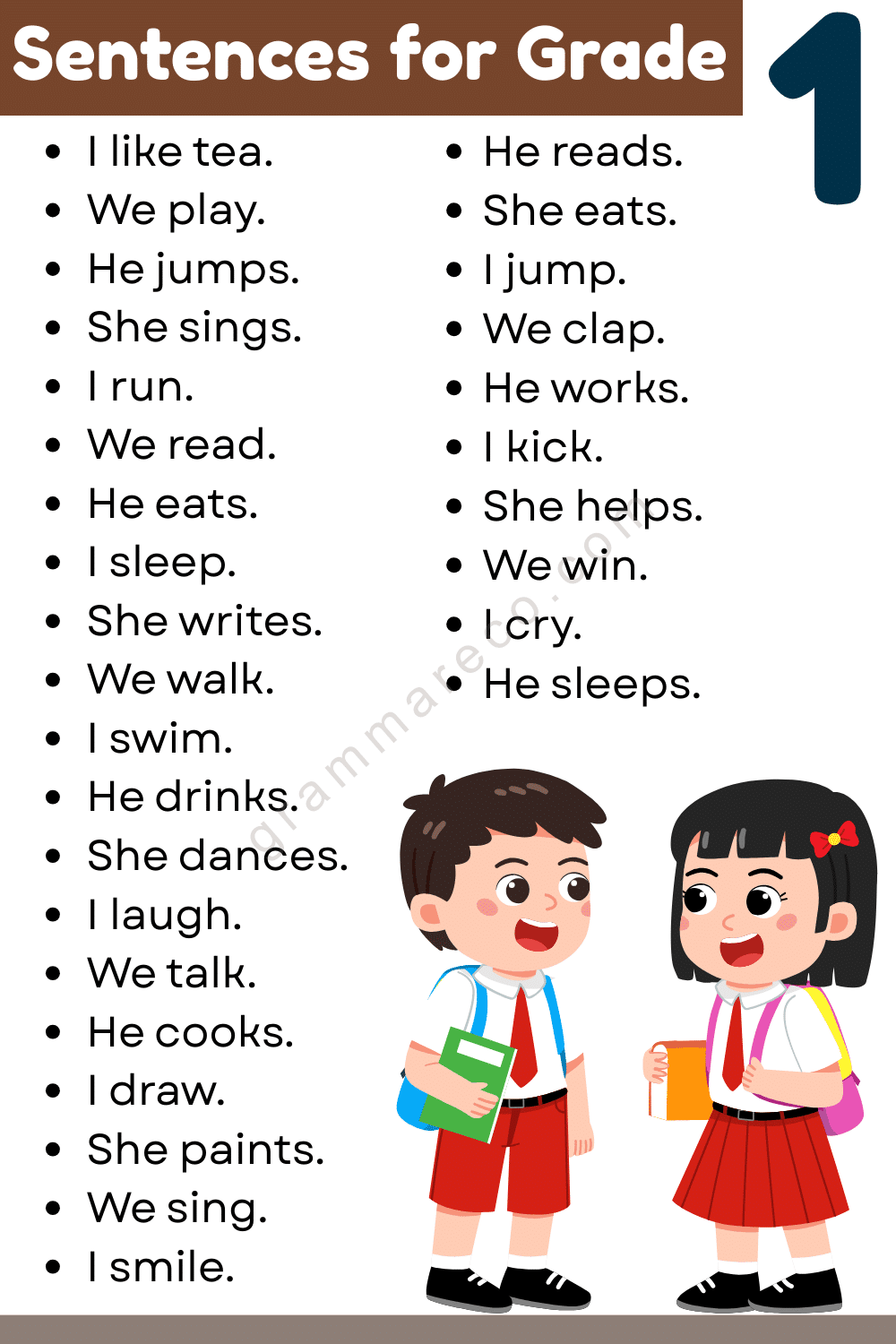
Using physical objects like blocks or cards, create a hands-on activity where children can build sentences. Each block can represent a word or a phrase. For example, one block can say “The,” another “dog,” and another “runs.” Encourage students to arrange the blocks to form complete sentences. This tactile approach helps reinforce the concept of sentence structure.
Picture Prompts
Picture prompts can inspire students to create their own sentences. Provide a variety of images—animals, outdoor scenes, or family activities—and ask children to describe what they see using simple sentences. For example, if a child sees a picture of a dog, they might say, “The dog barks.” This method not only sparks creativity but also enhances observation skills.
Fill-in-the-Blank Worksheets
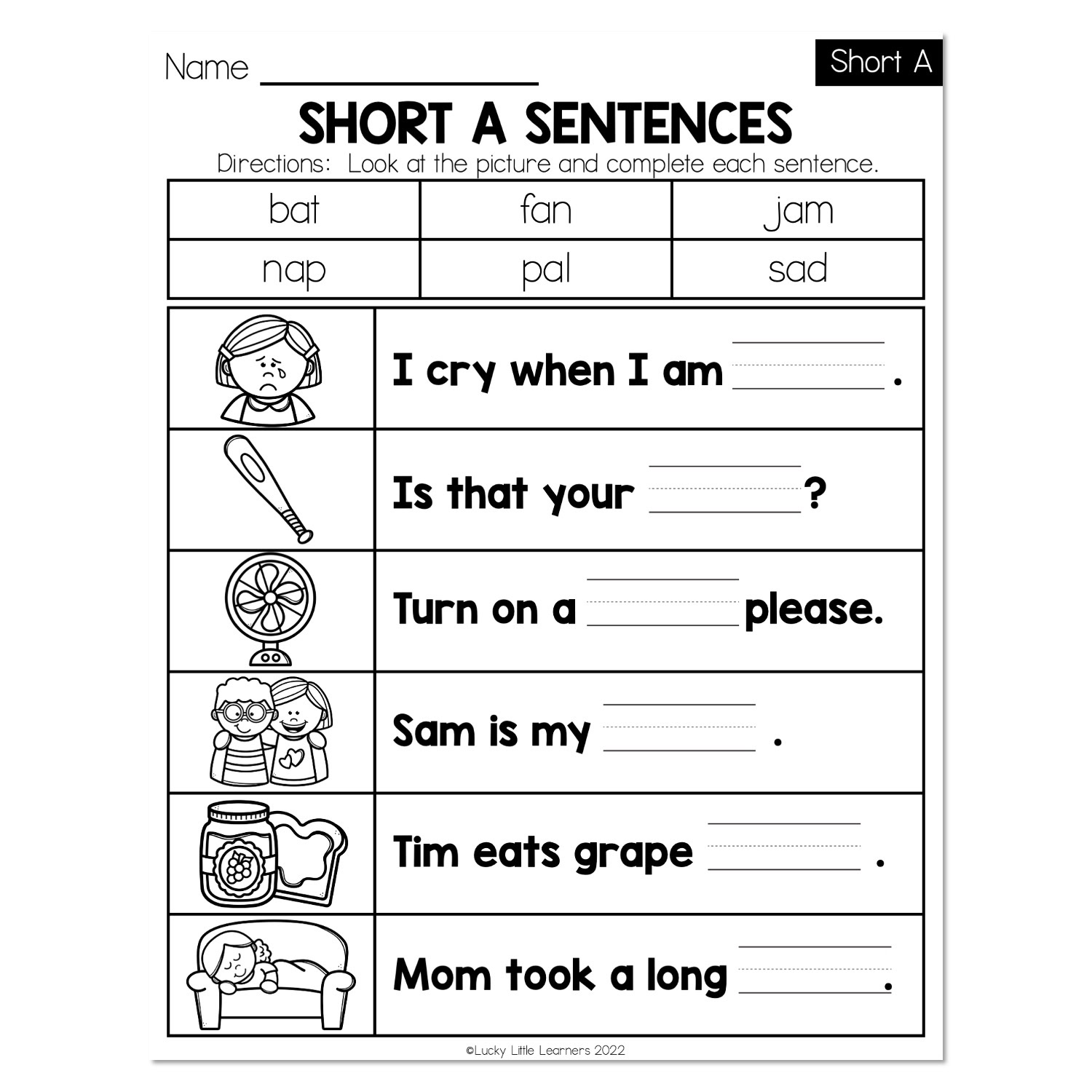
Printable worksheets can be an excellent resource for practicing simple sentences. Create fill-in-the-blank exercises where students complete sentences with appropriate words. For instance:
- The _ (dog/cat) is sleeping.
- I like to eat _ (pizza/ice cream).
These worksheets can be easily downloaded and printed, providing immediate practice opportunities.
Printable Resources for Simple Sentences
Finding the right printable resources can significantly aid in teaching simple sentences. Here are some types of materials you can use:
Worksheets
Worksheets tailored for first graders can reinforce sentence construction. Look for templates that include various activities, such as matching words to images, unscrambling words to form sentences, or writing sentences based on prompts. These printable worksheets are often available in PDF format, making them easy to download and print.
Coloring Pages
Coloring pages that incorporate simple sentences can make learning fun. For example, a page might feature a picture of a cat along with the sentence “The cat is playful.” As children color, they can repeat the sentence, reinforcing their understanding and pronunciation.
Flashcards
Flashcards can be a versatile tool for teaching. Create flashcards with simple sentences on one side and corresponding images on the other. This visual pairing can help children associate words with meanings, aiding retention. Using flashcards for games, such as memory or matching, can make the learning process enjoyable.
Strategies for Encouraging Writing
Encouraging first graders to write their own simple sentences is a crucial step in their literacy development. Here are some strategies to promote writing:
Journaling
Introduce journaling as a daily activity where students write one or two simple sentences about their day or a specific topic. Journals can be decorated with stickers or drawings, making them personal and engaging. This practice helps children express their thoughts while reinforcing sentence structure.
Sentence Starters
Provide sentence starters to help children get going with their writing. For example, you could say, “Today I saw…” or “My favorite food is…” These prompts can guide students in forming complete sentences and spark their creativity.
Peer Review
Encourage students to share their sentences with peers. This practice not only builds confidence but also fosters collaborative learning. Peers can provide feedback, helping each other refine their sentences and understanding of sentence structure.
Assessing Understanding of Simple Sentences
Regular assessment is key to ensuring that students grasp the concept of simple sentences. Here are a few methods to evaluate their understanding:
Observational Assessment
During activities, observe how well students create and use simple sentences. Take note of their ability to identify subjects and predicates, and their overall sentence construction. This informal assessment can provide insights into their progress.
Sentence Quizzes
Create short quizzes where students must identify parts of a sentence or fill in blanks to complete sentences. These quizzes can be printed and administered periodically to assess comprehension and retention.
Writing Samples
Collect writing samples from students over time to track their progress in constructing simple sentences. Reviewing their journals or worksheets can help you identify areas where they excel or need additional support.
By incorporating these practical activities, resources, and assessment strategies, you can effectively teach simple sentences for first graders. Remember, the goal is to make learning fun and engaging, fostering a love for language that will benefit them throughout their educational journey.
A simple tip to implement immediately is to start using picture prompts in your teaching. They can be an effective way to inspire creativity and help students form sentences effortlessly.