Reading Passages For 4th Grade
Reading comprehension is a fundamental skill that 4th graders need to develop as they transition from learning to read to reading to learn. Finding the right reading passages for 4th grade can make a significant difference in engaging students and enhancing their understanding of various subjects. These passages are not just words on a page; they are carefully crafted resources designed to spark curiosity, promote critical thinking, and develop essential literacy skills.
The Importance of Age-Appropriate Content
When selecting reading passages for fourth graders, it’s crucial to consider their age and reading level. At this stage, students are becoming more independent readers, and the content should reflect their growing maturity while still being accessible. Look for passages that cover a variety of topics, including science, history, and fiction. This diversity not only keeps students interested but also broadens their knowledge base.
For example, a reading passage about the water cycle can introduce scientific concepts while a story about a young explorer can engage their imaginations. The key is to ensure that the passages are not too challenging or too simplistic, striking a balance that promotes confidence and enthusiasm in reading.
Structuring the Reading Passages
The layout of reading passages plays a significant role in how effectively students engage with the text. Here are some design features to consider:
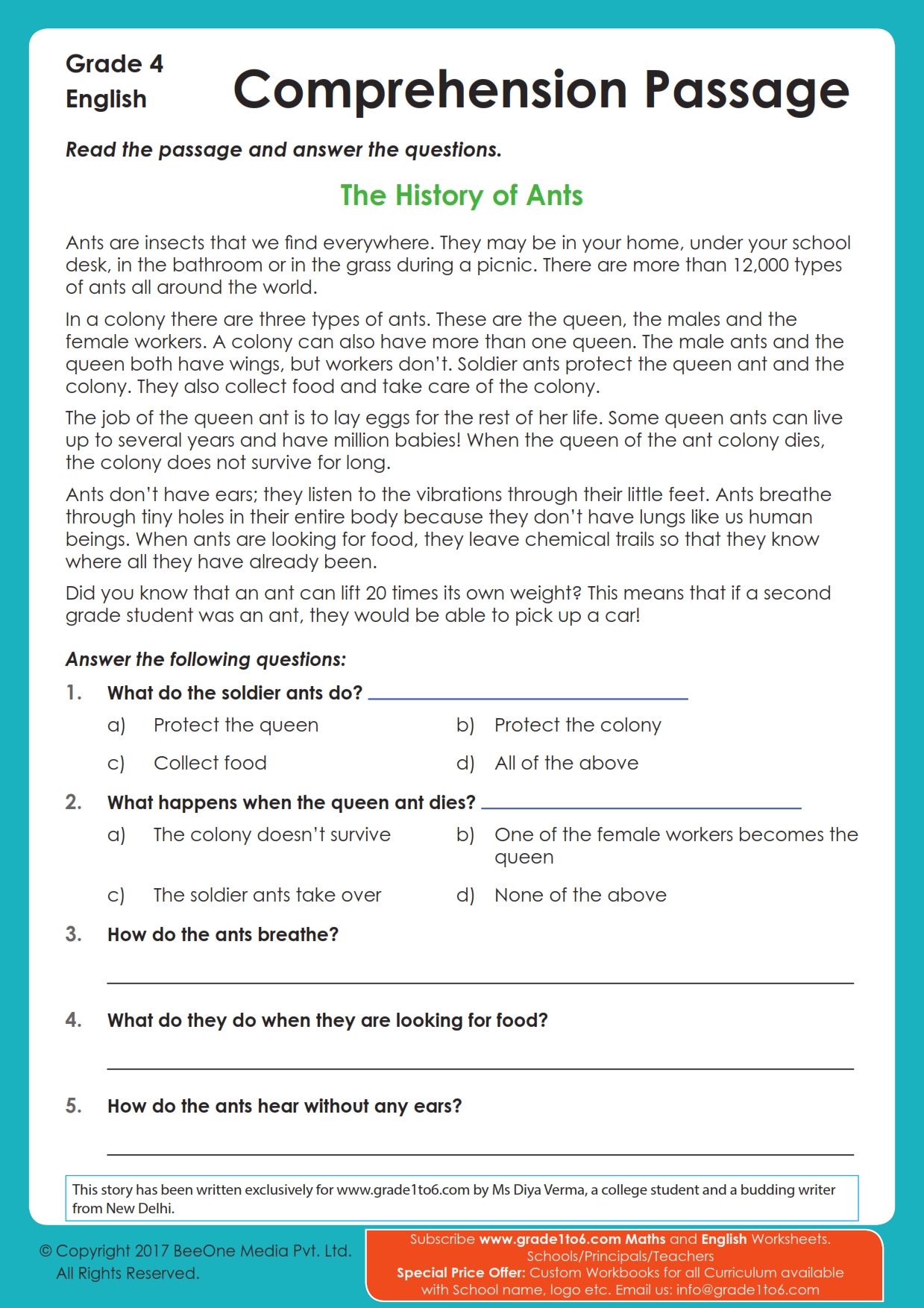
- Clear Headings: Use headings that clearly indicate the topic of the passage. This helps students quickly grasp what they are about to read and sets expectations.
- Short Paragraphs: Break the text into manageable sections. Long blocks of text can be overwhelming, so short paragraphs allow for easier comprehension.
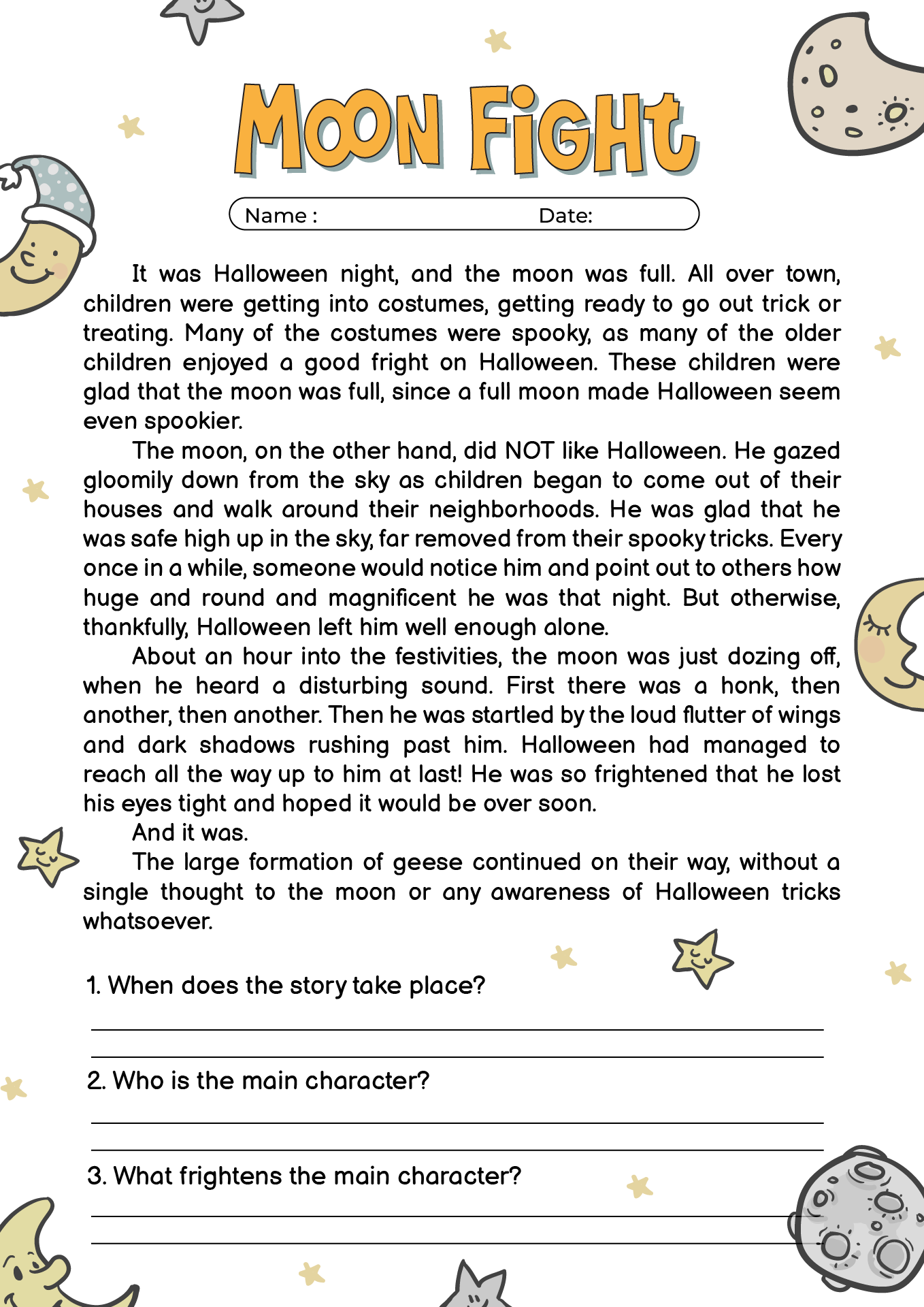
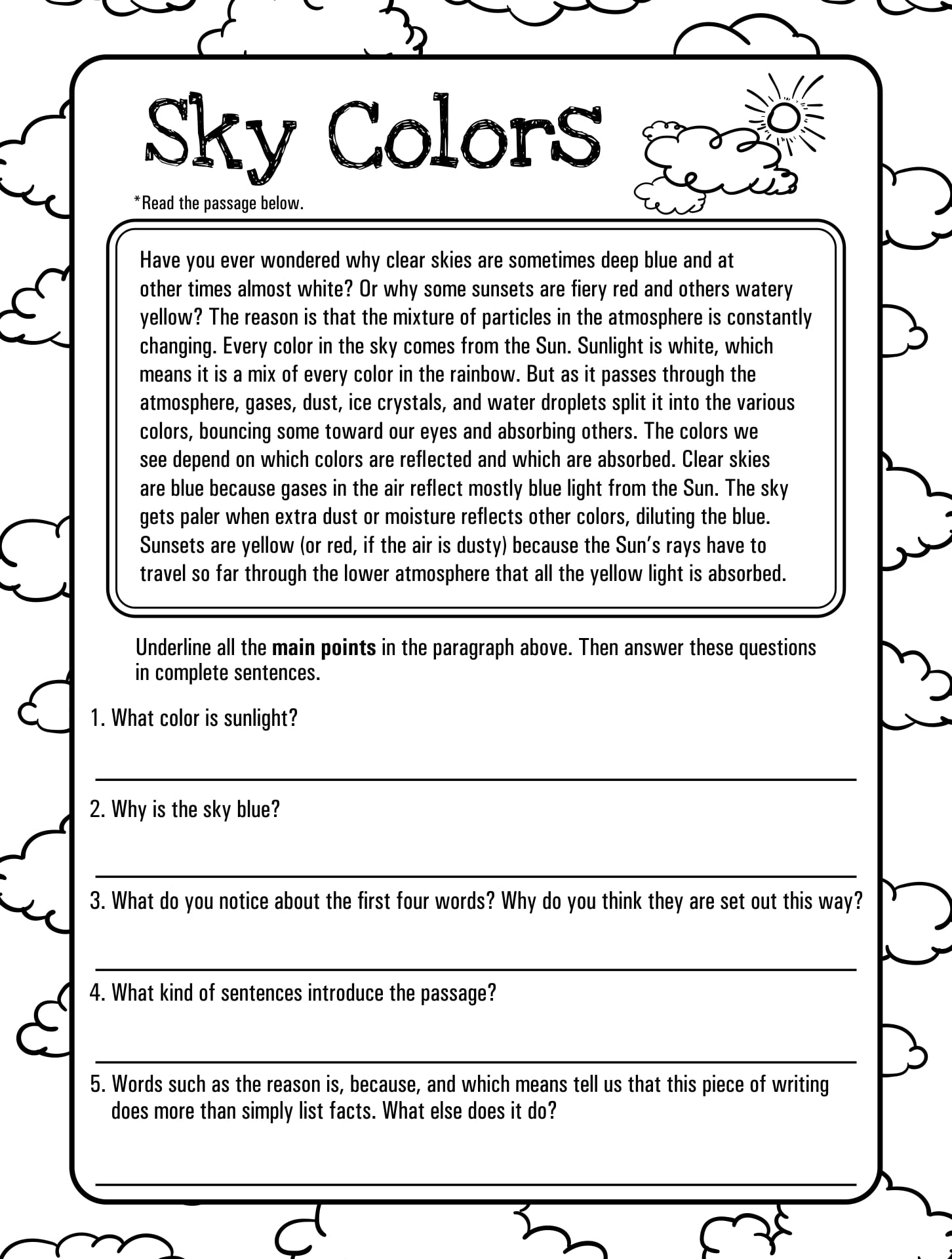
- Illustrations: Relevant images or diagrams can enhance understanding and retention of the material. Visual aids can help students connect with the text on a deeper level.
- Vocabulary Highlights: Consider highlighting key vocabulary words within the passage. This not only draws attention to important terms but also aids in vocabulary development.
These structural elements create an inviting layout that encourages students to read and engage with the material.
Incorporating Comprehension Questions
After students read a passage, comprehension questions can help reinforce their understanding and critical thinking skills. Questions should vary in format to keep students engaged. Here are some examples:
- Multiple Choice: These are great for assessing specific details from the passage. For instance, “What is the main idea of the passage?”
- Short Answer: Encourage students to express their thoughts in their own words. A question like “What did the character learn from their experience?” allows for deeper reflection.
- Discussion Prompts: Use open-ended questions to facilitate class discussions. For example, “How would you feel in the character’s situation?” This not only checks comprehension but also encourages empathy and personal connection to the text.
Incorporating these questions directly after each passage can be an effective way to assess understanding and keep the learning process interactive.
Printable Formats for Easy Use
When it comes to distributing reading passages for 4th grade, consider providing them in multiple formats for flexibility. Here are some options:
- PDF Downloads: PDFs maintain formatting across different devices, ensuring that the layout remains consistent. This is particularly important if students will print the passages at home.
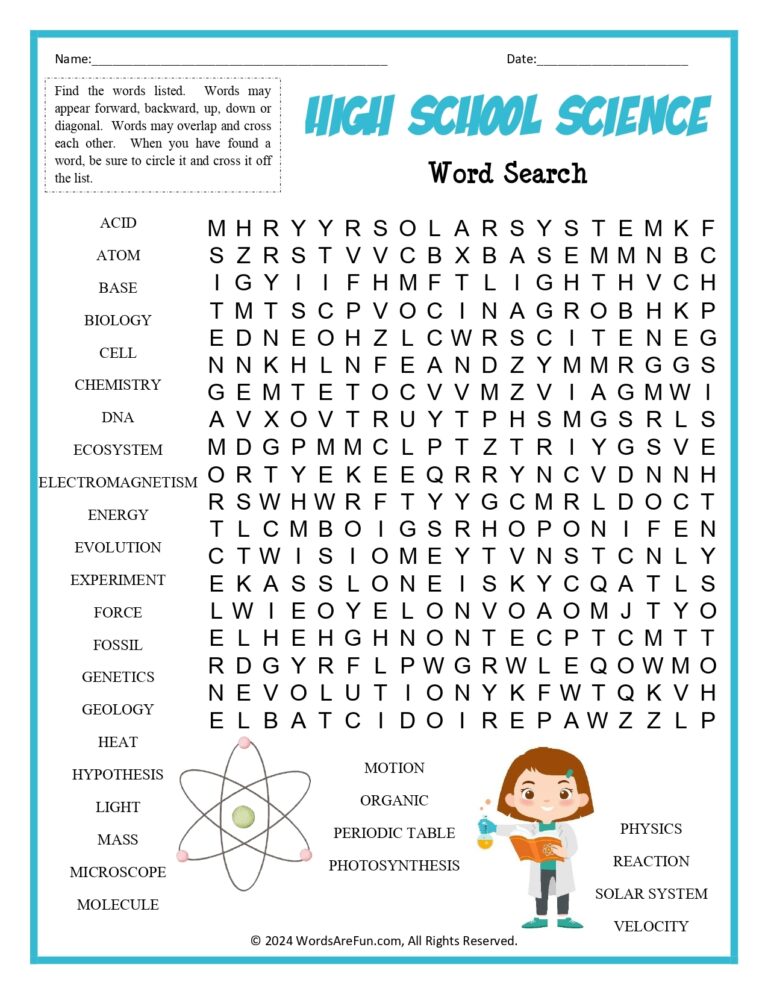
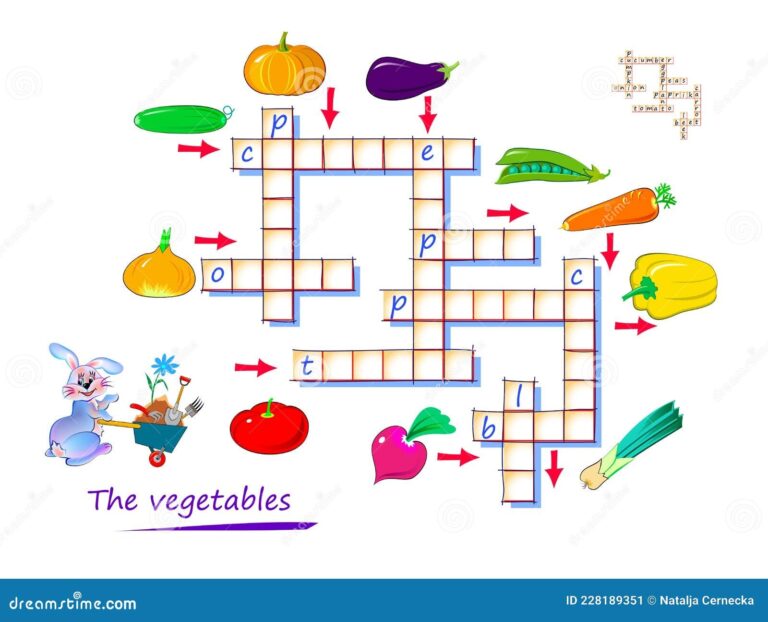
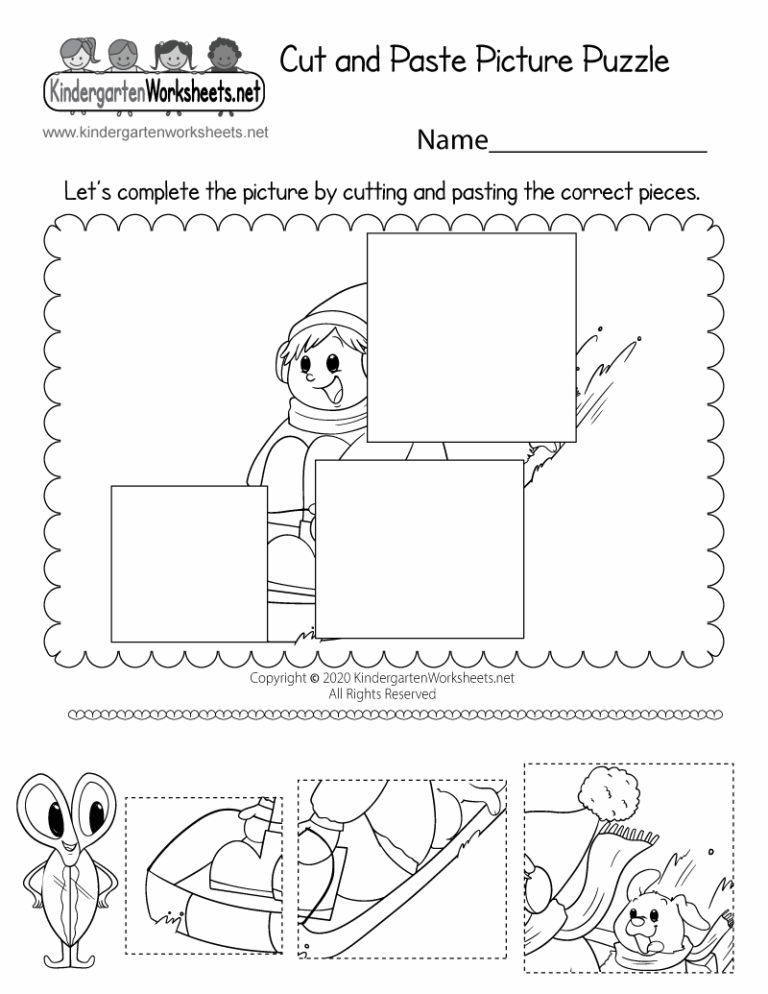
- Interactive Worksheets: Creating worksheets that accompany the reading passages can enhance engagement. These can include fill-in-the-blank exercises, matching definitions, or even spaces for students to write their summaries.
- Coloring Pages: For younger students or as a fun break, consider incorporating coloring pages related to the reading material. This can reinforce themes and concepts in a creative way.
Providing these resources in an easily accessible format makes it simple for teachers to distribute and for students to use effectively.
Utilizing Technology to Enhance Learning
In today’s digital age, integrating technology into reading comprehension lessons can be highly beneficial. Here are a few ways to incorporate digital tools:
- Online Reading Platforms: Consider using platforms that allow students to read passages digitally. These often come with built-in comprehension questions and interactive features.
- Audio Versions: Providing audio recordings of the passages can support auditory learners and help students who struggle with reading fluency.
- Interactive Quizzes: After reading, students can take quizzes on educational websites that provide immediate feedback, helping them identify areas for improvement.
Integrating technology not only makes learning more engaging but also prepares students for a more digital world.