Problem Solving Games For Teens
Problem solving games for teens are an excellent way to engage students while developing their critical thinking and teamwork skills. These games can be a fun addition to your teaching toolbox, providing opportunities for students to work collaboratively, think creatively, and solve complex problems. If you are a teacher seeking interactive classroom activities or a parent looking to enhance your teen’s skills at home, these games can be easily integrated into your lesson plans or family game nights.
Benefits of Problem Solving Games
Incorporating problem solving games into your curriculum or home activities offers numerous benefits:
- Enhances Critical Thinking: These games challenge teens to think outside the box and analyze situations critically, which is crucial for academic success and future careers.
- Promotes Teamwork: Many problem solving games require collaboration, teaching students the importance of working together and valuing different perspectives.
- Improves Engagement: Gamifying learning makes it more enjoyable, increasing student motivation and participation.
- Encourages Resilience: Facing challenges in a game setting helps teens develop persistence and learn to cope with failure in a safe environment.
Types of Problem Solving Games
There are various types of problem solving games suitable for teens, each focusing on different skills and learning outcomes. Here’s a look at some popular categories:
Strategy Games
Strategy games require players to plan their moves and think several steps ahead. Examples include:
- Chess: A classic game that teaches strategic thinking and foresight.
- Settlers of Catan: Players must negotiate resources and build settlements, fostering strategic planning and negotiation skills.
Puzzles and Riddles
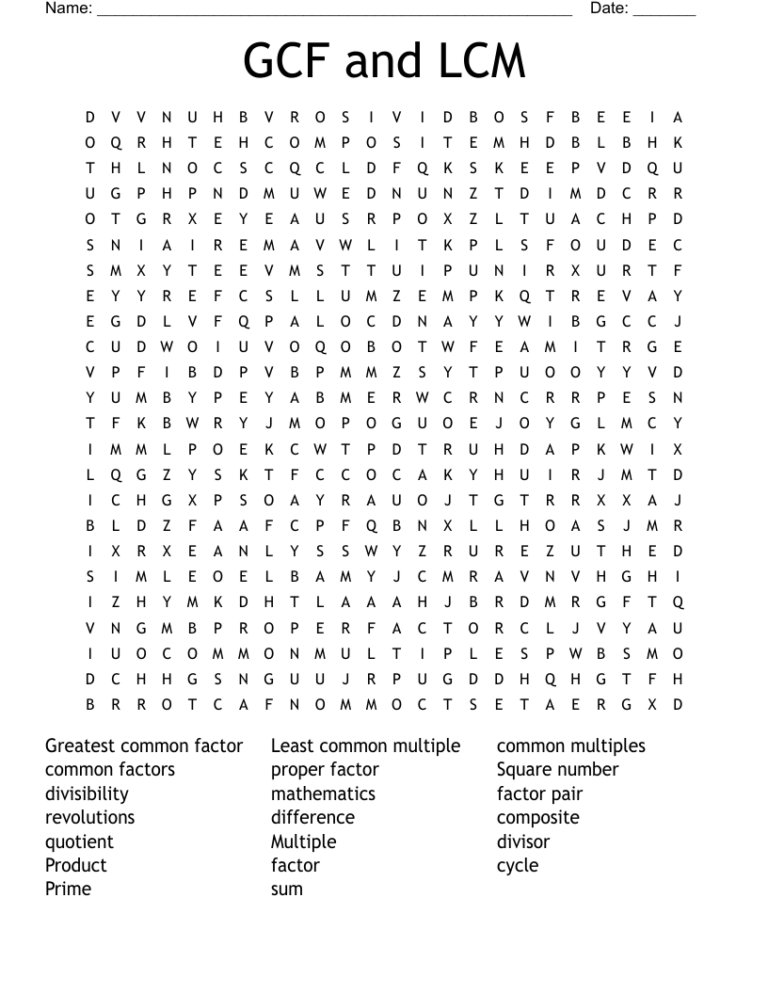
Puzzle games challenge players to think critically and solve problems creatively. They can be used to enhance logical reasoning and lateral thinking. Consider these options:
- Escape Room Games: These games require teams to solve riddles and puzzles to “escape” from a scenario, promoting teamwork and critical thinking.
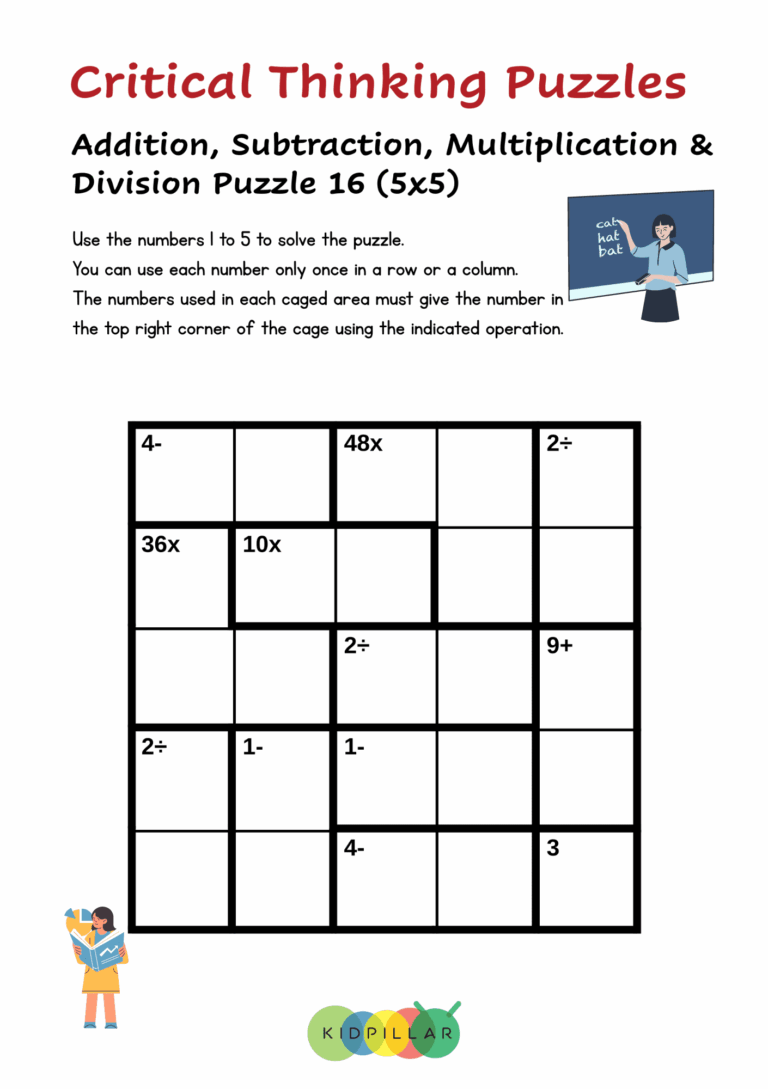
- Logic Puzzles: Simple brain teasers can be printed out and used in the classroom to spark discussion and enhance problem-solving skills.
Team Challenges
These games often involve group work and can be tailored to fit various subjects. They encourage collaboration and communication among team members. Some examples include:
- Scavenger Hunts: Create a scavenger hunt with clues that require critical thinking to solve. This can be done indoors or outdoors and tailored to any subject matter.
- Building Challenges: Provide teams with materials (like LEGO or recycled items) and ask them to create a structure based on specific criteria, fostering creativity and engineering skills.
Printable Resources for Problem Solving Games
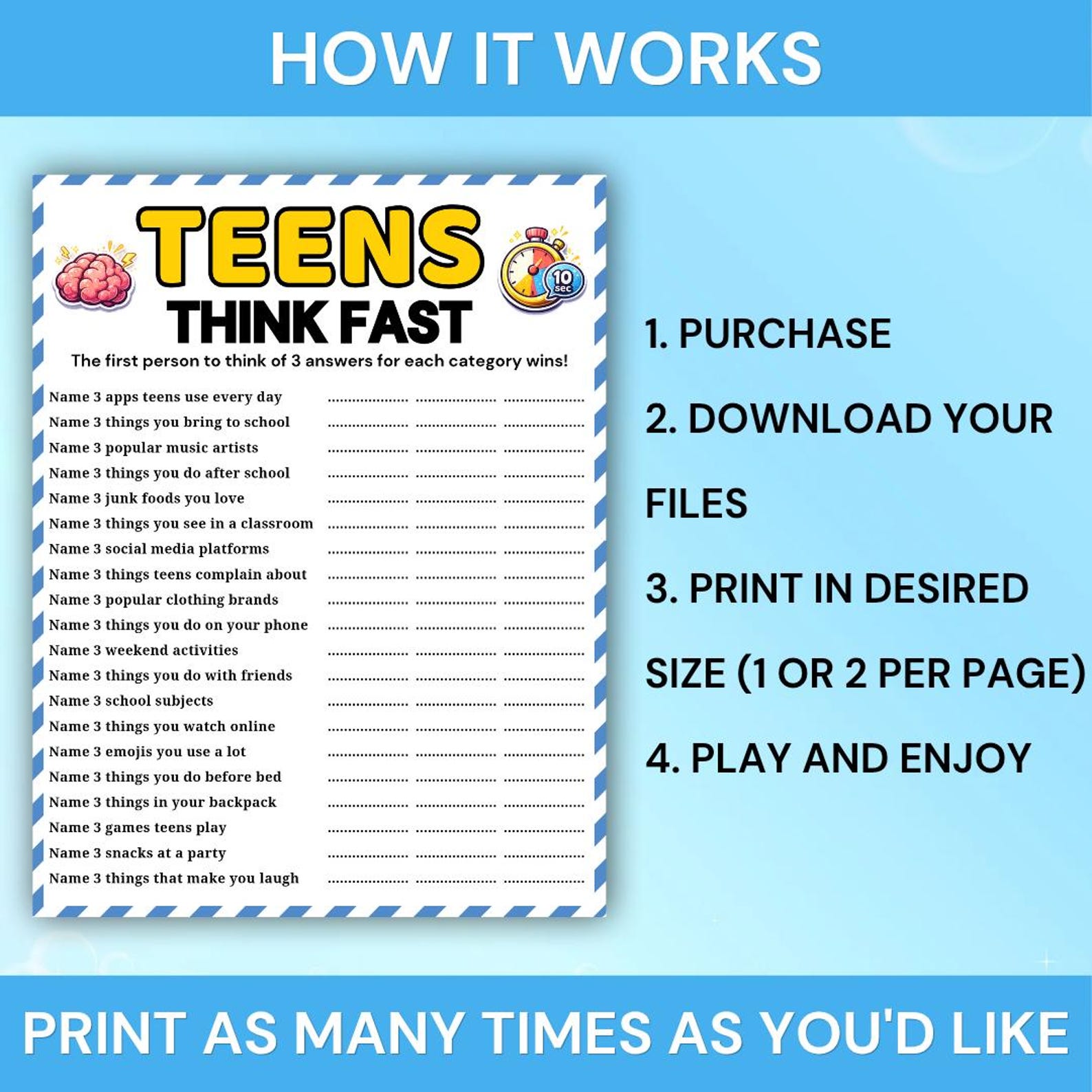
To help you get started, there are many printable resources available that can facilitate these games. Here are some ideas for downloadable content:
- Game Templates: Create your own strategy games or puzzles with templates that guide students through the game-building process.
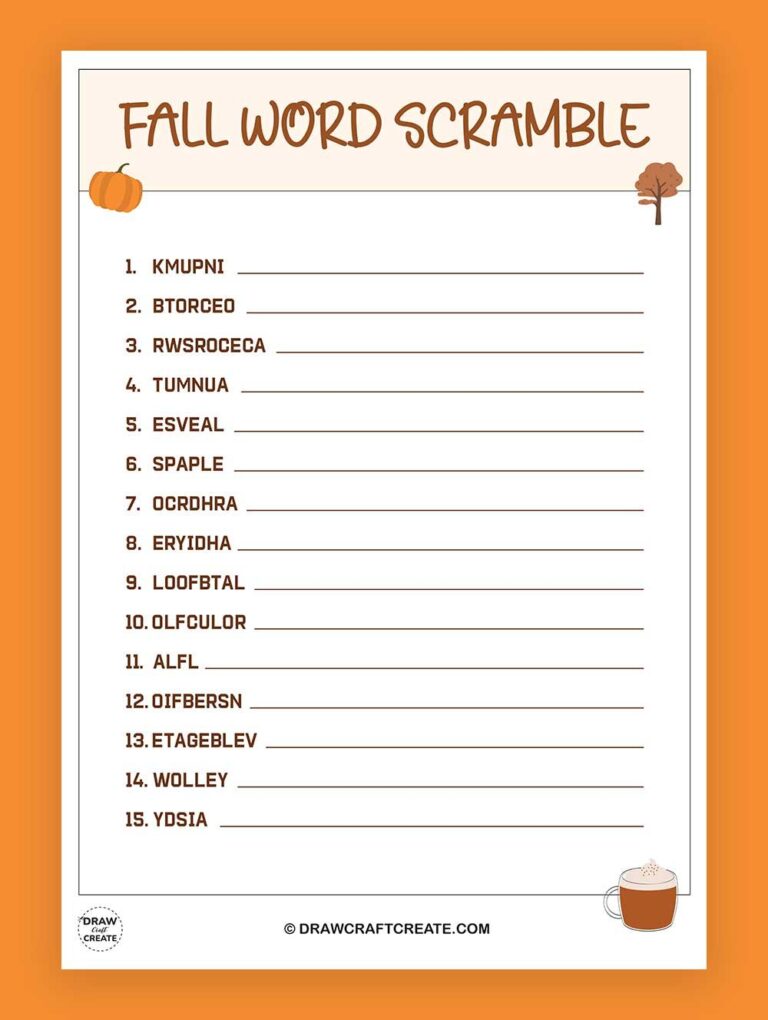
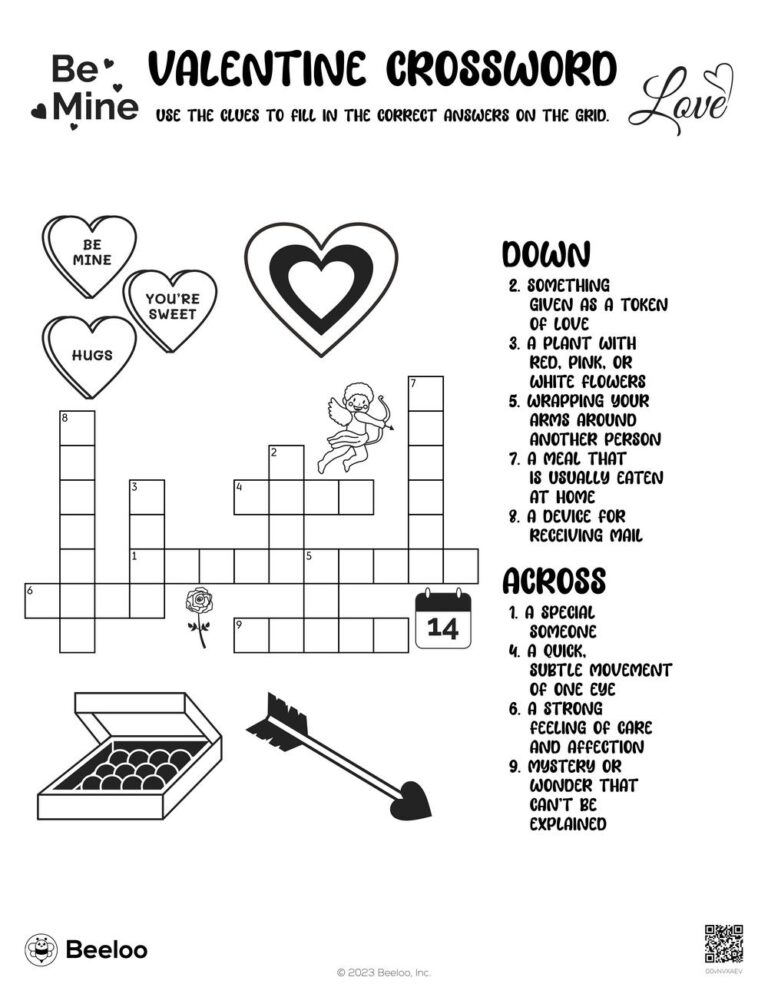
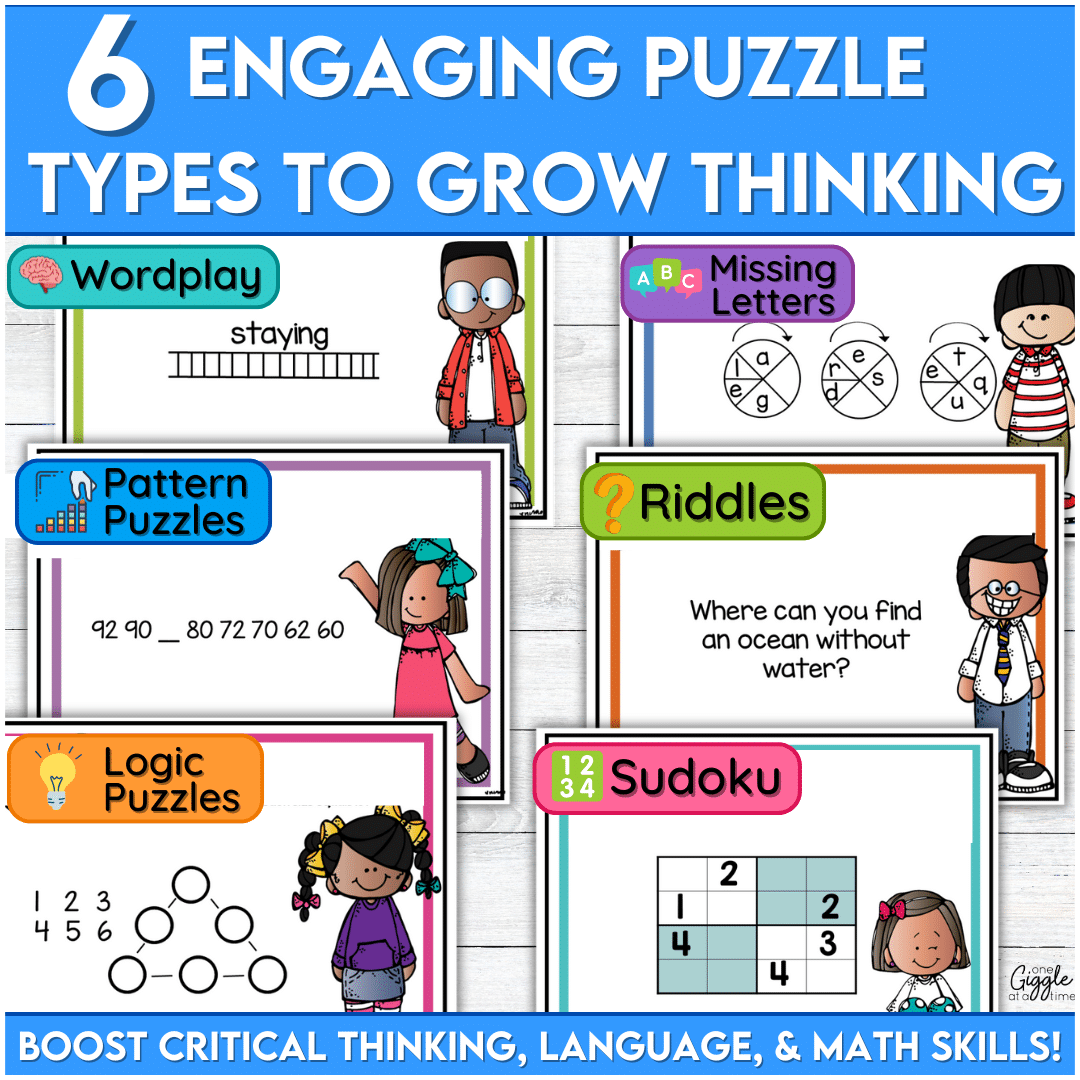
- Worksheets: Use worksheets that contain logic puzzles or riddles to reinforce problem-solving skills.
- Printable Scavenger Hunt Clues: Download ready-to-use clues or create your own based on specific topics, making scavenger hunts easier to implement.
How to Implement Problem Solving Games in the Classroom
Integrating problem solving games into your teaching can be straightforward and rewarding. Here are some practical steps to take:
- Choose the Right Game: Depending on your lesson objectives, select a game that aligns with your content area. For example, a math-based puzzle can reinforce numerical skills while enhancing problem-solving abilities.
- Set Clear Goals: Explain the objectives of the game to students. Are they working on teamwork? Critical thinking? Make sure they understand what skills they will be developing.
- Facilitate, Don’t Dominate: As a teacher, your role is to guide students rather than dictate the play. Allow them to explore solutions and support them in navigating challenges.
- Debrief After Gameplay: After the game, hold a discussion about what strategies worked, what didn’t, and what they learned. This reflection is crucial for reinforcing the skills developed during the game.
Tracking Progress With Problem Solving Games
Monitoring students’ progress when engaging with problem solving games can be beneficial. Here are some ways to assess their development:
- Observation: Take notes on how students interact during games. Are they communicating effectively? Are they demonstrating improved critical thinking skills?
- Reflection Journals: Have students keep journals where they can write about their experiences, challenges faced, and strategies used during games.
- Peer Feedback: Encourage students to give each other feedback on their collaboration and problem-solving approaches, fostering a supportive learning environment.
Utilizing problem solving games for teens can be a transformative approach to learning. By incorporating engaging activities that promote critical thinking, teamwork, and resilience, you can create a dynamic classroom environment. Downloading printable resources will help you facilitate these games effectively, making the learning experience fun and impactful. So, gather your materials, plan your games, and watch your students thrive as they tackle challenges together!