Printable Learning Activities For 3 Year Olds
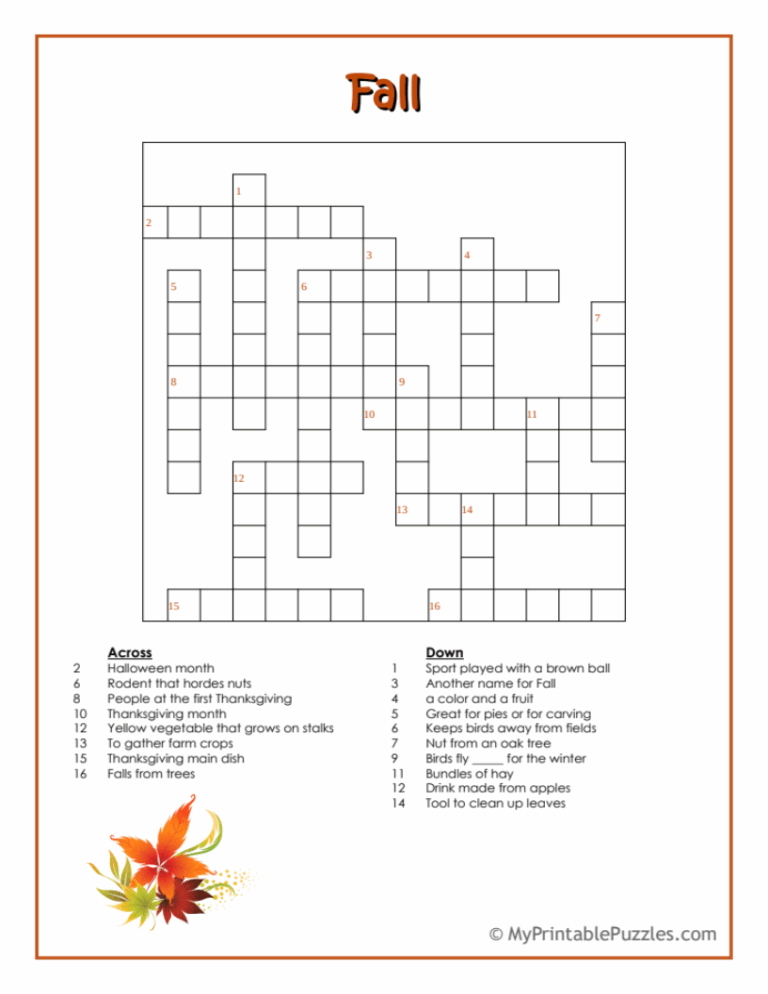
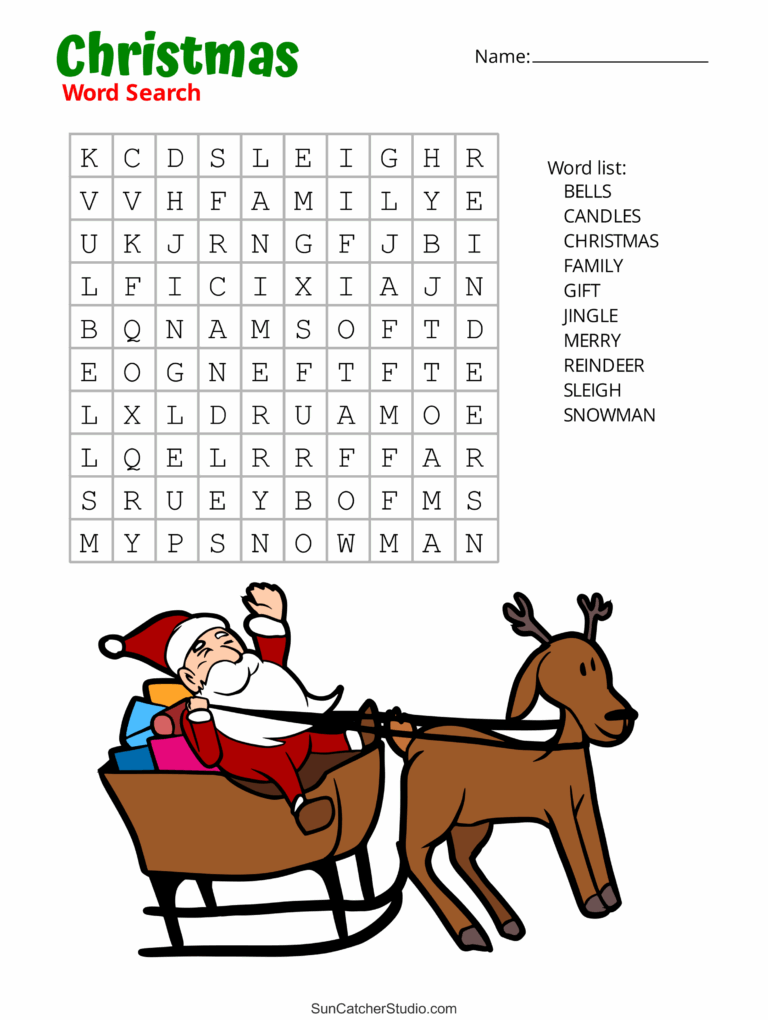
When it comes to engaging three-year-olds in learning, printable resources can be a useful option. Printable Learning Activities For 3 Year Olds are not just fun; they are essential tools for developing early skills in areas such as literacy, numeracy, and creativity. With easy-to-use templates and worksheets, you can create a stimulating environment for young learners right at home or in the classroom.
Selecting the Right Printable Learning Activities
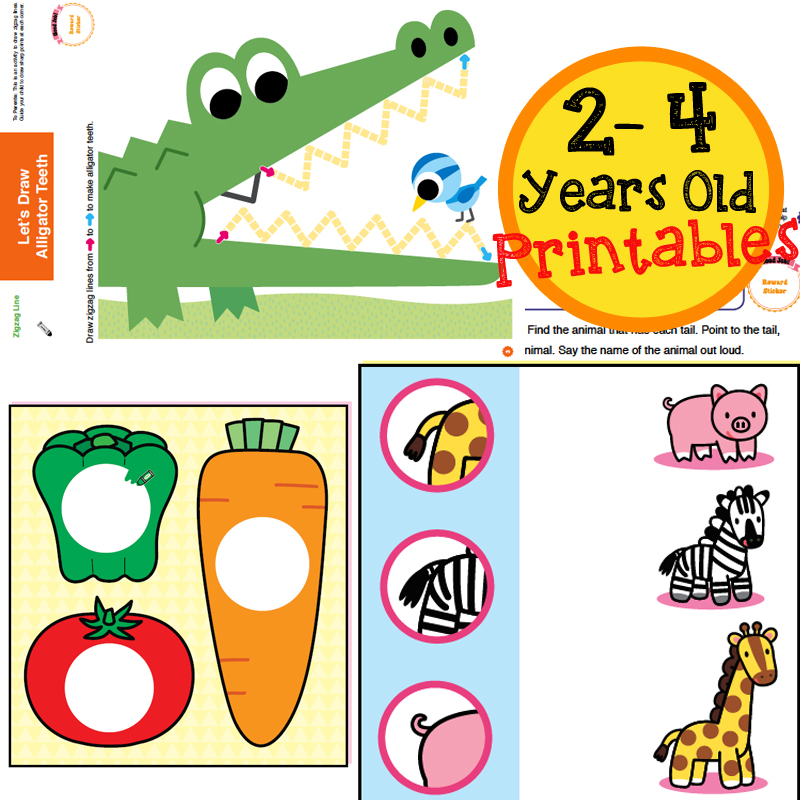
Before you start printing, it’s crucial to determine the types of activities that will best suit your young learners. Consider their interests, developmental levels, and the specific skills you want to target.
- Focus on Skill Development: Choose activities that promote various skills, such as:
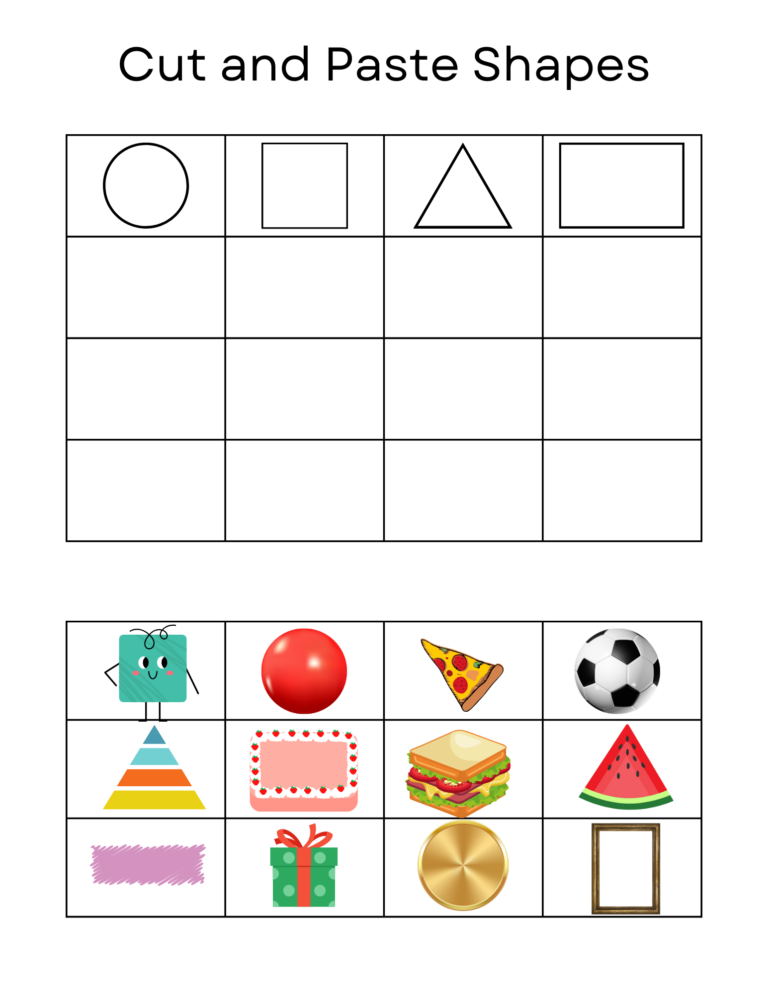
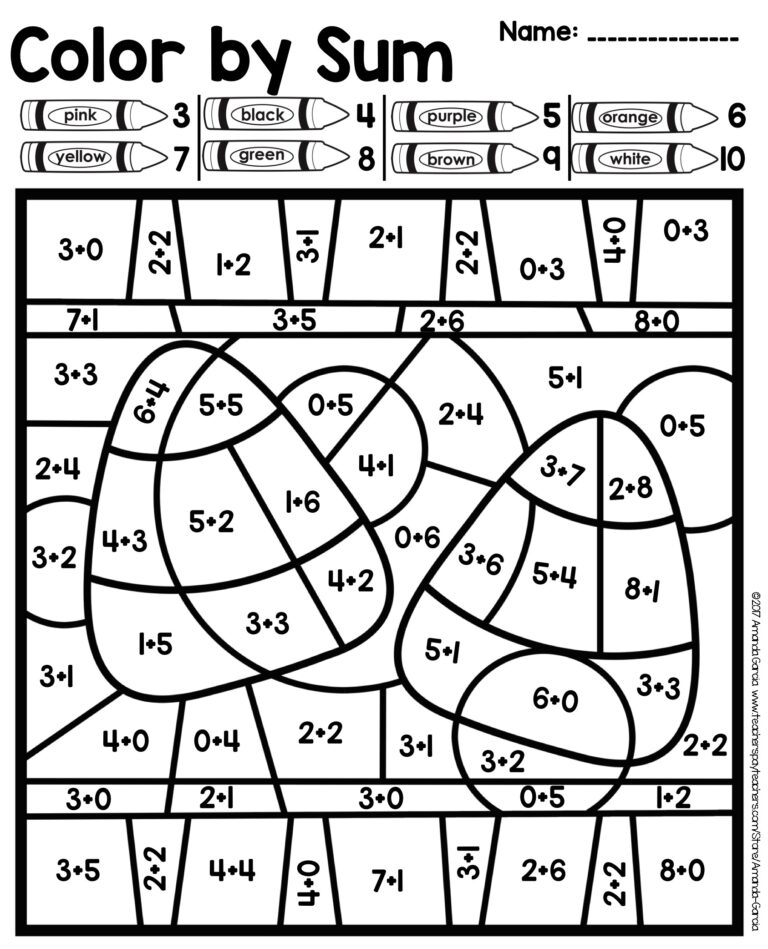
- Fine Motor Skills: Look for coloring pages and cut-and-paste worksheets.
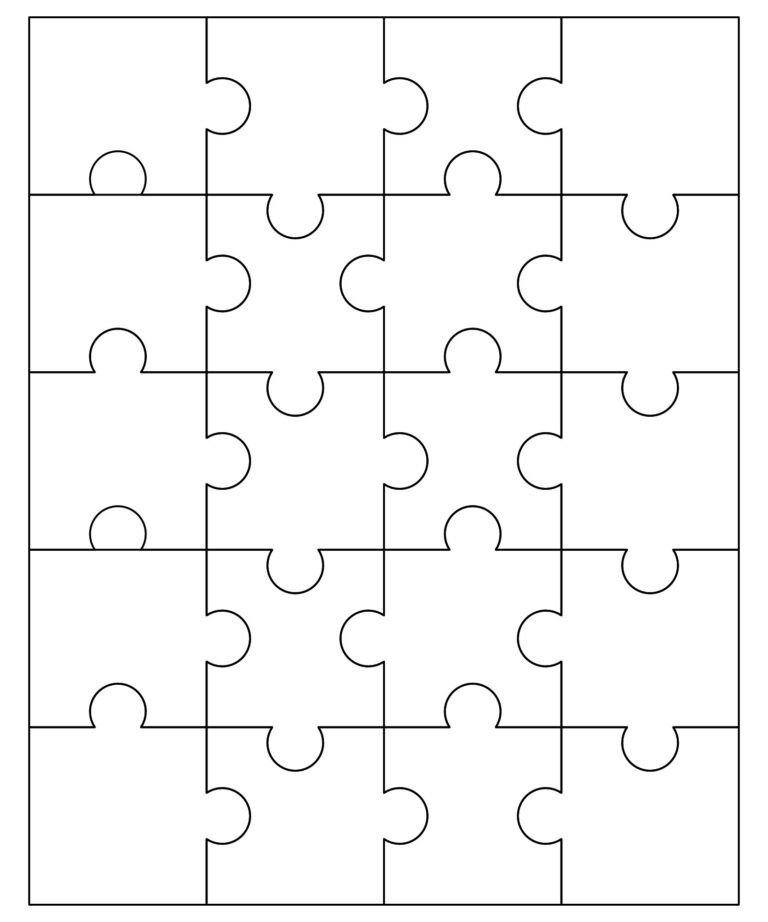
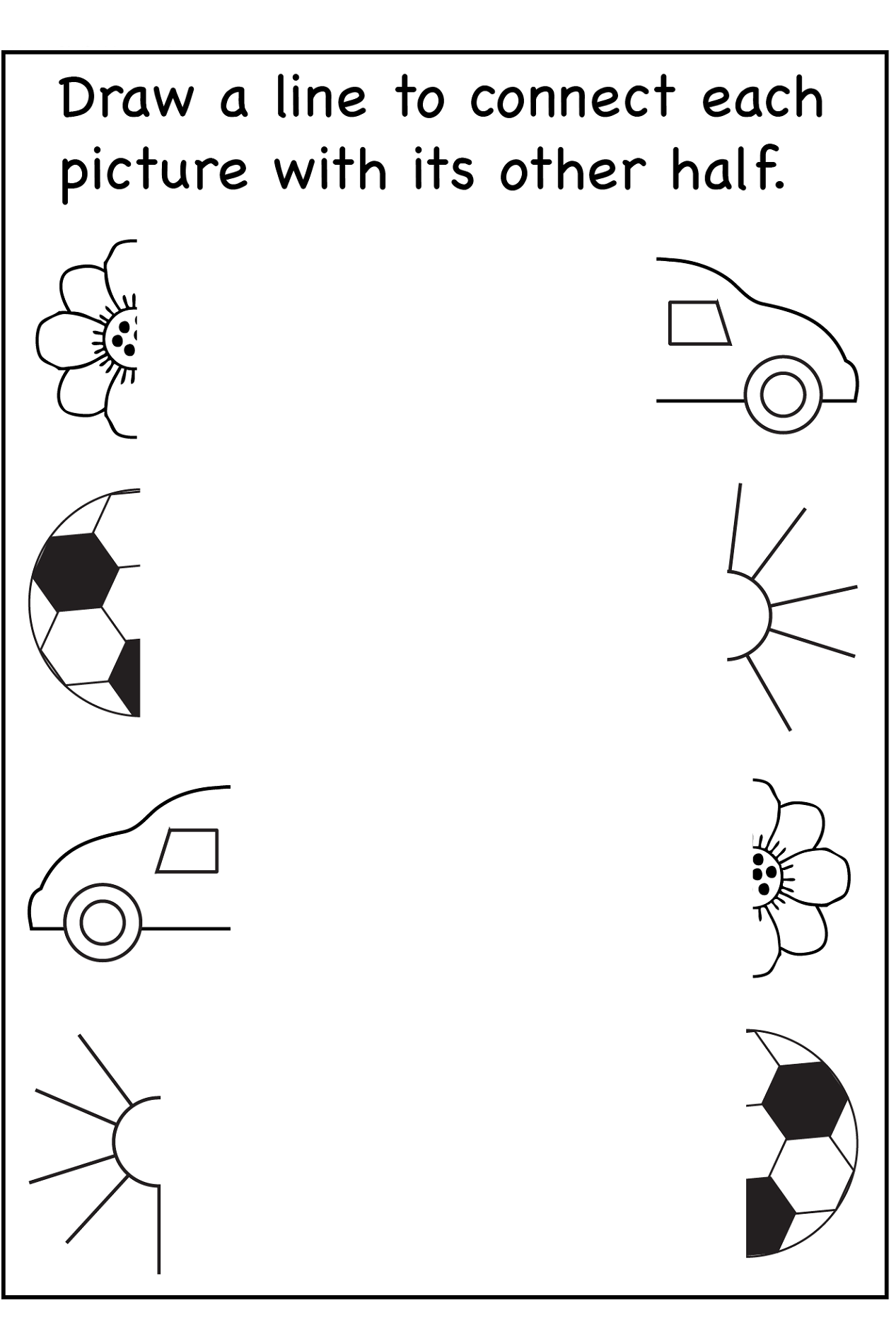
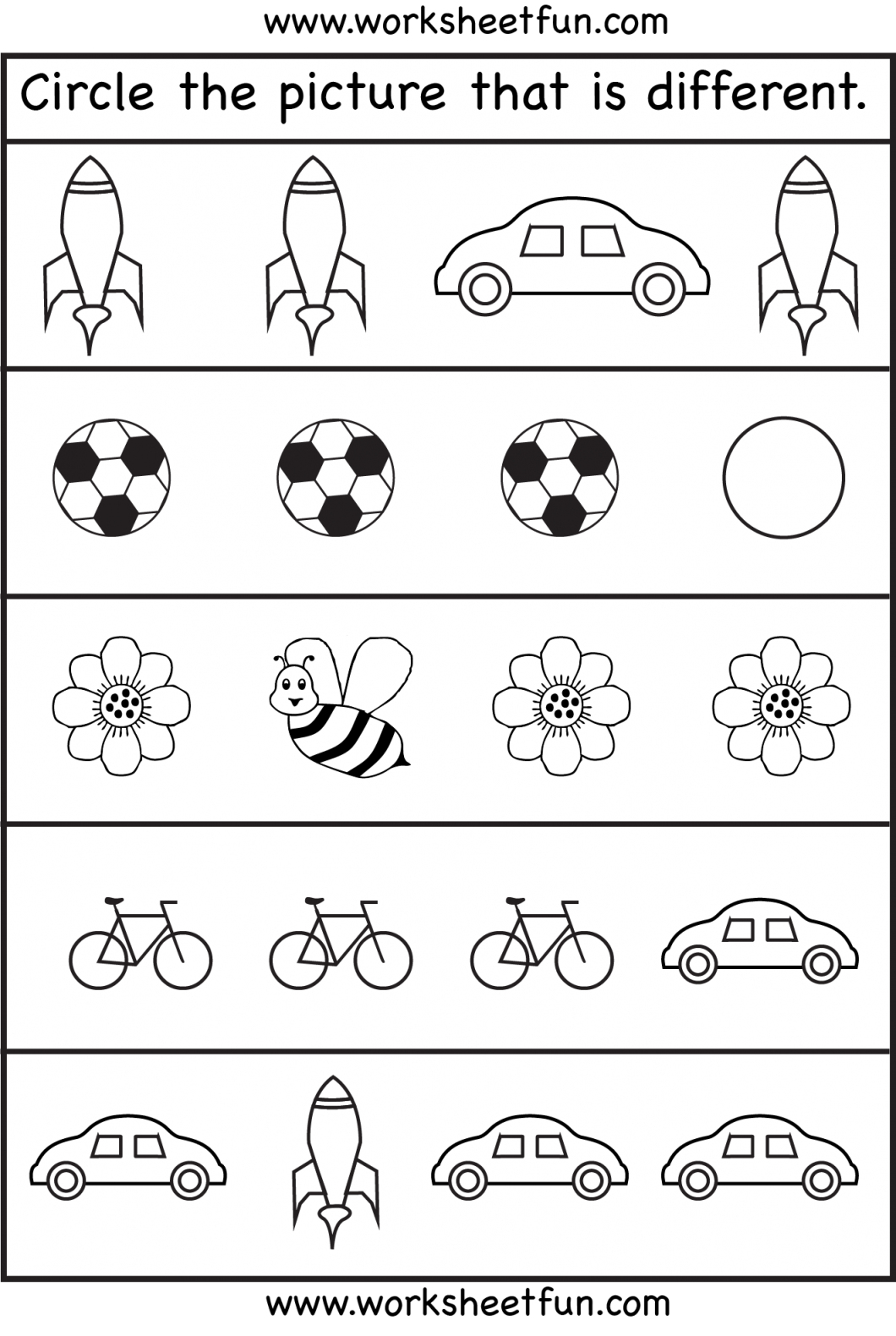
- Cognitive Skills: Puzzles and matching games can enhance problem-solving abilities.
- Language Skills: Story sequencing cards and alphabet worksheets are beneficial for vocabulary building.
- Engagement Level: Activities should be visually engaging and fun. Children are more likely to participate if the materials are colorful and interactive.
- Age Appropriateness: Ensure that the activities are designed for three-year-olds. Activities that are too complex can lead to frustration, while those that are too simple may not hold their interest.
Downloading and Printing Resources
Once you’ve selected the activities that align with your educational goals, it’s time to download and print them.
- Finding Resources: Look for reputable websites that specialize in educational printables. These often offer a wide range of materials tailored for early childhood education.
- Download Format: Most resources are available in PDF format, which is ideal for printing. This format ensures that the layout remains consistent across different devices and printers.
- Printer Settings: When printing, use the following settings for the best results:
- Paper Size: Standard letter size (8.5 x 11 inches) is most common.
- Quality: Set your printer to high-quality print mode for vibrant colors.
- Type of Paper: If you plan to laminate the materials for durability, use cardstock. This thicker paper holds up better to repeated use.
- Test Print: Before printing a large batch, do a test print to ensure everything appears as expected and fits well on the page.
Setting Up Learning Stations
After printing, organizing your materials into learning stations can enhance the learning experience. Here’s how to set them up effectively:
- Create Designated Areas: Set up different stations for various activities, such as a coloring corner, a reading nook, and a puzzle table. This separation helps children focus on one task at a time.
- Use Baskets or Bins: Store printables in labeled baskets or bins for easy access. This organization not only saves time but also encourages children to take ownership of their learning materials.
- Incorporate Time Limits: Young children benefit from structured time. Consider using a timer for each station to keep activities engaging and to encourage them to try different tasks.
- Interactive Elements: Enhance the learning experience by adding interactive elements. For example, include manipulatives like blocks or counting bears alongside math worksheets to make the concepts more tangible.
Engaging With the Activities
Now that your stations are set up, it’s time to engage with the activities. Here’s how to facilitate effective learning:
- Model the Activity: Demonstrate how to complete a worksheet or coloring page. Showing them what to do can reduce confusion and increase participation.
- Encourage Exploration: Allow children to express their creativity. If they want to color outside the lines or create their own designs on a worksheet, encourage that exploration.
- Provide Positive Feedback: Celebrate their efforts with praise and encouragement. Positive reinforcement boosts their confidence and motivates them to continue learning.
- Adapt as Needed: Be flexible with activities. If a child shows a particular interest or struggles with a task, be prepared to adapt. For instance, if they love dinosaurs, incorporate dinosaur-themed worksheets.
- Integrate Learning Across Subjects: Use the printables to connect different subjects. For example, after completing a coloring page, read a story related to the theme to reinforce learning.
Evaluating Progress and Learning
To ensure that the printable learning activities are effective, regularly evaluate the children’s progress. Here are some strategies:
- Observe Participation: Take note of which activities the children enjoy most and which ones they struggle with. This observation can guide future resource selection.
- Review Completed Work: Assess the worksheets and activities they complete. Look for improvements in skills like letter recognition or counting.
- Incorporate Feedback: Ask the children what they liked or didn’t like about the activities. Their feedback can provide valuable insights into their interests and engagement levels.
- Adjust Activities: Based on your observations and their feedback, adjust the activities as needed. This adaptability keeps the learning experience fresh and relevant.
- Share Progress with Parents: If you’re using these activities in a classroom setting, consider sharing progress with parents. This communication fosters a collaborative approach to their child’s education.
By incorporating these practical steps into your use of Printable Learning Activities For 3 Year Olds, you can create a rich, engaging learning environment that fosters growth and development. The key is to remain flexible and responsive to the needs and interests of your young learners. Remember, the most effective learning experiences are those that are enjoyable and interactive, allowing children to explore and discover at their own pace.