Printable Beginner Reading For Kindergarten
Getting kindergarten students excited about reading is crucial for their future success. Printable Beginner Reading For Kindergarten resources are designed to make learning fun, engaging, and effective. These resources can help young learners develop essential skills in phonics, word recognition, and comprehension. Here’s how you can integrate these printables into your teaching routine.
Types of Printable Resources for Beginners
When searching for beginner reading resources, you’ll encounter various types. Each offers unique benefits that cater to different learning styles. Here are some popular formats:
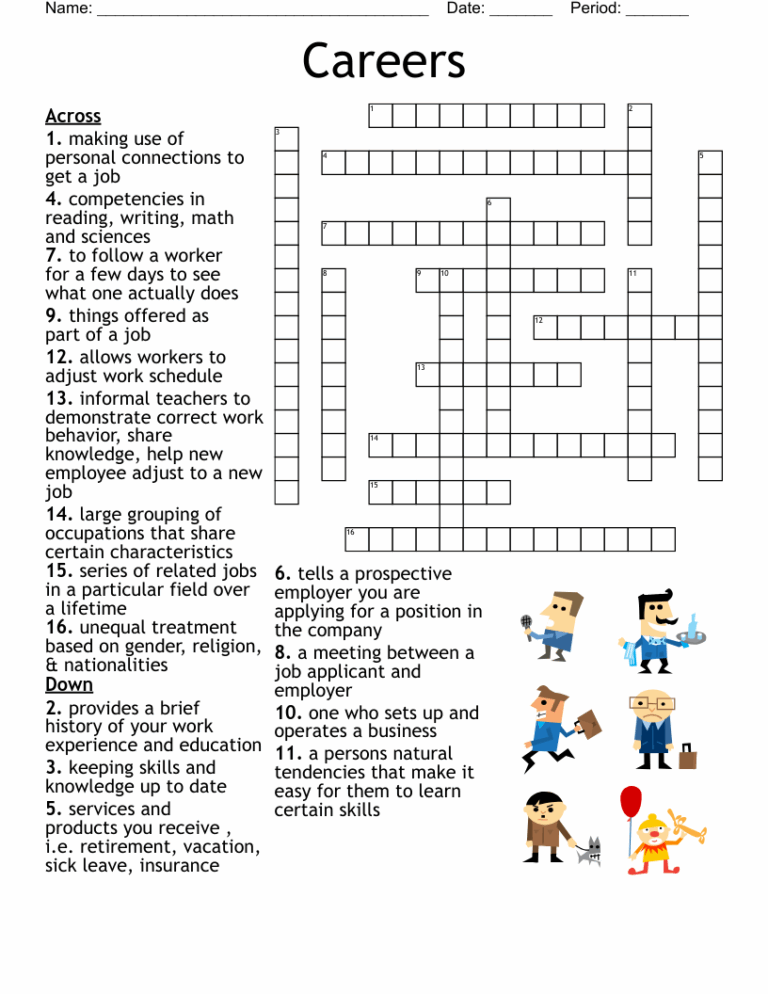
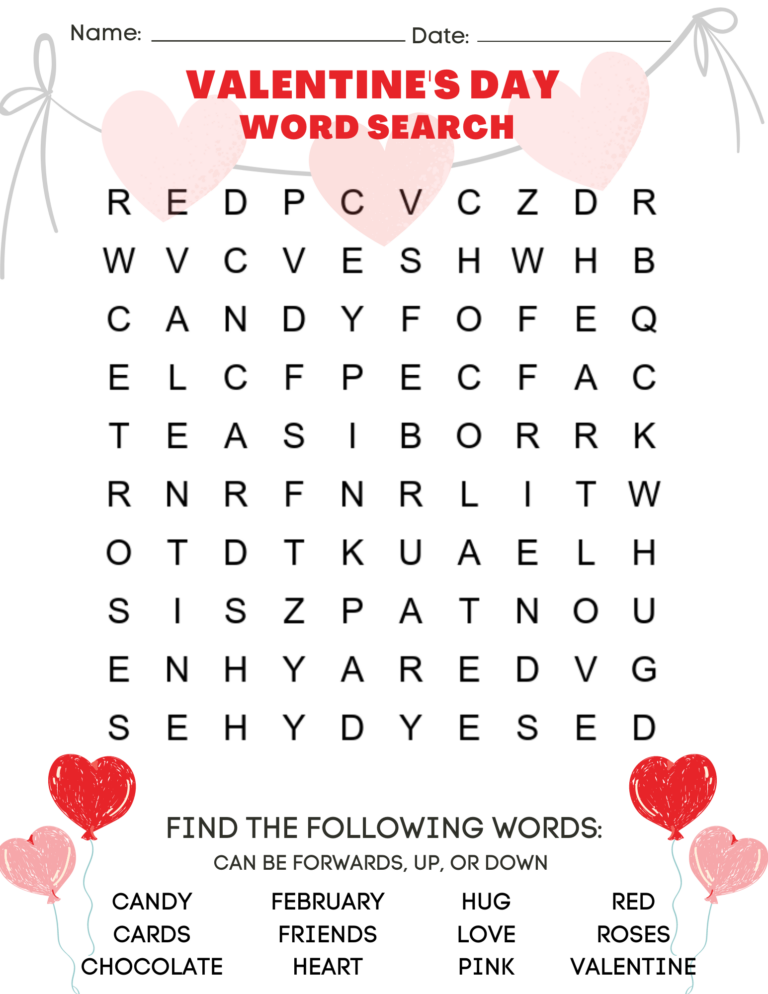
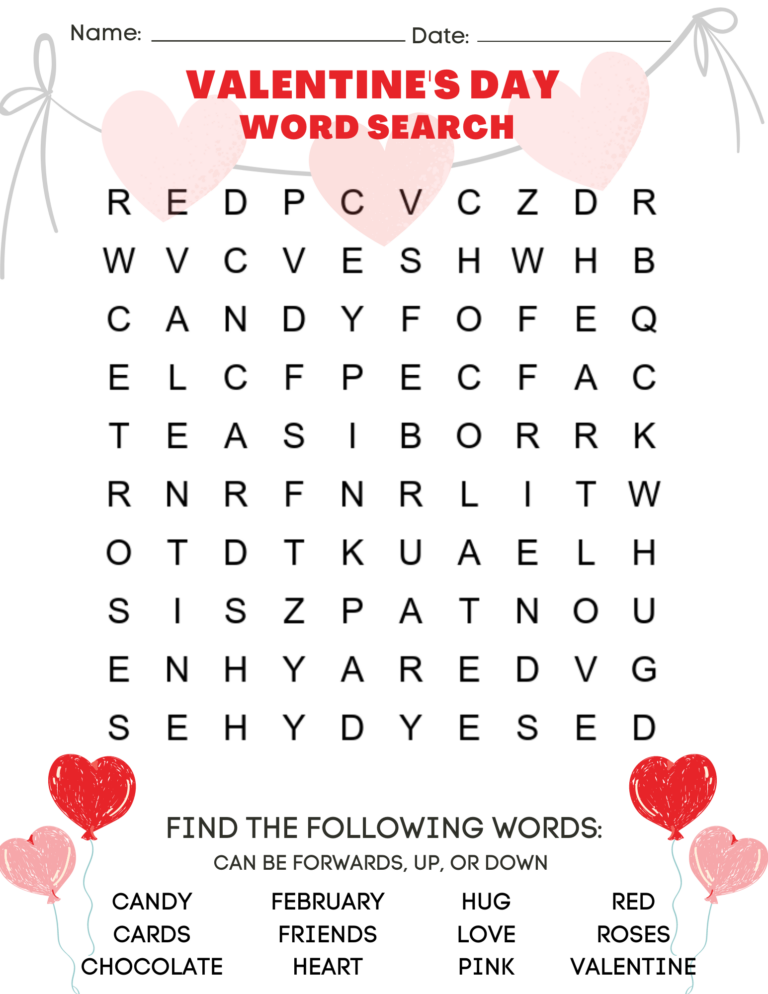
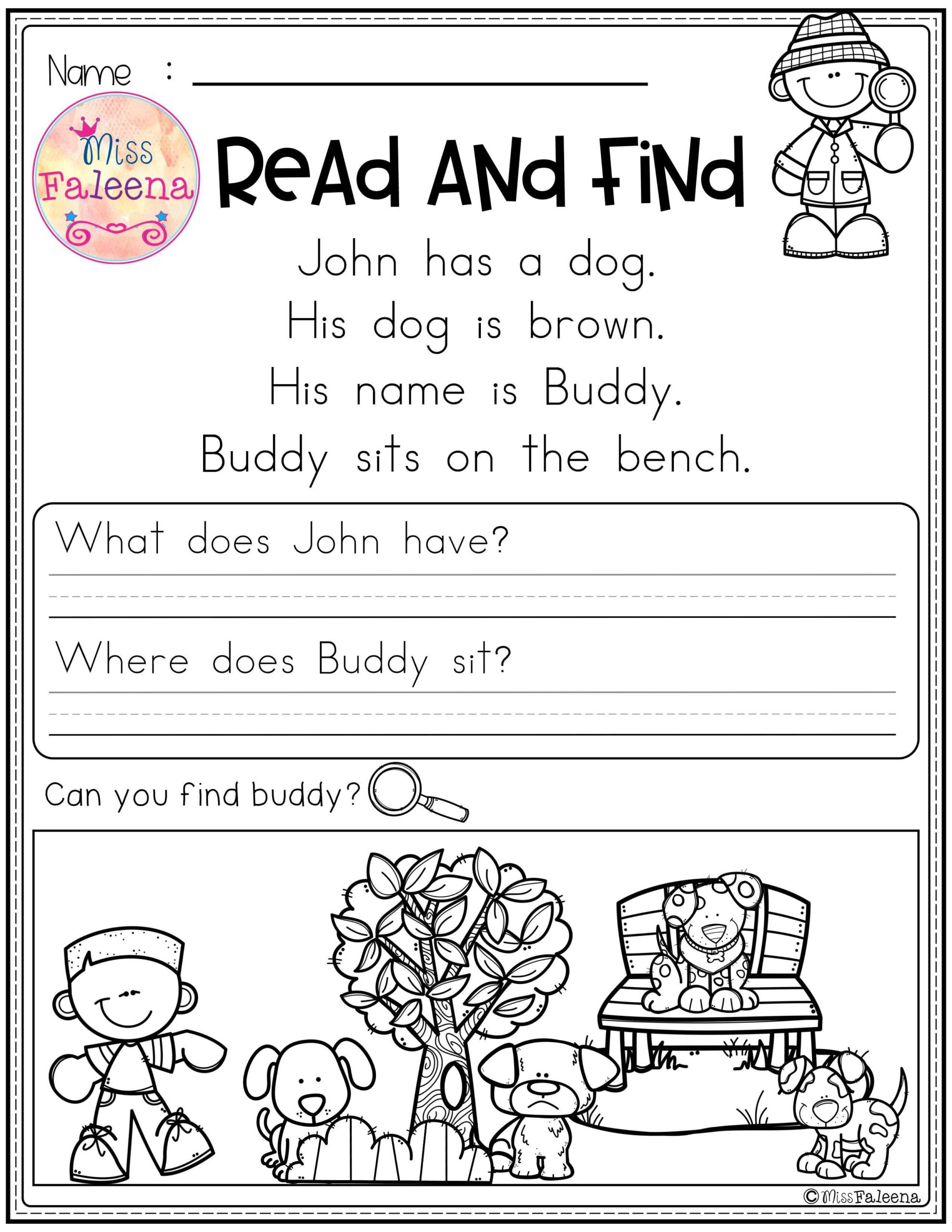
- Worksheets: These often include exercises for letter recognition, simple words, and sentence formation.
- Flashcards: Ideal for quick learning and memorization, flashcards can help reinforce vocabulary and sight words.
- Coloring Pages: These can be paired with reading activities, allowing students to express creativity while learning.
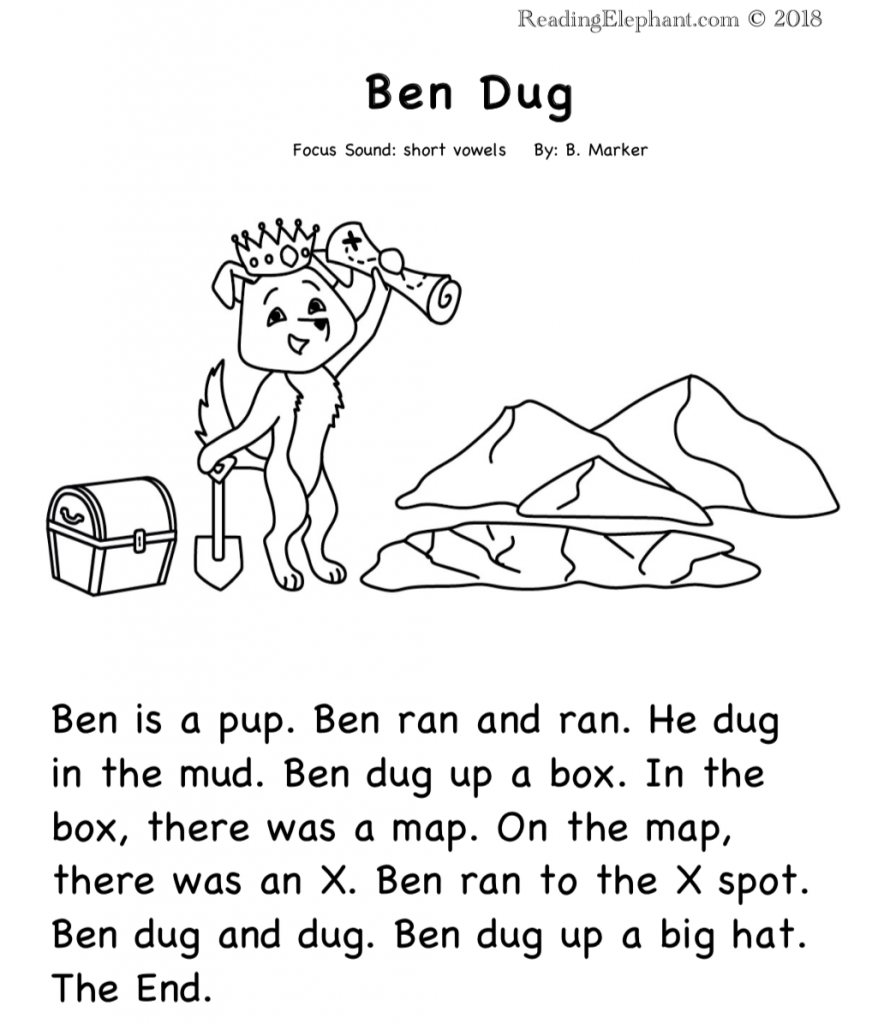
- Story Cards: Short stories with visual aids can enhance comprehension and make reading a shared experience.
- Printable Books: Simple, short books that children can read independently or with assistance.
How to Use Printable Beginner Reading Resources
Integrating printable resources into your classroom requires some planning. Here are practical ways to incorporate them effectively:
Daily Reading Routine
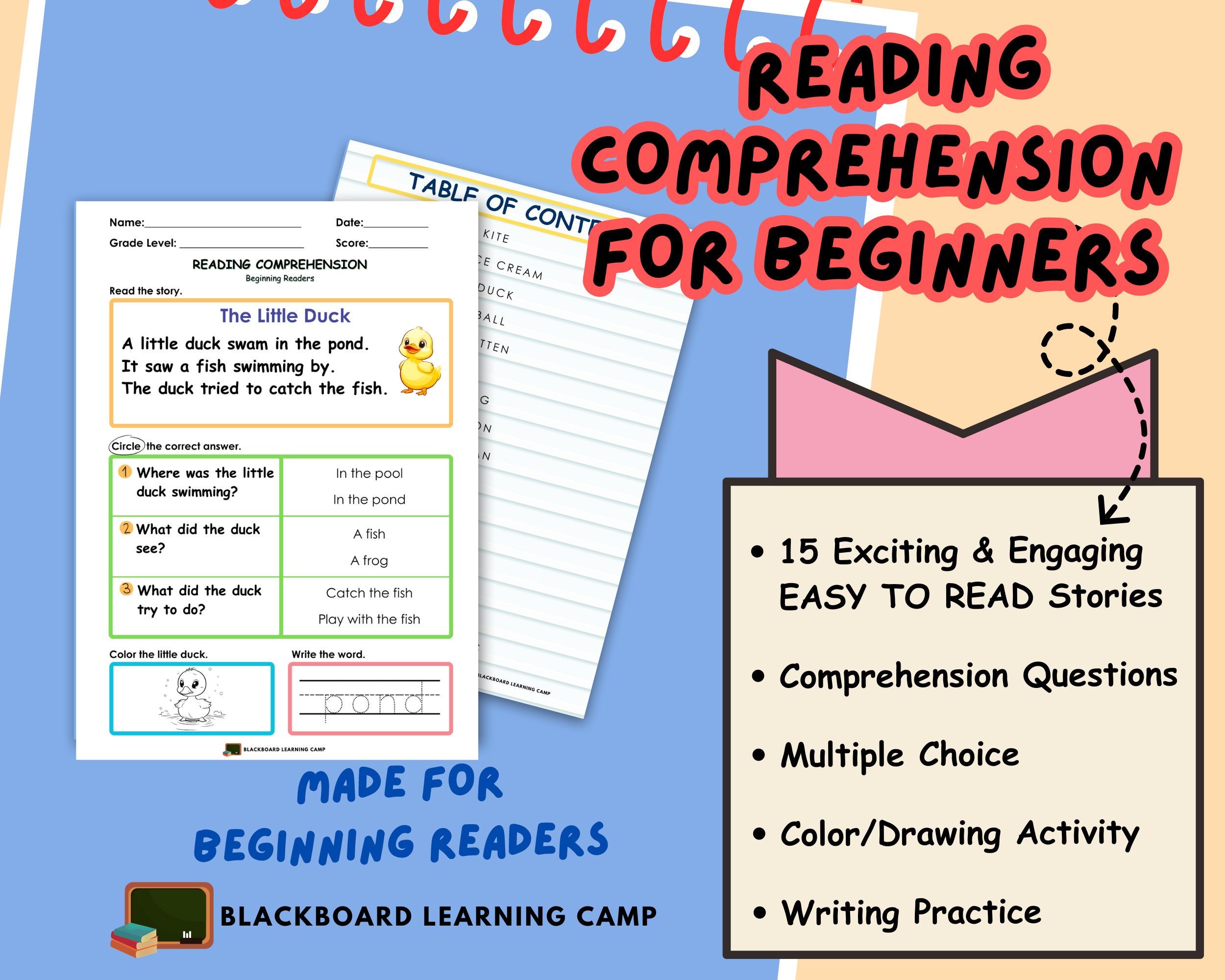
Establish a daily reading time where students can engage with printable materials. Use worksheets for individual practice and story cards for group readings. This routine not only builds reading skills but also fosters a love for books.
Thematic Units
Consider creating thematic units around holidays, seasons, or animals. Use coloring pages and worksheets that align with these themes. For instance, during spring, you might use worksheets focusing on flowers and animals, coupled with related stories.
Centers and Stations
Set up reading centers in your classroom. Each center can feature different types of printables. One station might have flashcards for practicing sight words, while another has story cards for paired reading. This variety keeps students engaged and allows for differentiated learning.
Parent Involvement
Encourage parents to participate by sending home printable resources. Provide instructions on how to use them effectively. This not only reinforces classroom learning but also fosters a home-school connection.
Benefits of Using Printable Beginner Reading Resources
Utilizing printable beginner reading resources offers numerous advantages:
- Engagement: Colorful, interactive materials capture children’s attention and make learning enjoyable.
- Flexibility: You can easily adjust the difficulty level by selecting printables that suit each child’s needs.
- Cost-Effective: Many printables are available for free or at a low cost, making them accessible for all teachers and parents.
- Immediate Use: Printable resources can be downloaded and used right away, providing instant support for your reading program.
Popular Printable Beginner Reading Resources
Here are a few recommended printable beginner reading resources to enhance your classroom:
- Phonics Worksheets: These worksheets focus on letter sounds and help students connect letters to words.
- Sight Word Flashcards: A must-have for young readers, these cards help reinforce frequently used words.
- Interactive Storybooks: These books allow children to follow along as they read, promoting engagement.
- Coloring Worksheets: Combine art and literacy by using themed coloring pages that correlate with reading lessons.
Tips for Printing and Using Resources
To ensure your printables are effective, keep these tips in mind:
- Print Quality: Use a high-quality printer for clear images and text. This makes the materials more appealing to young learners.
- Paper Choice: Consider using cardstock for durability, especially for flashcards and frequently used worksheets.
- Accessibility: Ensure all resources are easy to access and organized in your classroom. This will save time during lessons.
- Laminating: For items you plan to reuse, laminate them to extend their lifespan and maintain quality.