Print Out Letters To Trace
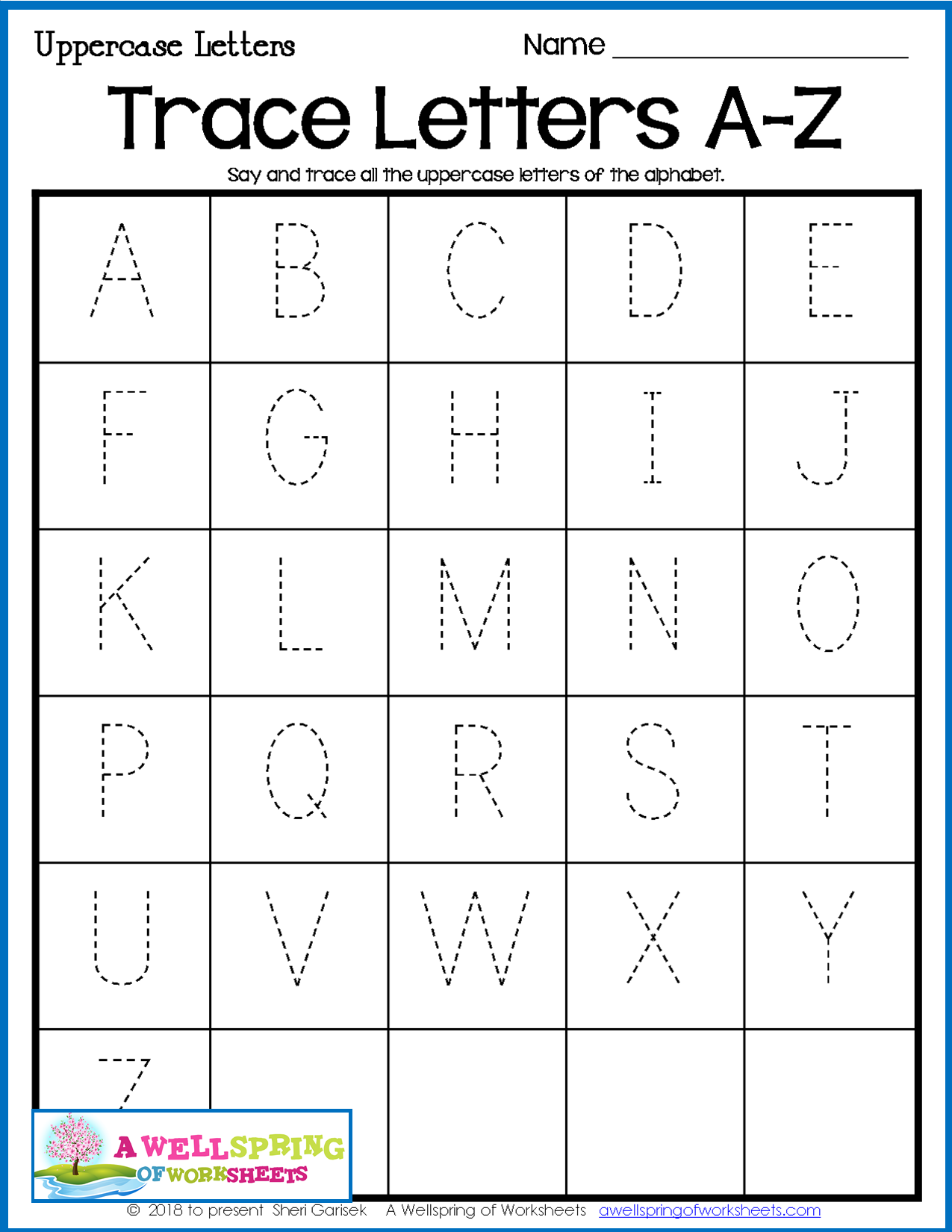
When you’re looking to improve children’s handwriting and letter recognition, resources that allow you to print out letters to trace are invaluable. These printable templates serve as a practical tool for teachers and parents alike, providing a hands-on approach to learning. Kids can practice their writing skills in a fun and engaging manner, which is crucial for reinforcing their learning at home or in the classroom.
Understanding the Importance of Tracing Letters
Tracing letters is more than just a fun activity; it plays a significant role in developing fine motor skills and hand-eye coordination. As children trace letters, they learn the correct formation of each character, which lays the groundwork for fluent writing later on. This method also enhances their cognitive understanding of letters, helping them distinguish between different shapes and sounds.
Who Can Benefit From Tracing Templates?
These tracing templates are particularly beneficial for preschool and kindergarten students who are just beginning their writing journey. However, they can also serve older children who may need extra practice or those learning English as a second language. The versatility of these resources allows them to cater to various learning needs and styles.
How to Use Print Out Letters to Trace
Using printable letters for tracing is straightforward. Here’s how you can effectively implement these resources:
- Choose the Right Templates: Depending on the child’s skill level, you may want to select templates that feature uppercase, lowercase, or both types of letters. Some templates even include dotted lines for children to follow, making it easier for beginners.
- Print and Prepare: For best results, print the templates on sturdy paper. Cardstock is an excellent choice if you plan to laminate the sheets for repeated use. Adjust your printer settings to ensure clear, crisp lines, which will make tracing easier.
- Incorporate Various Writing Tools: Encourage children to use different writing tools such as crayons, markers, or pencils. This variety not only makes the activity more enjoyable but also helps them explore different grip styles.
- Create a Routine: Establish a regular routine for tracing letters. Consistency will help reinforce learning and make it a part of their daily activities. You might want to dedicate a specific time each day for this practice.
Engaging Activities With Tracing Templates
To enhance the learning experience, consider incorporating these tracing templates into fun activities. Here are a few ideas:
- Alphabet Games: After tracing, turn the letters into a game by asking children to identify objects that start with the traced letter. For example, after tracing the letter “A,” they can think of “apple” or “ant.”
- Artistic Creations: Encourage creativity by having children decorate their traced letters with stickers, drawings, or colors. This not only reinforces their connection to the letters but also makes the activity more personalized.
- Storytelling: After practicing the letters, have the children come up with a short story that includes words starting with those letters. This activity promotes vocabulary development and enhances their understanding of language.
Where to Find Printable Tracing Letters
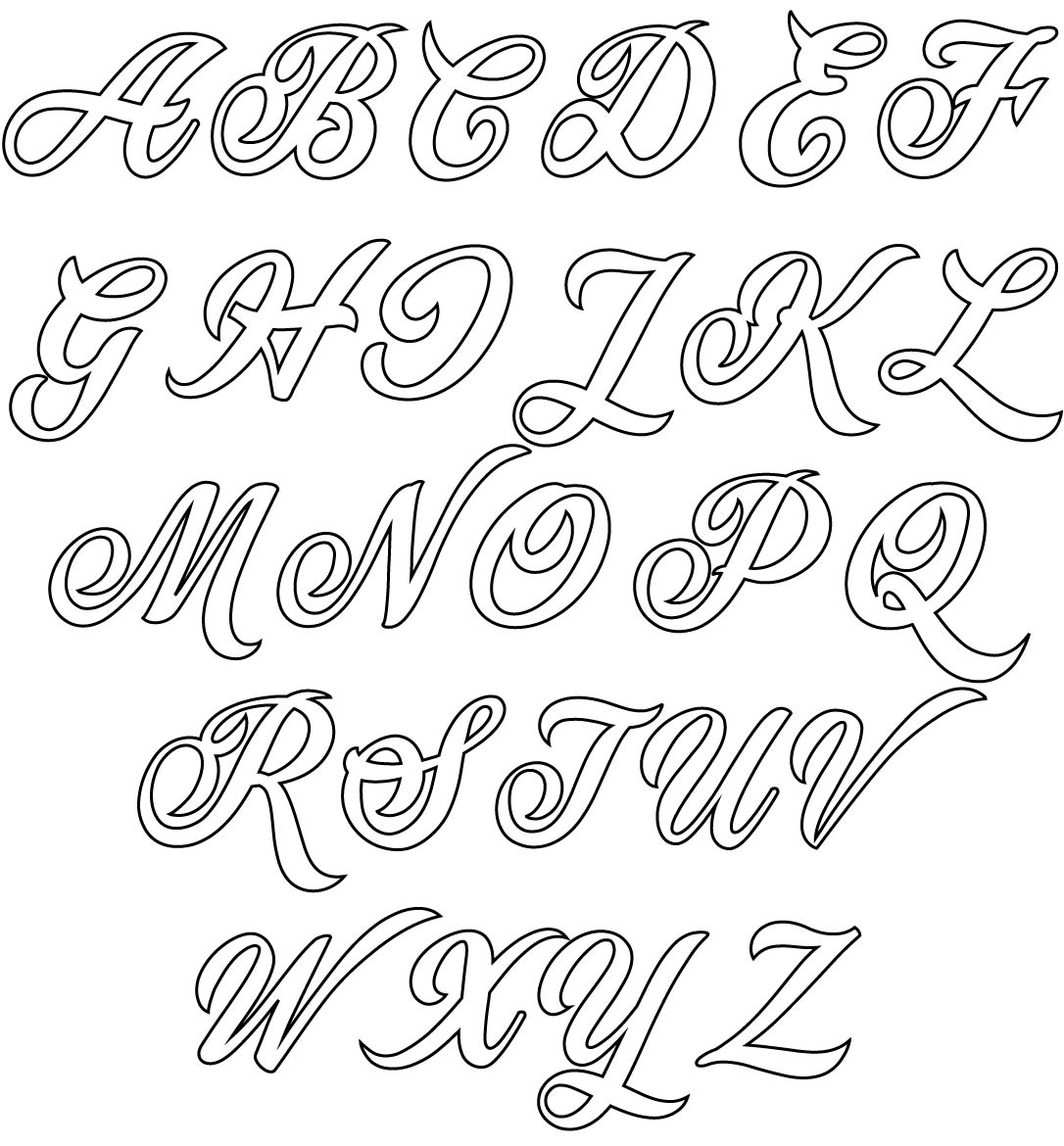
There are numerous online resources where you can find free or low-cost printable letters to trace. Websites dedicated to educational materials often have extensive libraries of templates. Look for sources that allow you to customize the size of the letters or choose between different styles, such as cursive or print.
When selecting a site, check for user reviews or testimonials to ensure the quality and effectiveness of the templates. Some websites also offer additional resources, such as worksheets and activity guides, which can complement your tracing activities.
Adapting Tracing Activities for Different Learning Styles
Every child learns differently, and adapting tracing activities to meet these varied learning styles can enhance their effectiveness. Here are a few approaches:
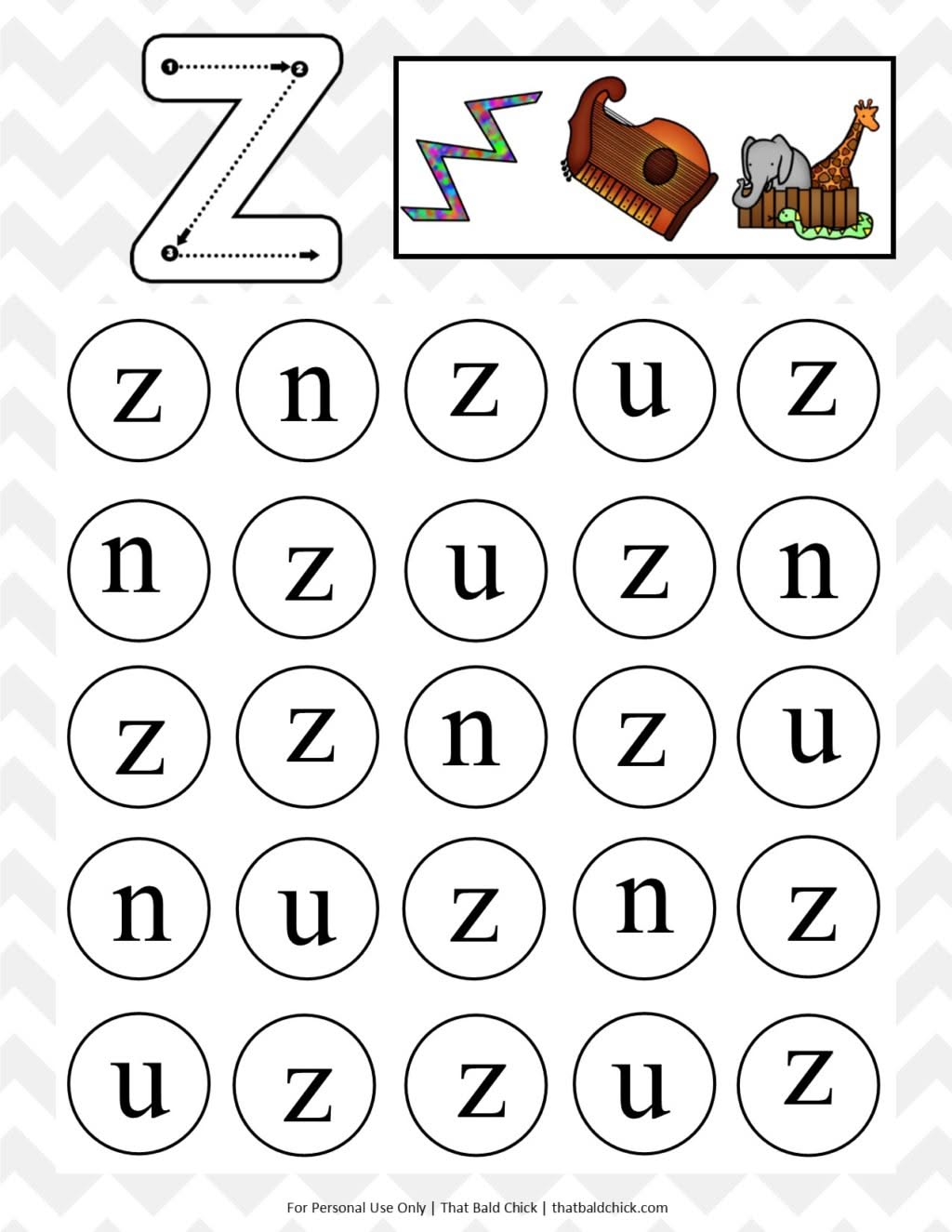
- Visual Learners: Use colorful templates that feature illustrations associated with each letter. These visuals can help children associate letters with their sounds more effectively.
- Kinesthetic Learners: For children who learn best through movement, consider using sand, rice, or finger paint to trace letters. This tactile experience can reinforce their learning in a memorable way.
- Auditory Learners: Incorporate songs or rhymes associated with letters to engage auditory learners. Singing the alphabet or reciting letter sounds while tracing can enhance their retention.