Online Dictionary With Audio Pronunciation
Using an Online Dictionary With Audio Pronunciation can significantly enhance your teaching experience, especially when it comes to helping students grasp the nuances of language. This resource is invaluable for educators who want to ensure their students not only understand the meanings of words but also how to pronounce them correctly. In this guide, we’ll explore how to effectively utilize this tool in your classrooms.
Understanding the Features of Online Dictionaries
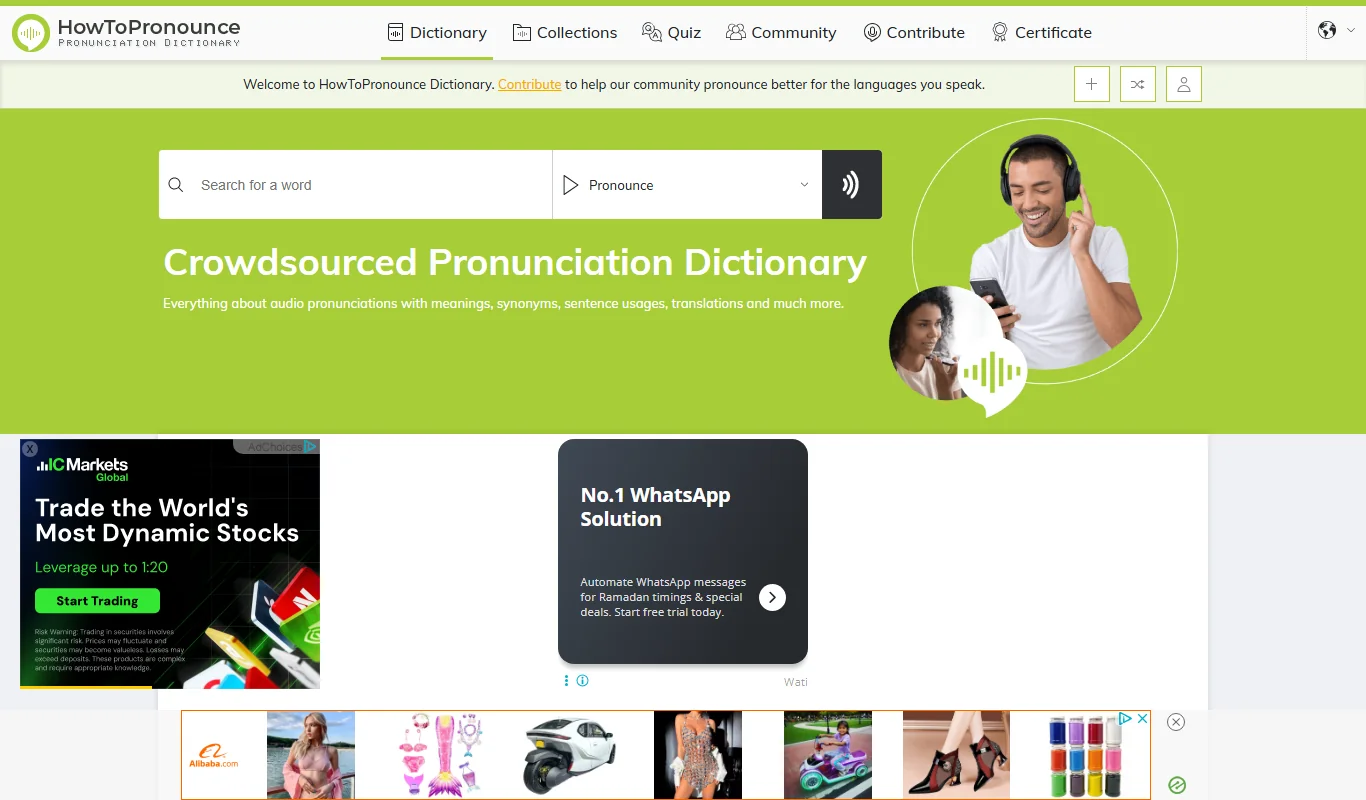
An online dictionary with audio pronunciation typically includes several key features that are beneficial for both teachers and students. These features often include:
- Audio Pronunciation: Hearing a word pronounced correctly is crucial for language learners. This feature allows students to listen to native speakers, which helps them develop their own pronunciation skills.
- Definitions and Examples: Most online dictionaries provide not only definitions but also example sentences that show how words are used in context. This is particularly helpful for ESL students.
- Phonetic Transcriptions: Some dictionaries include phonetic spelling, which can aid learners who are familiar with phonetic alphabets.
- Search Functionality: The ability to quickly search for words makes these dictionaries user-friendly and efficient.
When choosing an online dictionary for your classroom, consider these features to determine which resource best meets your students’ needs.
How to Integrate Into Lesson Plans
Integrating an online dictionary with audio pronunciation into your lesson plans can enhance vocabulary instruction and improve language acquisition. Here are some practical ways to do this:
Vocabulary Building Activities
Consider incorporating vocabulary building exercises that require students to use the online dictionary. You might assign them to look up new words, listen to their pronunciations, and then create sentences using those words. This can be done as an individual or group activity.
Pronunciation Practice
Set aside time for pronunciation practice using the audio features of the dictionary. Play the pronunciation for students and have them repeat after it. This can also be a fun game where students take turns guessing the word based on its audio pronunciation.
Homework Assignments
For homework, ask students to choose a set number of new words to look up. They should listen to the pronunciation and write down the definitions and an original sentence for each word. This reinforces their learning and encourages independent study habits.
Recommended Online Dictionaries
There are several reliable online dictionaries available, each with its unique offerings. Here are a few that are particularly useful for educators:
- Merriam-Webster: Known for its comprehensive definitions and audio pronunciations, this dictionary is a staple in many classrooms.
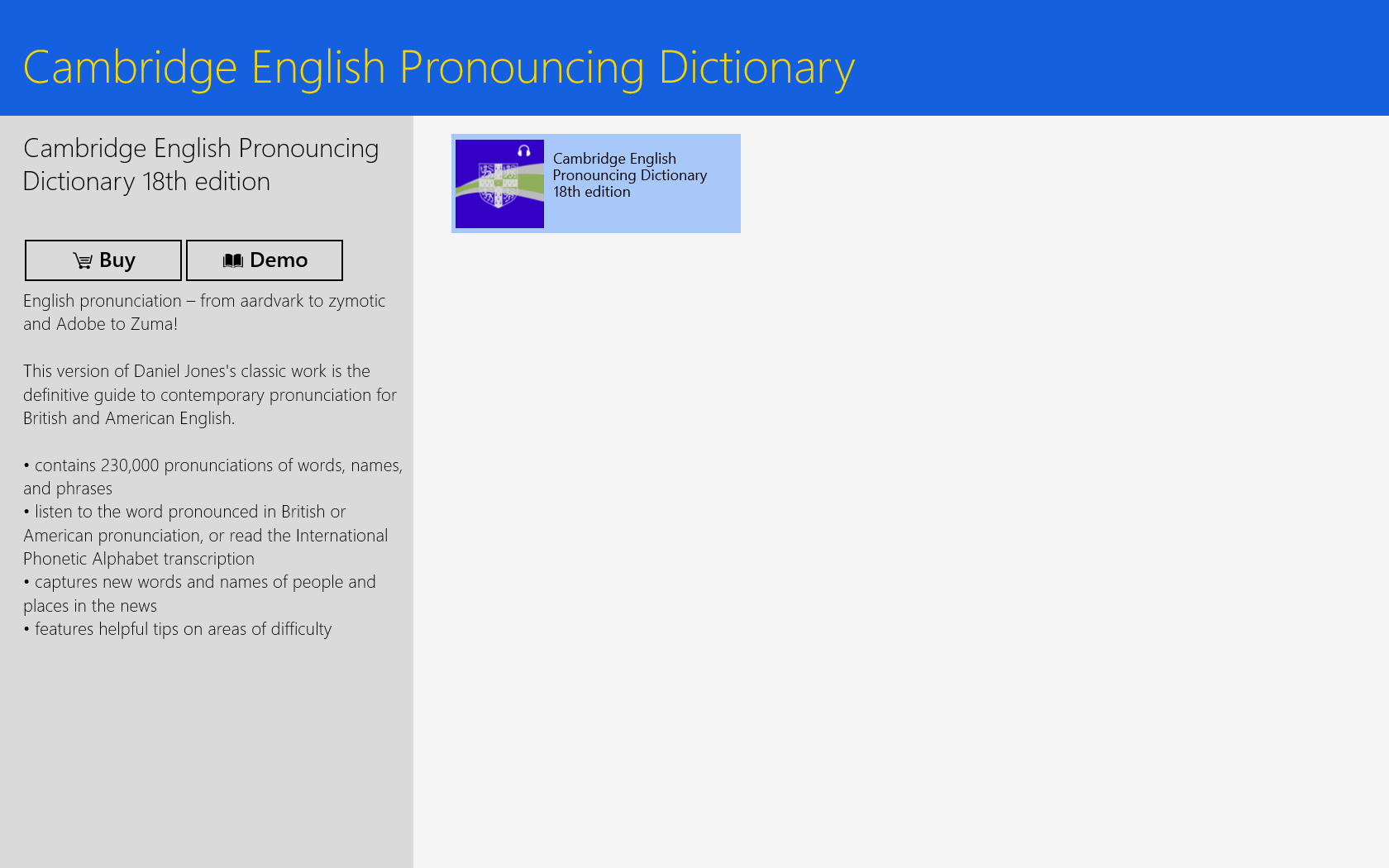
- Cambridge Dictionary: Offers clear audio pronunciations and examples in both British and American English, making it great for ESL learners.
- Dictionary.com: Provides a user-friendly interface with audio pronunciations and a wide range of vocabulary resources.
When selecting a dictionary, ensure it aligns well with your curriculum and the specific needs of your students.
Best Practices for Using Online Dictionaries
While online dictionaries are excellent resources, there are best practices to keep in mind to maximize their effectiveness in your teaching:
- Teach Students How to Use It: Spend time demonstrating how to navigate the online dictionary, including how to search for words and listen to pronunciations. This can save time later and empower students to use the resource independently.
- Encourage Regular Use: Promote the habit of using the dictionary as part of daily learning. You might remind students to consult it whenever they encounter unfamiliar words in their reading or writing.
- Incorporate Technology: If your classroom has access to technology, consider using the online dictionary during lessons. This can be done through smartboards or individual student devices, making the resource interactive.
Addressing Common Challenges
While using an online dictionary with audio pronunciation is beneficial, some challenges may arise. Here’s how to address them:
- Technical Issues: Ensure that students know how to troubleshoot common problems, such as sound issues or connectivity problems. Teaching them basic tech skills can prevent frustration during lessons.
- Over-Reliance: Some students may rely too heavily on the dictionary for every unfamiliar word. Encourage them to try to deduce meanings from context clues first before looking them up. This promotes critical thinking and comprehension skills.
If you notice that students are struggling, consider revisiting the basics of dictionary use and integrating more comprehensive vocabulary strategies into your instruction.
Using an online dictionary with audio pronunciation can transform how students engage with language, making vocabulary acquisition a more interactive and enjoyable process. By effectively integrating this resource into your teaching strategies, you’ll help your students become more confident and capable communicators.