Looking Up Words In A Dictionary
Looking up words in a dictionary is a fundamental skill that enhances vocabulary and language comprehension. For teachers and homeschool parents, providing students with effective resources to facilitate this learning process is crucial. Printable resources such as worksheets, guides, and templates can make the experience engaging and straightforward. explore various ways to support students in developing their dictionary skills, including the types of printable resources available and practical tips for using them effectively.

Understanding the Structure of a Dictionary
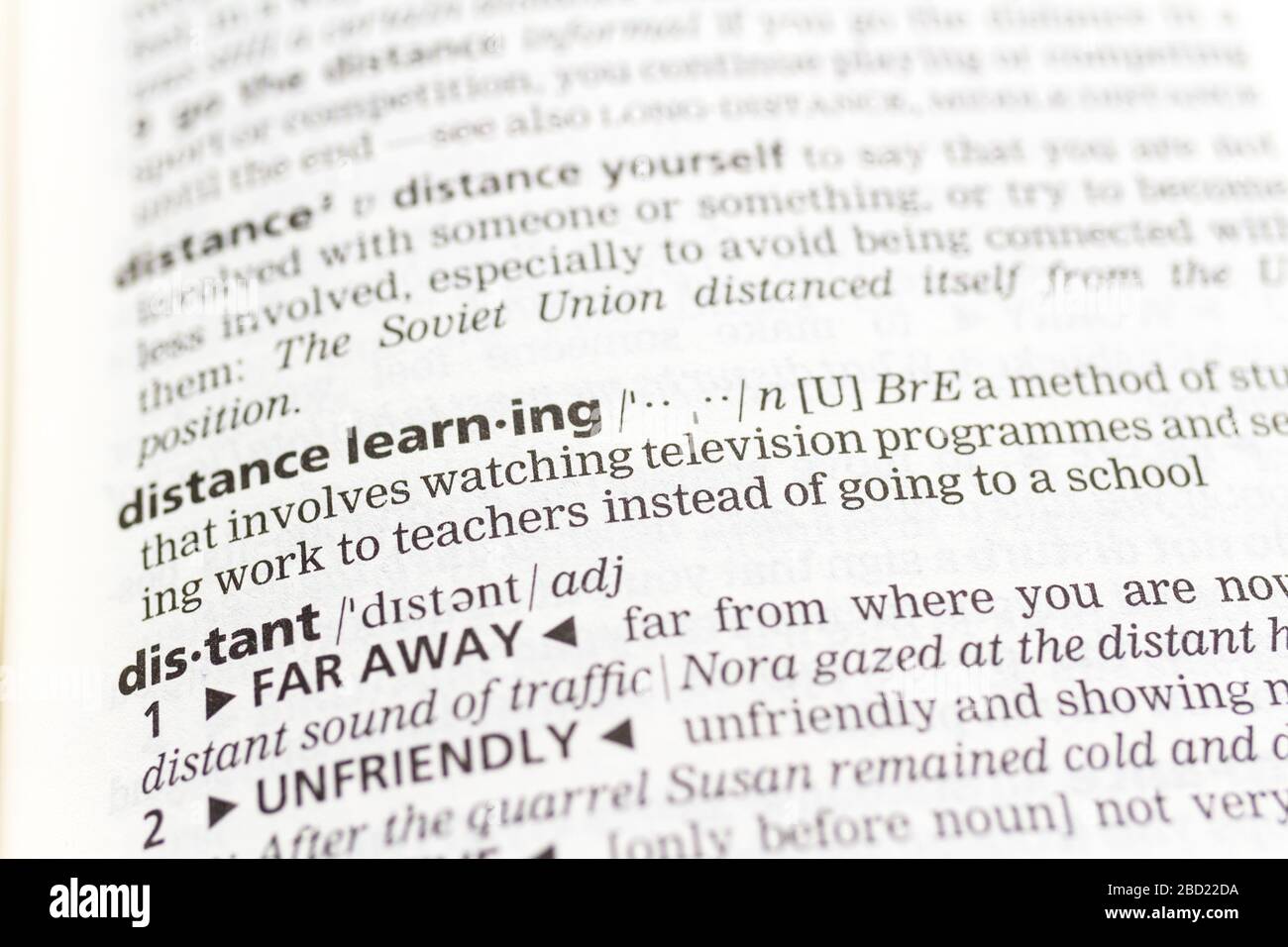
A dictionary is structured in a specific way that can initially seem overwhelming to students. Understanding its layout is essential for effective use. Each word, or entry, typically includes the following elements:
- Word Entry: The term being defined, usually in bold.
- Pronunciation: Phonetic spelling, often enclosed in slashes or brackets.
- Part of Speech: Indicates whether the word is a noun, verb, adjective, etc.
- Definitions: A clear explanation of the word’s meaning.
- Example Sentences: Illustrations of how the word is used in context.
By teaching students to recognize these components, they can more easily navigate a dictionary. Printable guides that outline these elements can serve as quick reference tools during lessons.
Printable Worksheets for Dictionary Skills
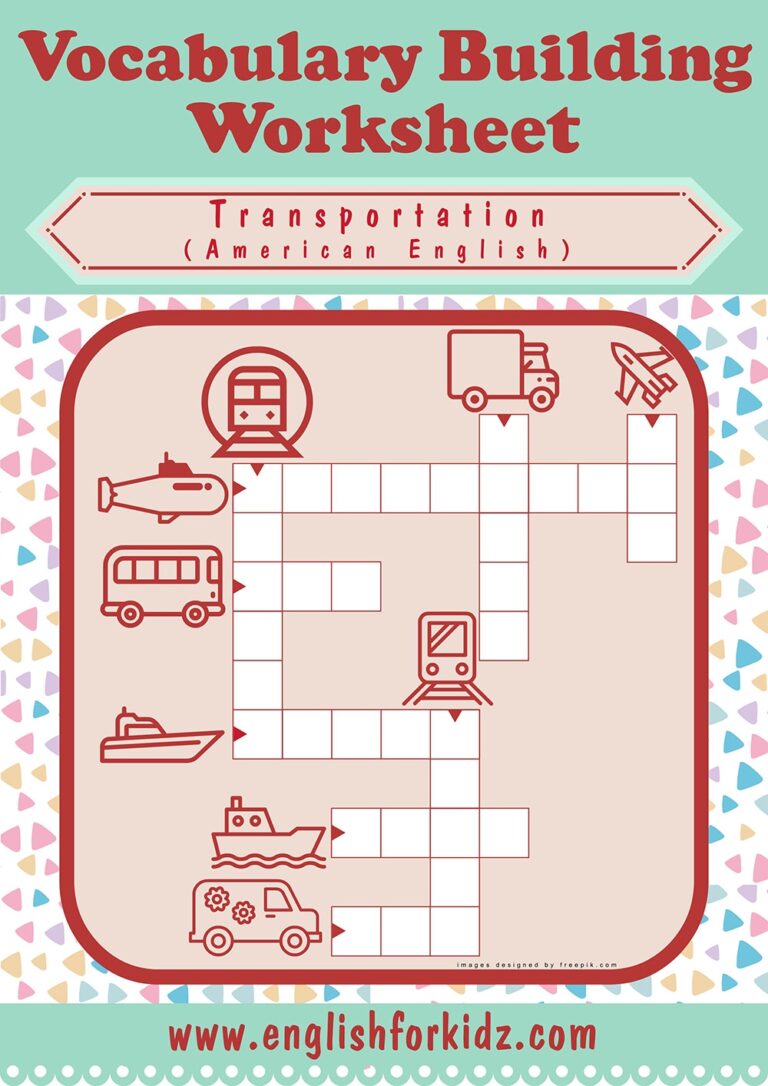
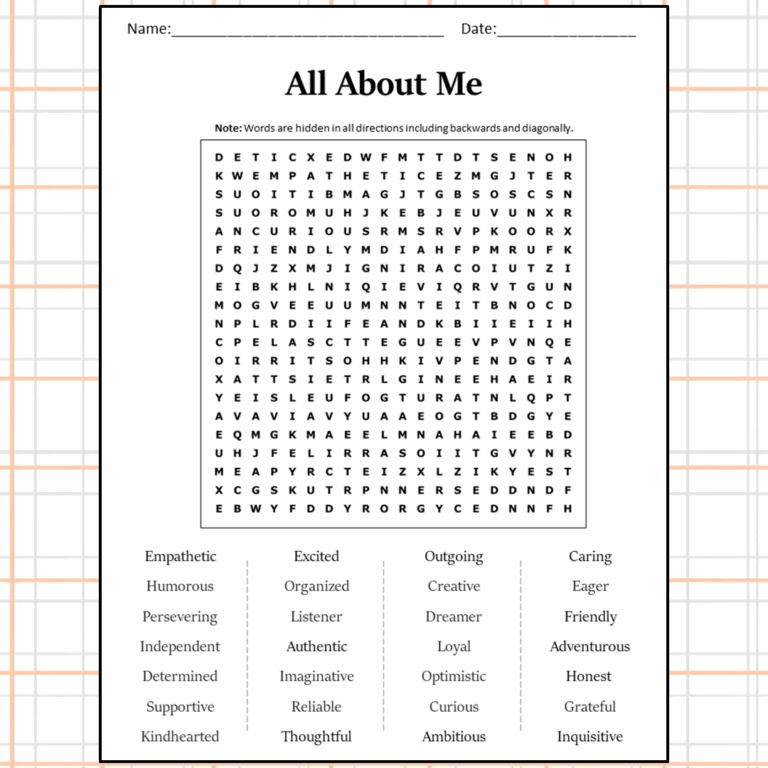
Worksheets are a versatile way to engage students in learning how to use a dictionary. They can be designed to target various skill levels and can include exercises such as:
- Word Lookup Exercises: Students practice finding definitions for assigned words.
- Synonyms and Antonyms: Activities that require students to find synonyms and antonyms using a dictionary.
- Creating Sentences: Prompts that encourage students to use newly learned words in their own sentences.
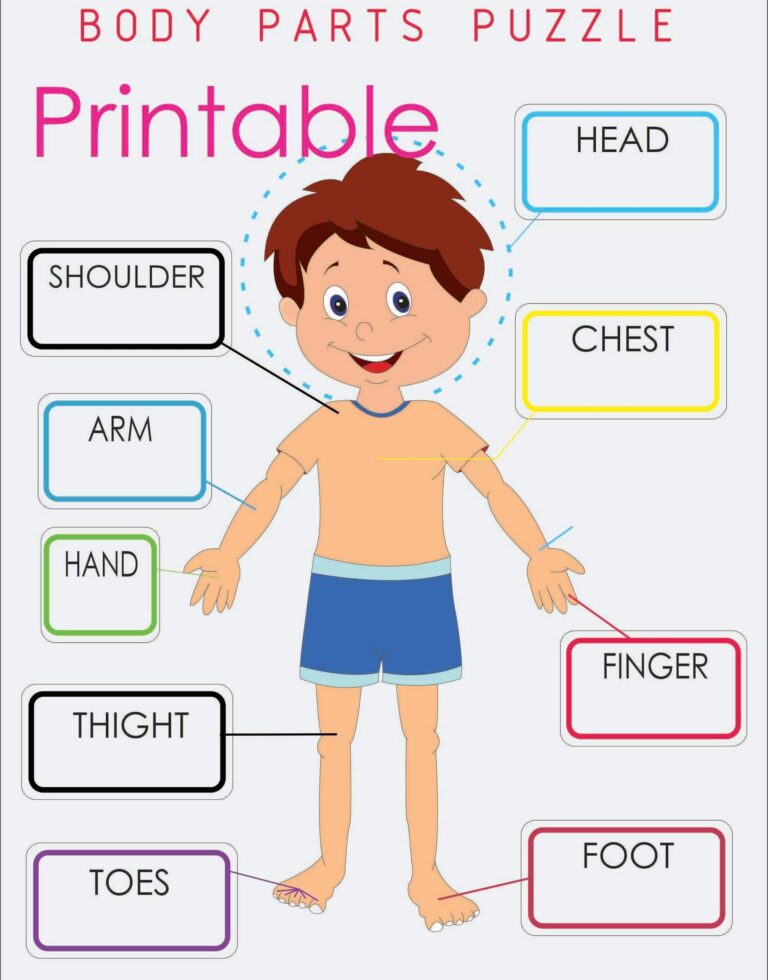
These worksheets can be customized for different grades, ensuring that each student is challenged appropriately. For younger students, simpler worksheets with pictures and basic vocabulary can be effective, while older students can handle more complex exercises that require deeper understanding.
Creating a Dictionary Reference Guide
A dictionary reference guide can be an excellent resource for quick access. This printable can include:
- Commonly Used Words: A list of words that students frequently encounter.
- Abbreviations: Definitions of common abbreviations found in dictionaries.
- Tips for Efficient Lookup: Strategies such as using the guide words at the top of the pages to find words faster.
Such a reference guide can be printed on a single page and laminated for durability, making it a handy tool for students to keep in their desks or binders.
Integrating Dictionary Skills Into Daily Lessons
Integrating dictionary skills into daily lessons enhances students’ learning experiences. Here are some practical ways to achieve this:
- Word of the Day: Introduce a new word each day and have students look it up in the dictionary. They can write down the definition, part of speech, and use it in a sentence.
- Group Activities: Organize activities where students work in pairs or small groups to find words in a dictionary. This fosters collaboration and discussion about meanings and usage.
- Creative Projects: Encourage students to create their own mini-dictionaries with words they find interesting, including illustrations and example sentences. This project can be printed and shared with the class.
Printable templates for mini-dictionaries can be made available, allowing students to format their entries uniformly.
Using Technology Alongside Traditional Dictionaries
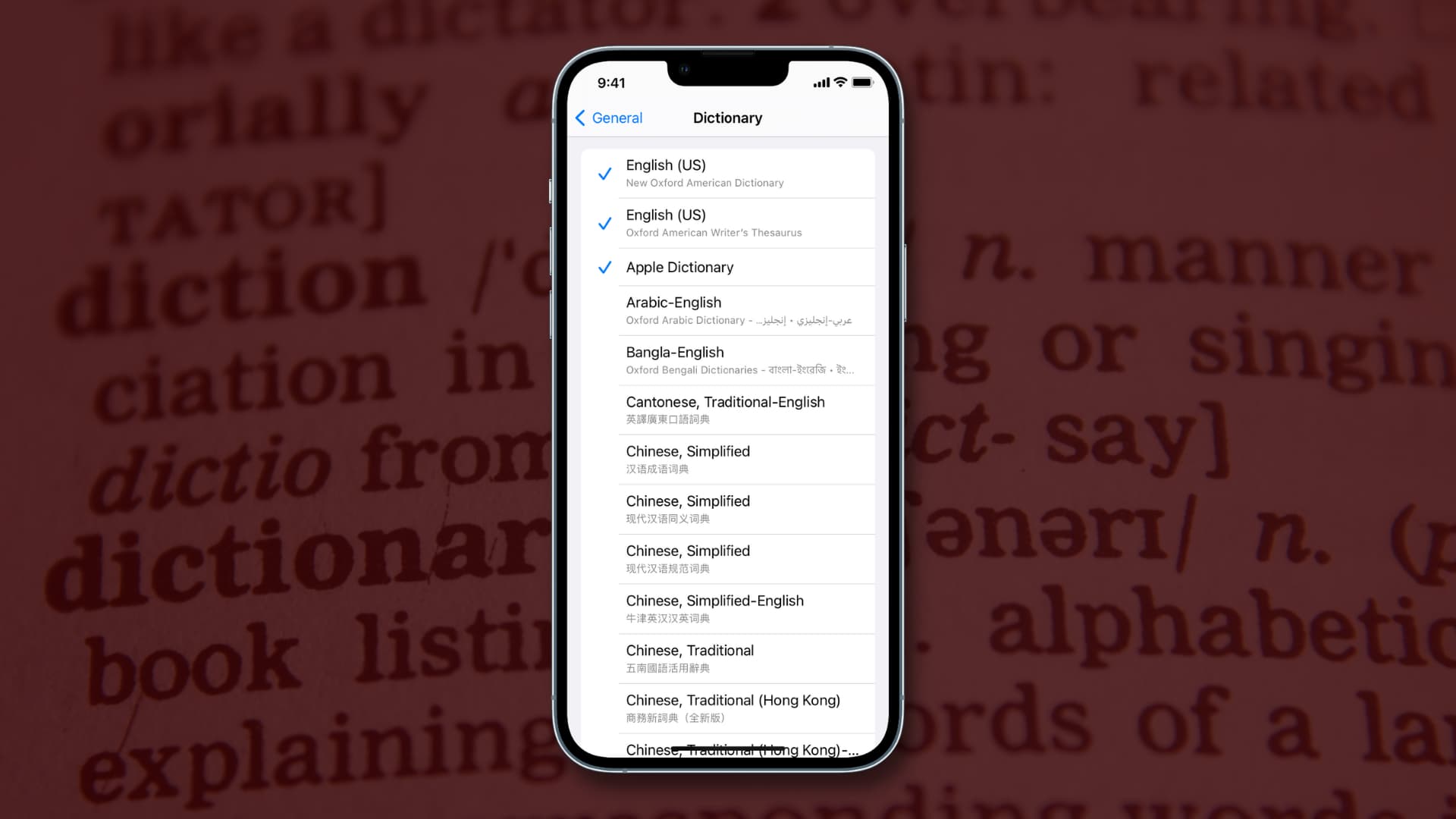
While traditional dictionaries are invaluable, technology can enhance the learning experience. Many online dictionaries and apps are available that provide quick access to word definitions. Teachers can encourage students to use both print and digital resources to develop their skills. Here are some tips:
- Digital Dictionary Exercises: Assign tasks where students have to look up words using an online dictionary. This helps them become familiar with digital tools as well.
- Comparative Analysis: Have students compare definitions from a print dictionary to those found online. Discuss any differences in interpretation or usage.
- Interactive Lessons: Use interactive whiteboards to display online dictionary entries and involve students in exploring various words together.
By combining traditional and digital resources, students can become more adept at navigating both formats.
Encouraging Lifelong Dictionary Use
The ability to look up words in a dictionary is not just an academic skill; it is a lifelong tool for learning. Encouraging students to use dictionaries regularly will help them become more confident in their language abilities. Here are some strategies to promote this habit:
- Homework Assignments: Include dictionary lookup tasks as part of the regular homework routine. This reinforces learning and encourages practice.
- Encourage Curiosity: Foster an environment where students feel comfortable asking about unfamiliar words. When they encounter new vocabulary, encourage them to look it up.
- Recognition and Rewards: Implement a reward system for students who consistently use dictionaries in their work. This can motivate them to develop the habit further.
Printable reward charts can be created to track progress and celebrate achievements in dictionary use.