Letter Tracing Worksheets For Preschoolers
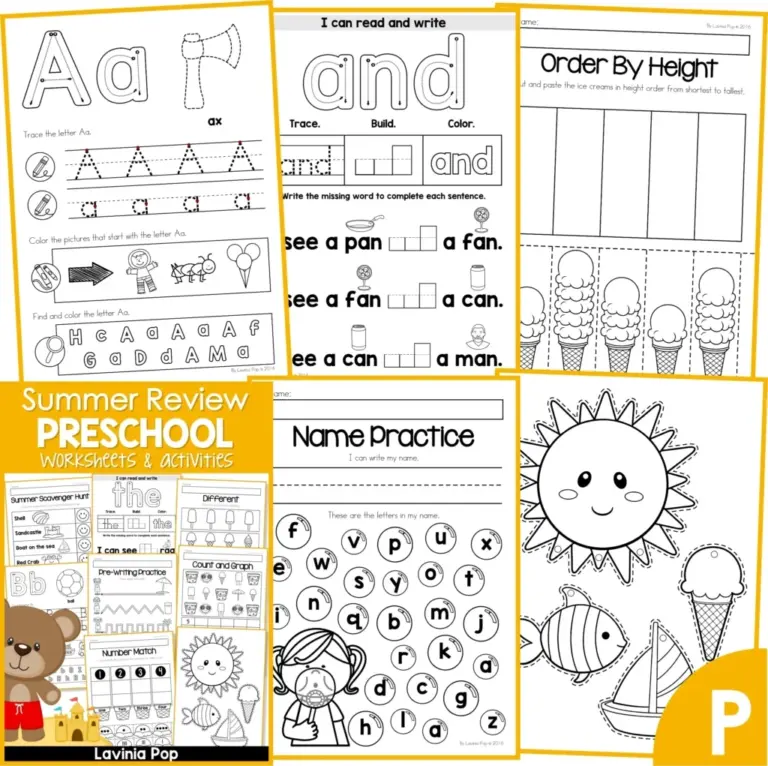
Starting with a variety of letter tracing worksheets can significantly enhance preschoolers’ writing and literacy skills. These worksheets are designed specifically for young learners, typically aged 3 to 5 years, and provide a structured way for children to practice letter formation. Letter tracing worksheets for preschoolers often feature large, clear letters that are easy for tiny hands to trace. This method not only helps with letter recognition but also improves fine motor skills, which are essential for writing.
The Importance of Letter Tracing for Preschoolers
Letter tracing plays a crucial role in early childhood education. It helps children build the foundation for writing by reinforcing how letters are formed. When preschoolers trace letters, they learn about the shapes and lines that make up each character. This practice is especially beneficial for developing hand-eye coordination and dexterity. Moreover, repetition in tracing helps solidify memory, enabling children to recall letter shapes more easily later on.
Using letter tracing worksheets as part of your daily routine can create a consistent learning environment. By dedicating just a few minutes each day to this activity, you can help your students or children become more confident in their writing abilities.
Features of Effective Letter Tracing Worksheets
When selecting letter tracing worksheets for preschoolers, look for certain features that enhance the learning experience. Here are some elements to consider:
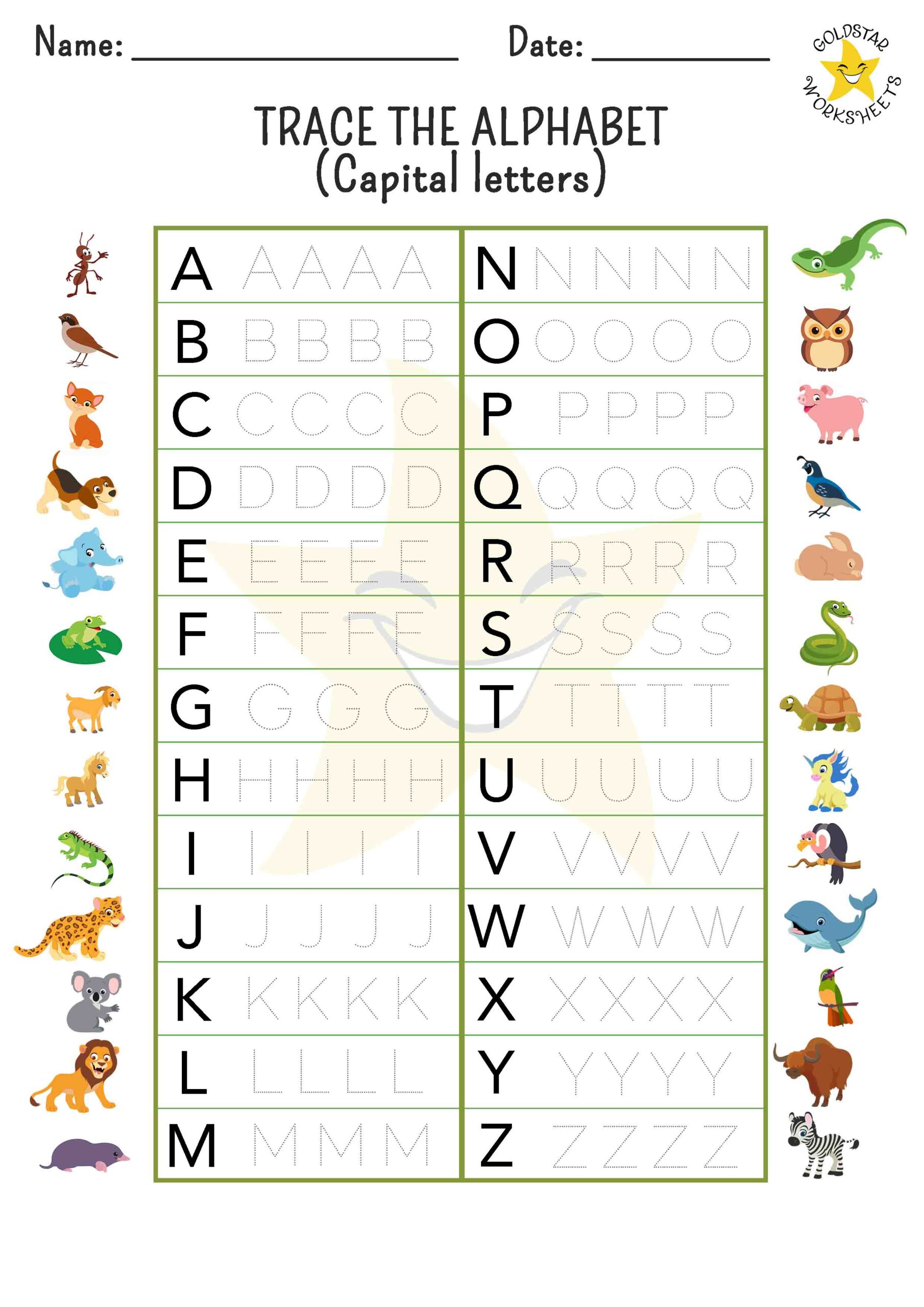
- Large Font Size: Ensure that the letters are large enough for little hands to trace comfortably. A size of at least 1 inch tall is ideal.
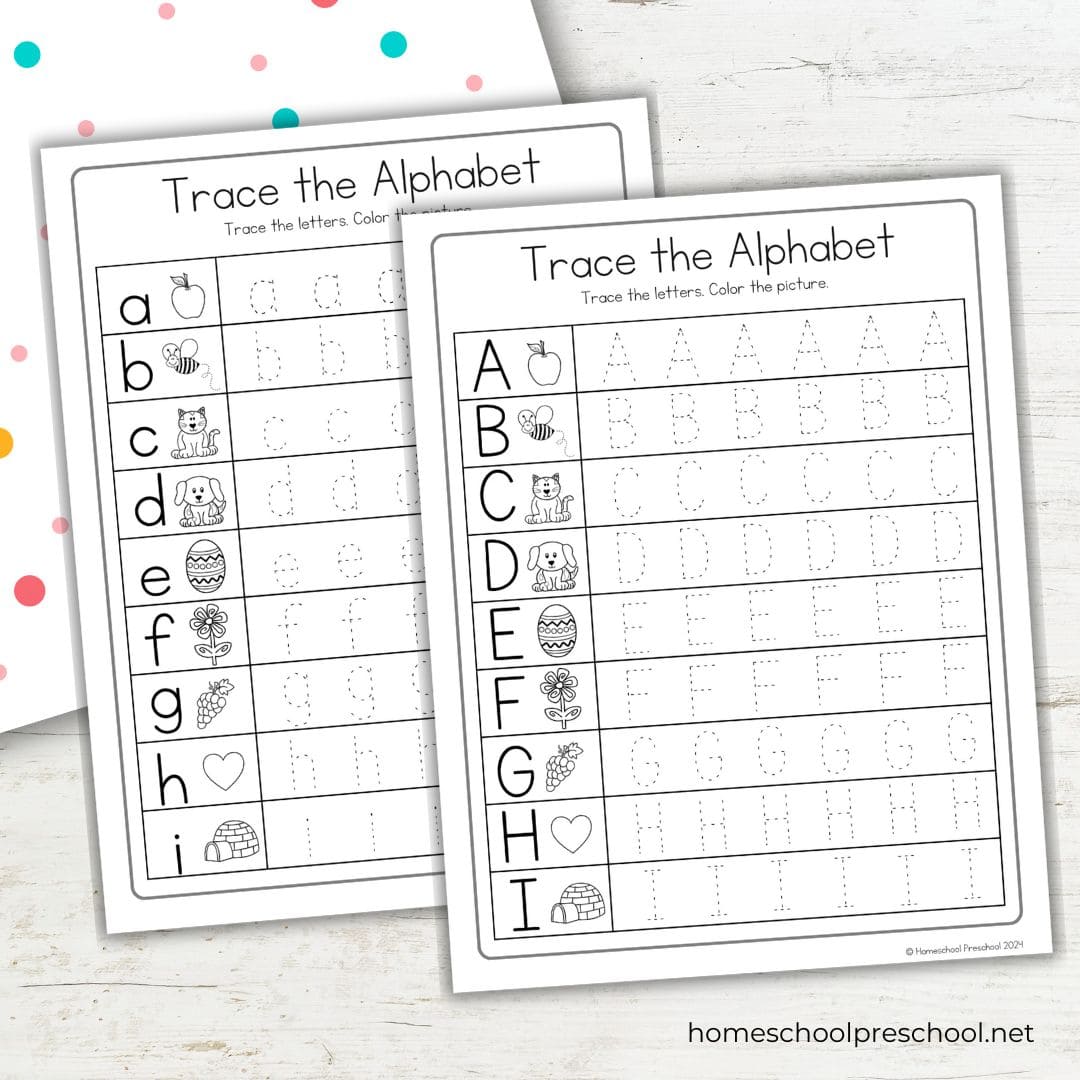
- Guided Lines: Worksheets should include dotted lines or arrows to guide children in the correct formation of each letter.
- Variety of Letters: Incorporate both uppercase and lowercase letters. This exposure helps children recognize letters in different contexts.
- Engaging Themes: Worksheets with fun themes or illustrations can capture children’s interest and make learning more enjoyable.
- Space for Free Writing: Some worksheets should provide a blank space where children can practice writing the letters independently after tracing.
Structuring Tracing Activities for Maximum Impact
To maximize the benefits of tracing worksheets, structure the activities thoughtfully. Here’s a practical approach:
- Daily Practice: Set aside a specific time each day for tracing activities. Consistency helps reinforce learning.
- Mix It Up: Rotate through different letters each week. For example, focus on three letters per week, giving children time to practice each one multiple times.
- Incorporate Multi-Sensory Learning: Use different materials such as sand, rice, or finger paint for children to trace letters. This tactile experience can enhance their understanding of letter shapes.
- Track Progress: Keep a record of each child’s progress by noting which letters they have mastered and which ones may need more practice. This can be done through simple checklists or charts.
- Encourage Creativity: Allow children to decorate their traced letters with colors, stickers, or stamps. This personal touch can foster a love for writing.
Using Letter Tracing Worksheets at Home and in the Classroom
Letter tracing worksheets are versatile and can be utilized in various settings, whether in a classroom or at home.
For Teachers:
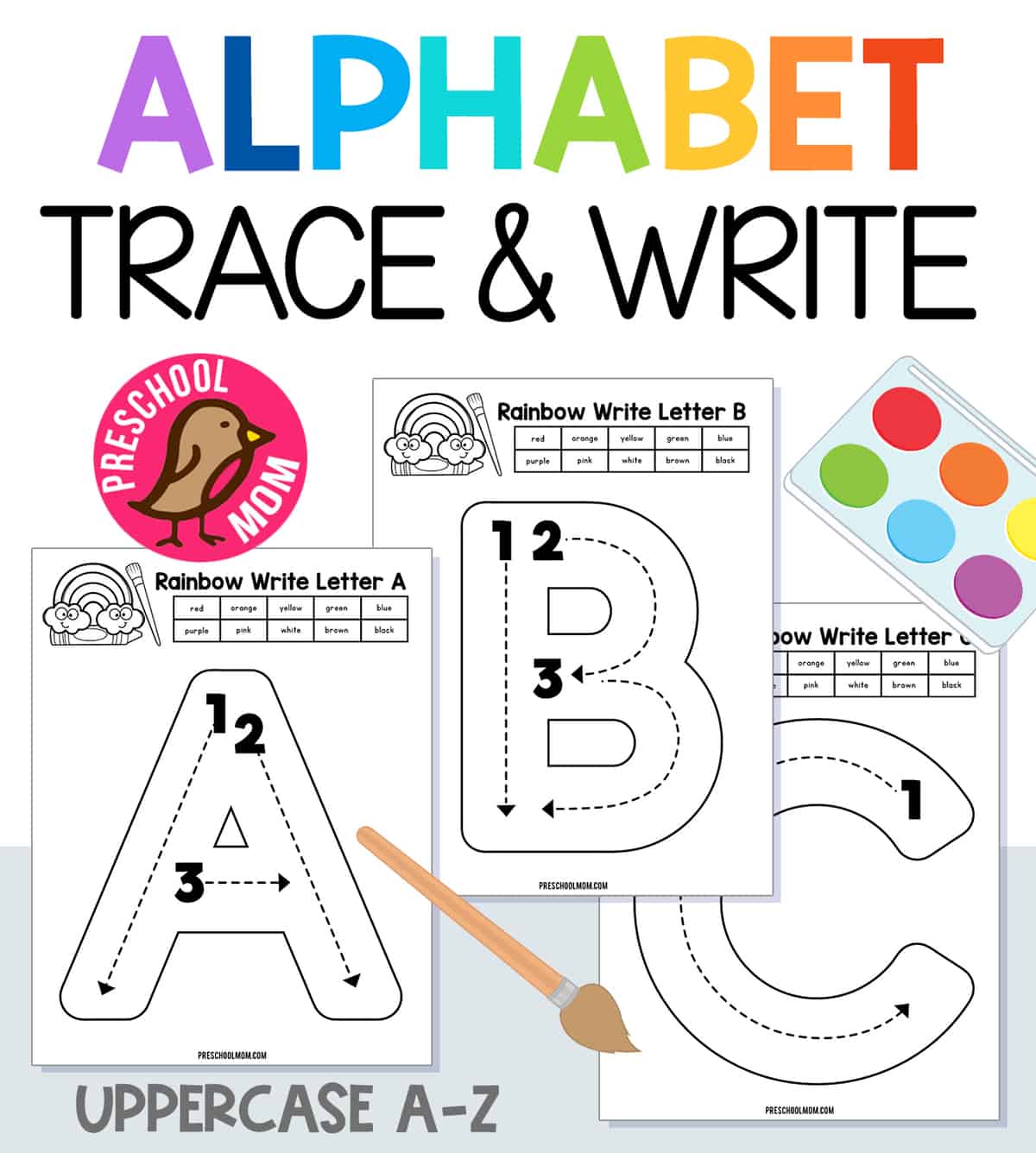
In a classroom setting, these worksheets can be integrated into literacy centers or used during morning warm-ups. Consider creating a letter of the week display where children can showcase their best tracing work. This not only boosts their confidence but also encourages peer learning.
For Parents:
At home, letter tracing can be part of a fun learning routine. Parents can set up a dedicated space with tracing worksheets and writing tools. Engaging in tracing activities together can also foster a positive learning experience, allowing parents to guide their children and celebrate their progress.
Choosing the Right Resources
When looking for letter tracing worksheets, consider the following options:
- Printable PDFs: Many websites offer free or paid downloadable worksheets. These can be printed at home and used repeatedly.
- Workbooks: Some educational publishers provide comprehensive workbooks that include tracing worksheets along with other writing activities.
- Online Resources: Educational platforms often have interactive tracing games that can supplement traditional worksheets.
Remember to check the quality and design of the worksheets to ensure they meet the developmental needs of preschoolers. Look for resources that are visually appealing and easy to navigate.
Incorporating letter tracing worksheets into your teaching or parenting toolkit can greatly enhance preschool literacy skills. By providing consistent practice, engaging resources, and a supportive environment, you can help young learners develop a strong foundation for future writing success. The most effective worksheets will not only foster letter recognition but also make the learning process enjoyable and interactive.