Handwriting Practice Sheets For Preschool
Handwriting practice sheets designed specifically for preschoolers can make a significant difference in how young children approach writing. These resources not only help develop fine motor skills but also build confidence in their writing abilities. With the right layout and engaging design, handwriting practice sheets for preschool can turn an often daunting task into an enjoyable activity for both children and educators.
The Importance of Handwriting Practice in Preschool
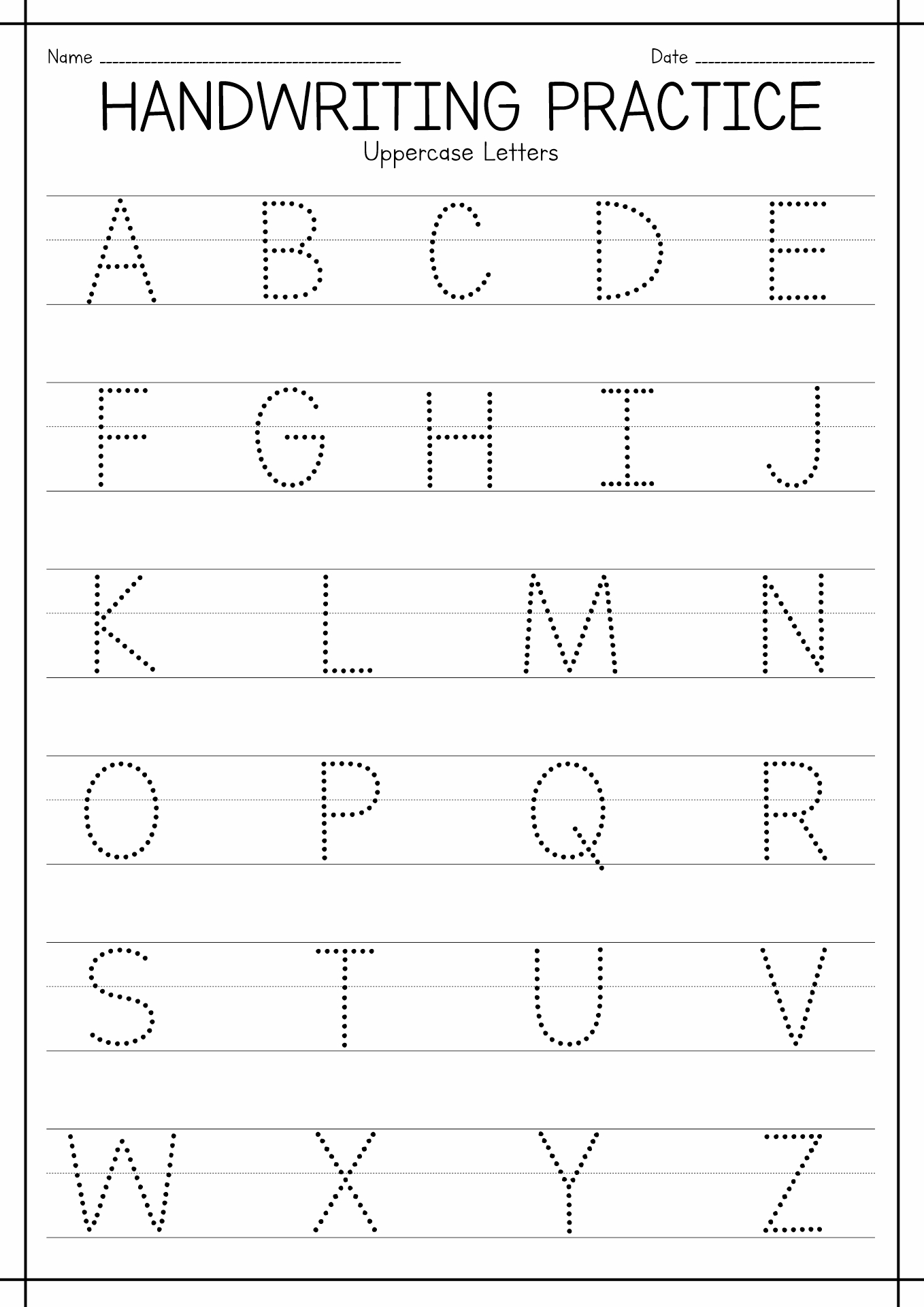
Before diving into the specifics of handwriting practice sheets, it’s crucial to understand why handwriting is such an important skill for preschoolers. At this age, children are developing the foundational skills necessary for effective communication. Handwriting practice sheets help them fine-tune their motor skills, improve hand-eye coordination, and enhance their cognitive abilities.
Preschoolers typically range from ages 3 to 5, which is a critical period for developing these skills. Engaging them in handwriting activities helps prepare them for more advanced writing tasks in later grades. The sheets should be designed to cater to these young learners, featuring large, easy-to-trace letters and fun designs that keep them engaged.
Features of Effective Handwriting Practice Sheets
When selecting or creating handwriting practice sheets for preschool, there are several key features to consider. These elements will make the sheets not just effective but also enjoyable for children.
Large Letter Tracing Areas
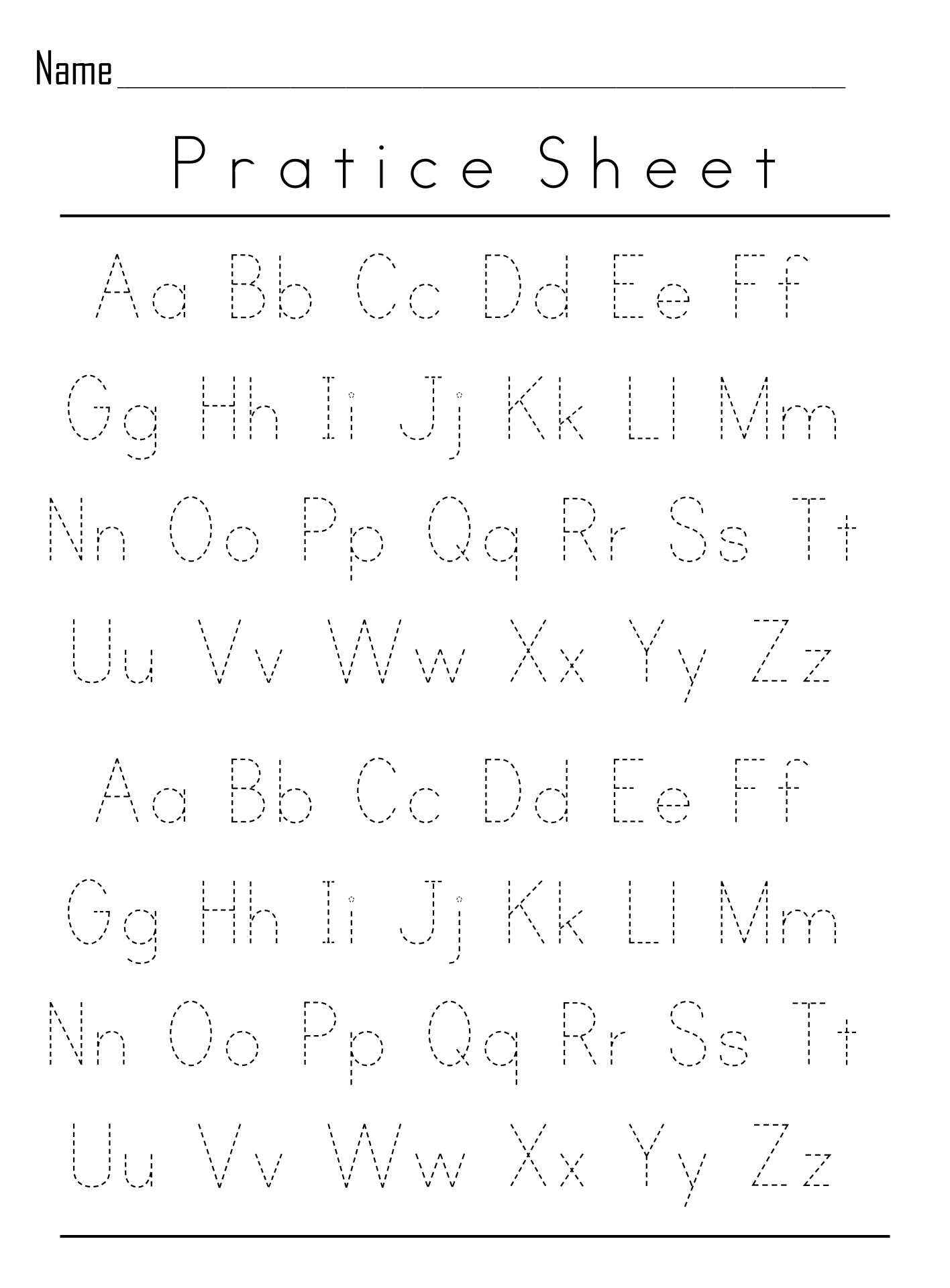
One of the most significant aspects of handwriting practice sheets is the size of the letters. Large letters provide ample space for children to practice tracing without feeling overwhelmed. The ideal size is about 1-2 inches tall, allowing preschoolers to use their whole arm while tracing instead of just their wrist. This promotes better muscle memory and handwriting posture.
Fun and Engaging Themes
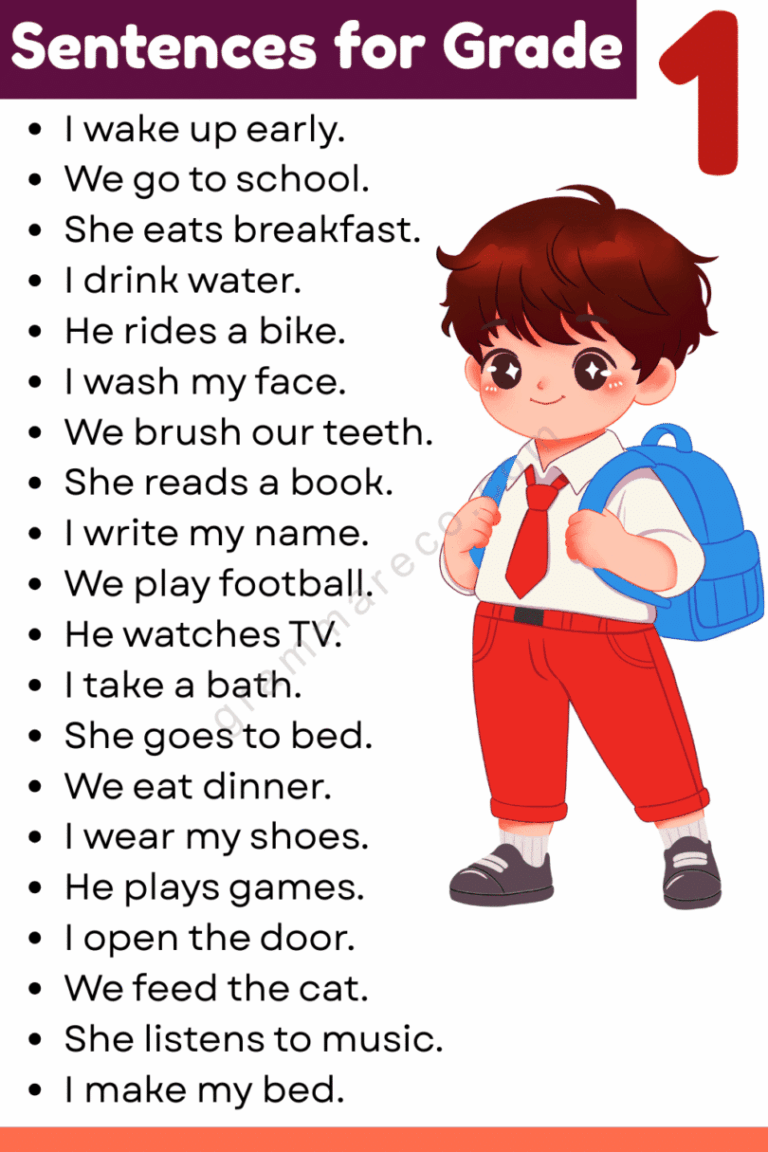
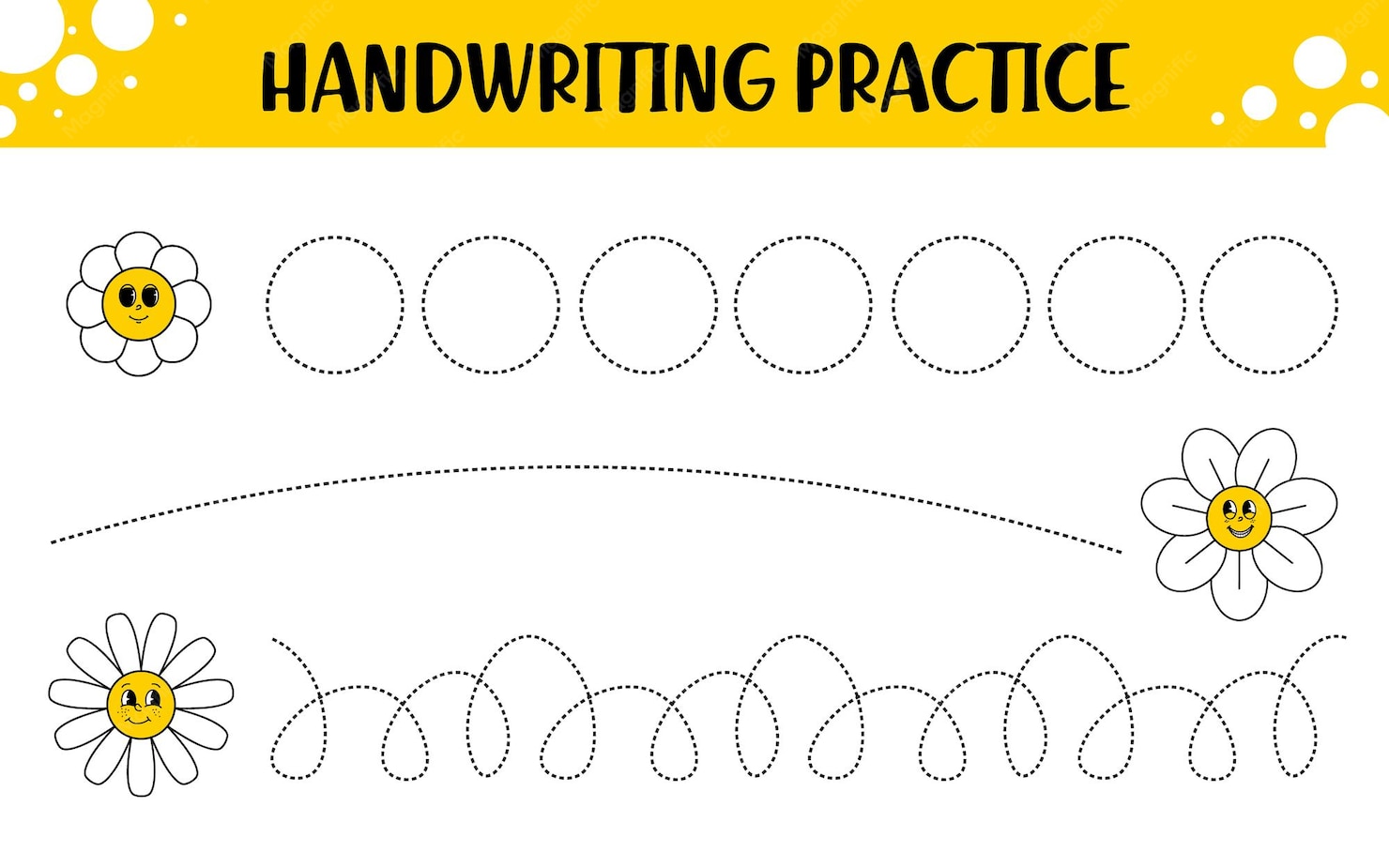
Children are more likely to enjoy their practice if the sheets incorporate themes they find appealing. For instance, using animals, nature, or popular children’s characters can make the experience more enjoyable. Themed sheets can also help reinforce vocabulary and concepts they are learning in other areas.
Clear Guidelines and Instructions
Handwriting practice sheets should include clear guidelines, such as directional arrows indicating how to form each letter. This is especially important for preschoolers who are still learning the basics of letter formation. The arrows guide their hand movements, making it easier for them to understand how to create each letter correctly.
Variety of Activities
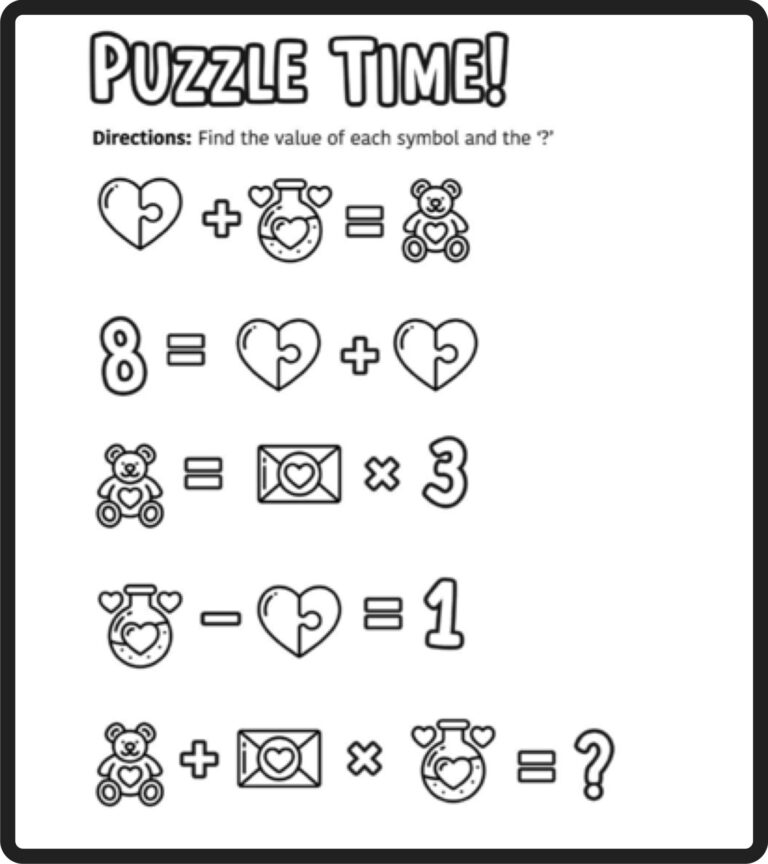
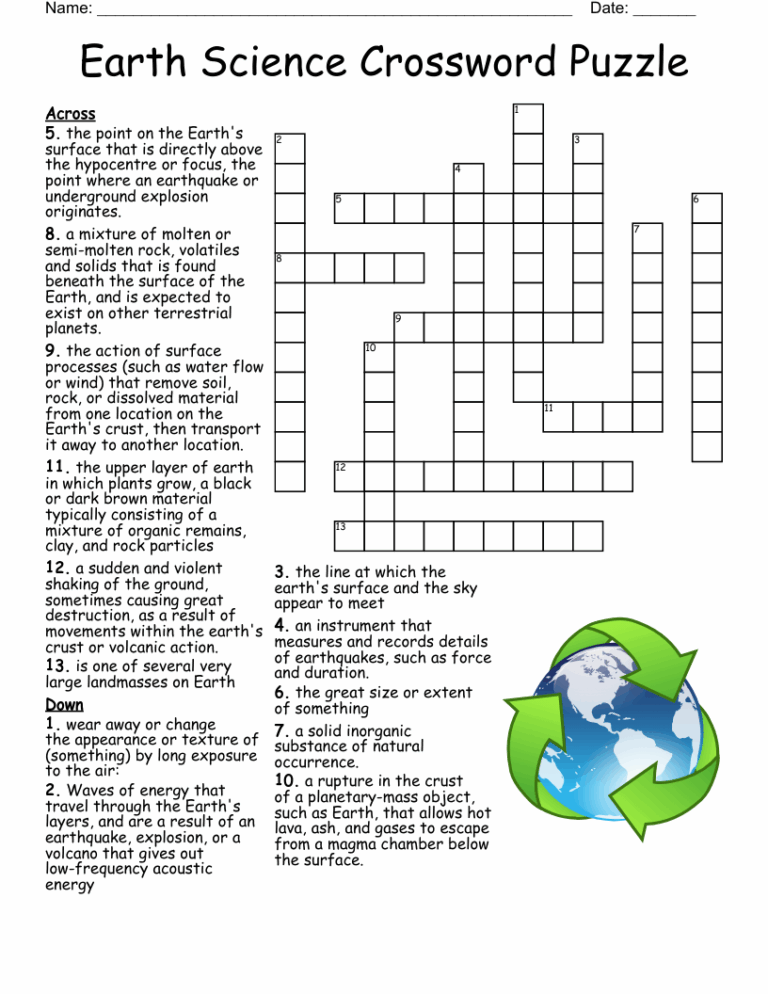
Incorporating a variety of activities on the sheets can keep preschoolers engaged. For example, some sheets can focus solely on letter tracing, while others might include activities like matching letters to corresponding pictures or filling in the missing letters in a word. This variety can help maintain children’s interest and encourage them to practice more frequently.
How to Implement Handwriting Practice Sheets in the Classroom
Integrating handwriting practice sheets into your classroom routine can be straightforward and effective. Here are some practical ways to use these resources:
Daily Practice Sessions
Incorporate short, daily handwriting practice sessions into your schedule. Even 10-15 minutes a day can make a significant difference in a child’s writing skills. You can rotate the sheets to keep things fresh and exciting.
Group Activities
Consider using handwriting practice sheets as part of group activities. Children can work together to complete tasks, such as tracing letters on a whiteboard before moving to their individual sheets. This collaborative approach can foster a sense of community and make learning more enjoyable.
Home Practice
Encourage parents to use handwriting practice sheets at home. Sending sheets home for practice can reinforce what children learn in school and provide parents with a structured way to engage with their child’s education. Make sure to provide clear instructions for parents on how to assist their children.
Assessing Progress
Use handwriting practice sheets as a tool for assessing a child’s progress. Regularly collect and review their work to identify areas where they excel and where they may need additional support. This can help tailor your teaching strategies to meet individual needs.
Choosing the Right Paper and Printing Options
When it comes to printing handwriting practice sheets, the choice of paper and printer settings can impact the quality of the final product. Here are some tips for optimal results:
Paper Type
For durability, consider using cardstock when printing handwriting practice sheets. This thicker paper holds up better to repeated use, especially if you’re laminating the sheets for dry-erase use. If you’re printing multiple copies, standard printer paper should suffice, but ensure it’s of good quality to avoid ink bleed-through.
Printer Settings
To achieve the best results, adjust your printer settings to print at high quality. This ensures the lines and letters are clear and easy for children to trace. If your printer has a portrait or landscape option, choose the layout that best fits the design of the sheets.