Guess The Phrase With Pictures
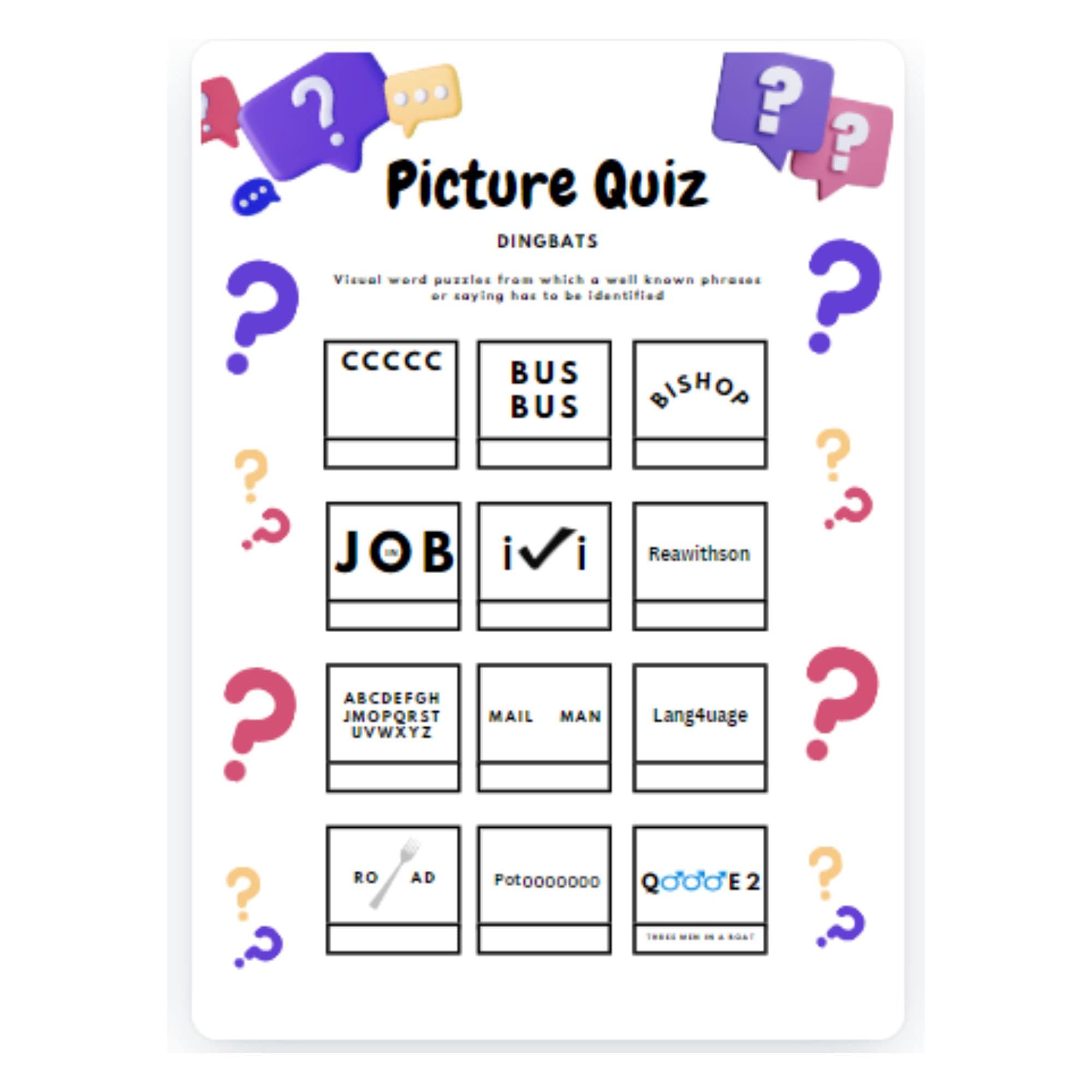
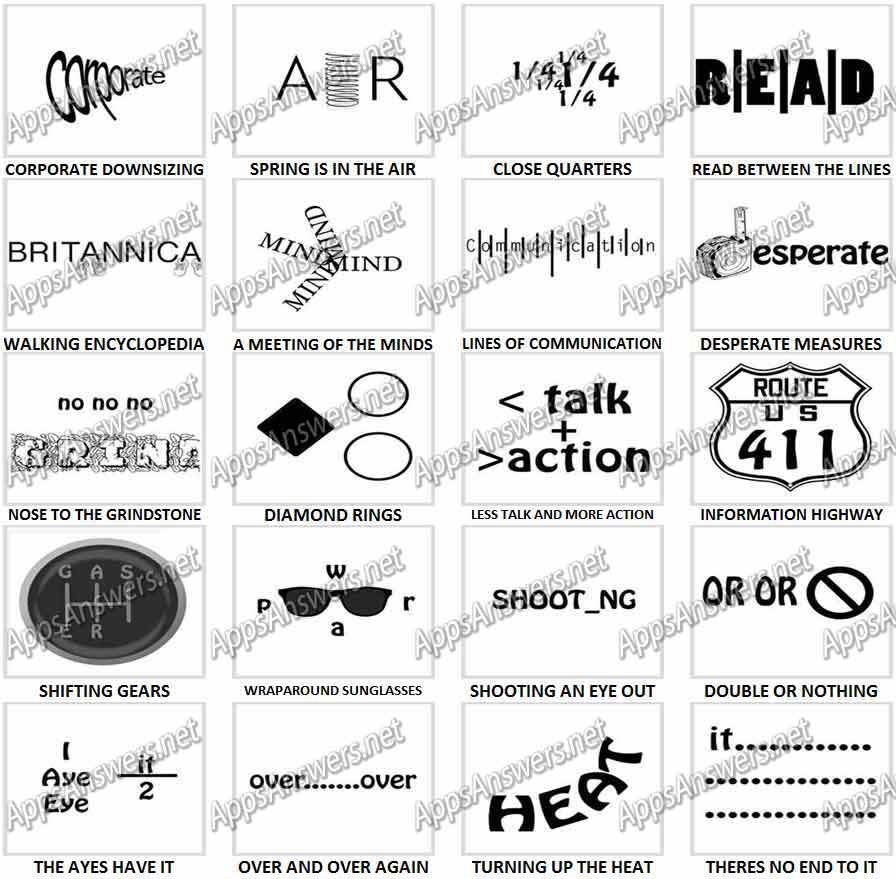
Guess the Phrase with Pictures is a delightful and interactive game that can enhance learning in various settings. Designed mainly for teachers and parents, these printable resources can make lessons engaging and help children develop critical thinking and language skills. By using visual clues, students can guess phrases, idioms, or common expressions, leading to a fun and educational experience.
What You Need to Get Started
Before diving into the activity, gather the necessary materials. You’ll need:
- Printed Resources: Download and print the “Guess The Phrase With Pictures” templates. These typically come in PDF format for easy printing.
- Paper or Cardstock: Using heavier paper can ensure durability, especially if the resources will be handled frequently. Cardstock is a great option.
- Markers or Pencils: For students to write their answers or engage in additional activities related to the phrases.
- A Timer (optional): Adding a time limit can increase excitement and competitiveness.
Choosing the Right Printable Resource
When selecting your printable resources, consider the age and language proficiency of your students. Look for materials that match their skill level. For younger children, choose simpler phrases or more visual clues, whereas older students can handle more complex idioms or phrases.
You might find various themes available, such as holidays, animals, or everyday activities. These themes can help you relate the game to your current lesson plan or seasonal activities, making it even more engaging for the students.
Preparing the Game
Once you have your materials ready, it’s time to set up your game. Follow these steps:
- Print the Templates: Make sure to print enough copies for each student or group. Depending on your class size, consider printing extras for different rounds.
- Cut Out the Clues: If your resources include separate images or hints, cut these out neatly. This can help in presenting the clues clearly.
- Organize the Space: Arrange your classroom or game area to facilitate teamwork. For group play, set up tables where students can work together without distractions.
- Explain the Rules: Before starting, explain how the game works. Each group will take turns guessing the phrase based on the visual clues. Encourage teamwork and discussion to foster collaboration.
Playing the Game
Now that everything is set up, it’s time to play! Here’s how to conduct the game effectively:
- Select a Group: Choose which group will go first. You might rotate turns or allow groups to play simultaneously, depending on your class size.
- Present the Clue: Show the first clue to the group. They must discuss and come up with their guess based on the visual information provided.
- Time Limit: If you’re using a timer, set it for a specified duration (e.g., 1-2 minutes). This can add a fun level of pressure and excitement.
- Scoring: Decide how you’ll score guesses. Will you award points for correct answers or for creativity in their reasoning? Clear scoring can motivate students.
- Encourage Participation: Make sure all students have a chance to contribute. If a group is struggling, provide hints or encourage them to think out loud.
Utilizing the Game in Different Subjects
“Guess The Phrase With Pictures” can be integrated into various subjects. Here are some ideas:
- Language Arts: Use it to teach idioms or figurative language. Students can learn the meaning behind phrases and how to use them in context.
- Social Studies: Incorporate phrases related to historical events or cultural expressions, giving students a broader understanding of the subject matter.
- Science: Utilize scientific terms or processes that can be illustrated visually. This can help students remember complex ideas through imagery.
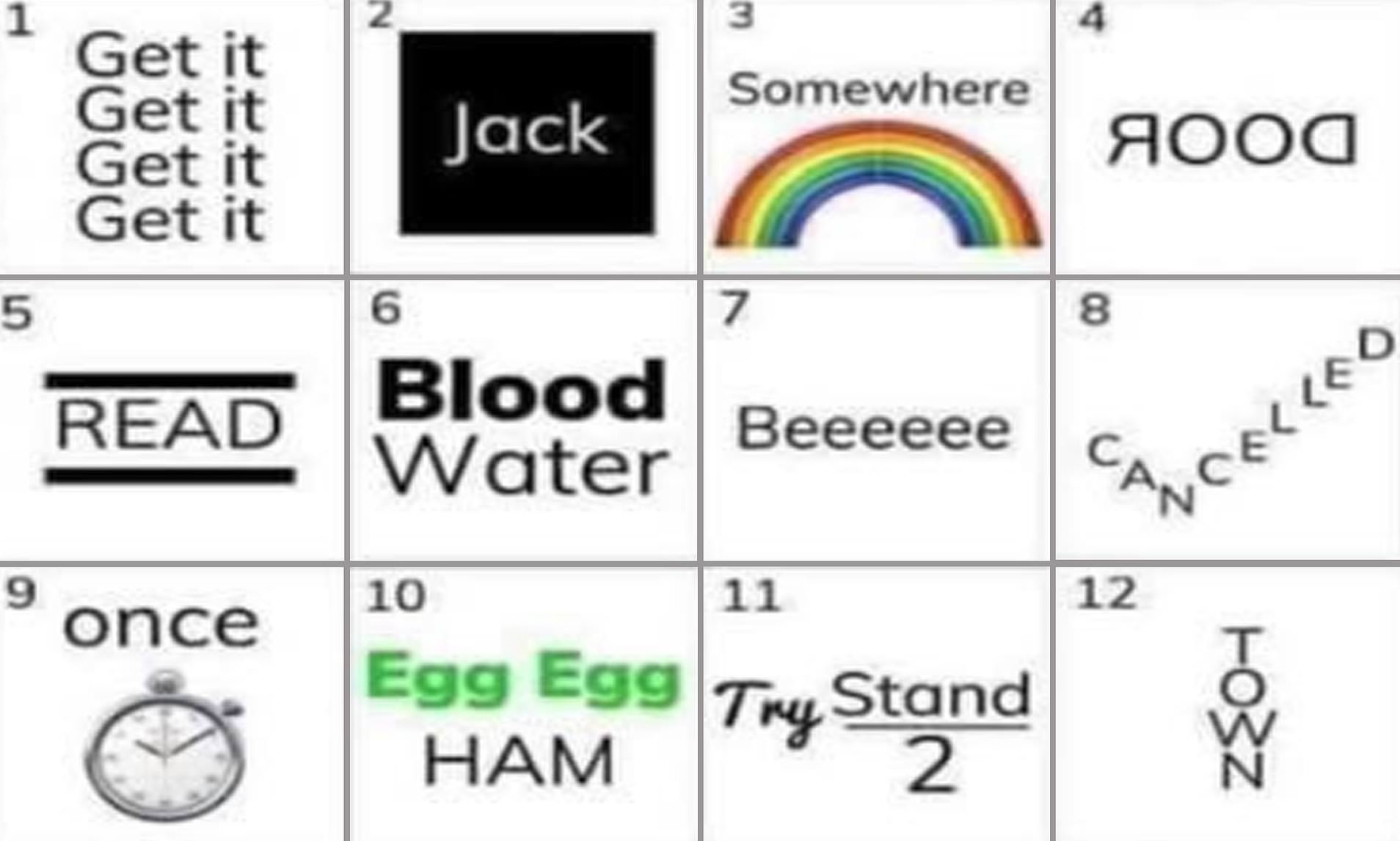
Adapting for Different Learning Styles
Different students learn in different ways. To accommodate various learning styles, consider these adaptations:
- Visual Learners: Use vibrant, detailed images that are easy to interpret.
- Auditory Learners: Allow students to explain their reasoning verbally. They can describe how they arrived at their guess.
- Kinesthetic Learners: Incorporate movement by having students act out phrases or use physical props.